REVIEW · BERLIN
Berlin: David Bowie & 1970s Berlin Guided Walking Tour
Book on GetYourGuide →Operated by insightcities.com · Bookable on GetYourGuide
Berlin turns into Bowie’s backstage in three hours. This 1970s-focused walk shows you how Cold War West Berlin fed Low, Heroes, and Lodger, with stops that matter, not just photos. I especially like how historian-led guides (I’ve seen names like Dan and Lee leading groups) connect real locations to songs, so it feels like the city is doing the storytelling.
I also like the balance of walking and short public transport hops. You’ll cover major landmarks such as Hansa Studios and the Zoo area without making it one long slog across town. One consideration: the route uses public transport a few times, so cold-weather waits and a day metro pass plan can make a difference.
In This Review
- Key points to look forward to
- Why 1970s West Berlin hits differently on this tour
- Starting point at Ständige Vertretung: coffee before the Cold War
- Zoo Station to Bertolt-Brecht-Platz: the West Berlin mood set quickly
- Tränenpalast, Anhalter Bahnhof, and Martin-Gropius-Bau: big architecture, big stakes
- Topographie of Terror: why the dark context matters
- Hansa Studios: the music-making stop you’ll remember
- KaDeWe and Potsdamer Platz: everyday Berlin with an artist lens
- Bahnhof Zoo and the clubs: where the night energy lived
- Bowie’s flat, Iggy Pop, and the Berlin Wall: the story tightens
- Cafe Neues Ufer: a fitting end to the story
- Price and value: what $135 buys you in real terms
- Getting around: plan for transit hops (and cold stops)
- Who this tour is best for
- Should you book the Berlin Bowie walking tour?
- FAQ
- How long is the Berlin Bowie walking tour?
- Where do I meet the tour guide?
- What sites are included on the tour?
- Is the tour in English?
- Do I need public transport tickets?
- Is food included in the price?
- Is it worth booking if I’m not a hardcore Bowie fan?
Key points to look forward to
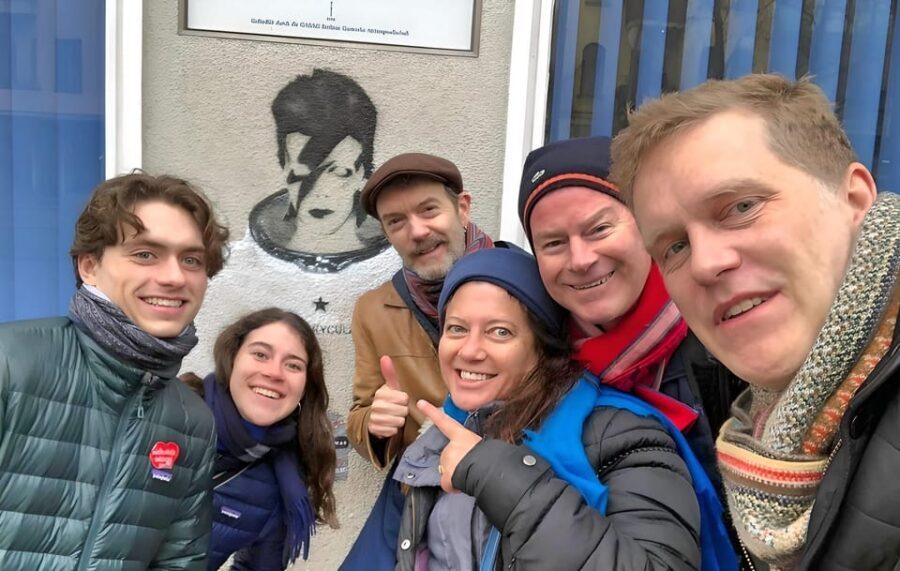
- Historian guide format: you’re led by people in academic or media roles, including historians and published authors
- Bowie-to-place connections: you’ll link Bowie’s Berlin years to specific sites tied to his music
- Hansa Studios time: the tour includes a stroll by the legendary recording studios
- Cold War context built in: you pass significant locations tied to the darker side of the era
- You travel like locals: a few transit rides help you reach far-apart stops efficiently
- Small-group feel is possible: private or small-group options can make it easier to ask questions
Why 1970s West Berlin hits differently on this tour
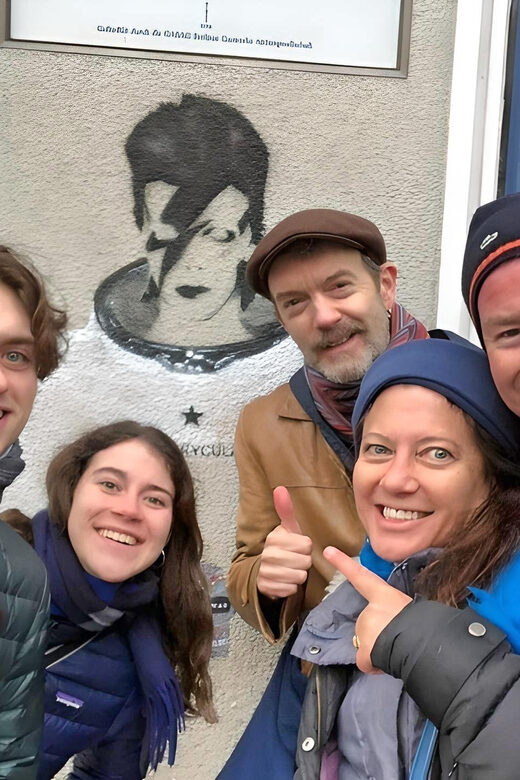
David Bowie didn’t arrive in Berlin as a tourist. He came into a city that felt split down the middle, loud in the arts, tense in the streets, and full of people chasing reinvention. That’s what this tour is built around: the idea that the places you see aren’t background. They’re part of the sound.
I like that the tour keeps your attention on the years that shaped the Berlin Trilogy. With stops tied to where Bowie lived, where he went out, and where the music-making machinery mattered, you don’t just learn trivia. You start to understand why the records sounded the way they did.
And the guide approach matters. This is a walking tour led by historians and writers (or people with similar credentials), which keeps the story grounded in context, not just fandom.
You can also read our reviews of more walking tours in Berlin



Starting point at Ständige Vertretung: coffee before the Cold War
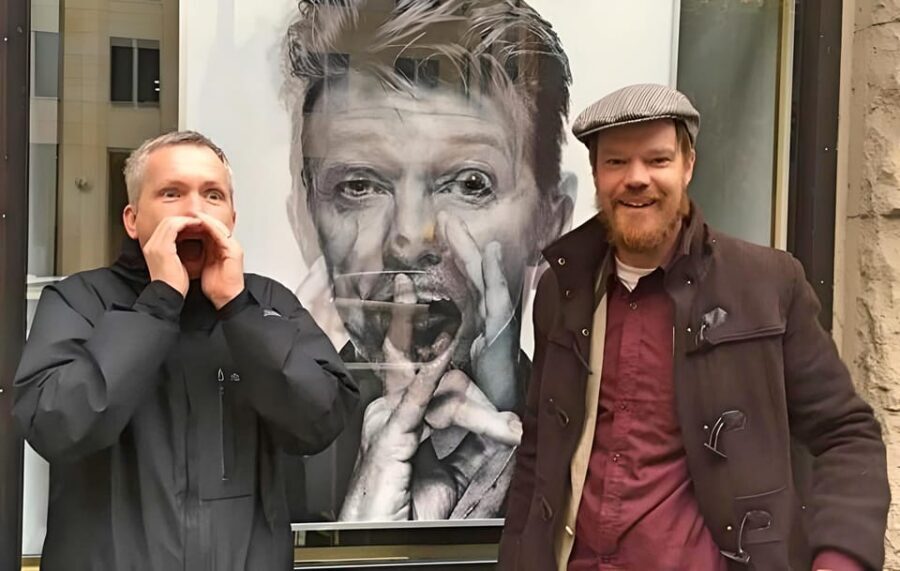
You meet at Ständige Vertretung, a memorabilia-filled cafe at Schiffbauerdamm 8 (10117 Berlin). It’s a simple, human place to gather because you can orient yourself before the group moves out.
Most tours start right around the heart of West Berlin, and this one begins near Zoo Station—one of those Berlin areas where the city keeps layering eras. Expect an early arc of sights that set the mood fast, so the tour doesn’t spend its best minutes still finding its footing.
Tip: arrive about 10 minutes early if you can. The meeting spot is also a good chance to get oriented and confirm your public transport plan for the day.
Zoo Station to Bertolt-Brecht-Platz: the West Berlin mood set quickly
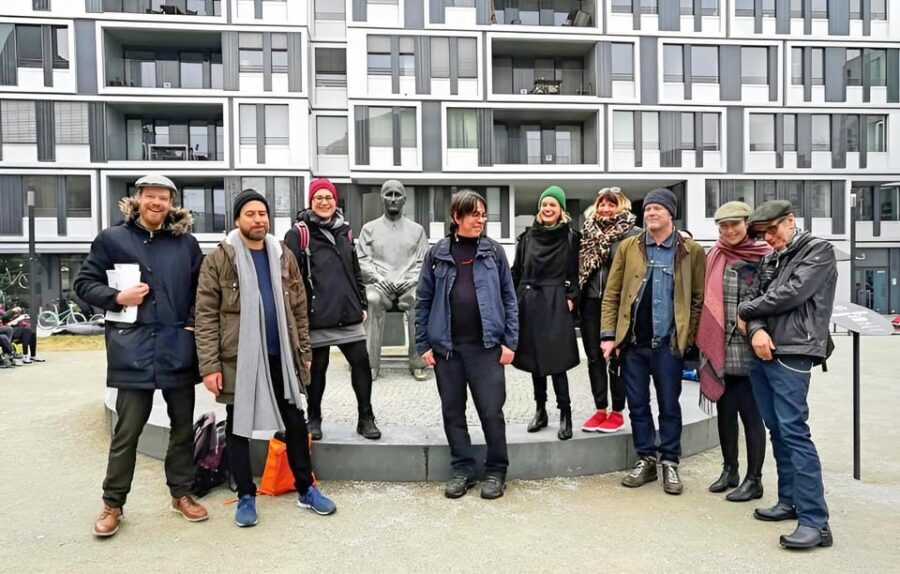
The tour kicks off near Zoo Station and moves through a stretch that gives you instant contrast: everyday city life next to the feeling of a divided world. You’ll also stop at Bertolt-Brecht-Platz, which helps anchor the cultural tone of the period. This isn’t just about music; it’s about the stage Berlin kept building for artists.
What I like here is pacing. The tour gets you out into the streets early, so you’re not waiting until the middle to start feeling the city. It’s a smart move, because Bowie’s Berlin works best when you see it in motion—corners, transit access, and street-level details.
If you’re a Bowie fan who knows the albums well, this early segment also helps you “place” the sound in space. If you’re not as deep into the discography, you’ll still get the city logic.
Tränenpalast, Anhalter Bahnhof, and Martin-Gropius-Bau: big architecture, big stakes
From the starting zone, the tour threads through major Berlin landmarks: Tränenpalast, Anhalter Bahnhof, and Martin-Gropius-Bau. Each one carries its own weight in the Cold War story, and together they give you a sense of how the city looked and functioned.
Tränenpalast is one of those places that brings the era’s emotional tension into focus. Anhalter Bahnhof adds another layer, reminding you that movement—train lines, departures, arrivals—was part of the daily reality of a divided city.
Martin-Gropius-Bau fits the arc because Berlin wasn’t only uniforms and borders. It was museums, exhibitions, and an arts economy that kept feeding bold work. That contrast helps you understand why Bowie’s shift toward stark, experimental sound made sense in this setting.
Practical note: this is where your feet start to get used to the rhythm. Wear shoes that handle pavement and potential uneven spots. Berlin weather can flip fast, and you’ll be out enough to feel it.
Topographie of Terror: why the dark context matters
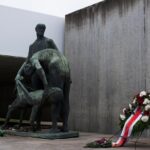
The tour includes Topography of Terror, a site that brings the period’s brutality into direct view. This is not a detour. It’s part of the point: Berlin’s creative intensity existed alongside horrific state violence and repression.
For Bowie fans, this stop may feel like a tonal shift—because the Bowie Berlin vibe can sound sleek and stylish. But it’s also what makes the story real. You get a clearer sense of why the city’s edges felt sharp, and why artists often sounded coded, fractured, or controlled.
I like that the tour doesn’t treat Cold War context as a lecture sidebar. It’s integrated so you understand the atmosphere shaping everyone’s choices, including Bowie’s.
You can also read our reviews of more guided tours in Berlin



Hansa Studios: the music-making stop you’ll remember
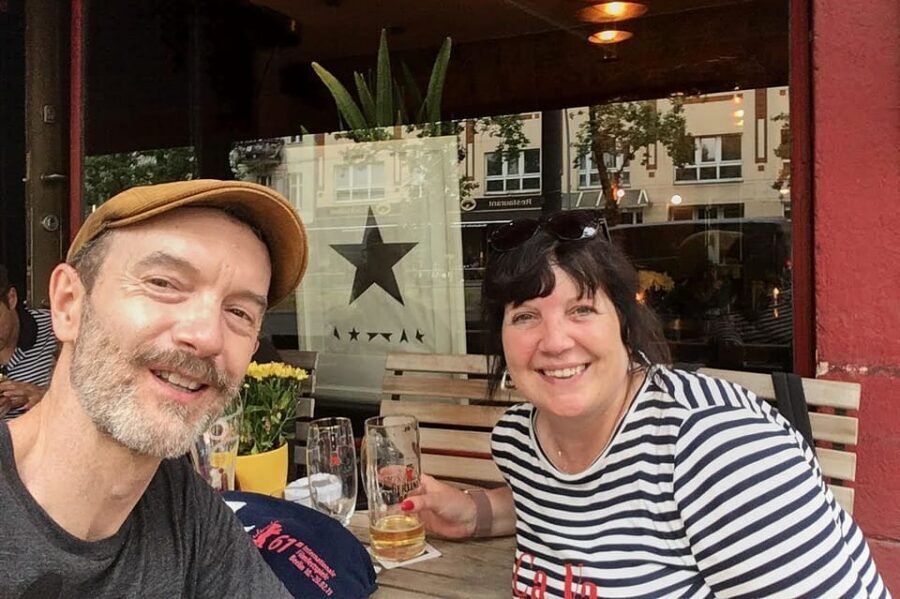
One of the biggest reasons to book is the inclusion of Hansa Studios. The tour takes you by the studios associated with Berlin’s legendary recording era—exactly the kind of place where the city’s sound gets engineered.
This stop is valuable even if you don’t expect anything dramatic at the door. The value is in how the guide connects the studios to the moment Bowie hit his stride in Berlin. You’ll leave with a stronger sense that these records weren’t created in a vacuum. They were built with specific spaces, people, and city energy pushing the work forward.
Also, this is where guides often add extra texture. Some groups get video clips and photos during the walk, and music excerpts can show up as well. If you love hearing the albums while you match them to real streets, this is the kind of tour that supports that habit.
KaDeWe and Potsdamer Platz: everyday Berlin with an artist lens
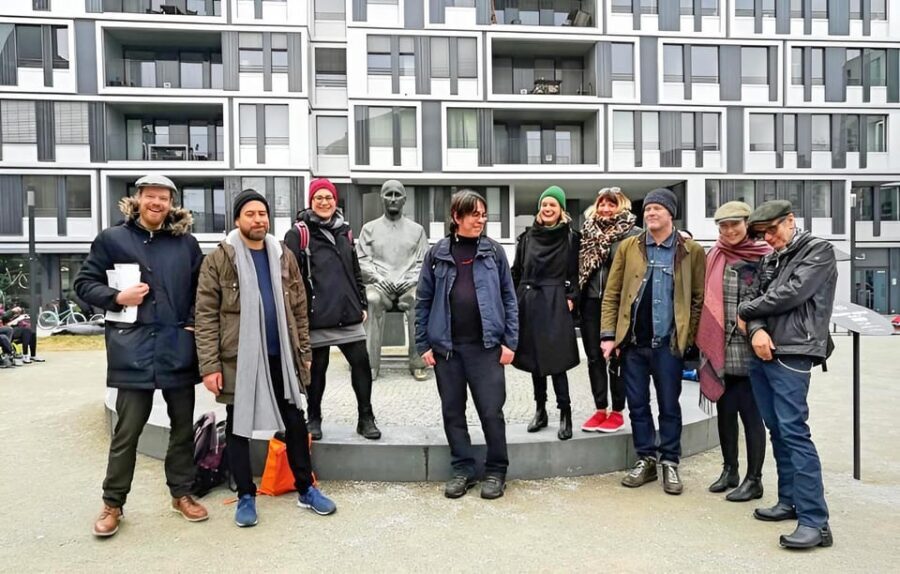
KaDeWe makes an appearance, along with the Potsdamer Platz area. These stops keep you from treating Bowie’s Berlin as only nightlife and studio walls. You see how consumer life, public space, and city design all sat in the same ecosystem.
KaDeWe is a reminder that Berlin had luxury and scale even during tense years. Potsdamer Platz brings in the bigger urban geography—the places where movement and crowds shaped how the city felt.
What I like is how this kind of stop prevents fandom tunnel vision. Bowie’s story is personal, but it’s also public. Even when you’re chasing club nights and recording lore, you still need the city’s normal rhythm in the frame.
Bahnhof Zoo and the clubs: where the night energy lived
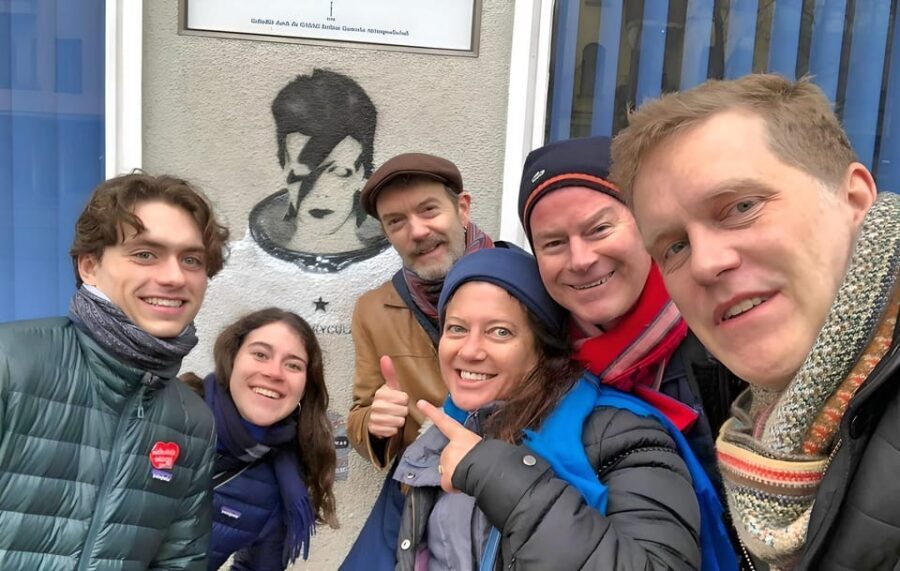
The route includes the Zoo area and the former Dschungel Club, plus Bowie’s favorite Berlin clubs and cafes. This is where the tour shifts from architecture and history to nightlife culture and creative circles.
This segment matters because Bowie’s Berlin wasn’t only about writing. It was about being around the people who turned nights into ideas. The guide’s job here is to connect what you see to the social life behind the music: the hangouts, the late energy, and the conversations that fed art.
Even if you only care about one Bowie era, you’ll likely enjoy this part because it explains why Berlin felt special to outsiders. The clubs and cafes are presented as cultural infrastructure, not just nostalgia stops.
Bowie’s flat, Iggy Pop, and the Berlin Wall: the story tightens
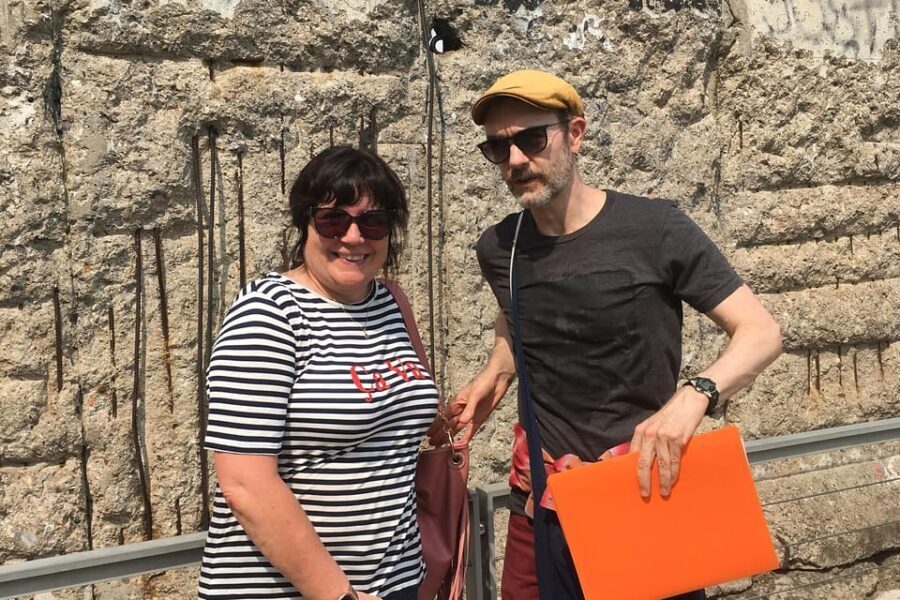
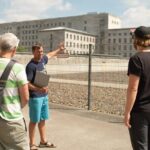
You’ll follow the trail to the flat Bowie shared with Iggy Pop, and you’ll also cover the Berlin Wall and Bowie’s former home. This is where the tour’s emotional payoff tends to show up.
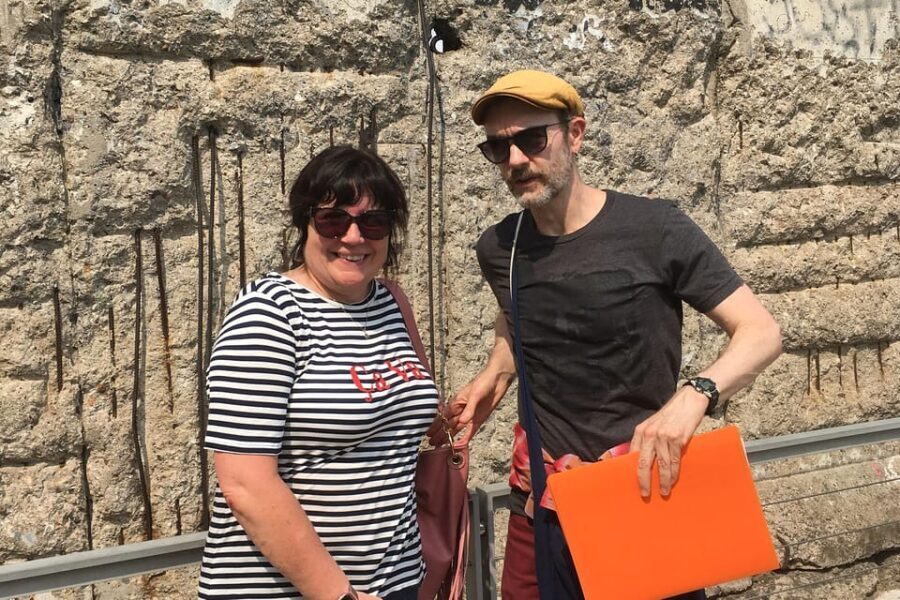
The wall stop is powerful because it’s the literal boundary shaping everyday life. For Bowie fans, seeing the Wall in the same narrative as studios and late-night hangouts sharpens the contrast between confinement and invention.
And the Iggy Pop flat reference ties together the social and creative loop. The tour helps you understand that Bowie’s Berlin years were a mix: a tense city, an international music community, and a personal life that fed the records.
A quick reality check: you’re walking a route in an active modern city. Expect street-level view points, not cinematic access. Still, these are the kind of stops that make the music feel more specific.
Cafe Neues Ufer: a fitting end to the story
The tour finishes with Cafe Neues Ufer. This cafe stop works as a breather and a bookend because it pulls you back into normal human time. You’ve walked through studios, borders, transit points, and nightlife references. Ending at a cafe makes it easier to process everything without rushing into the next activity.
If you like to compare the tour’s themes to what you hear at home, this is also a good moment to pick a playlist. Many guides incorporate audio or clips during the walk; even if they don’t, you’ll likely leave wanting to relisten to Low, Heroes, and Lodger with the neighborhoods in your mind.
Price and value: what $135 buys you in real terms
At $135 per person for a 3-hour guided walking tour, the big question is value. Here’s how I’d judge it.
You’re paying for three things that matter:
- A historian guide with an arts or academic profile, not just a script read from a pamphlet
- Time with multiple high-meaning sites, including Hansa Studios area and major Cold War landmarks
- An efficient route that uses public transport when walking alone would be too far
If you were to try to DIY all of this, you’d spend time researching, mapping transit, and filtering what’s actually tied to Bowie versus what’s merely in Berlin. This tour does that sorting for you and gives you a single story thread across sites.
Is it pricey? Yes, relative to a generic city walk. But if Bowie’s Berlin Trilogy matters to you, it’s not just a walk—it’s a structured way to understand a specific creative moment.
Getting around: plan for transit hops (and cold stops)
The tour includes public transport a few times because some distances between key sites are too far to walk. If you already have a Berlin visitor’s transit pass, you’ll be set. If you don’t, it’s advised to purchase a day metro pass.
If you can’t buy it in advance, the guide will help you purchase it at the first metro station on the tour. That’s a helpful detail because it prevents that annoying start-of-tour scramble.
My practical advice: treat this like a winter or shoulder-season city tour. Bring a layer, keep your outerwear ready, and expect short waits between transit segments.
Who this tour is best for
This tour is a strong fit if you fall into any of these buckets:
- You’re a Bowie fan who wants the Berlin Trilogy placed into real streets and real institutions
- You like music history when it’s anchored to places, not just dates
- You enjoy Berlin’s Cold War context and how culture grew in that pressure-cooker
- You’re curious about the creative social scene around clubs, cafes, and studio life
If you only know Bowie casually, you can still enjoy it. The tour can work as a Berlin history experience told through a pop-culture lens.
And if you want more discussion time, look for private or small groups available. Smaller groups usually make it easier to ask follow-ups and get clarity about references.
Should you book the Berlin Bowie walking tour?
Book it if you want a guided way to see 1970s Berlin through the specific lens of Low, Heroes, and Lodger. The best reason is the way the tour ties Bowie’s life—home, nightlife, and studio spaces—into a story that includes the Cold War realities around him.
Skip it if you’re looking for a casual, purely scenic walk with minimal historical weight. This tour’s power comes from context. It’s art and music, yes, but it’s also Berlin’s tense reality.
If you’re deciding between this and a general history walk, I’d pick this one when Bowie matters to you, because it gives you a sharper “why” for what you’re seeing. If you’re going mainly for architecture or museums, then a more general route might suit you better.
FAQ
How long is the Berlin Bowie walking tour?
It lasts 3 hours.
Where do I meet the tour guide?
You meet at Ständige Vertretung, a memorabilia-filled cafe, at Schiffbauerdamm 8, 10117 Berlin.
What sites are included on the tour?
Stops include Zoo Station/Bahnhof Zoo, Tränenpalast, Anhalter Bahnhof, Martin-Gropius-Bau, Topography of Terror, Hansa Studios, KaDeWe, the Berlin Wall, Bowie’s former home, and Cafe Neues Ufer, plus key Bowie-era nightlife locations.
Is the tour in English?
Yes, the live tour guide speaks English.
Do I need public transport tickets?
You will use public transport a few times during the tour. If you don’t already have a visitor transit pass, it’s advised to purchase a day metro pass, and the guide can help you buy it at the first metro station if needed.
Is food included in the price?
No. Food and drink are not included.
Is it worth booking if I’m not a hardcore Bowie fan?
You can still enjoy it. The tour focuses on Bowie’s Berlin, but it also explains Berlin’s creative and Cold War context through the places that shaped that era.