REVIEW · BERLIN
Berlin: City-West Walking Tour with a Real Berliner
Book on GetYourGuide →Operated by You In Berlin · Bookable on GetYourGuide
West Berlin has a different heartbeat. This lively City-West walking tour takes you past big names like KaDeWe and Breitscheidplatz, while a real Berliner connects the streets to daily life during the partition. You’ll get a fast, street-level view of how this part of Berlin became an island of freedom during the Cold War, plus clear explanations of what you’re seeing as you go.
I like two things a lot: first, you don’t just admire landmarks, you hear the human stories behind them—how West Berlin worked, what people cared about, and why the area around Zoologischer Garten mattered. Second, the small group format (up to 10 people) keeps the walk interactive, and the guide handles questions without rushing you through the sights.
One drawback to plan for: you’re on your feet for a full 2 hours in all weather and even on public holidays, so it helps to dress for walking and be ready for a busy, central-city route.
In This Review
- Key highlights to look forward to
- Getting oriented at Wittenbergplatz and finding your guide
- KaDeWe: shopping palace energy with a Berlin brain
- Europa-Center: a modern landmark that still fits the story
- Kurfürstendamm: the grand avenue, plus the “why”
- Breitscheidplatz and the Kaiser Wilhelm Memorial Church
- Savignyplatz: where the walk lands and what to do next
- Zoologischer Garten: why this traffic center became the Cold War center
- Price and value: what $43 buys you in 2 hours
- Languages, pace, and comfort on an all-weather city walk
- Who this City-West walking tour suits best
- Should you book this Berlin City-West walk?
- FAQ
- How long is the Berlin City-West walking tour?
- Where do I meet the guide for the tour?
- What are some of the main places you visit?
- Which languages are available?
- Is the tour wheelchair accessible?
- How big is the group?
- What should I wear or bring for the walk?
- Does the tour run on public holidays too?
Key highlights to look forward to
- Kurfürstendamm stroll with context that turns a famous avenue into a Cold War story
- KaDeWe and Europa-Center viewpoints that show how West Berlin “shopped like a capital”
- Breitscheidplatz and the Kaiser Wilhelm Memorial Church with memorable background and meaning
- Zoologischer Garten area insights explaining why the west became the center during division
- Practical Berlin food tips in the west, so you know where to go after the walk
- Small group energy (limited to 10) that keeps the guide-and-you conversation going
Getting oriented at Wittenbergplatz and finding your guide
The tour starts at Wittenbergpl. 26, with the meeting point at Wittenbergplatz U-Bahn station. Use the Tauentzienstraße exit, and look for the tour guide carrying the You in Berlin flag. Even if you’ve only just arrived in town, this is a helpful place to begin: it’s central, well connected, and easy to reach on foot or by transit.
The first few minutes matter more than you’d think. You get a quick sense of the route and pacing, and the guide frames what you’ll focus on—West Berlin’s identity, not just postcard views. That sets you up to “read” the buildings as you pass them, not just move from one stop to the next.
Plan to wear shoes you can walk in for a steady 2 hours. This isn’t a sit-down museum tour. It’s a city walk, so you’ll want to feel comfortable enough to pause, listen, and take photos without feeling rushed.
You can also read our reviews of more walking tours in Berlin


KaDeWe: shopping palace energy with a Berlin brain
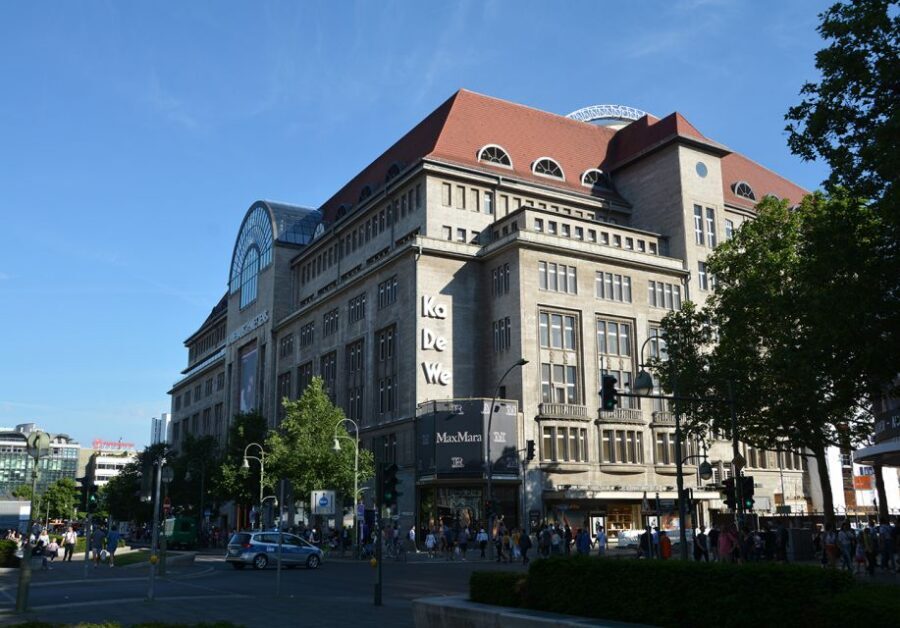
One of the big reasons this walk works is that it uses the most recognizable shopping landmarks to explain a political and cultural point. KaDeWe is the first major stop, and it’s more than a department store façade. The guide points you toward what made West Berlin’s consumer culture feel like a statement—especially during the years when the city was divided.
What you’ll likely notice is how the area around KaDeWe reflects the mindset of the west: confidence, variety, and a sense that Berlin was still a world-class city. You’ll also get context for why a place like this mattered beyond shopping. In a divided city, culture and daily life still needed symbols, and retail districts became part of that story.
If you’re the type who loves practical details, this stop can guide your next meal plans too. While KaDeWe itself is a destination, the tour’s broader promise includes learning where to taste typical Berlin food in the west—so the shopping palaces are also a map to later exploring.
Europa-Center: a modern landmark that still fits the story
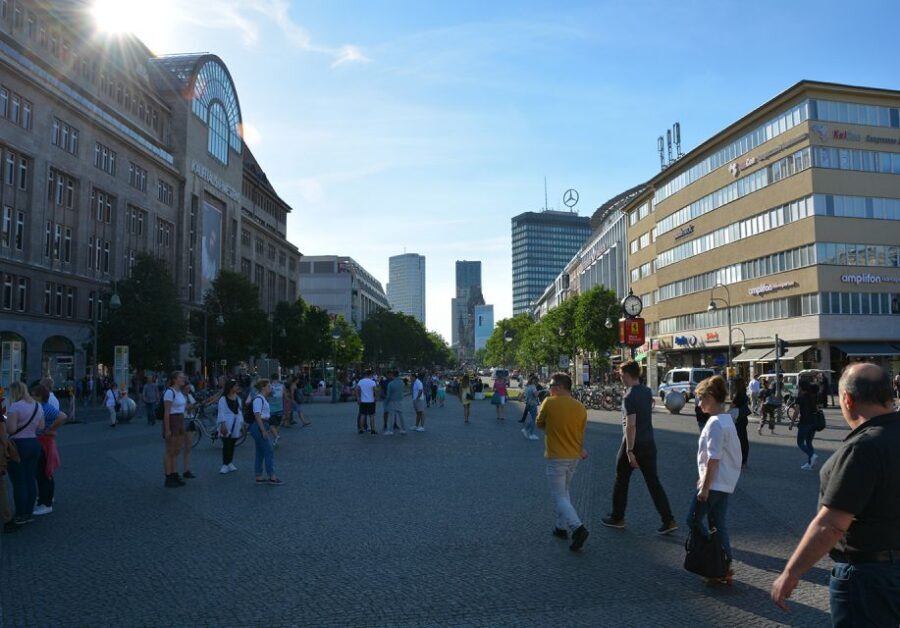
From KaDeWe, you’ll move to the Europa-Center. This is one of those sights that people recognize because it’s central, but it becomes much more meaningful when someone explains how it fits into the west’s identity.
The point here isn’t architectural trivia for trivia’s sake. It’s about showing how this part of Berlin evolved into a key meeting ground—where people lived, worked, shopped, and moved through the city. The guide’s explanations help you see continuity: how the west kept building momentum even with division shaping daily life.
As you walk, keep an eye on how streets and buildings funnel movement. That’s part of the tour’s hidden value: you’re learning Berlin’s layout the way locals experience it, which makes the rest of your trip easier once you’re on your own.
Kurfürstendamm: the grand avenue, plus the “why”
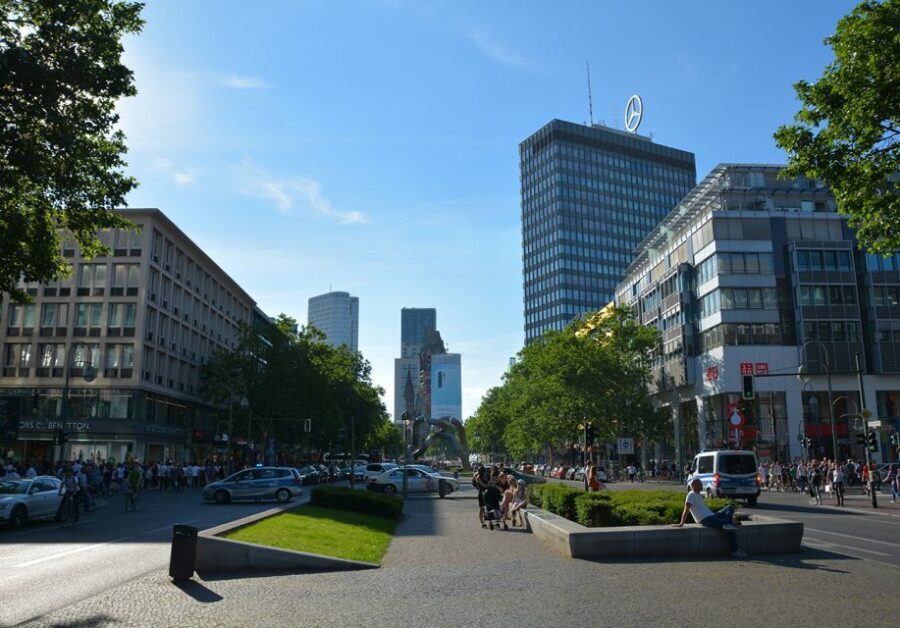
Kurfürstendamm is the main drag of Berlin City-West, and this tour treats it like the spine of the story. You’ll be on the avenue long enough to feel its scale—wide sidewalks, big intersections, nonstop movement—and the guide connects that energy to the “golden twenties” atmosphere and then to what happened later during division.
This is where the walk becomes more than sightseeing. You’ll hear why this area grew into a center of West Berlin in the Cold War years. The tour frames it as an island of freedom: a place where the city’s western side developed its own identity, its own rhythm, and its own cultural pull.
You don’t need to know history to enjoy this part. The guide does the translation—turning big events into street-level understanding. You’ll also likely pick up practical city navigation cues, so when you’re walking around later, you’ll know what you’re moving toward instead of guessing.
Breitscheidplatz and the Kaiser Wilhelm Memorial Church
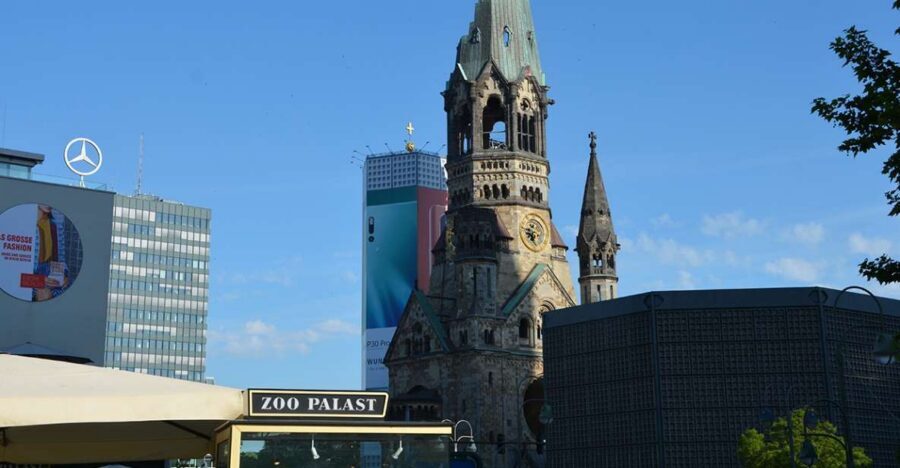
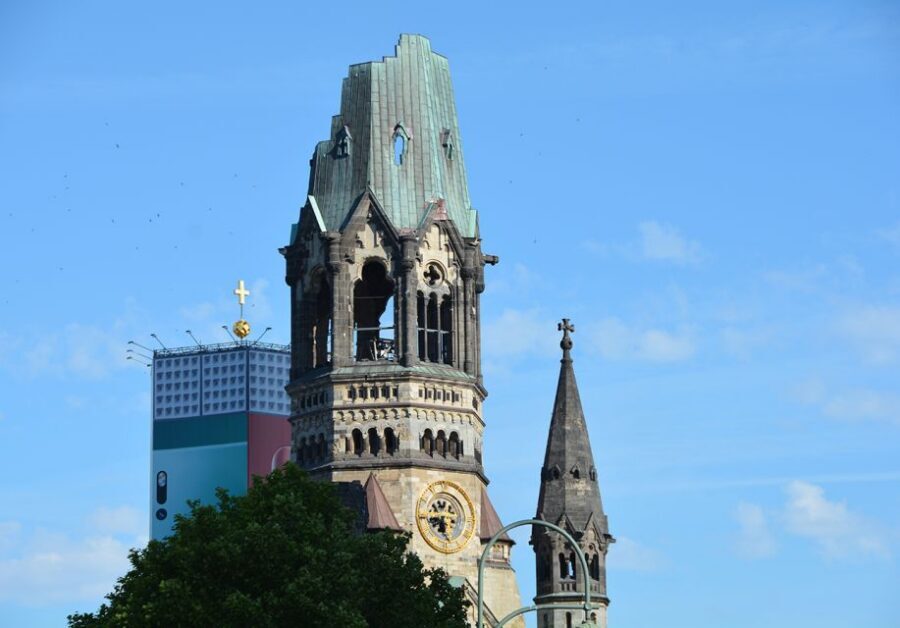
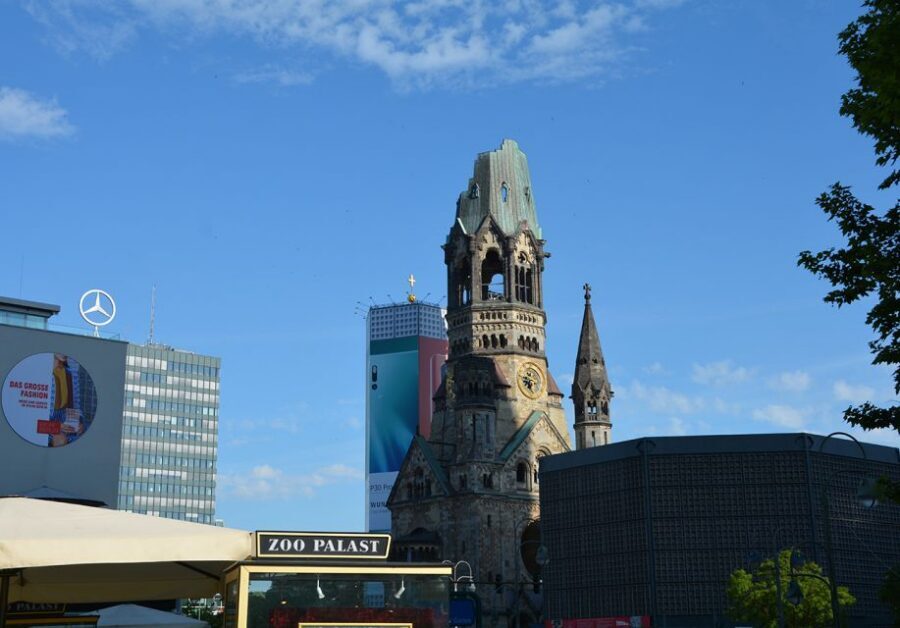
At Breitscheidplatz, you’ll see the Kaiser Wilhelm Memorial Church, one of Berlin’s most recognizable memorial landmarks. It’s a stop that benefits from a guide who can explain meaning without turning it into a lecture.
The church works on two levels: visually, it’s unforgettable; emotionally, it represents the scars and the rebuilding that came after major disruption. The tour uses this site to connect Berlin’s physical landmarks to what people lived through in the divided city era.
This is also a helpful contrast point. After walking through commercial grandeur at KaDeWe and along Kurfürstendamm, you get to a space that forces a different kind of attention. That shift makes the whole tour feel balanced, not like a parade of only happy, shiny places.
You can also read our reviews of more city tours in Berlin

Savignyplatz: where the walk lands and what to do next
The tour finishes at Savignyplatz, with Savignyplatz also included as a stop along the way. By the time you reach the finish, you’ll have a clearer sense of what City-West is and how to move within it.
Savignyplatz works well as a finale because it feels more like a neighborhood hub than a single landmark zone. That means you can end the walk without feeling like you’re stuck at a giant monument or a shopping-only corridor. It’s a good place to reset, check your map, and choose where to go for the rest of the day.
If you’re planning your schedule, treat Savignyplatz as your launching point. Since the tour includes hints about where to find typical Berlin food in the west, you’ll be able to pick a direction rather than randomly searching after the walk ends.
Zoologischer Garten: why this traffic center became the Cold War center
You’ll also spend time in the orbit of Zoologischer Garten, a major transportation and traffic hub. The tour uses this location to explain something that’s easy to miss when you’re just passing through Berlin: movement and infrastructure can influence political and cultural gravity.
In a divided city, the “center” wasn’t only about geography. It was about access, flow, and how people experienced daily life. By explaining how Zoologischer Garten fed into West Berlin’s development, the guide helps you understand why this area became so important during the Cold War.
Even if you don’t plan on using it immediately, you’ll remember it later when you start getting around. Learning the layout while it’s fresh makes future transit feel easier, and you avoid the annoying experience of realizing you’ve been walking in the wrong direction for far too long.
Price and value: what $43 buys you in 2 hours
At $43 per person for 2 hours, the value depends on what you want from Berlin. If you want a guided history thread through the city west, this is a fair use of time. You get a professional guide, a focused route through major landmarks, and the kind of explanations that help you connect places to context.
The biggest value booster here is the small group size: limited to 10 participants. That matters because it keeps the walk from turning into a line. You’re more likely to get your questions answered and keep up with the route without the guide constantly waiting for stragglers.
Also, you’re not paying just for sightseeing. You’re paying for interpretation: West Berlin’s atmosphere, how the area functioned during division, and how Berlin’s culture and creative lifestyle show up even in the street scene. If you’re the type who learns faster when someone points out what to notice, you’ll feel this price is working for you.
Languages, pace, and comfort on an all-weather city walk
This tour runs with a live guide in German, English, and Italian. That’s useful if you’re traveling as a mixed-language group or if you want to switch to your strongest language for the history parts.
Pacing is another consideration. Because it’s a walking tour along major city streets, you should expect a steady walking rhythm. The route includes central landmarks like KaDeWe and the Kaiser Wilhelm Memorial Church, which means there can be crowds and pedestrian traffic. Still, you’re in a small group, so the guide can handle question moments and stops.
You’ll also want to dress for all weather conditions. Berlin walking can be surprisingly changeable, even when you think the forecast looks calm. Bring a light layer you can adjust, and if you’re going in warmer months, plan for cooling breaks—especially since the walk can cover busy squares and shopping streets where shade isn’t always guaranteed.
Who this City-West walking tour suits best
This is a great fit if you want West Berlin history without getting stuck in facts without meaning. I think it works especially well for:
- First-timers who want their bearings in City-West
- People who enjoy architecture and city planning, but want the human story too
- Travelers who like walking at a comfortable pace with time to ask questions
- Anyone interested in how Berlin’s identity changed during division and then after
It may be less ideal if you’re hoping for a slow, mostly quiet tour with lots of seating time. This route is central, active, and designed for walking and storytelling on the move.
Should you book this Berlin City-West walk?
Yes, I’d book it if your goal is to understand Berlin’s west through the places you’ll actually recognize—Kurfürstendamm, KaDeWe, Breitscheidplatz, and the Zoologischer Garten area. The tour’s blend of landmark viewing and practical context makes it a smart first-pass experience, especially if you want to explore more on your own right afterward.
Skip it only if you don’t like walking in busy central neighborhoods or if you want very deep history that stays anchored in one topic for the full duration. For most people, though, this is a strong, time-efficient way to turn City-West from a list of sites into a coherent story you can remember.
FAQ
How long is the Berlin City-West walking tour?
It lasts 2 hours.
Where do I meet the guide for the tour?
Meet your guide at Wittenbergplatz U-Bahn station, at the Tauentzienstrasse exit, looking for the You in Berlin flag.
What are some of the main places you visit?
You’ll pass through and see KaDeWe, the Europa-Center, Kurfürstendamm, the Kaiser Wilhelm Memorial Church at Breitscheidplatz, and finish at Savignyplatz. You’ll also hear stories tied to the area around Zoologischer Garten.
Which languages are available?
The live guide offers German, English, and Italian.
Is the tour wheelchair accessible?
Yes, the tour is wheelchair accessible.
How big is the group?
It’s a small group limited to 10 participants.
What should I wear or bring for the walk?
Wear suitable clothes for a walking tour, and expect the tour to run in all weather conditions.
Does the tour run on public holidays too?
Yes, it takes place in all weather conditions and on all public holidays.