REVIEW · BERLIN
Berlin: Berlin Wall and the Cold War Walking Tour
Book on GetYourGuide →Operated by Original Berlin Walks GmbH · Bookable on GetYourGuide
Berlin’s Wall still has a pulse. On this Berlin Wall and Cold War 2-hour walk at the Bernauer Straße Wall Memorial, a licensed guide turns the GDR into real people and real choices. I love the chance to stand where the border was lethal and hear how the regime worked, including Tunnel 57 and the ghost stations.
Guides such as Nathan or Rebecca tend to keep the group engaged and explain heavy topics in plain language. One thing to plan for: this is a serious memorial walk with emotional subject matter, so wear comfy shoes and expect a focused, respectful pace.
In This Review
- Key takeaways before you go
- Why Bernauer Straße hits harder than the photo stops
- Your 2-hour walking route: start, transit, and the memorial focus
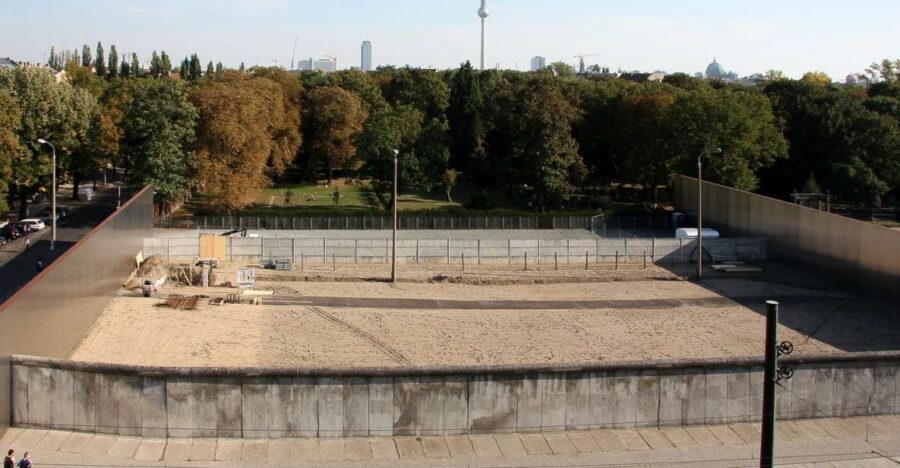
- Standing on the death strip: walls, barriers, and a watchtower you can see
- Cold War everyday life in the GDR: spying was part of daily routine
- Tunnel 57 and the ghost stations: escape stories with real stakes
- What the guide does well: story structure, engagement, and clarity
- Price and value: is $23 worth a Wall Memorial walk?
- How to get the most out of a memorial walk (without turning it into a checklist)
- Who this tour suits best
- Should you book the Berlin Wall and Cold War walking tour?
- FAQ
- How long is the Berlin Wall and Cold War walking tour?
- What does the tour include?
- Where does the tour start?
- Does the tour use public transport?
- Are there options for group size?
- What languages are offered?
- What themes will the guide cover?
Key takeaways before you go
- Bernauer Straße Wall Memorial guide-led stories that focus on daily life, not just dates
- The original death strip you can actually see, with walls, barriers, and a watchtower
- Tunnel 57 and the ghost stations explained in context of escape and border control
- Cold War details that connect to behavior, like spying and the fear of the secret police
- Small-group or private options available, plus the chance to skip the ticket line
Why Bernauer Straße hits harder than the photo stops

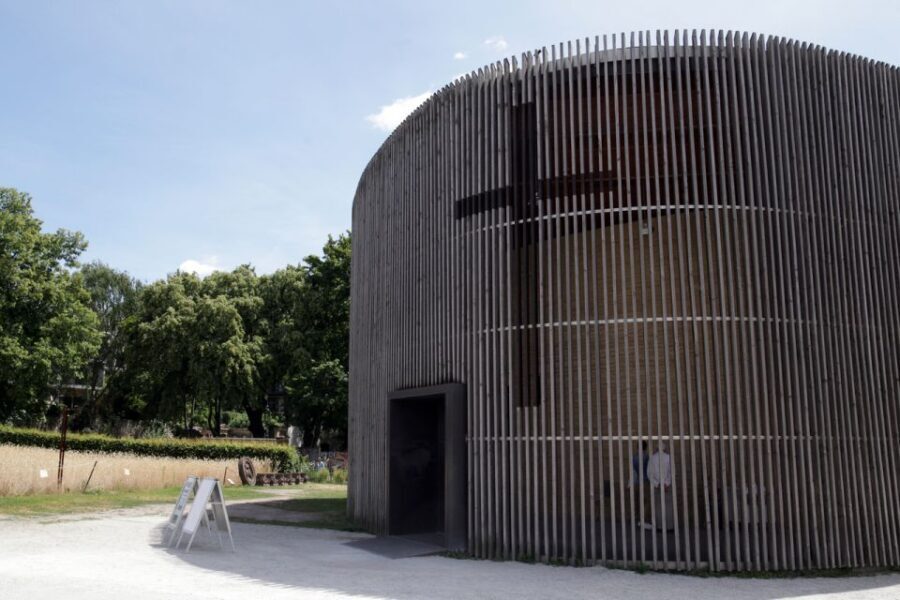
Bernauer Straße is one of the most direct places to understand how the Berlin Wall cut the city. You’re not just looking at a monument from the outside. You’re in the area where the border regime was laid out to control movement and punish escape attempts.
I like that the tour leans into how the Wall shaped everyday choices in East Germany. You hear about neighbors watching neighbors and how the climate of fear changed normal life. That matters, because the Cold War wasn’t only tanks and speeches. It was pressure inside apartments, rumors on stairwells, and people weighing risk in seconds.
If you’ve seen a lot of generic “Wall history” before, this feels sharper. It’s anchored in specific border features you can point to—walls, barriers, and the watchtower—and then the guide connects those visuals to escape attempts and the people who tried anyway.
You can also read our reviews of more walking tours in Berlin



Your 2-hour walking route: start, transit, and the memorial focus
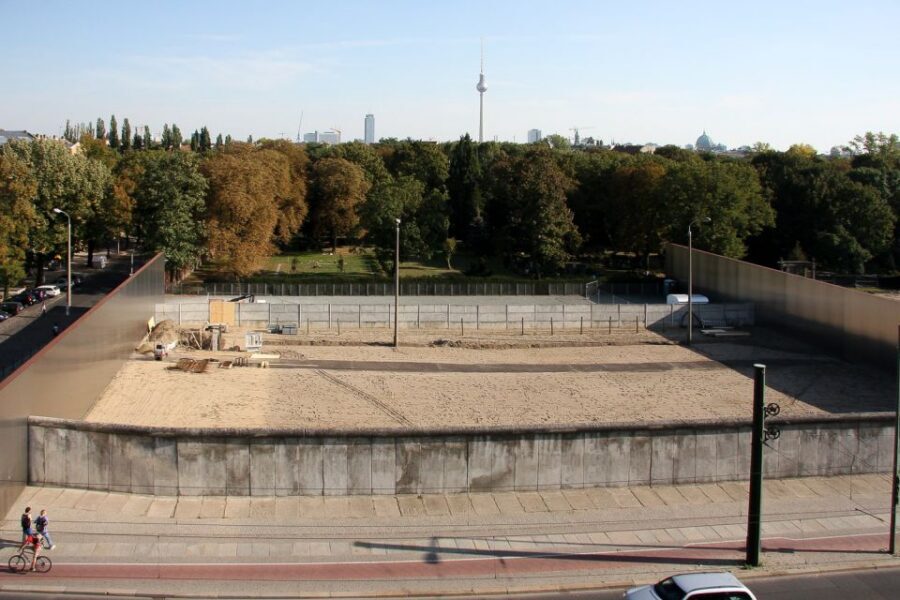
This is a tight, two-hour format. Your session begins at one of two starting points depending on what you book; one option listed is a Starbucks on Gartenstraße 85. Expect some time using public transport if needed, and then you’ll shift into the memorial area for the main guided walkthrough.
What you can expect from the pacing: you’re there to learn, not to wander. The guide keeps you moving along the most meaningful viewpoints, stopping where details matter—like how the border corridor was designed and why certain escape methods were attempted.
Also note the practical side: the tour includes skipping the ticket line, so you can spend more time in guided story mode and less time waiting. And since there’s an English-speaking guide (with options in German too), you’re not stuck reading signs or piecing together the story on your own.
A small caution: because it uses public transport, make sure you select the option that matches your situation (you may need to account for a train ticket). It’s a simple thing, but it prevents last-minute stress.
Standing on the death strip: walls, barriers, and a watchtower you can see
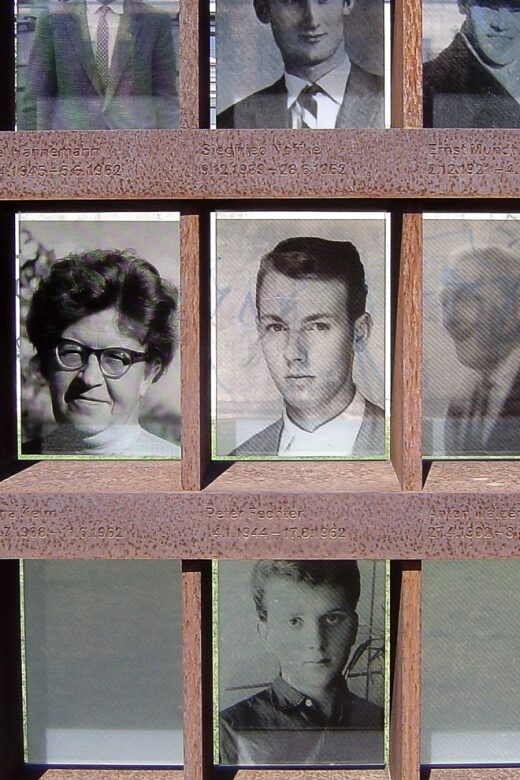
The headline moment is getting visual on the original death strip. From there, the tour builds outward: how the area was controlled, how visibility and access were managed, and why the border looked the way it did.
The guide’s value here is translation. It’s easy to look at a “wall” and think it’s one object. But the border system was a whole setup—walls, barriers, and the presence of watch and enforcement. Once you see those elements together, the logic of the regime becomes more understandable, even if it’s chilling.
You’ll also hear how the Wall was set up quickly, including the fact that it was arranged in 1961 in a sudden, almost overnight way. That detail changes the story. It frames the Wall less like a long-term border plan and more like a shock that forced people to react before they could adjust.
If you’re the type who likes to understand cause-and-effect, you’ll appreciate how the guide ties each visible feature to a human consequence. It’s not just engineering. It’s risk.
Cold War everyday life in the GDR: spying was part of daily routine
This tour does a good job of explaining how East Germany functioned socially, not only politically. A key theme is how the GDR encouraged neighbors to spy on one another. That didn’t stay in political documents; it affected who trusted whom.
I like how the guide’s stories stay grounded in the scale of real life. You hear about daring escape attempts, yes, but you also learn the everyday pressure behind them. When people fear being reported, even routine movements can feel dangerous.
The tour also brings in the secret police topic directly. You’re not left with vague mentions. The guide discusses what this meant for people on both sides of the border regime—why information mattered, and why the cost of being caught was so high.
One thing to watch for as you listen: try to keep track of the human decisions. The Wall system didn’t simply “prevent” escape. It reshaped behavior, created incentives to report, and punished mistakes. That’s the part that lingers after the walking stops.
Tunnel 57 and the ghost stations: escape stories with real stakes
A strong part of this experience is how it talks about escape attempts beyond the obvious. You’ll hear about Tunnel 57, which is highlighted as part of the story, along with the idea of ghost stations.
Tunnel stories matter because they show persistence—and because they’re a reminder that people didn’t only try to run. Some tried to plan, dig, coordinate, and exploit gaps in a heavily controlled environment. Even when the outcome wasn’t what people hoped for, the attempts reveal a stubborn refusal to accept a trapped life.
Ghost stations add another angle: how the infrastructure of transit could be pulled into the border logic. The tour uses those “in-between” spaces to show the Wall’s reach. It wasn’t only street-level barriers. It was control over movement, including through places people associate with travel and escape.
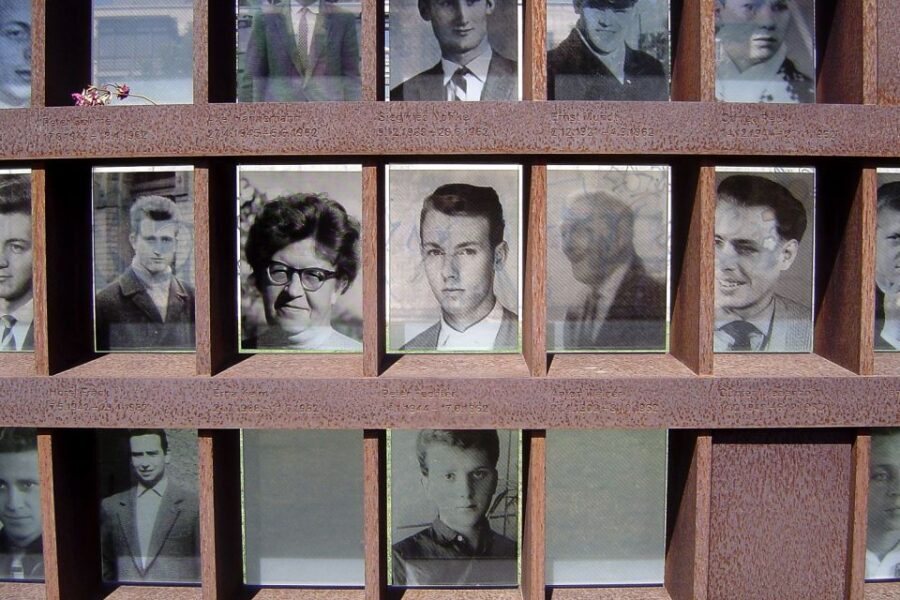
The guide also covers victims of the border regime. That’s important context. The tour isn’t written as a cool “how-to” on escaping. It’s focused on what people risked and what happened to those caught up in the system.
When it’s done well, this section makes the Cold War feel less like a distant conflict and more like a set of choices with heavy consequences. That’s exactly what you want from a Wall memorial walk.




What the guide does well: story structure, engagement, and clarity
A tour like this can go wrong in two ways: either it turns into a lecture full of dates, or it turns into a collection of grim moments without meaning. This one is structured to avoid both.
The standout quality is the guide-led flow. Past participants have specifically praised guides like Nathan for keeping the group engaged and clearly caring about the history. Others, including Rebecca, are noted for being very informative. Even if you don’t know the name of your guide in advance, the pattern you’re looking for is clear: explanations that connect, not just facts recited.
You’ll likely appreciate the way the stories are scaled for a walking group. Expect stops where you can look at what the guide is describing—death strip features, barriers, watchtower presence—then hear the related story immediately. That rhythm helps you remember. It also helps you understand what you’re seeing without constantly staring at signage.
One practical tip: if you have questions, ask them. The tour is set up around live guidance, so your curiosity fits the format.
Price and value: is $23 worth a Wall Memorial walk?
At $23 per person for a 2-hour guided experience, this is strong value—mainly because you’re paying for interpretation, not just access. Bernauer Straße is an open-air memorial setting, and getting the story from a licensed guide changes how you read it.
Two value points matter most:
- You’re guided through the most meaningful parts with explanation of the border regime and escape attempts.
- You skip the ticket line, so the money goes toward learning time, not waiting time.
Is it a luxury tour? No. It’s a focused history walk. But if you want something that’s accurate, guided, and built around the key border themes (death strip, watchtower, Tunnel 57, ghost stations), the cost-to-time ratio is fair.
It’s also reassuring that it’s rated around 4.7 out of 5 across 12 reviews. That’s not an endless sample size, but it does suggest consistent performance.
How to get the most out of a memorial walk (without turning it into a checklist)
You’ll get more from this tour if you treat it like a guided conversation with a somber subject. Here’s how I’d approach it so you come away with understanding rather than just photos:
- Take in the layout first, then listen to why it mattered. The death strip visuals help the later escape stories click.
- Track themes: spying and fear of the secret police, border enforcement, escape attempts, and what happened to victims.
- Ask for clarity on the connections between infrastructure and behavior. The best moments are when the guide ties walls and barriers to human choices.
Also, plan for comfort. You’ll be walking outdoors for about two hours. The memorial setting can be emotionally heavy, so give yourself a calm mindset. Don’t schedule something tightly afterward that forces you to rush through your feelings.
If you’re traveling with someone who wants lighter topics, it may not match that mood. But if you want real Cold War context in a guided format, this is exactly the right kind of stop.
Who this tour suits best
This is a good fit if you want:
- a guided walk through Bernauer Straße Wall Memorial with licensed interpretation
- Cold War context that includes everyday life in the GDR, not just major political events
- key border themes such as the death strip, Tunnel 57, and ghost stations
It’s especially strong for first-timers to Berlin’s Wall story who feel overwhelmed by how many Wall-related sites there are. You get a focused route and a clear narrative arc in two hours.
It may be less ideal if you want a purely scenic walk, or if your group needs a short, cheerful activity. This is history with consequences.
Should you book the Berlin Wall and Cold War walking tour?
I’d book it if you care about understanding how the Wall worked in real life, not just seeing a wall. The combination of death strip visuals, stories of daily GDR life, and specific escape-related topics like Tunnel 57 is exactly what makes this tour worth your time.
Choose it if you also appreciate guided clarity. With a licensed English-speaking guide and an approach built around live explanation, you’re far more likely to leave with a coherent picture of how the border regime functioned.
If your schedule allows only one Wall-focused walking tour and you want it concentrated, this one is a smart pick.
FAQ
How long is the Berlin Wall and Cold War walking tour?
The tour duration is 2 hours.
What does the tour include?
It includes an English-speaking live guide and guided time at the Berlin Wall Memorial. It also includes skipping the ticket line.
Where does the tour start?
The meeting point may vary depending on the option booked. One listed starting point is Starbucks on Gartenstraße 85.
Does the tour use public transport?
Yes. The tour uses public transport, and you should select the appropriate option depending on whether you need a train ticket or already have one.
Are there options for group size?
Yes. Private or small groups are available.
What languages are offered?
The tour is available with English and German.
What themes will the guide cover?
You’ll see and learn about the original death strip with watchtower, walls, and barriers, plus stories of everyday life in the GDR, daring escape attempts, Tunnel 57, ghost stations, and victims of the border regime.