REVIEW · BERLIN
Third Reich and the Holocaust in Berlin Private Guided Tour
Book on GetYourGuide →Operated by Rosotravel Germany · Bookable on GetYourGuide
Berlin forces the story into the street. This private Third Reich and Holocaust walking tour connects what you see inside museums to the exact Old Town places tied to Nazi power, war, and propaganda. I especially like the history expert-guide approach, and I like how the route pairs major memorial stops with clear explanations you can pace to your own questions. One drawback: the material is heavy, and a 5-hour walk asking you to pay attention to atrocities isn’t a good fit if you want light, casual sightseeing.
You’ll get live commentary in your chosen language, and because it’s private, the guide can slow down or move on depending on what grabs you. If you’re a first-timer in Berlin, this is one of the fastest ways to get your bearings around the WWII story line without getting lost in dates and names.
Guides can be top-tier specialists; for example, I’ve heard of guides like Silvia (a WWII-focused historian), Manfred (easygoing, conversation-style storytelling), and Gunnar (strong guide for the full route). You’ll still want to bring a respectful mindset and be ready for a serious, sometimes uncomfortable walk.
In This Review
- Key Things You’ll Notice on This Tour
- Berlin’s Old Town Turns WWII Into a Walkable Story
- What the Private Guide Model Does Right (and Where It Can Feel Intense)
- Topography of Terror: Former Gestapo and SS Headquarters as the Classroom
- Potsdamer Platz, the Reichstag, and Brandenburg Gate: Propaganda Meets Power
- Potsdamer Platz: Where Allied zones collided
- The Reichstag building: 1933 as a turning point
- Brandenburg Gate: A symbol used for propaganda
- The Memorial to the Murdered Jews of Europe: A Stop That Demands Thought
- The 5-Hour Add-On: Friedrichstraße and the Train-Linked Memorial
- Jewish Quarter Stops and Otto Weidt’s Blindenwerkstatt
- Jewish Quarter and the surviving New Synagogue area
- Otto Weidt: a human story inside the WWII machinery
- Timing, Pacing, and How to Get the Most From 5 Hours
- Price and Value: Is $219 per Person Fair for This Route?
- Who This Tour Fits Best
- Final Call: Should You Book This Berlin Third Reich and Holocaust Tour?
- FAQ
- How long is the tour?
- Is this tour private?
- Where do I meet the guide?
- Which places are included in the 5-hour option?
- Is Otto Weidt’s Blindenwerkstatt included?
- What stops are included on the Old Town route?
- What additional stops are on the 5-hour route?
- What languages are available?
- Do I need to buy museum tickets separately?
- What if I need to change plans?
Key Things You’ll Notice on This Tour

- Topography of Terror in the former Gestapo/SS headquarters: history with walls that still feel like a crime scene
- A private format with real attention to your pace and interests
- Major WWII landmarks in one connected route: Potsdamer Platz, Reichstag area, Brandenburg Gate
- Memorial time that doesn’t feel rushed: the Memorial to the Murdered Jews of Europe plus more war memorials
- The emotional human scale of Otto Weidt at Blindenwerkstatt Museum
- Extra 5-hour stops in the Jewish Quarter including Trains to Life – Trains to Death and the area around the surviving New Synagogue
Berlin’s Old Town Turns WWII Into a Walkable Story
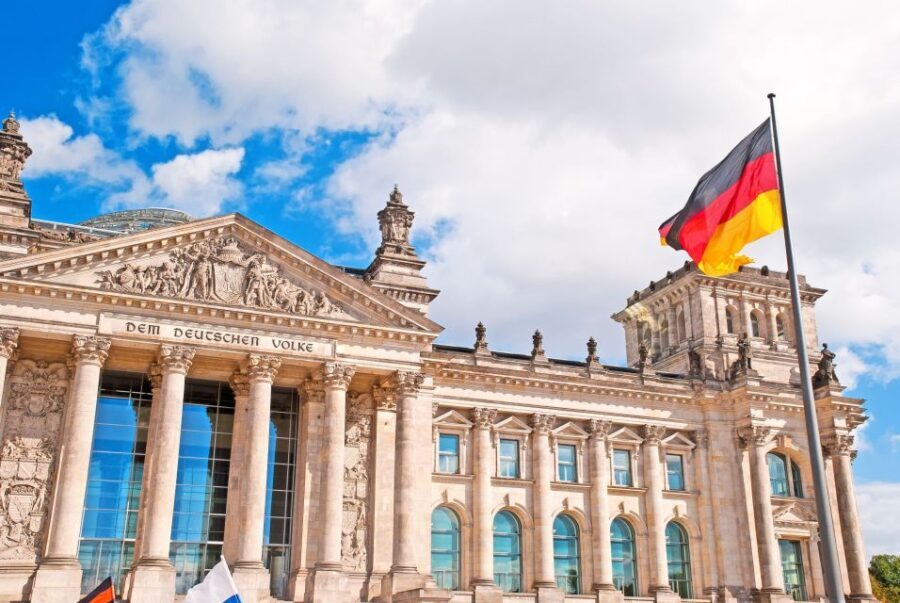
Berlin is one of the most intense places in the world to learn about the Third Reich and the Holocaust, and it’s not only because of famous museums. It’s because the city layout still gives you geography. You’re not just reading about power and persecution—you’re seeing the urban stage where Nazi Germany operated, rallied, and then collapsed.
This is what makes a guided approach so useful. Without context, Berlin can feel like a pile of monuments. With a good guide, those same monuments become a timeline you can physically follow—where propaganda happened, where war decisions echoed, and where the consequences were etched into memory.
The “private” part matters too. Nazi Germany history is dense. In a crowd, you lose the chance to ask the one question you actually came for. Here, the guide can respond to your curiosity in real time, and the tempo can adjust to your stamina.
You can also read our reviews of more guided tours in Berlin



What the Private Guide Model Does Right (and Where It Can Feel Intense)
This tour is built around a licensed history expert-guide with live commentary in English, French, Russian, Spanish, Italian, German, or Polish. That language support is practical: it helps you focus on the meaning instead of decoding translation.
The private pacing is another real advantage. If you want to linger at a memorial, you can. If you’re the type who needs the story straight through (names, dates, cause and effect), the guide can keep the flow. That flexibility is especially helpful on a route that mixes museum time with outdoor stops.
The tradeoff is emotional load. This is not a “fun facts” walk. You’re looking at WWII sites and Holocaust memorials, and the guide will frame what happened with the reality of persecution and murder. If you’re sensitive to the subject, plan your day carefully and give yourself a quiet buffer afterward.
Topography of Terror: Former Gestapo and SS Headquarters as the Classroom
Your tour starts at the Topography of Terror, one of the strongest anchors for understanding how the Nazi regime functioned. You’re not entering a random museum building. The exhibition sits in the former headquarters area tied to the Gestapo and the SS, so the setting reinforces the message.
Here’s what you’ll gain from this stop: the tour doesn’t just list atrocities. It connects the Nazi rise to power, the machinery of terror, and how propaganda and state violence fed each other. The guide’s job is to make those connections understandable, not overwhelming.
This is also where you’ll pick up vocabulary and themes you’ll need for the rest of the walk. When you later see places used in Nazi-era theater—rallies, political staging, and symbolic buildings—you’ll recognize the pattern the guide has been building.
A practical tip: give yourself permission to pause. Museum exhibits about this period can feel relentless. If the pace feels fast on your first pass, it’s okay to ask the guide to point out the key panels or lines you should focus on first.
Potsdamer Platz, the Reichstag, and Brandenburg Gate: Propaganda Meets Power
After Topography of Terror, you move through Berlin’s Old Town, and the stops start to feel like a connected film set.
Potsdamer Platz: Where Allied zones collided
Potsdamer Platz is part of the tour because it represents the moment Berlin became a battlefield between Allied powers. The guide will frame it as a place where boundaries between zones met when the city was being liberated. Even if you don’t know Berlin’s division story yet, your guide should help you place that in your head.
You can also read our reviews of more private tours in Berlin


The Reichstag building: 1933 as a turning point
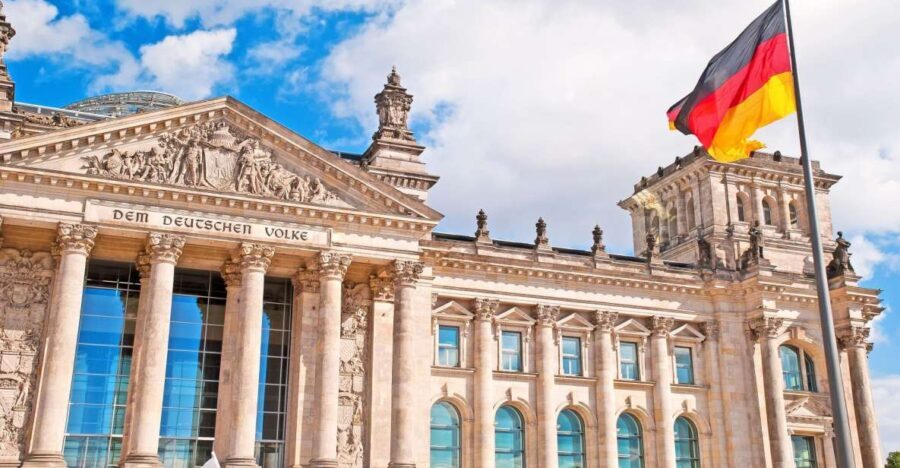
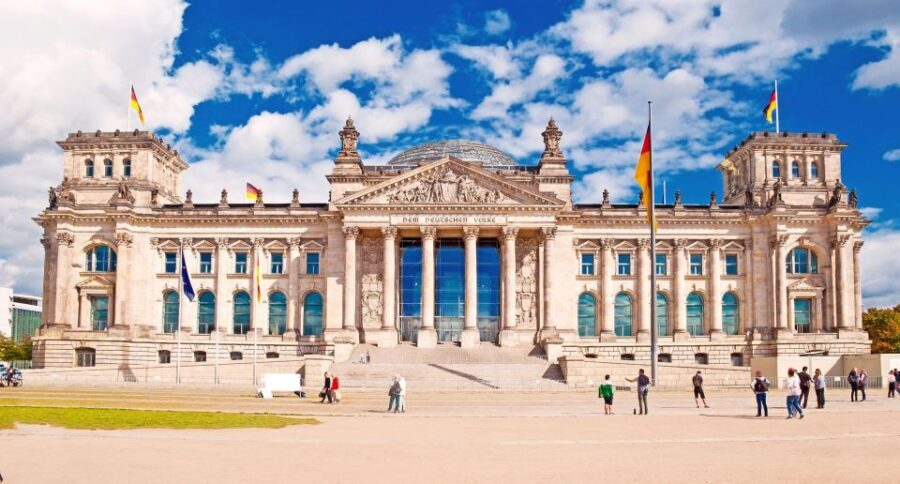
You’ll also see the Reichstag building, described in the tour route as the former parliament that burned down in 1933. The point here isn’t just the building itself. It’s what happened politically around that moment—how the Nazi regime used the climate of fear and crisis to tighten control.
Brandenburg Gate: A symbol used for propaganda
The Brandenburg Gate shows up because it’s tied to how Nazis used famous architecture as a backdrop for propaganda rallies. It’s a reminder that symbolism is a weapon. The gate isn’t only a photo spot; your guide will explain how public spectacle can normalize ideology and hide brutality behind spectacle.
If you’re tempted to rush these outdoor landmarks for photos, don’t. The value of the tour is in turning those iconic buildings into historical evidence.
The Memorial to the Murdered Jews of Europe: A Stop That Demands Thought
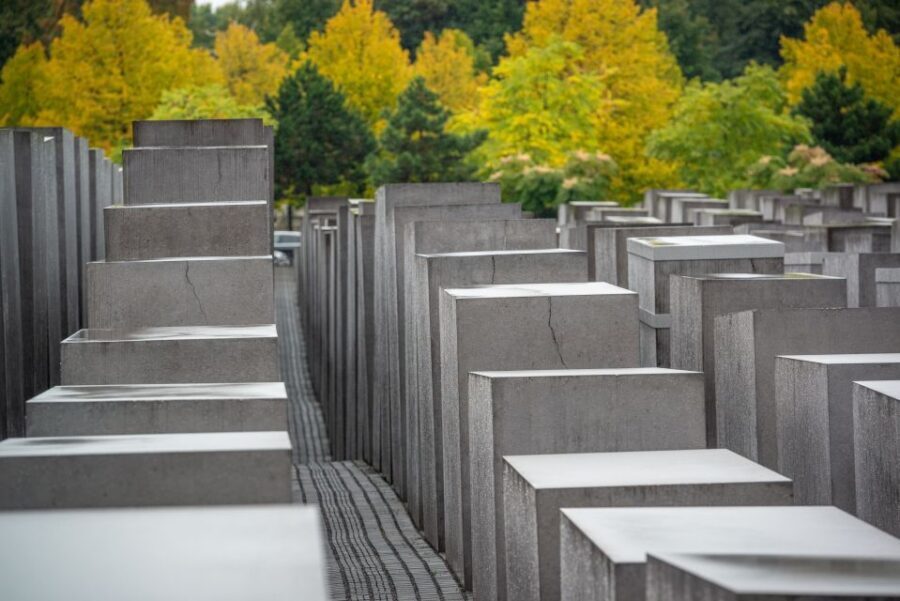
Next comes a very important moment: the Memorial to the Murdered Jews of Europe, created for the six million Jewish victims of the Holocaust.
This stop works best when you treat it as more than a checkbox. The guide’s explanations help you understand what the memorial is trying to hold: the scale, the identity of the victims, and the fact that this was not abstract policy. It was mass murder of real people.
The tour context matters here. By the time you reach this memorial, you’ve already heard about how Nazi persecution escalated and how propaganda and terror systems were built. So the memorial isn’t floating in time. It becomes the end-point of a process you’ve been walking through.
The 5-Hour Add-On: Friedrichstraße and the Train-Linked Memorial
If you choose the 5-hour option, you get a deeper layer of the story with additional stops beyond the main Old Town sites.
One named highlight is Friedrichstraße, described as one of Berlin’s most famous streets. The guide uses it to connect daily urban space to wartime and deportation reality—an important theme in Holocaust education: history didn’t only happen in distant camps. It happened through the city’s institutions, routes, and systems.
You’ll also see the monument named Trains to Life – Trains to Death, which commemorates children murdered during the Holocaust. This is a heavy stop, and it’s included for a reason: it insists on the human stakes, especially when victims were children. Your guide should help you understand why that particular memorial form matters.
If you want a tour that stays focused on the big Nazi political storyline only, the extra 2 hours might feel like more emotion than you expected. But if you’re seeking meaning—and you want the story to include victims clearly rather than only discussing perpetrators—this added time is where the tour becomes more than a sightseeing walk.
Jewish Quarter Stops and Otto Weidt’s Blindenwerkstatt
The 5-hour route also includes the Jewish Quarter and a visit to the Blindenwerkstatt Museum about Otto Weidt.
Jewish Quarter and the surviving New Synagogue area
The tour route calls out the Jewish Quarter and notes the surviving New Synagogue. That matters because it gives a sense of endurance alongside destruction. Even when buildings and communities were broken, life and identity still fought to continue.
Otto Weidt: a human story inside the WWII machinery
The Otto Weidt section is one of the most powerful parts of this experience. Otto Weidt employed mostly blind and deaf Jewish workers in his workshop during World War II, and the Blindenwerkstatt Museum tells that story.
Why this works so well in a tour like this: you’re not only hearing about systems of persecution. You’re also hearing about individuals who created small spaces of resistance and survival. It doesn’t erase the horror that came before and after—but it adds the missing dimension of what people did with the choices they had.
In the same tour, you move from propaganda symbols and state terror into a workshop story. That contrast is useful. It helps you remember that history is made of people, not only governments.
Timing, Pacing, and How to Get the Most From 5 Hours
At 5 hours, you’re balancing indoor museum time with an outdoor walk through multiple major sites. That means you should expect two things:
- You’ll cover a lot, but you won’t get the kind of “stand, photo, move on” rhythm that frustrates people who want explanation.
- Your feet will notice the duration.
The private format helps because the guide can respond if your attention needs a reset. You can also control how you spend your energy: focus on the story first, then take photos after you understand what you’re looking at.
One more practical point: check your email the day before the tour for important information. Berlin tours run smoothly, but details still matter—especially for meeting points.
Price and Value: Is $219 per Person Fair for This Route?

At about $219 per person for 5 hours, you’re paying for three things that are hard to replicate with a self-guided route:
- A licensed guide who can explain how Nazi power and Holocaust persecution connect across multiple sites
- Private flexibility so you can ask questions and set your pace
- A specific addition—Otto Weidt and the Jewish Quarter—that often gets skipped or rushed by general WWII tours
If you’re someone who wants to understand what you’re seeing (not just where things are), private guiding is usually good value. The alternative is often buying individual tickets and stitching together your own narrative, which can leave gaps—especially when dates, ideologies, and political triggers get tangled.
If you’re traveling with limited time and want maximum emotional and historical clarity per hour, this price can feel reasonable. If you’re traveling on a tight budget and already know WWII history well, you might prefer a cheaper group option or museum audio guides. This tour is best when a human guide makes the difference for you.
Who This Tour Fits Best
This tour suits you if:
- You want Berlin’s Third Reich story told in a clear, chronological way across major landmarks.
- You care about Holocaust remembrance and not just Nazi political history.
- You want the story anchored by Otto Weidt’s Blindenwerkstatt Museum rather than stopping at monuments alone.
- You appreciate live explanation in your native language.
It might not be your top choice if:
- You’re looking for relaxed sightseeing.
- You prefer light humor and quick stops over serious, detailed context.
- You have emotional or physical limits for a 5-hour walk tied to difficult subject matter.
Final Call: Should You Book This Berlin Third Reich and Holocaust Tour?
I’d book this tour if you want Berlin to make sense as a historical place. The Topography of Terror start, the Old Town landmarks that show how power was staged, the Holocaust memorial moment, and the added 5-hour stops in the Jewish Quarter (including Otto Weidt) create a full, coherent experience.
If you choose the 3-hour option instead, you’ll miss the Otto Weidt and Blindenwerkstatt visit. For many people, that human-scale story is the difference between learning facts and feeling the human truth behind them.
If you’re ready for a serious walk with a strong guide, this is a high-value way to spend your time in Berlin.
FAQ
How long is the tour?
The duration for the 5-hour option is 5 hours. There is also a shorter option described as a 3-hour walking tour.
Is this tour private?
Yes, it is a private group tour.
Where do I meet the guide?
Meet your guide in front of the Typisch Berlin cafe, Wilhelmstraße 42, 10963 Berlin. Do not enter the cafe.
Which places are included in the 5-hour option?
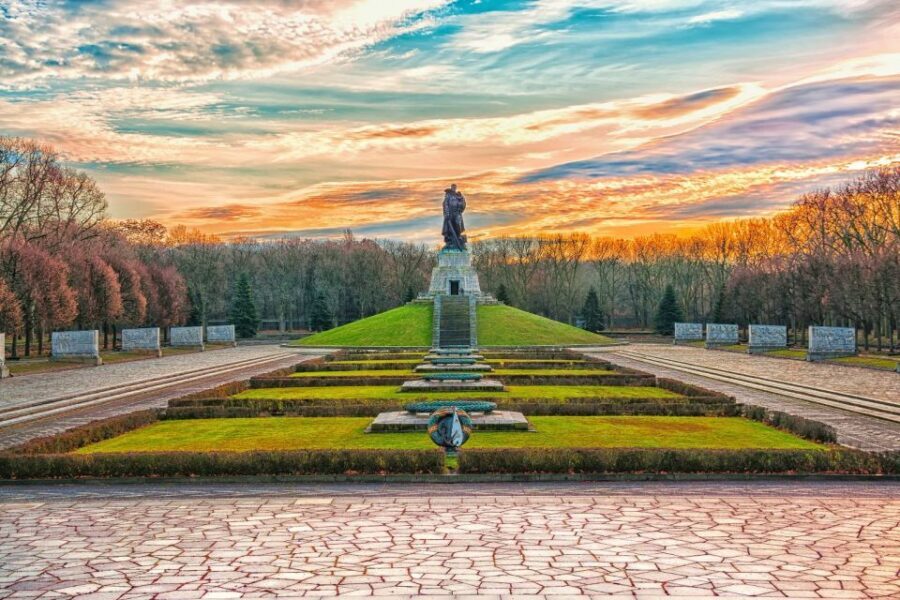
The 5-hour option includes Topography of Terror, Reichstag building, Potsdamer Platz, the Memorial to the Murdered Jews of Europe, the Soviet War Memorial, plus a visit to the Jewish Quarter and Otto Weidt’s Blindenwerkstatt Museum.
Is Otto Weidt’s Blindenwerkstatt included?
Yes, it is included in the 5-hour option. The 3-hour tour option does not include the Jewish Quarter and Blindenwerkstatt Museum.
What stops are included on the Old Town route?
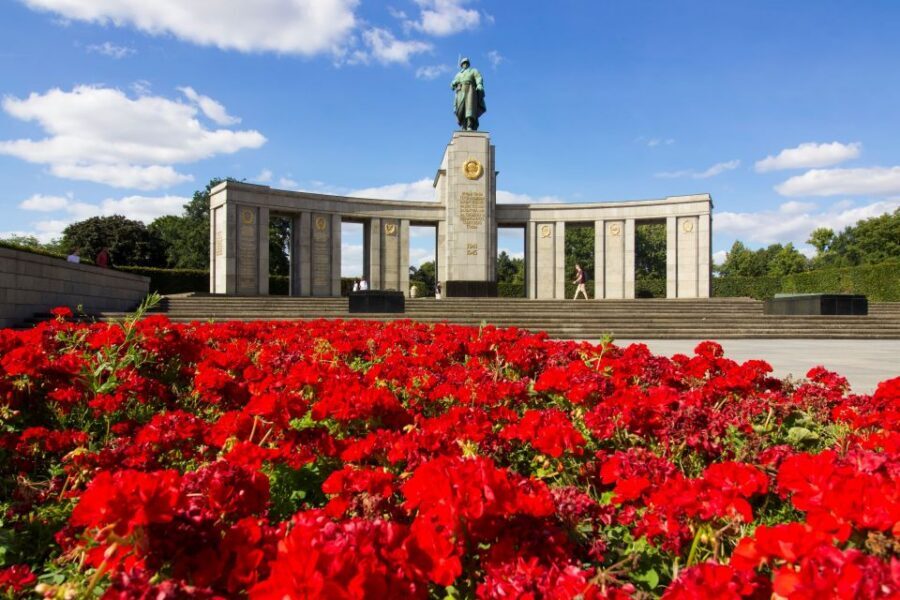
The route includes Topography of Terror, Potsdamer Platz, the Memorial to the Murdered Jews of Europe, Brandenburg Gate, the Reichstag building, and ends at the Soviet War Memorial.
What additional stops are on the 5-hour route?
On the extended 5-hour option, you’ll also visit Friedrichstraße, the Trains to Life – Trains to Death monument, Spandauer Vorstadt, the Jewish Quarter, and the area of the surviving New Synagogue, plus Blindenwerkstatt Museum.
What languages are available?
The guide offers live commentary in English, French, Russian, Spanish, Italian, German, and Polish.
Do I need to buy museum tickets separately?
The tour includes visits to listed sites, but the provided information does not say whether you need separate tickets. If you want to confirm, check the tour details in your booking confirmation or with the provider.
What if I need to change plans?
You can cancel up to 24 hours in advance for a full refund. The activity also offers reserve now & pay later.