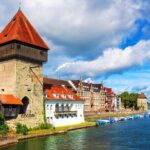
Naked history in Konstanz? Start with the Imperia Statue and you’ll instantly get why this city matters. This private historical walk is built for time-crunched days, so you can see major sights like the Marina area and key civic landmarks without waiting around. I love the local storytelling that connects what you’re looking at to what happened here centuries ago.
Two things I especially liked: you get a guide who stays with your group only, and you get a clear hit list for a short visit, including the Constance Church and the nearby Council of Constance area. You’ll also get the practical side handled—this runs on a mobile ticket and doesn’t require special transport plans.
One possible drawback: since it’s about 2 hours, you’ll get context and highlights, not slow, deep browsing of every street. Also, like any early start, the guide’s energy can affect the vibe; one group noted strong history but less punch in the first hour.
In This Review
- Key highlights I’d bet on
- Where the tour starts: Imperia in the Marina area
- Imperia Statue: the Council of Constance story starts with Pope Martin V and Emperor Sigismund
- Getting near the Council building: why location matters
- Marina stroll logic: how this tour uses a small city to save you time
- Triumph of Satire fountain: public art as a historical clue
- Constance Church stop: using a key landmark to tie the whole story together
- Price and logistics: when $284.37 per group is a smart value
- Timing, pacing, and what a 2-hour Konstanz walk really feels like
- Who this tour suits best
- Should you book this private Konstanz walking tour?
- FAQ
- How long is the Private Historical Walking Tour in Konstanz?
- What’s the group size for this private tour?
- Where does the tour start?
- Where does the tour end?
- Is admission included for the stops?
- What ticket do I receive?
- Do I need transportation to do the tour?
- Can I cancel for free?
Key highlights I’d bet on
- Imperia Statue at the Marina: a controversial monument tied directly to the Council of Constance (1414–1418)
- The Council of Constance context: you’ll see the Council building area and understand why it was such a turning point
- Triumph of Satire fountain: public art used as a clue to how people once argued, criticized, and coped
- Constance Church stop: a chance to connect religion, politics, and everyday life in town
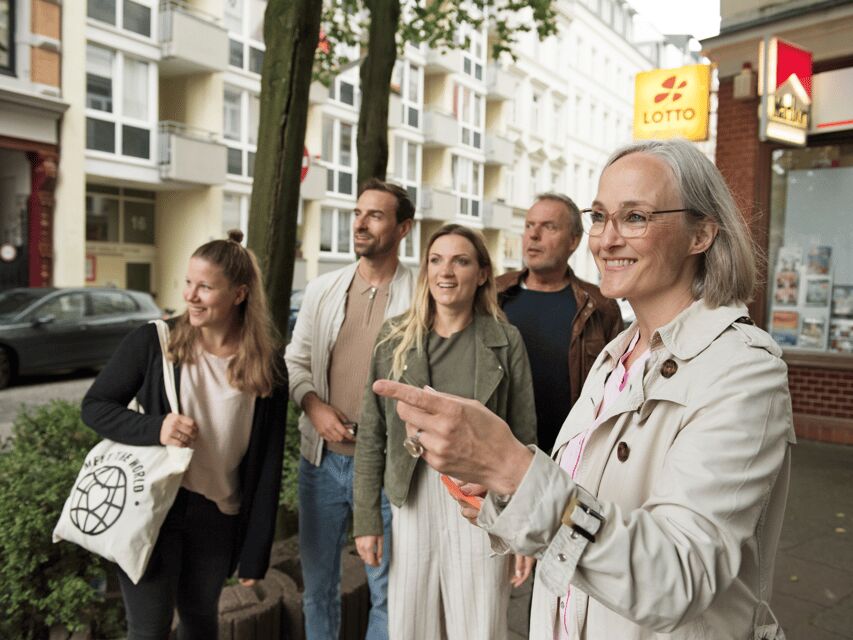
- Private guide, up to 15 people: better flow when you want your own pace and fewer pauses
Where the tour starts: Imperia in the Marina area
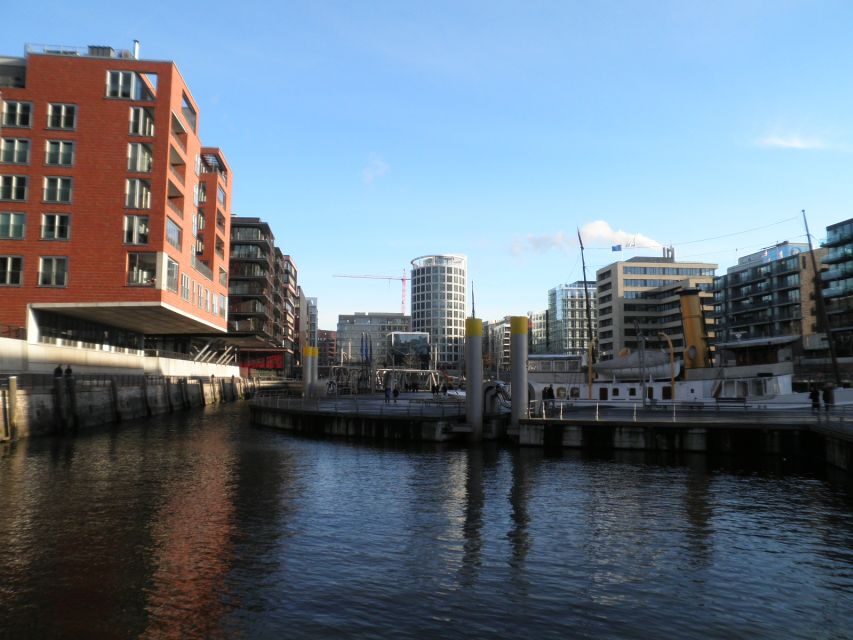
The tour meets right in front of the Imperia Statue on Hafenstraße, in the Marina zone (78462 Konstanz). I like this choice because it gets you oriented fast: you’re in the right part of town from the first minute, with big views and a sense of place.
You’ll walk the old-town core on foot, with no transportation needed. Since the start point is near public transportation, it’s fairly easy to fit into a day of trains, boats, or just a tight schedule.
If you’re the type who hates waiting, this format helps. It’s private—your group is the only group on the tour—so you’re not stuck in a slow shuffle while strangers arrive. That matters in a compact city like Konstanz, where time disappears quickly if you let it.
You can also read our reviews of more walking tours in Konstanz
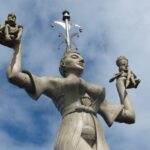
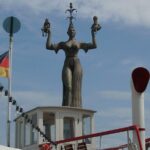
Imperia Statue: the Council of Constance story starts with Pope Martin V and Emperor Sigismund
The Imperia Statue is not subtle, and that’s exactly why it’s such a smart first stop. The statue commemorates the Council of Constance that took place between 1414 and 1418, and the imagery is intentionally provocative: a woman holding two naked men on her hands.
One of those men represents Pope Martin V, the pope elected during the council. The other represents Emperor Sigismund, the ruler who called the council. Both figures are shown naked except for the crown and papal tiara—symbols of their power.
Your guide’s job here is to connect the controversy to the history. You’re not just looking at a photo-op; you’re getting the story behind why this council mattered and why the public memory of it got wrapped in such an uncomfortable image.
Practical tip: if you’re taking photos, give yourself a minute to step to the side so you can frame the statue plus the surrounding Marina backdrop. It’s a dramatic starting point, and a good first photo helps the rest of the walk feel more like a guided narrative than random sights.
Getting near the Council building: why location matters
After the Imperia stop, you’ll move close enough to get a view of the Council building. The building is described as dating to the 14th century, which helps you understand how Konstanz layered eras on top of each other.
This kind of stop is valuable because it turns a name you’ve heard—Council of Constance—into a place you can actually picture. Standing nearby makes the scale feel real, even when you’re only seeing part of the structure.
Also, you’ll hear what made the council a big deal beyond simple dates. It wasn’t only about theology; it was about power, legitimacy, and who got to speak for Europe. A good guide turns that into human drama, not textbook facts.
If you like history that explains why people argued, this part should click quickly. You’ll start to see Konstanz as a stage, not just a pleasant lakeside town.
Marina stroll logic: how this tour uses a small city to save you time
Konstanz can feel easy to explore on your own, especially if you’re just wandering from waterfront to center. But the catch is that you’ll spend time figuring out what you’re looking at and why it’s there.
This walking tour makes a smart trade: it spends your limited time on high-signal stops. It’s designed for you to see the best of the city—including the Marina zone—without having to do the detective work yourself.
Because it’s private, the guide can also pace to your group. If your group includes slower walkers, you’ll typically have fewer forced “keep up” moments. If your group is chatty, the guide can pause for questions and keep you from rushing through explanations.
One small consideration: it’s still a walking tour. Even if it’s not described as hard, you’re on your feet for about two hours. If you’re dealing with mobility limits, plan for rests and be ready to adjust your pace.
Triumph of Satire fountain: public art as a historical clue
One of the other named highlights is the Triumph of Satire fountain. Even without turning this into a full art lecture, this kind of stop is a great reminder that history isn’t only in churches and official buildings.
Satire has always been a way to comment on power, politics, and everyday tensions. A fountain like this works like a visual headline—something the community can point to and remember, even when the details of the past blur.
What you’ll get from having a local guide is the “how to read it” layer. Instead of treating it as decorative sculpture, you’ll learn what it’s connected to and how it fits into the city’s social mood in its own time.
For your photos: fountains can look great from one angle and flat from another. Give yourself a couple of steps to reposition. If you’re with your guide, ask where people usually stand for the best view; you’ll save time without guessing.
You can also read our reviews of more private tours in Konstanz
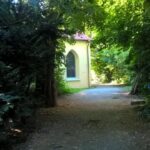
Constance Church stop: using a key landmark to tie the whole story together
The walk includes a visit to the Constance Church. I like that the tour doesn’t keep everything secular. You get a chance to connect the civic drama you hear at the Council-related stops with the religious side that shaped the era.
Even if you already know Konstanz from postcards and the lake, this is the moment to see it as a living crossroads. Religion, politics, and legitimacy were tightly linked in that period, and the city’s major religious landmark helps make that connection feel tangible.
The practical value here is your guide’s framing. At a site like this, the building itself may be familiar from the outside, but the context is what changes your understanding. Expect explanations aimed at helping you make sense of what you’re seeing, not just where to stand for a quick photo.
If you’re the kind of traveler who likes to ask questions, this is a good place to do it. Guides can explain why certain parts matter, what the era’s priorities were, and how Konstanz functioned beyond the visitor route.
Price and logistics: when $284.37 per group is a smart value
The price is $284.37 per group, with up to 15 people. That sounds high if you think per-person, but it’s private-guided pricing. The value depends on your group size.
Here’s the simple math: if the group fills close to 15 people, it works out to under $19 per person for a private guide for about two hours. If you’re smaller, it costs more per person, but you’re still paying for one guide and a tailored walk rather than splitting the cost across multiple strangers on a public group tour.
I’d call this good value when at least one of these is true:
- you’re traveling with family or friends and want to stick together
- you have limited time in Konstanz and want maximum meaning per hour
- you care about context (Council of Constance stories, not just check-the-box sights)
Logistics are also clean. This tour uses a mobile ticket, and it’s structured so you don’t need to plan transportation between stops. Confirmation happens at booking, and you can cancel for a full refund if you cancel at least 24 hours before the experience starts.
Also, since it’s suitable for any age, it can work for mixed ages in the group—as long as people are comfortable with a two-hour walk.
Timing, pacing, and what a 2-hour Konstanz walk really feels like
Two hours in Konstanz is enough time to get oriented and hit the main story beats, but not long enough for wandering detours. That’s the trade you’re choosing, and it’s worth it when you want your day to feel planned instead of random.
The tour format is a walking circuit: you start at Imperia, take in the Council-linked area views, then move onward to other named highlights like the Triumph of Satire fountain and the Constance Church. Because it’s private, the guide can pace to your group’s rhythm, even within that overall time window.
One thing to keep in mind: start time can shape the mood. One guide—Marvin—was noted for impressive historical knowledge, but a morning-start group felt his early delivery came off frustrated or flat, especially during the first hour. Another group described their guide as awkward at first, then warming up with a dry sense of humor. In other words, the content is solid, but energy can be time-dependent.
My practical advice: if you’re doing an early slot, bring patience and a little caffeine. If you’re doing a later slot, expect the guide’s energy to match your own.
Who this tour suits best
This private walking tour fits especially well if you:
- want a guided route in a compact city and hate aimless searching
- want story-heavy stops (Council of Constance, politically charged public art)
- travel in a group large enough to make the per-person cost reasonable
It’s also a good fit if you’re a first-timer to Konstanz. The walk gives you a framework for understanding what you see afterward—so your self-guided wandering becomes more rewarding.
If you’re a hardcore “I want every detail” traveler, you might find two hours too short for your style. But even then, this can work as a strong primer. It helps you know what to look for when you return on your own.
Should you book this private Konstanz walking tour?
I’d book it if your top priority is making Konstanz make sense quickly. The Imperia Statue alone can do that, but what seals the deal is how the guide ties the controversial imagery to the Council of Constance and then uses other landmarks to reinforce the bigger story.
Book it too if you value private pacing. Waiting for strangers or losing your place is the fastest way to waste a short day, and this tour avoids that.
Skip it if your goal is slow exploration or if you need long stays at each site. This is a highlights-and-context walk, not a “linger all afternoon” situation. If you match that expectation, you’ll get real value out of the time you spend.
FAQ
How long is the Private Historical Walking Tour in Konstanz?
The tour runs for about 2 hours.
What’s the group size for this private tour?
It’s a private tour/activity, and your group only participates. The price is per group for up to 15 people.
Where does the tour start?
It starts at Imperia, Hafenstraße, 78462 Konstanz, Germany.
Where does the tour end?
The tour ends at 78 Konstanz, Germany.
Is admission included for the stops?
Admission tickets are not included.
What ticket do I receive?
You’ll receive a mobile ticket.
Do I need transportation to do the tour?
No transportation is needed, and the tour is near public transportation.
Can I cancel for free?
Yes. You can cancel up to 24 hours in advance for a full refund.