REVIEW · KONSTANZ
Konstanz: Private Stadtführung mit Weinprobe
Book on GetYourGuide →Operated by See-Guide · Bookable on GetYourGuide
Konstanz has a talent for mixing medieval streets with a real, everyday rhythm. This private Stadtführung with wine tasting turns a short walk into an education on how the city worked, from old councils to practical life in the Middle Ages. I like that you get guided stops with purposeful pacing, not just a photo-walk, and each tasting moment comes with something to ground it—fresh bread and mineral water.
Two big wins for me: you learn why the Council of Constance mattered to the city (and how that shows up in the streets), and you taste Bodensee wines in spots that feel like they belong to the old town. One thing to consider: the tour is not for everyone, because it lists no pregnant participants and also mentions age limits that may conflict with the note about free entry for kids up to 14—so check eligibility with the provider before booking.
In This Review
- Key Things to Know Before You Go
- Old Town Konstanz, Finished With Wine
- Starting at Historische Hafenuhr and Finding the City’s Story Fast
- Konstanz Port: Sight, Orientation, Then First Tastings
- Stadtgarten and Fischmarkt: Streets That Explain Everyday Medieval Life
- Münsterplatz and the Cathedral Area: Architecture Across Time
- Niederburg and Dominicans Island: Power, Order, and the City’s Edges
- Sankt-Stephans-Platz Finish: Tying the Walk to the Last Taste
- What You’ll Actually Taste: Bodensee Wines, Bread, Water
- How the Pace and Group Setup Feels for Real Life
- Price and Value: Why $47 Can Make Sense Here
- Who This Tour Fits Best (And Who Should Skip It)
- Should You Book Konstanz Private Stadtführung With Wine Probe?
- FAQ
- Where is the meeting point?
- How long is the tour?
- What’s included in the wine tasting?
- Is the tour in German or Spanish?
- Does the tour run in bad weather?
- Is it suitable for kids or teens?
Key Things to Know Before You Go
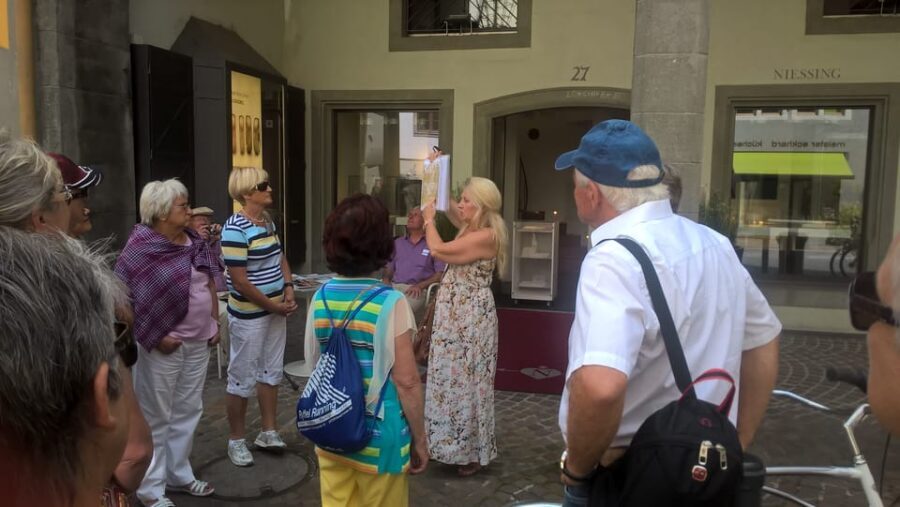
- Private Old Town route with a fixed start and finish around major historic squares
- Bodensee wine tasting with multiple pours, plus bread and mineral water
- Medieval life focus, including stories about daily practicality (even sewage systems)
- Rain-or-shine walking across a compact old town (bring comfortable shoes)
- German and Spanish guide, with a minimum group size listed for the tour
Old Town Konstanz, Finished With Wine
This experience is built for people who like their sightseeing with a side of flavor. You’ll walk through Konstanz’s old medieval core and stop often enough that you’re not just moving through history—you’re making sense of it. The 2-hour format keeps it friendly: you won’t be stuck in a long march, yet you still get enough time to connect the dots between architecture, politics, and daily life.
What makes it especially appealing is how the wine isn’t treated like an add-on. It’s woven into the route at natural “pause points,” so you taste local styles while you’re already seeing the places that shaped the city. You also get a light practical benefit: mineral water and bread help take the edge off the tastings, so you can enjoy the afternoon without feeling knocked sideways.
You can also read our reviews of more private tours in Konstanz
Starting at Historische Hafenuhr and Finding the City’s Story Fast
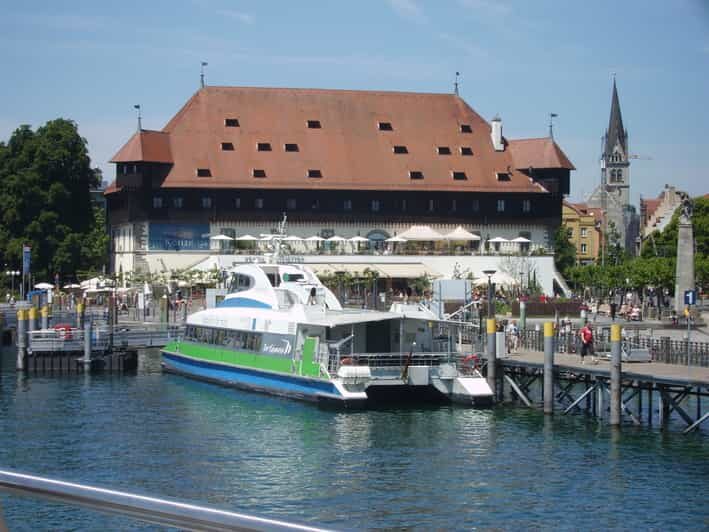
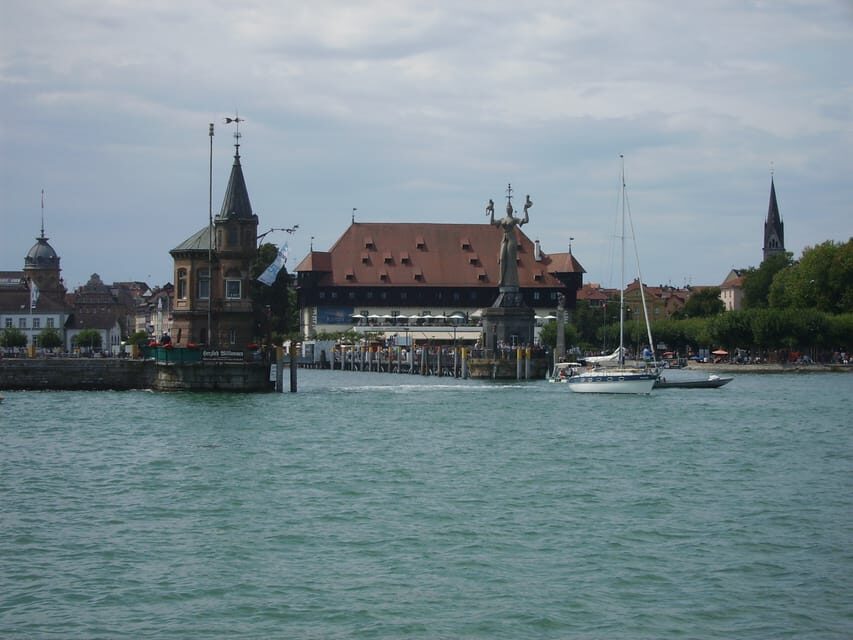
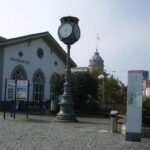
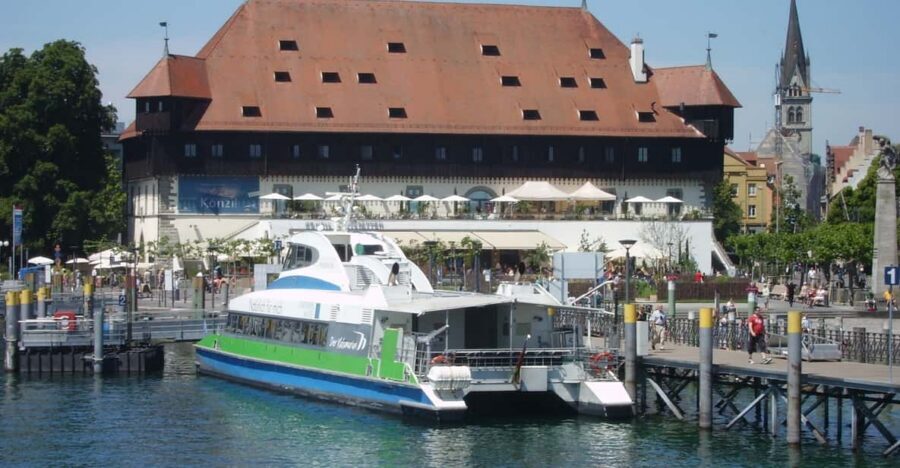
You begin at the Historische Hafenuhr by the port area—near the historical Council building. This matters because it puts you in the right mental zone right away: Konstanz’s waterfront identity and its central role in broader European events.
From the first minute, your guide sets up the “then and now” frame. You’ll hear how Constance stretches back through major eras, starting with Celtic roots and moving into later periods you’ll actually see in the old streets. If you like tours where the guide gives you context so the buildings don’t feel random, this one is aimed right at that.
You’ll also get your bearings quickly. The meeting point is easy to find compared with hidden alleys, and it keeps the walk logical rather than wandering. If you’re traveling with a stroller or need wheelchair-friendly routing, this starting area is where the tour’s flow is designed to make sense.
Konstanz Port: Sight, Orientation, Then First Tastings
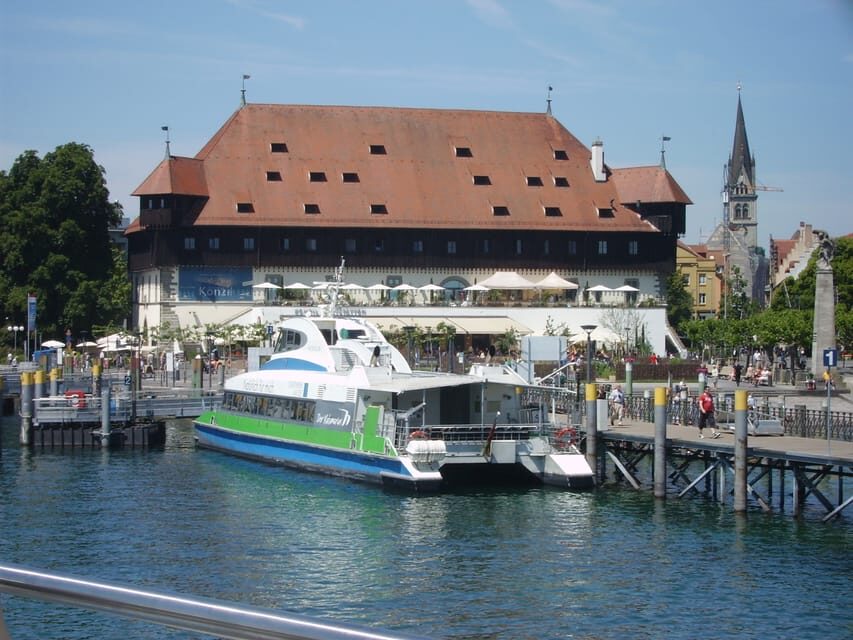
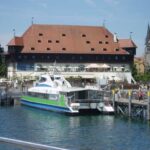
The route includes a short stop at the Konstanz Port area, with guided tour and a first taste element. Even though the time there is brief, it’s a useful opening because port towns don’t work like inland cities. Your guide connects movement of people and goods with why Constance mattered.
This is also where you get your first “taste rhythm.” You’ll be sampling local Bodensee wines (and you may also encounter sparkling wine or wine spirits as part of the overall tasting lineup). These early sips act like bookmarks: later, when you’re standing near old-town squares and tavern-like spaces, you’ll remember what you tasted and link it to the city’s character.
If you’re hoping for a big scenic viewpoint at every step, you might find some stops more interpretive than panoramic. Still, it’s the kind of walk where the payoff is understanding.
Stadtgarten and Fischmarkt: Streets That Explain Everyday Medieval Life
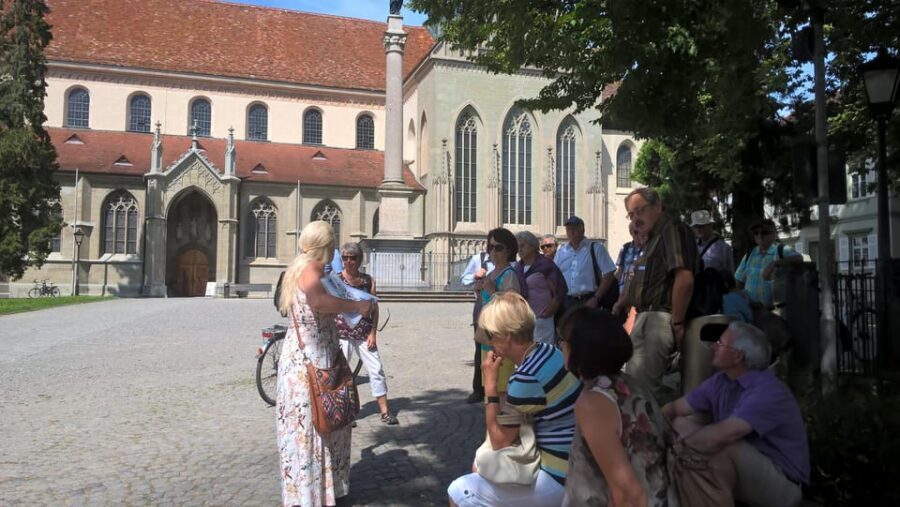
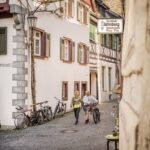
Next up is the Stadtgarten stop and then the Fischmarkt. These locations are ideal because they’re the kinds of places where daily life leaves traces. You’ll hear stories that move beyond kings and churches and into the everyday: how people lived, worked, and handled the practical side of city existence.
One of the most intriguing parts of this tour is that it doesn’t treat the Middle Ages like a costume drama. You’ll learn about medieval city systems, including the medieval sewage system. That sounds technical, but in practice it’s one of those details that makes the history click. It also helps you understand why cities evolved the way they did—people build sanitation, administration, and authority, not just monuments.
At these stops, I like the balance: you’re not only being told facts; you’re shown how those facts connect to where you are standing.
Münsterplatz and the Cathedral Area: Architecture Across Time
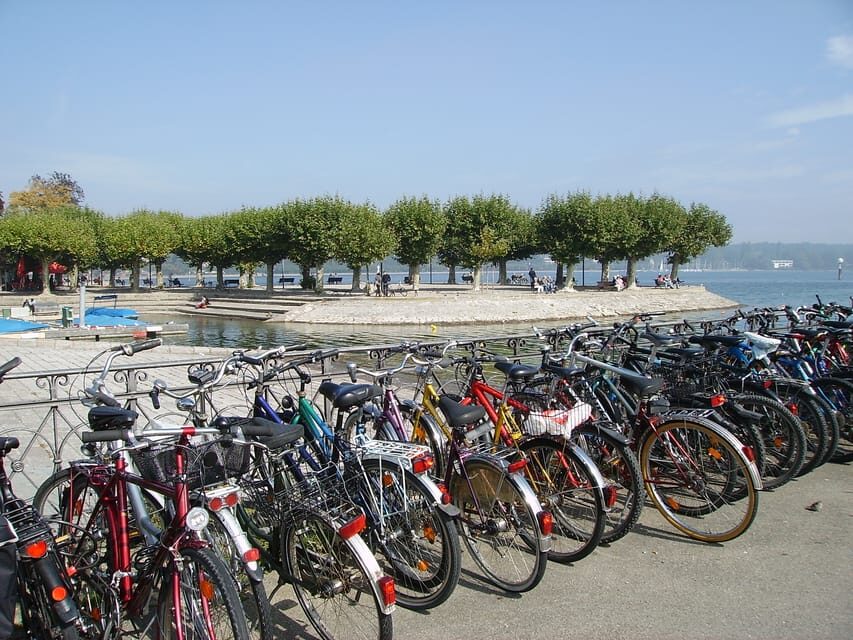
The tour continues to Münsterplatz, then on to Konstanz Cathedral. This is the zone where you feel the layering of time. Medieval stone houses are part of the story, but you’ll also notice that Konstanz carries forward later architectural styles, including Baroque-era administrative buildings.
The cathedral stop includes a visit plus guided time. Even if you’re not a hardcore architecture person, this part helps you understand why the city’s institutions concentrated where they did. Religious authority, governance, and public space all show up in the layout of squares, streets, and landmark buildings.
If you’re traveling with time pressure, this stop is a good reason to do the tour on a day when you can linger a bit afterward. Even after the guide moves on, you’ll likely want to look back at the details with new context in mind.

Niederburg and Dominicans Island: Power, Order, and the City’s Edges
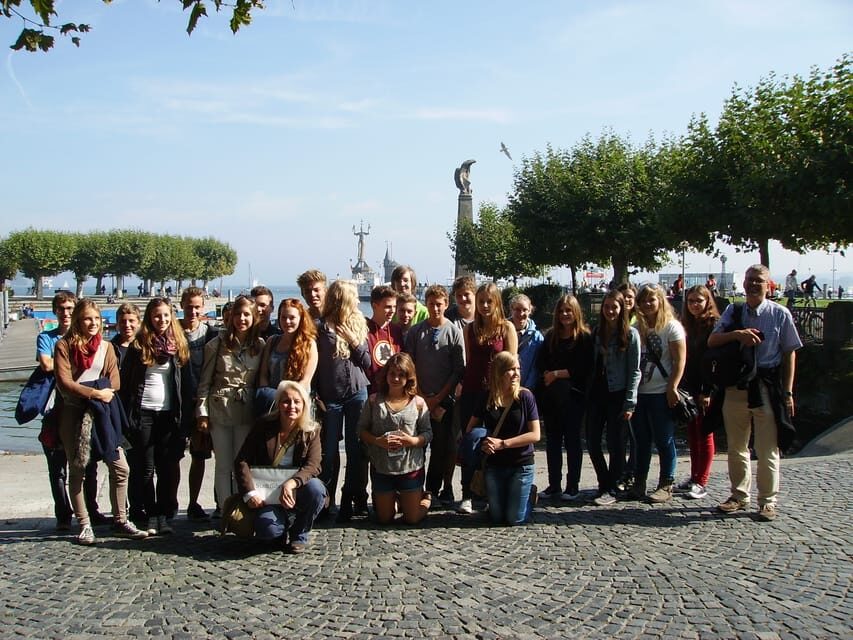
Then the route reaches Niederburg and Dominicans Island. These stops tend to change your perspective because they move you from the classic postcard center into areas that feel like they shaped boundaries—spiritually, administratively, and socially.
Your guide keeps the story moving with the kinds of figures medieval Europe made famous: emperors, kings, and clergymen. You won’t just hear names. You’ll get the sense of how those roles influenced decisions and everyday life. This is also where the tour’s value shows up for people who are tired of “and then we saw a building” travel. Here, each location acts like a chapter heading.
The Dominicans Island stop also helps you picture how water and place matter in Konstanz. When you’re standing in that kind of spot, the city’s geography stops being background and becomes a character in the narrative.
Sankt-Stephans-Platz Finish: Tying the Walk to the Last Taste
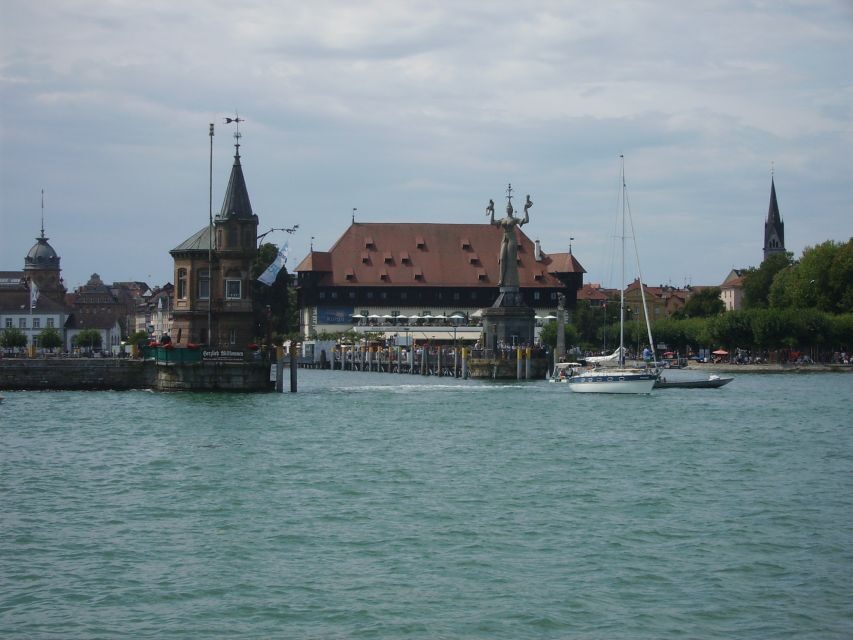
You finish at Sankt-Stephans-Platz, after a guided tasting and sightseeing stop there. This finale is satisfying because it gives you a clear end-point after you’ve built a mental map of the city.
By the time you reach the finish, you’ll have had multiple tasting moments and several story-driven stops. That means the last part feels less like “one more square” and more like a wrap-up. You’re essentially bringing your palate full circle: you taste, you learn, then you land back in a strong city center node.
If you plan something afterward, this is a decent moment to do it. You’ll likely feel ready to explore on your own because the walk has already taught you what to look for.
What You’ll Actually Taste: Bodensee Wines, Bread, Water
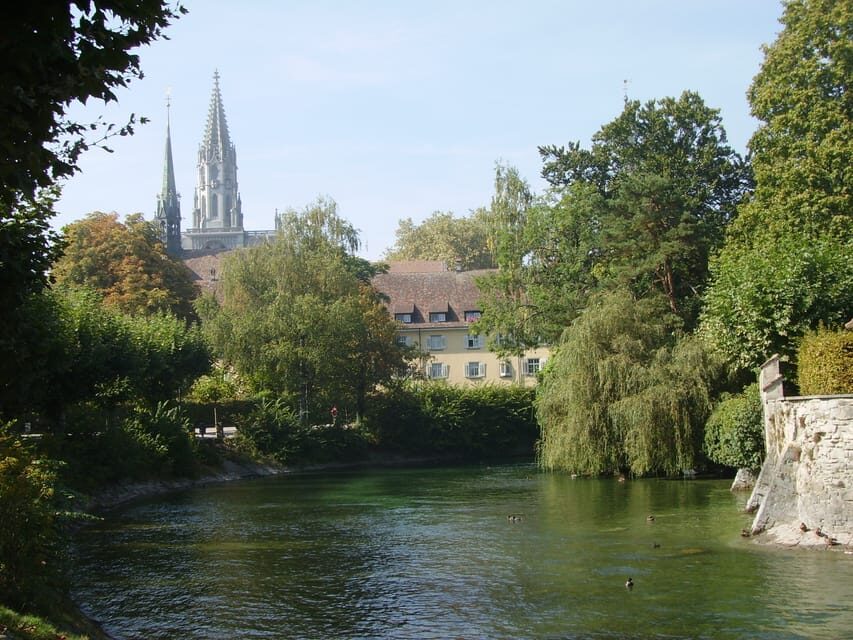
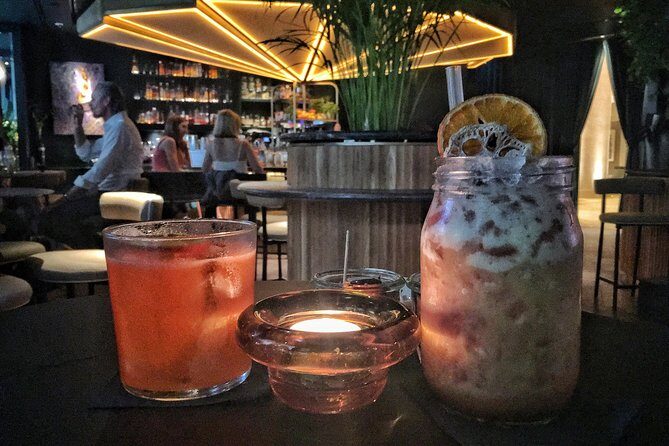
The tasting portion is an important part of the value. It’s not just one small pour. You’ll sample various Bodensee wines, and the tasting may include sparkling wine or wine spirits depending on how the lineup is offered during your session. You’ll also be provided with fresh bread and a bottle of mineral water, which is practical and genuinely helpful.
This matters because wine tasting works best when you can reset between pours. Bread is a simple idea, but it makes a real difference in how much you enjoy the experience, especially in a walking tour where you’ll keep moving.
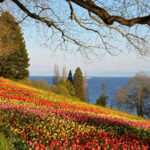
You should also expect the tasting stops to happen at selected nice places and/or spots with views of Lake Constance. That’s one of the reasons this tour feels like more than a history lecture with a snack—your surroundings and your glass belong to the same story.
How the Pace and Group Setup Feels for Real Life
This is listed as a private group with a minimum participant requirement of 8 people. In practical terms, that means it’s not a solo-consulting-style appointment. It’s still designed to feel personal, but you should assume there will be other participants in your group when the minimum is met.
The tour duration is 2 hours, rain or shine. So yes, you’ll walk in wet weather if needed. That’s not a deal-breaker because the old town is compact, but you should bring shoes that handle slick streets. Comfortable shoes is the only “must” item listed—and I agree.
You’ll also see notes that it’s suitable for wheelchair users and strollers, and dogs are allowed. If you’re traveling with a mobility aid, that’s a plus. If you hate being forced into long cobbled detours, you’ll likely appreciate that this tour keeps a tight route through core spots.
Language options are German and Spanish, with a live guide. That bilingual setup is helpful if you prefer to follow the story in your own language instead of relying on translation from another device.
Price and Value: Why $47 Can Make Sense Here
At about $47 per person for a 2-hour guided Old Town walk plus wine tasting, this is priced like a small “experience bundle.” You’re paying for three things at once: a guide’s interpretation of the city, time spent in a compact route through key landmarks, and the cost of tastings plus bread and mineral water.
Is it expensive compared with walking on your own? Sure. But if you’ve ever tried to learn medieval city logic on the fly, you know what you miss without a guide: the connections between institutions, everyday city needs, and the way a place earned its reputation. This tour directly targets that gap, and the wine tasting is there to make the learning feel like a real outing, not homework.
Also, the “value” comes from pacing. Many tours try to cram too much into two hours. Here, the stops are frequent enough that you get a sense of progress: port, garden, market, square, cathedral area, then the quieter island and neighborhood edges before finishing at a final central point.
Who This Tour Fits Best (And Who Should Skip It)
You’ll likely enjoy this most if:
- you like walking tours with stories that connect to real places
- you want a short, structured route instead of wandering
- you’re interested in the medieval layer of Constance, including practical life details
- you enjoy wine from Lake Constance and want someone to guide your tasting
You might want to skip or re-check details if:
- you’re pregnant (listed as not suitable)
- you’re traveling with someone under the age guidance you need (there’s an age note that can conflict: the tour states no under-18, yet it also mentions free entry for children and teens up to 14 without wine tasting)
- you dislike any alcohol tasting format (the experience includes wine tasting)
Dogs are allowed and wheelchair users can participate, which is good news for travelers who don’t want to leave a companion behind.
Should You Book Konstanz Private Stadtführung With Wine Probe?
I’d book it if you want a guided Old Town walk that ends with tasting something local, while the guide gives you the missing “why” behind the streets. The combination of medieval storytelling (including practical systems like sewage), key historic landmarks, and Bodensee wines makes it feel like a complete outing rather than two separate activities you squeeze together.
If you’re only interested in wine and not in walking, or if you strongly prefer tours that are strictly chronological with zero interpretive detours, you might find the story-heavy approach less your style. But for most people visiting Konstanz for the first time, this is a smart way to get oriented fast and taste the region in the same two hours.
FAQ
Where is the meeting point?
You meet at the Historische Hafenuhr at the port of Constance, close to the historical Council building.
How long is the tour?
The experience lasts 2 hours.
What’s included in the wine tasting?
You’ll get a tasting of various Bodensee wines, and you’ll also have fresh bread and mineral water. The tasting may include sparkling wine or wine spirits as part of the lineup.
Is the tour in German or Spanish?
The live guide offers German and Spanish.
Does the tour run in bad weather?
Yes, it takes place rain or shine.
Is it suitable for kids or teens?
The info includes a note that children and youth up to 14 have free entry when accompanied by an adult group, but it also states the tour is not suitable for children under 18. Please confirm the exact age rules with the provider before booking.