REVIEW · MUNICH
Stencil Workshop in Munich’s Creative Soul (Max. 12 guests)
Book on GetYourGuide →Operated by Philipp's Munich Tours · Bookable on GetYourGuide
Spray paint and architecture in Munich’s south. This 150-minute small-group stencil workshop mixes a guided walking tour with hands-on art, ending with you making six Munich postcards using stencils—no experience required. Led by Philipp, a local architect and certified city guide, you’ll get context for what you see before you start spraying.
I especially like the way the tour links place and process: you walk the south-side with graffiti-adorned shipping containers, then translate the look into your own postcard-size artwork in a heated shipping container. You also get a practical map of Philipp’s favorite spots, which makes the souvenir more useful than just paper.
One thing to plan for: this experience is not suitable for wheelchair users, and you’ll want comfortable shoes plus warm clothes you don’t mind getting slightly messy.
In This Review
- Key highlights
- Arriving at Piazza Zenetti: the easy start and the right vibe
- Münchner Volkstheater and the cattle-yard district: why the setting matters
- Alte Utting: the ship-turned beer garden you’ll want to photograph
- Bahnwärter Thiel: 40 shipping containers and Munich’s street-art engine
- The heated shipping container postcard workshop: stencil art made approachable
- What you make
- What helps you succeed
- Why the container setting is smart
- Philipp’s role: architect-level context without the stuffiness
- Value check: $42 for 150 minutes of art plus city context
- Practical tips so you don’t waste the first 30 minutes
- Who should book this stencil workshop?
- Should you book Stencil Workshop in Munich’s Creative Soul?
- FAQ
- How long is the stencil workshop tour?
- How many people are in the group?
- Where do I meet the guide?
- What’s the easiest way to get to the meeting point by public transit?
- What languages are offered?
- Do I need any experience with spray painting or stencils?
- What’s included in the workshop materials?
- Are food and drinks included?
- Is the tour wheelchair accessible?
- Can I cancel and get a full refund?
Key highlights
- Max. 12 guests in a creative, hands-on format that stays personal.
- Spray your own six postcards of Munich with stencils in a heated shipping container.
- Philipp’s architect lens adds meaning to street art and city spaces.
- Alte Utting: a ship-turned beer garden tied to major media attention.
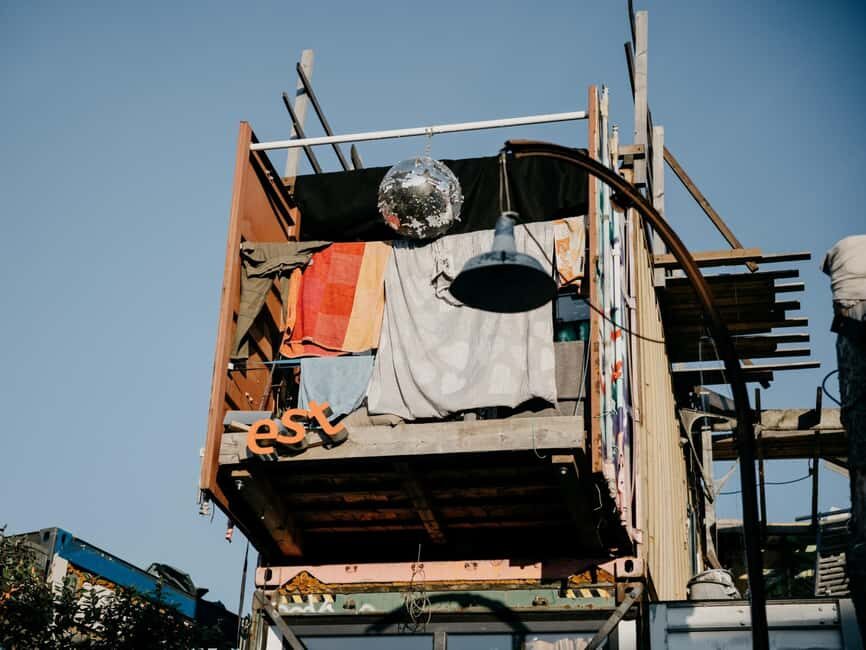
- Bahnwärter Thiel: an art hub built from 40 repurposed shipping containers.
- Protective gear included (glasses, gloves, masks, and clothing covers) so you can focus on creating.
Arriving at Piazza Zenetti: the easy start and the right vibe
You begin at Piazza Zenetti, a square marked by distinctive grey and turquoise street furniture. If you’re arriving by public transit, the simplest route is to take the U3 or U6 subway lines, exit at Poccistrasse, then walk about 10 minutes to the meeting spot. It’s an easy way to get your bearings without complicated directions.
Meeting is straightforward: you’ll be looking for Philipp with a tablet slung over his shoulder. That little detail matters, because when you’re traveling with art on your mind, the smoother the start, the better the whole experience feels.
This start location also sets the tone. Instead of beginning in an obvious tourist zone, you start in a Munich corner that feels more like daily city life—exactly the kind of environment where street art, creative spaces, and architecture talk to each other.
A few more Munich tours and experiences worth a look

Münchner Volkstheater and the cattle-yard district: why the setting matters
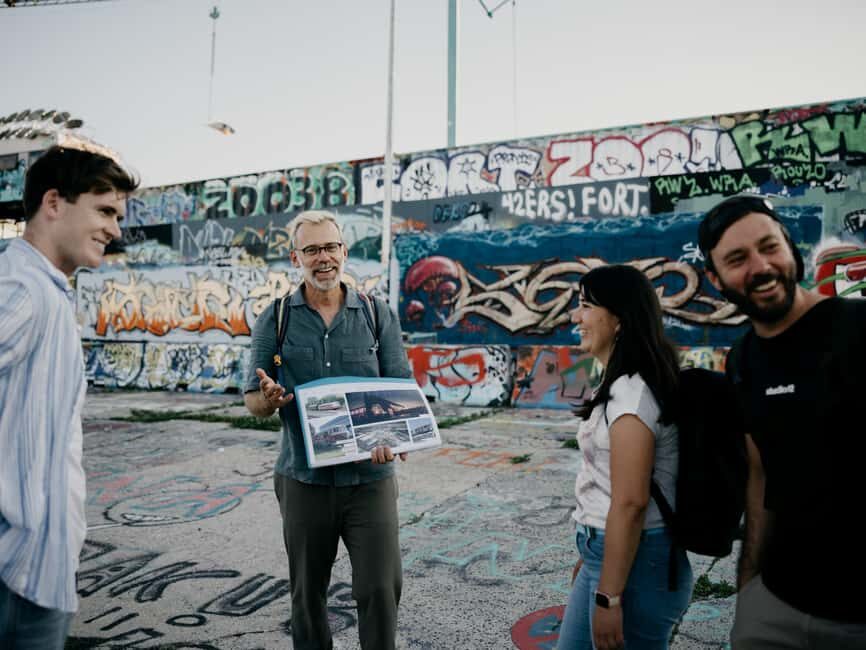
From the first walk, Philipp frames the city as something you can read. One of the stops is the Münchner Volkstheater, which sits in a revitalized former cattle-yard district. That detail isn’t just trivia—it’s a clue about how Munich repurposes spaces.
When a place has been rethought like this, you often see two things at once:
- older, industrial bones in the architecture
- newer cultural energy in what people do there
This is part of the value of the guided approach. You’re not just ticking off sites; you’re building a quick mental map of how Munich’s creative north-south shifts show up in real buildings and public space.
You’ll also notice that the tour’s pace is made for listening. With a max group size of 12, it doesn’t feel like a lecture filling the air. You get time to look closely, then ask questions in the language you’re most comfortable with.
Alte Utting: the ship-turned beer garden you’ll want to photograph
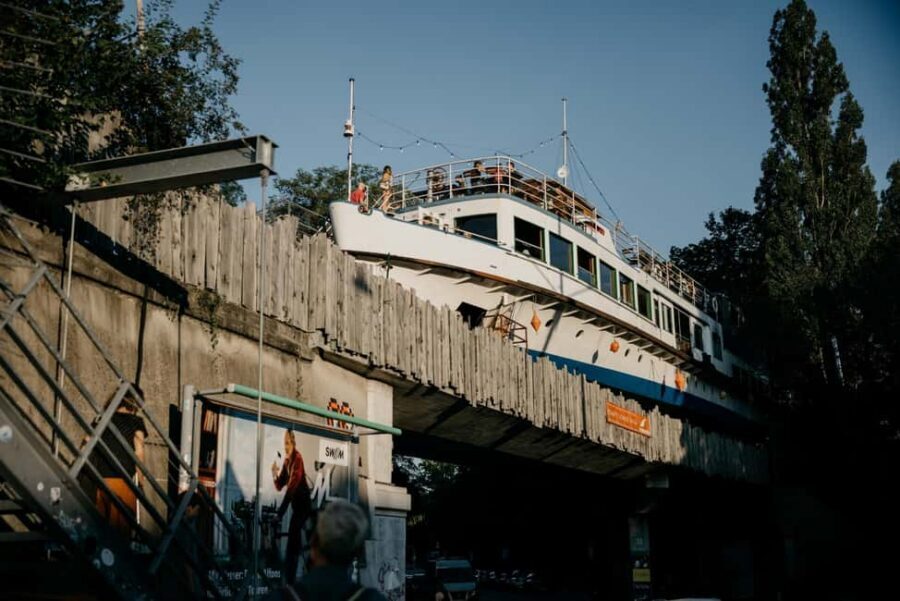
Next comes Alte Utting, an iconic site that’s turned into a cultural and beer-garden stop aboard a ship. It’s the kind of place where the form is already the story: you’re not in a classic courtyard or street café, you’re on water, with the city’s texture around you.
This is also where the tour gives you a useful takeaway for future Munich visits. Once you see how Munich uses unexpected settings—ship, containers, repurposed yards—it becomes easier to spot the same pattern elsewhere. You start thinking, Where else has the city kept a structure and changed what it’s for?
The fact that Alte Utting has been featured in The New York Times adds one more layer: this isn’t just local charm. It’s a known cultural object, which is helpful if you like experiences that feel both authentic and legible to visitors from elsewhere.
Bahnwärter Thiel: 40 shipping containers and Munich’s street-art engine
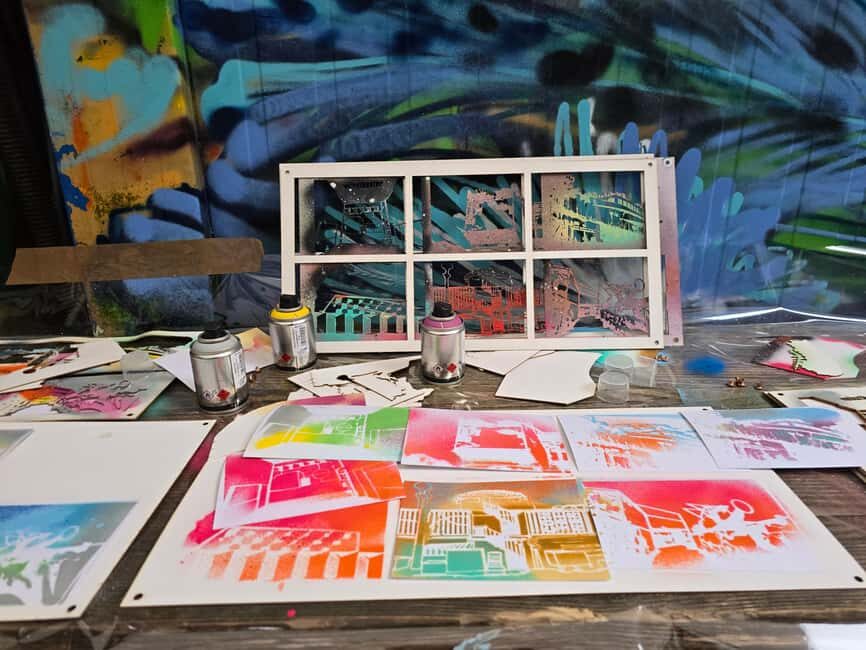
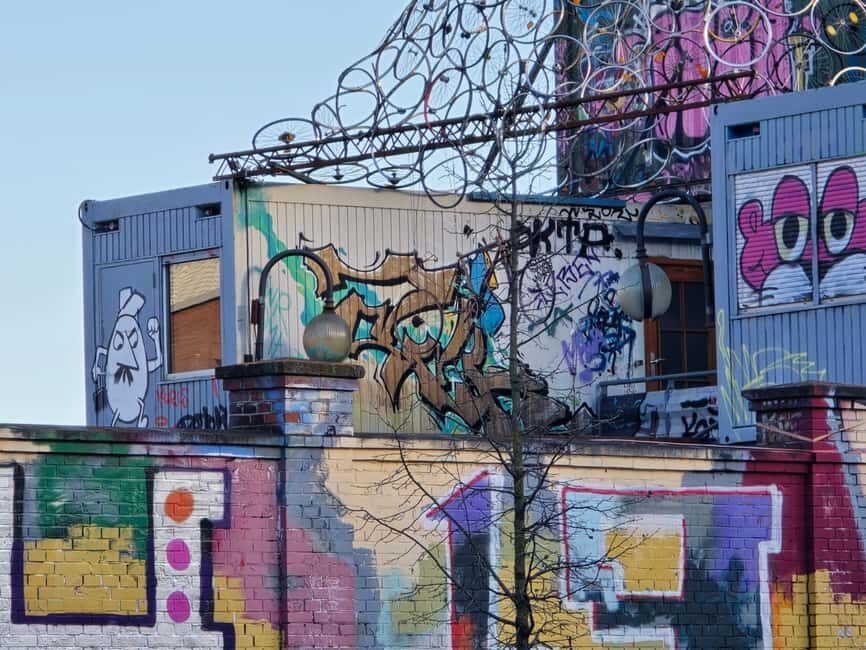
Then you reach Bahnwärter Thiel, a creative hub built from 40 repurposed shipping containers. This is one of the key reasons this tour feels different from the usual “historic center” loop. Here, the city’s creativity is built into the objects themselves.
Shipping containers have a particular visual logic: strong lines, repeatable forms, and surfaces that invite markings. When street artists work with that kind of canvas, you get texture you can actually see from a distance. And when you’re there with Philipp, you get enough context to notice more than just the color.
This stop is also practical for the next part. The workshop isn’t random art time. You’re watching how street art communicates—scale, contrast, stencil-ready shapes—so that your postcards later don’t feel like a disconnected activity. You’re training your eye while you’re walking.
The heated shipping container postcard workshop: stencil art made approachable
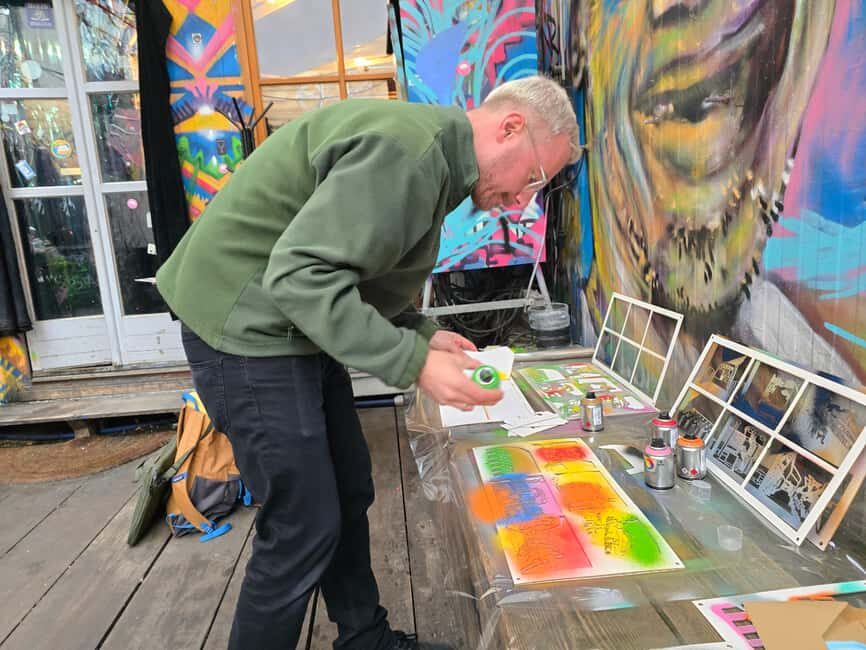
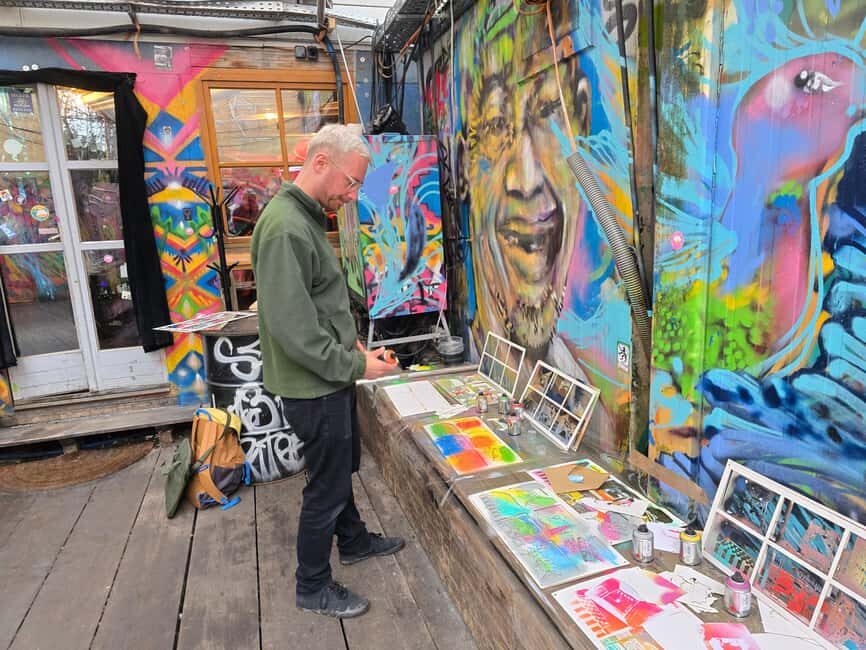
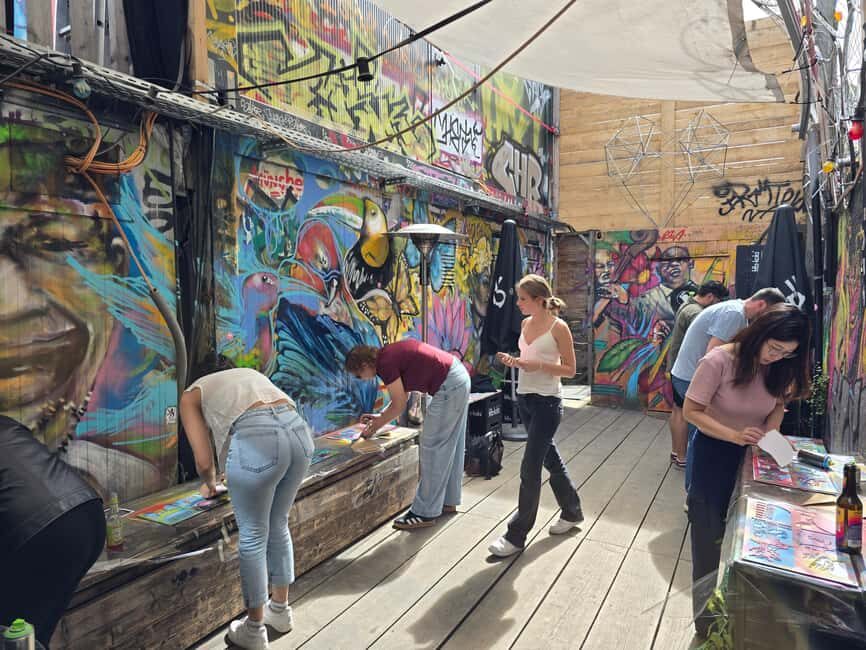
Now for the main event: you head into Philipp’s studio setup, also a shipping container. The workshop is designed so you can create even if you’ve never sprayed anything before.



What you make
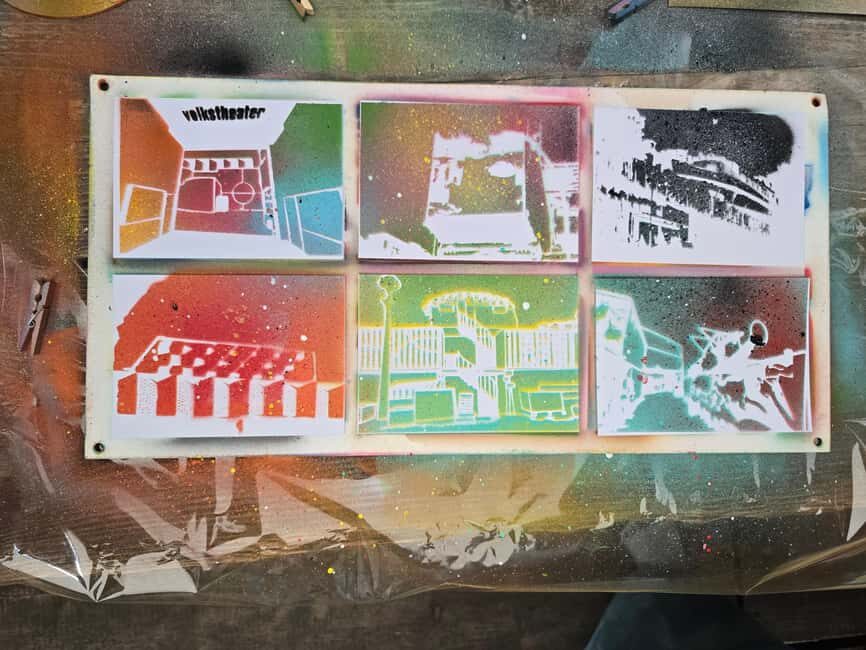
You’ll spray six unique Munich postcards using stencils. That means you’re not just making one souvenir. You’re building a set—something you can share with friends, send home, or keep as a small Munich museum of your own making.
What helps you succeed
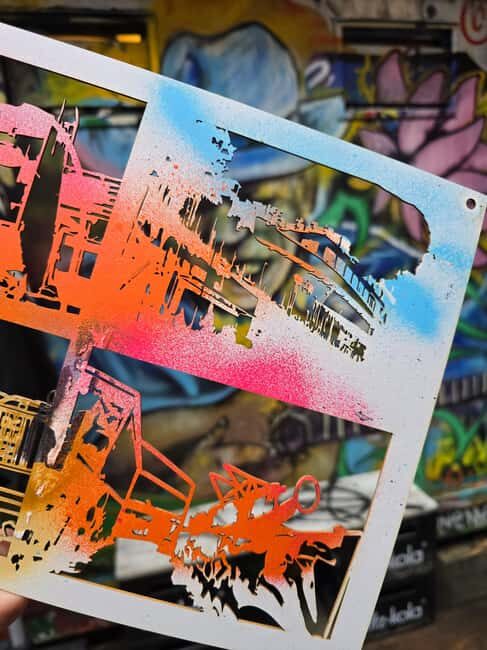
You’re provided with stencils, spray paint, and supplies like envelopes and the postcards themselves. On top of that, you get safety gear: safety glasses, protective gloves, masks, and clothing covers. It keeps things safe and also keeps the experience focused on creating, not worrying.
And because it’s stencil-based, the learning curve is reasonable. The goal isn’t to make you an artist overnight. It’s to get you to a point where your postcard looks like it belongs in the street-art world you just walked through.
Why the container setting is smart
The workshop happens in a heated shipping container. That detail matters if you’re visiting in cooler months. It also changes the feel of the activity: you’re working in a controlled creative space rather than trying to figure out a DIY setup on the street.
You’ll also appreciate the structure of the session. The tour gives you references first—architecture stops, street-art context—then you translate what you saw into a format that’s portable and personal.
Philipp’s role: architect-level context without the stuffiness
Philipp isn’t just a guide with fun facts. He’s an architect and a certified official tour guide (Member of MGV & BVGD). That background shows in how he talks about design, city space, and why these places work.
You can feel the difference in the pacing. You’re not rushing through stops to make room for stories. You’re getting stories that help you see. When you’re ready to spray paint, you’re carrying an understanding of what you’re trying to express—shape, style, and the relationship between street art and built environments.
The bilingual format also helps. You can do the tour in English and German, and Spanish is listed as available as well. That matters in a hands-on workshop, because if you don’t fully catch an instruction, it’s harder to enjoy the activity part.
Value check: $42 for 150 minutes of art plus city context
At $42 per person for about 150 minutes, the value is best understood by looking at what’s included. This isn’t a walking tour only, and it isn’t a paid art class only.
You get:
- a guided route through multiple distinct creative/cultural sites
- a hands-on stencil workshop producing six postcards
- art materials and stencil equipment
- safety gear and protective clothing covers
- a unique postcard gift connected to the tour highlights
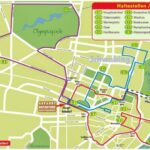
- a digital map with Philipp’s favorite places to visit
Most similar experiences charge separately for the guide time and the making part. Here they’re combined, which is why the price feels fair for what you actually leave with: city knowledge plus a souvenir set you made with your own hands.
Food and drinks are not included, so plan to grab something before or after. Transportation to the start point isn’t included either, but the transit directions are simple enough to handle on your own.
Practical tips so you don’t waste the first 30 minutes
A hands-on stencil workshop is fun, but only if you show up ready.
Bring:
- comfortable shoes for walking
- warm clothing (even if the container is heated, the city walk still counts)
- clothes that can get dirty
Avoid smoking during the experience. It’s also a good idea to keep your phone secure and your hands free until you’re in the container area where you’ll be handling equipment and materials.
Group size matters too. With a max of 12, you’ll likely get more attention and smoother help if anything feels confusing. That’s especially helpful for beginners.
If you’re bringing kids, the workshop format tends to be easy to manage because you’re doing a structured stencil approach rather than a free-form art task. You still need appropriate clothing and a willingness to follow safety rules, but the basic technique is designed to work quickly.
Who should book this stencil workshop?
Book it if you want Munich beyond the classic postcard views. This is for you if you like street art, architecture, and creative spaces, and you want to leave with more than photos.
It also works well if you:
- enjoy hands-on activities that produce a clear result
- like small-group formats that don’t feel rushed
- want bilingual guidance (English/German, with Spanish available)
- value an architect-led explanation of what you’re seeing
Skip it (or consider another option) if you need wheelchair accessibility, since it’s not suitable for wheelchair users.
Should you book Stencil Workshop in Munich’s Creative Soul?
I’d book this when you want a creative afternoon that blends context and making. The strongest reason is the combination: you walk the creative south-side, then you create postcards that match what you observed. At $42 for 150 minutes with materials and safety gear included, it’s a solid deal if you like practical souvenirs and you’re willing to wear clothes that can handle art time.
If you’re mostly in Munich for classic sights, this might feel more focused and less tour-bus-y. But if you want a different angle on the city—containers, street art, ship architecture, and a stencil workshop you can actually do—this is a standout match.
FAQ
How long is the stencil workshop tour?
The tour lasts 150 minutes.
How many people are in the group?
The group is limited to a maximum of 12 guests.
Where do I meet the guide?
You meet at Piazza Zenetti Square, identified by grey and turquoise street furniture.
What’s the easiest way to get to the meeting point by public transit?
Take the U3 or U6 subway lines, exit at Poccistrasse, then walk about 10 minutes to Piazza Zenetti.
What languages are offered?
The live tour guide is listed in German, English, and Spanish.
Do I need any experience with spray painting or stencils?
No experience is needed. You’ll create stencil-based postcards during the workshop.
What’s included in the workshop materials?
You’ll get spray paint, stencils, envelopes, and 6 postcards, plus safety glasses, protective gloves, masks, and clothing covers.
Are food and drinks included?
No. Food and drinks are not included.
Is the tour wheelchair accessible?
No. It is not suitable for wheelchair users.
Can I cancel and get a full refund?
Yes. You can cancel up to 24 hours in advance for a full refund.