REVIEW · LEIPZIG
Leipzig: Historical Tour Waldstraßenviertel with GEO Epoche
Book on GetYourGuide →Operated by Eat the World GmbH · Bookable on GetYourGuide
Leipzig walks beat museum fatigue. This 2-hour tour in the Waldstraßenviertel district turns street corners into a timeline, with GEO Epoche-style storytelling that connects the Wilhelminian period, the world wars, and the Battle of the Nations. I like how the guide keeps things moving on foot while explaining what happened and where it happened.
I also like the way the tour uses real neighborhood texture, not just big dates. You’re out in the old-street atmosphere and you’ll hear anecdotes that make the quieter parts of Leipzig feel personal. One possible drawback: the focus can be more story-and-era based than house-by-house architecture, and the route may include modern contrasts, so it may not match your expectations if you’re after detailed villa interiors or very specific architecture stops.
In This Review
- Key moments worth your attention
- Waldstraßenviertel on Foot: Why This Neighborhood Matters
- Starting at Jahnallee 18: Finding the Tänzerin Fountain Meeting Point
- Wilhelminian Leipzig: The Streets Where Prosperity Left Clues
- War, Change, and Leipzig’s Hard Turns
- Jewish Life Stories: Learning the Human Side of Place
- 1700s Context: Why the Tour Mentions Earlier Centuries
- Battle of the Nations: Placing the End of the Conflict
- Funkenburg Festival: How Tradition Keeps History Alive
- When the Route Focus Shifts: Red Bull Arena and Rosental Contrast
- Price and 2-Hour Value: What $29 Buys You
- Language and Comfort: Easy Planning Checklist
- Who Should Book This Tour (and Who Might Want a Different One)
- Final Decision: Should You Book This Leipzig GEO Epoche Waldstraßenviertel Tour?
- FAQ
- How long is the Leipzig Historical Tour Waldstraßenviertel with GEO Epoche?
- Where does the tour meet?
- What language is the tour in?
- Does the tour run in bad weather?
- What’s included in the ticket price?
- Is the tour accessible for people with mobility impairments?
Key moments worth your attention

- Waldstraßenviertel walking route: learn Leipzig’s changing city patterns street by street
- GEO Epoche history theme: Wilhelminian era, world wars, and Battle of the Nations context
- Jewish life stories: you’ll get the human side of Leipzig across centuries
- Battle of the Nations framing: the guide helps you place the end of the conflict locally
- Funkenburg Festival thread: traditions show how history keeps echoing
Waldstraßenviertel on Foot: Why This Neighborhood Matters
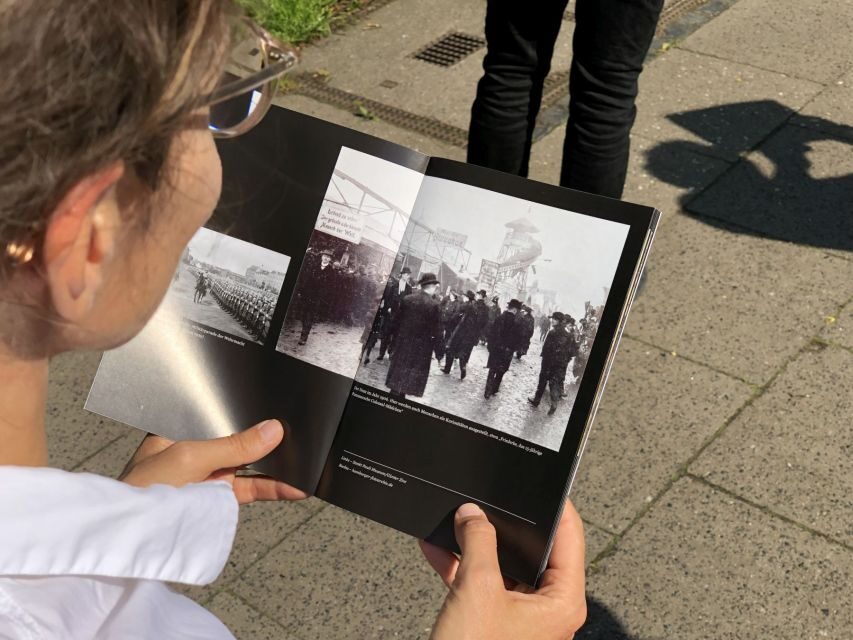
If you want Leipzig without the big-ticket museum approach, this is a smart pick. The tour zeroes in on Waldstraßenviertel, a district where the city’s growth shows up in the streets, facades, and layout. Even if you’ve visited Leipzig before, neighborhood tours like this help you notice what you previously walked past.
What I find useful is the way the guide links the district to larger events. You’re not just getting facts like 1813 happened here. You’re getting location cues, so the events start to feel “placed.” That matters because Leipzig’s past isn’t one single storyline—it’s layered: prosperity, conflict, rebuilding, and then cultural traditions that still run through the city.
This also tends to be a good kind of tour for a short visit. At 2 hours, you get a concentrated slice of the city without eating an entire day. And because it’s on foot, you can keep your bearings for the rest of your Leipzig trip.
You can also read our reviews of more historical tours in Leipzig



Starting at Jahnallee 18: Finding the Tänzerin Fountain Meeting Point
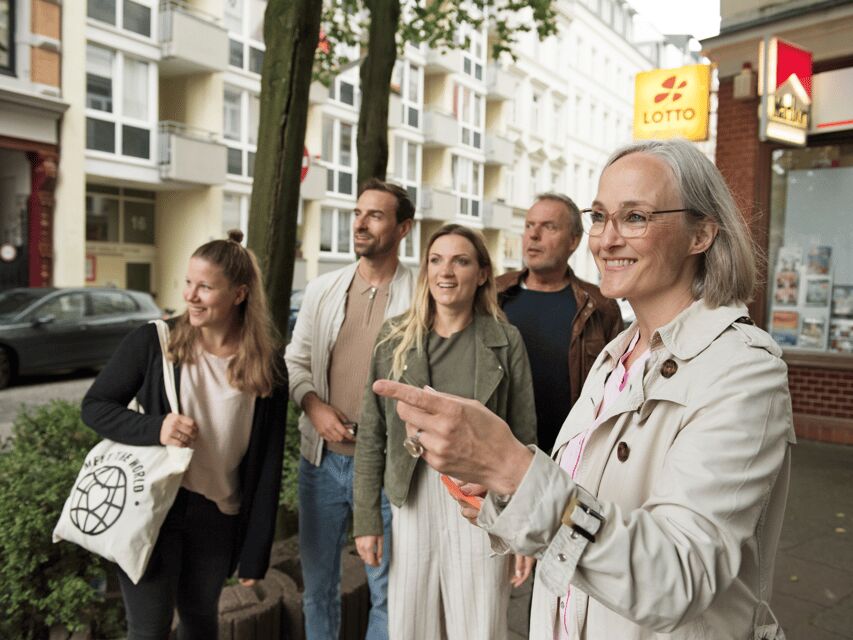
You’ll meet at Jahnallee 18, 04109 Leipzig, at the fountain called Tänzerin (“Tänzerin” at Waldplatz). That’s a real-world anchor point, which I appreciate. It’s easy to spot and it sets the tone for a walking tour—this isn’t a “listen and leave” kind of thing.
From the very start, expect the guide to frame the district and explain what you’ll be paying attention to. This kind of orientation is more than warm-up. It helps you understand why a street looks the way it does and what to imagine as you move along.
Practical tip: wear comfortable shoes. The tour is outdoors and it runs rain or shine, so you’ll want footwear that handles wet pavement and uneven sidewalks.
Wilhelminian Leipzig: The Streets Where Prosperity Left Clues
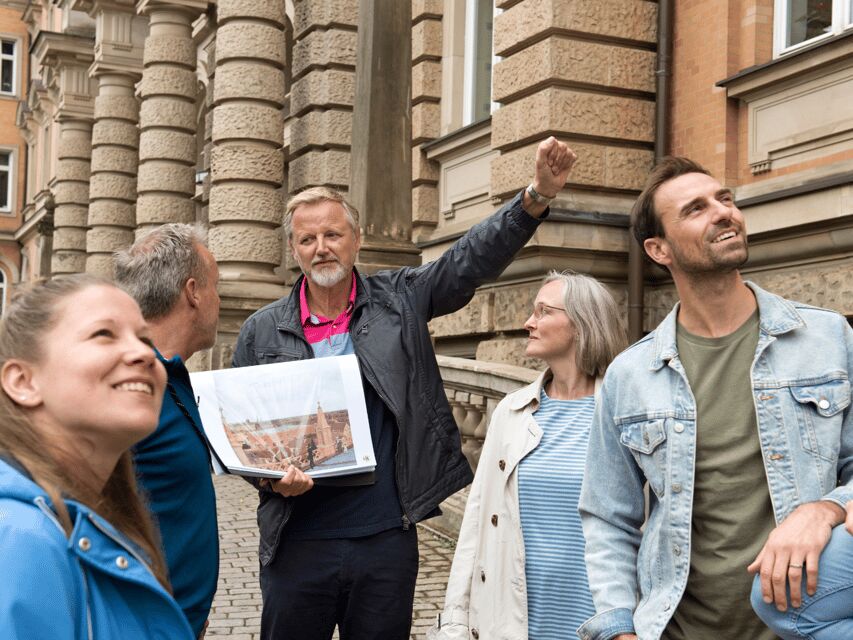
A major theme is the Wilhelminian period, and the Waldstraßenviertel setting is a natural fit for that era. This is the time when many German cities grew fast, and Leipzig’s wealthy residential areas show it in their style and spacing. The guide’s job here is to connect the look of the district to why it developed.
What you’ll likely notice as you walk:
- how the neighborhood layout supports a “residential grandness”
- how changing city fortunes can be read from architecture choices
- how certain streets become stages for a bigger public story later on
One thing to keep in mind: this is not positioned as an interior architecture tour. One guest expected more about builders, residents, and detailed house-and-hallway exploration in the villa area. Instead, their experience leaned more toward historical narrative than architecture walkthroughs.
So if what you love most is face-to-face details—names of builders, specific house stories, or seeing behind doors—go in knowing the format is primarily guided historical storytelling on foot.
War, Change, and Leipzig’s Hard Turns
The tour also covers the world wars, and that can be a sensitive topic. But the payoff is how it explains change over time rather than treating war like a single paragraph in a textbook.
On a walking route, the guide can point out where history is still visible in the street fabric—or where it isn’t, and the absence becomes its own clue. That’s often the best way to understand conflict in an urban context: you see what survived, what shifted, and what got rebuilt or repurposed later.
You’ll also hear about the wider arc of Leipzig’s past beyond battles alone, including how major events ripple into everyday life. In a neighborhood tour, that’s valuable because it turns “big history” into something you can remember while eating dinner or wandering the next day.
Jewish Life Stories: Learning the Human Side of Place
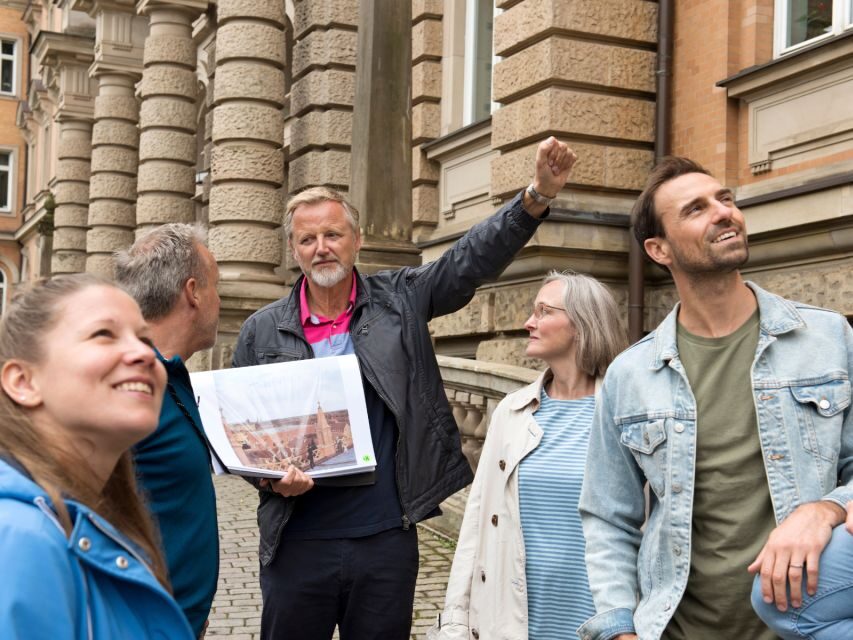
Another highlighted part is learning about Jewish life stories in Leipzig. This is one of the areas where a good guide matters a lot, because it’s easy to turn a neighborhood’s past into generalities. Here, the tour aims to connect those stories to real places as you move through the district.
What you can expect is not just a list of events. You should hear narrative details—how community life fit into the city, and how the story changes with time. Even when you’re not standing at a famous monument, the guide can still show you why the district matters.
If you care about European urban history and the way communities shaped day-to-day life, this segment is likely to be one of the most meaningful parts of the walk.




1700s Context: Why the Tour Mentions Earlier Centuries
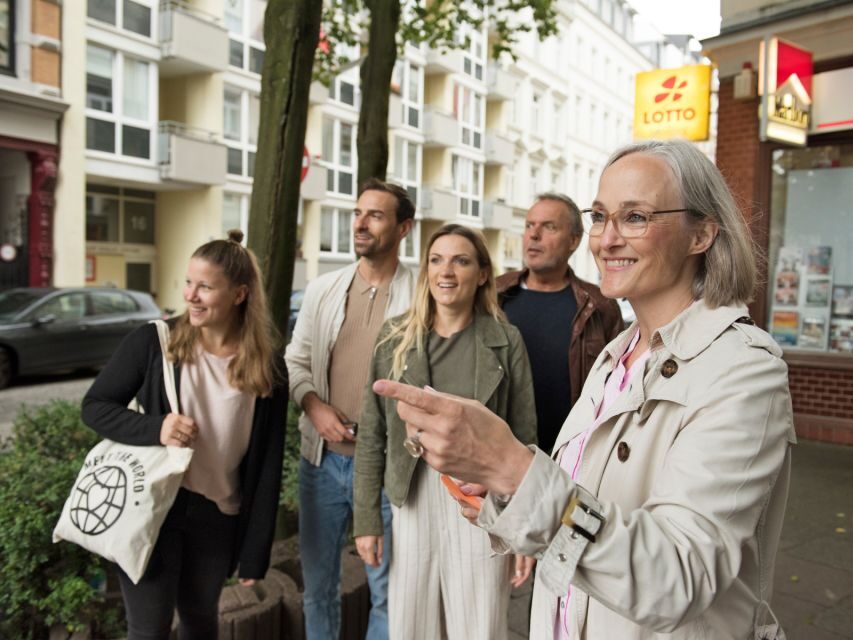
The tour explicitly mentions events of 1700 as part of what you’ll learn. That matters because it gives you a longer runway for understanding Leipzig before the later crises and battles.
In practical terms, it helps you avoid the common “Leipzig only exists in the 1800s” trap. Earlier centuries give you cause-and-effect. You start to see how earlier power, culture, and city momentum set the stage for later turning points.
This kind of multi-century structure is one reason the tour is built with GEO Epoche-style programming. It’s meant to make you connect the dots as you walk rather than treating each era like a disconnected chapter.
Battle of the Nations: Placing the End of the Conflict
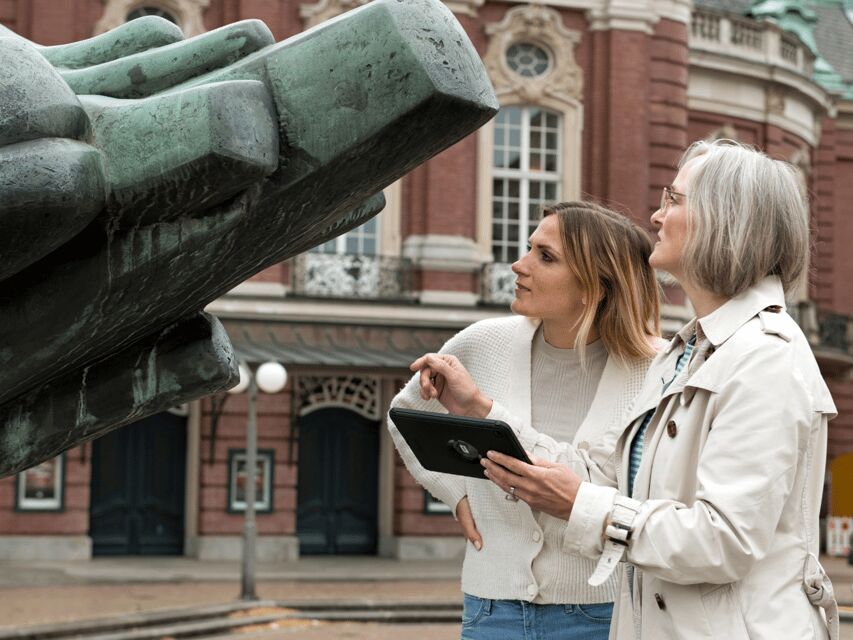
The Battle of the Nations is central to the tour themes, including learning about the end of the battle. Even if you already know the event name, a neighborhood tour can make a big difference: the guide helps you understand what “the end” meant locally, and how Leipzig fits into the broader outcome.
This is where a tour like this can feel much more concrete than reading about the battle after the fact. You’re standing in a part of the city tied to the identity and memory of Leipzig, and the guide’s job is to translate the battle into lived geography.
For me, this is one of those moments where “storytelling” becomes real learning. You can remember details because they’re attached to a place you walked through.
Funkenburg Festival: How Tradition Keeps History Alive
The tour also mentions the annual Funkenburg Festival. That’s a nice contrast to the heavier chapters. Festivals are where history often survives in everyday form—through ritual, humor, and repetition over time.
Even if you’re not visiting during the festival itself, the guide can explain why it’s tied to Leipzig’s past and what it represents for the city. This is a good reminder that history isn’t only about wars and rulers. It’s also about how a community tells stories about itself, year after year.
If your Leipzig trip includes evenings out, this tradition thread can also help you spot where local identity shows up beyond monuments.
When the Route Focus Shifts: Red Bull Arena and Rosental Contrast
One review noted that their tour included modern landmarks like Red Bull Arena and a stop in Rosental, plus a story connected to August der Starke, who almost built a castle. That experience differed from what they expected—especially if they were hoping for deeper, villa-area architectural walkthroughs.
Here’s how I’d translate that into helpful guidance for you: expect a tour that leans into historical eras and story links, and recognize that guides may use modern Leipzig points as contrast to the past. Some people love that because it makes the timeline feel alive. Others find it off-theme if their main goal is architecture detail.
So if your personal must-have is house-level architectural study, do a quick reality check before booking. This is designed as a historical storytelling walk, not a specialist architecture survey.
Price and 2-Hour Value: What $29 Buys You
At $29 per person for 2 hours, you’re paying for a guided, expert-led walk plus a tour brochure. In Leipzig terms, that’s a fairly budget-friendly way to get context without getting stuck in one museum for hours.
Where the value can be especially good:
- If you want multiple time periods in one outing (Wilhelminian era, wars, Battle of the Nations)
- If you like learning through place rather than only through reading
- If you’re visiting with limited time and want a structured route
Where it might not feel like a bargain:
- If you expected a very specific architecture focus (builders, residents, detailed interiors)
- If you’re traveling in a group where everyone wants the same kind of content (story-driven vs architectural details)
Also, the tour runs in German. If your German is basic, you may still catch the big arcs, but you’ll lose nuance. This is one of the biggest practical factors for value.
Language and Comfort: Easy Planning Checklist
This tour is German only, and the guide is a live guide plus brochure. Before you go, make sure you’re comfortable with a German-led walking tour for a full 2 hours.
A couple other practical points:
- The tour takes place rain or shine.
- Bring comfortable shoes.
- Pets aren’t allowed.
- It’s not suitable for people with mobility impairments.
If any of those items could be a deal-breaker, it’s better to know early. On a walking tour, comfort and pace affect how much you actually enjoy the stories.
Who Should Book This Tour (and Who Might Want a Different One)
I’d point this tour toward travelers who:
- enjoy guided storytelling and learning eras in a connected way
- want a neighborhood-focused Leipzig experience, not a museum-only day
- care about Jewish life and the city’s layered past
- can handle German as the tour language (or have a strong interest even if you miss some details)
I’d reconsider if you:
- need step-by-step accessibility accommodations
- want a dedicated architecture tour with heavy detail on specific buildings and interiors
- only want the most famous sites and nothing else
Also, based on reported experience, it’s wise to treat any short walking tour with basic flexibility. One guest reported their booked tour didn’t run as expected and they were only informed later. That’s not something you can “fix” ahead of time, but it’s a good reminder to double-check your confirmation and messages close to start time.
Final Decision: Should You Book This Leipzig GEO Epoche Waldstraßenviertel Tour?
Book it if you want a smart, time-efficient way to understand Leipzig beyond postcards. The Waldstraßenviertel setting plus the tour’s era-to-era storytelling is a solid match for short visits. I especially like that it covers both heavy history (wars, Battle of the Nations) and city identity (like the Funkenburg Festival), plus it includes Jewish life stories rather than sticking to only rulers and battle dates.
Don’t book (or at least adjust expectations) if your main goal is detailed villa architecture study. One experience highlighted a mismatch between expected architecture-focused content and the tour’s story-and-contrast approach, including modern landmarks. If that would frustrate you, look for a more architecture-specific option.
If you do go, go ready to listen, wear good shoes, and be open to the guide’s route choices. This tour works best when you let the neighborhood act like a timeline.
FAQ
How long is the Leipzig Historical Tour Waldstraßenviertel with GEO Epoche?
It’s a 2-hour guided walking tour.
Where does the tour meet?
The meeting point is Jahnallee 18, 04109 Leipzig, at the fountain Tänzerin at Waldplatz.
What language is the tour in?
The tour is in German.
Does the tour run in bad weather?
Yes. The tour takes place rain or shine.
What’s included in the ticket price?
You get a tour guide and a tour brochure.
Is the tour accessible for people with mobility impairments?
No. It’s not suitable for people with mobility impairments.