REVIEW · SPEYER
Speyer: Technik Museum Speyer Ticket with an IMAX Dome Film
Book on GetYourGuide →Operated by SVM GmbH · Bookable on GetYourGuide
Tech heaven in Speyer, minus the boring bits. I really liked walking through the Boeing 747 and then ending with an IMAX Dome documentary, because it makes the museum’s tech stories feel physical and big. One heads-up: the exhibits can feel a little scattered in theme, so a kid who wants constant action might tire faster than you’d hope.
Plan for a full 1-day visit and you’ll get your money’s worth. You’re looking at 3,000+ exhibits spanning underwater gear, rockets, aircraft, vehicles, and industrial wonders, plus one documentary film in the dome. The museum also uses a serious sound setup (22,000 watts, 6 channels), so even without the movie you’re not stuck with quiet display cases.
In This Review
- Key things I’d prioritize at Technik Museum Speyer
- Technik Museum Speyer: a one-day tech tour with serious size
- Inside a Boeing 747 and a Bundeswehr submarine
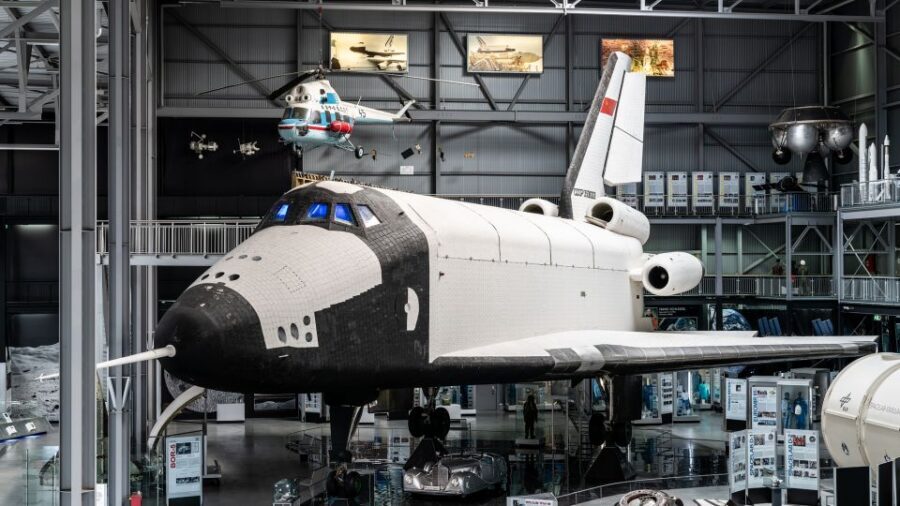
- Space Shuttle Buran and the museum’s biggest aerospace pull
- Classic cars, motorcycles, fire engines, and the Chinese locomotive story
- The IMAX Dome documentary: why the sound and screen matter
- How to plan your day: order, pacing, and avoiding exhibit fatigue
- Accessibility and getting around without stress
- Price and value: does $35 make sense for your interests?
- Should you book the Technik Museum Speyer + IMAX Dome ticket?
- FAQ
- How long is the Technik Museum Speyer visit with the IMAX Dome ticket?
- What is included in the ticket price?
- Where do I exchange my voucher?
- Is the museum wheelchair accessible?
- Are pets allowed?
- Is the IMAX 3D suitable for young children?
Key things I’d prioritize at Technik Museum Speyer
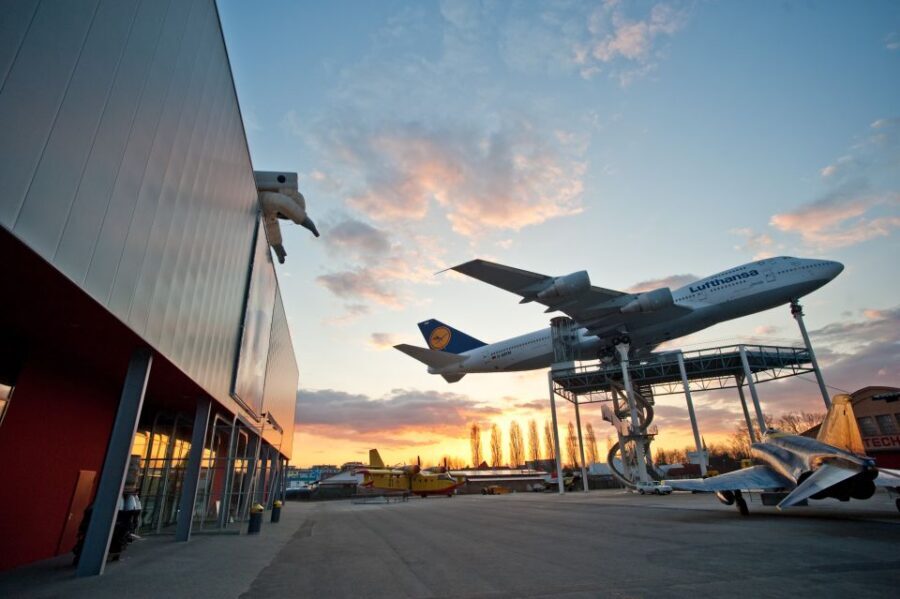
- Walk-ins you can’t fake: go inside a Boeing 747 and explore a Bundeswehr submarine
- Space Shuttle Buran on display: a major highlight for anyone who cares about aerospace history
- Big-screen tech storytelling: IMAX Dome with a 1000 square meter projection area and 6-channel sound
- More than aircraft: classic cars, racing and classic motorcycles, historic fire engines, and steam locomotives
- Oddball real-world stories: like how a Chinese steam locomotive ended up in Speyer
- May brings Brazzeltag: when the museum turns on extra live vehicle action
Technik Museum Speyer: a one-day tech tour with serious size
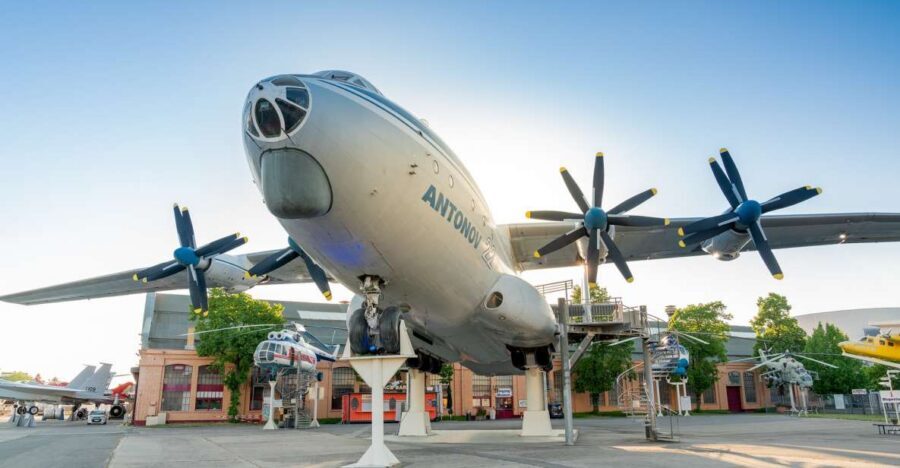
Technik Museum Speyer is the kind of place where you start thinking in “systems,” not just objects. You’ll see how engineers solved problems across land, sea, air, and space, then watch the same design logic show up again and again in different machines.
The big win here is variety with focus. Even with a massive collection, the museum keeps pulling you into real vehicles and real hardware—things you can walk through, point at, and understand at a glance. I like that it doesn’t treat technology like a dusty textbook; it treats it like something built to work.
A practical note: the museum’s scale can make your first hour feel like a lot at once. Give yourself time to get your bearings, then use your own interests to choose the order. If you’re especially into space, for example, you’ll want that section earlier rather than later.
You can also read our reviews of more tours and experiences in Speyer.


Inside a Boeing 747 and a Bundeswehr submarine
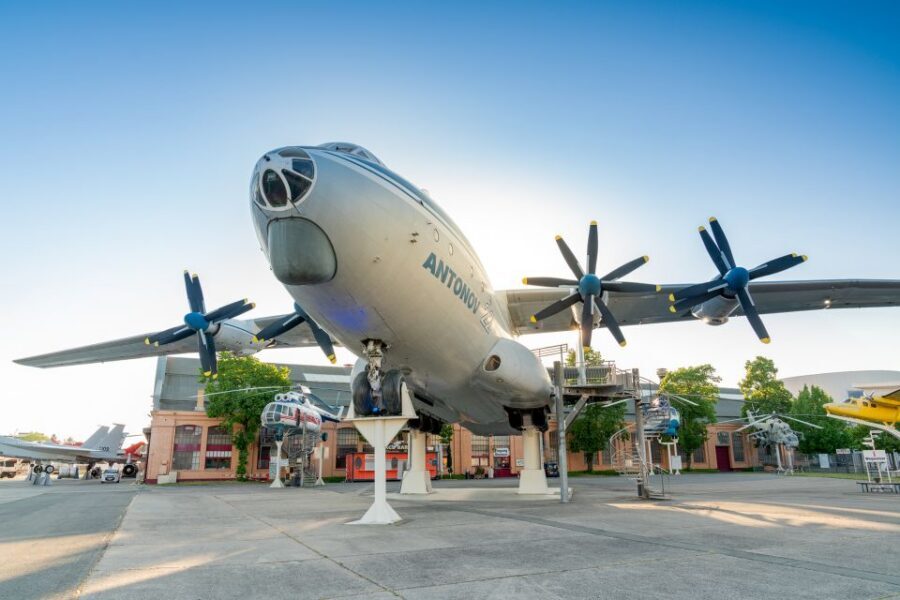
This is where the ticket starts to feel worth it fast. There’s a special feeling to entering an airplane you usually only see from the outside. Inside the Boeing 747, you get a real sense of how big the cabin and systems space is, and how cramped or engineered certain areas must be.
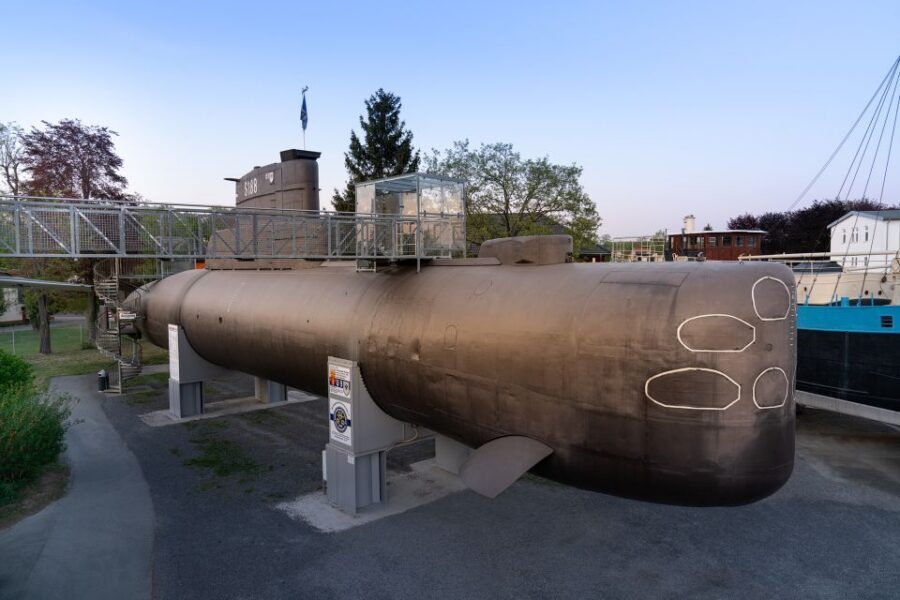
Then you switch to a completely different world with the Bundeswehr submarine. Walking through that kind of steel tube experience gives you instant context for naval technology—what it means to operate in tight spaces, under pressure, and with equipment that has to keep functioning reliably.
The museum’s approach here is smart for families. A vehicle interior helps kids connect the dots without needing long explanations. Adults tend to enjoy it too, because the physical layout tells you more than a label ever could.
One drawback to keep in mind: not every area is equally accessible. While many parts of the museum are barrier-free, the upper floors and some exhibits (like aircraft on the museum roof) aren’t accessible for people with mobility impairments or for buggies. If your group depends on step-free routes, it’s worth planning your “roof/upper” priorities early so you don’t feel rushed later.
Space Shuttle Buran and the museum’s biggest aerospace pull
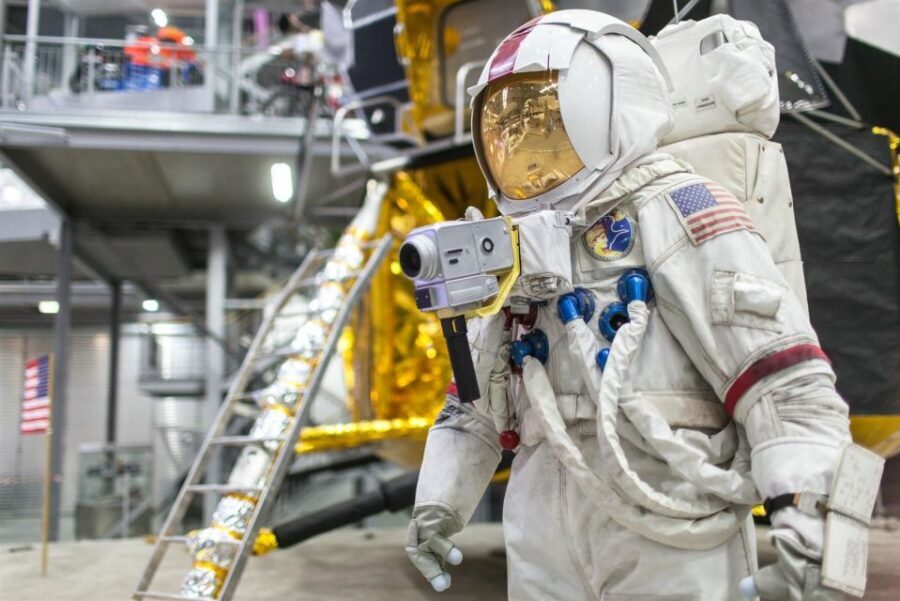
If you’re going to Speyer for one main thing, this is a strong candidate: the Space Shuttle Buran. It gives you a tangible way to think about spaceflight technology beyond rockets-as-a-concept. You’re not just looking at models; you’re seeing a real piece of aerospace story, and that changes how the whole space exhibit feels.
The museum also stacks aerospace next to naval displays, which is a great pairing. You start comparing engineering priorities: heat and re-entry versus corrosion and pressure tolerance; mission systems versus survivability. That “two worlds” setup helps you remember what you learned, because your brain keeps linking similarities and differences.
Expect also a larger space exhibition experience. It’s one of Europe’s biggest aerospace displays, so there’s enough here to satisfy serious fans, but it still works for first-timers because the vehicles and big artifacts do the heavy lifting.
A tip for pacing: if you like to read every sign, budget extra time. If you skim and focus on major objects, you can get through the space and naval areas without feeling overwhelmed. Either way, don’t try to see everything in one straight line. I find it’s better to bounce—space, then a vehicle, then back—so your brain stays engaged.
Classic cars, motorcycles, fire engines, and the Chinese locomotive story
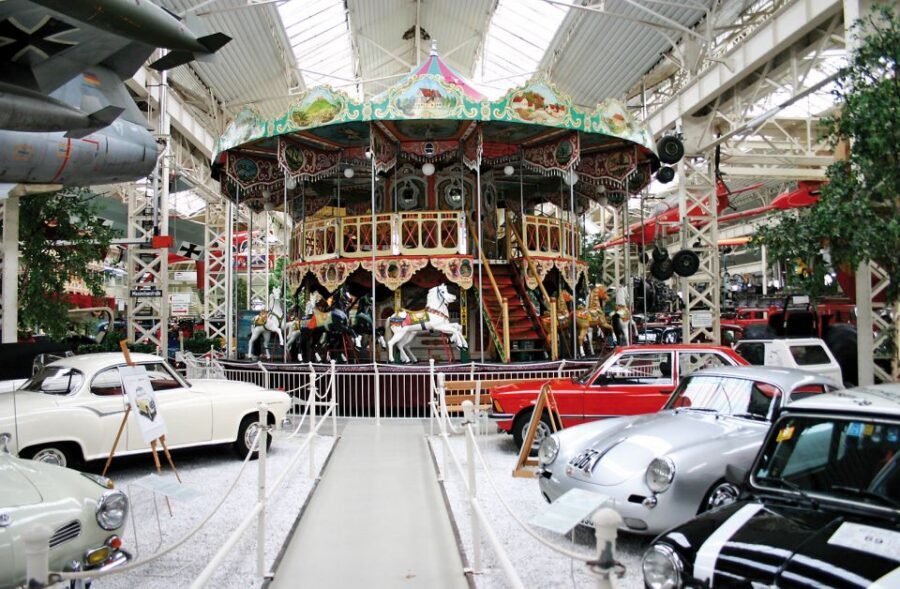
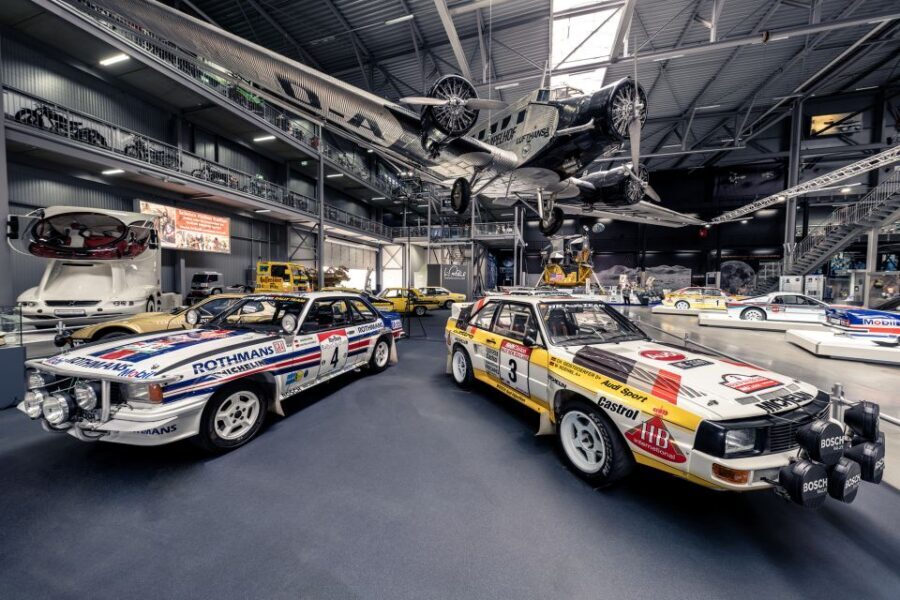
Technik Museum Speyer doesn’t stop at aviation and rockets. You’ll find classic cars, racing and classic motorcycles, historic fire engines, and steam locomotives, all sitting inside a larger “how machines evolved” storyline.
For many visitors, this is the sweet spot: you see technology from the angle of everyday use and real-world impact. A steam locomotive, for example, is basically a mobile factory. A fire engine is emergency engineering under time pressure. Classic cars and racing bikes highlight materials, power, and design choices that show up again in other machines.
One of the more memorable threads is the story around a Chinese steam locomotive that ended up in Speyer. It’s the kind of real-world, slightly weird historical detour that makes a museum feel alive. You start noticing that technology travel isn’t only about flights to museums—it’s also about how equipment gets preserved, moved, traded, and repurposed.
You might also spot mechanical instruments, rare items, and vintage fashions tied to the technical world. This can be a surprise advantage if you’re traveling with a mixed-interest group, because someone always finds a doorway into the collection—even if it isn’t the biggest aircraft or space artifacts.
Seasonal bonus: in May, the museum comes to life with Brazzeltag. You can experience vehicles with tremendous cylinder capacity and horsepower giants in a live format. If your travel dates line up, this adds a layer of energy that standard displays don’t replicate.
The IMAX Dome documentary: why the sound and screen matter
The ticket isn’t only about artifacts. You also get one documentary at the museum’s IMAX Dome cinema, and this is a real value add if you like space, engineering, and big-picture storytelling.
What makes it special is the tech setup. The dome-projection area is 1000 square meters, and the experience uses a 22,000 watt 6-channel sound system. That combination helps the film land in your body, not just your eyes. You’ll likely notice it most during immersive scenes where audio and motion feel synchronized.
You get to choose your documentary film for the day. That sounds simple, but it matters when you’re planning a one-day visit. The dome doesn’t run nonstop; showings are at specific times. I’d treat the IMAX slot like a main event, not a bonus.
Also note the age guidance: the IMAX 3D experience is recommended only for children aged 4 and over, due to intense audiovisual impressions. If you’re traveling with a younger child, pick the film carefully and don’t assume 3D is automatically the right choice.
A practical move: check show times at the entrance early, then build your museum path around that schedule. If you wait until the end, you can end up with no suitable showing and lose a big chunk of what you paid for.
How to plan your day: order, pacing, and avoiding exhibit fatigue
With a place this big, your “route” matters more than most people expect. I’d start with the walk-in highlights first—the Boeing 747 and submarine—because you’ll get the strongest wow-factor while your energy is high. Then shift to space and aerospace, where you can slow down and focus on the big artifacts like Buran.
After that, go for variety: classic cars and motorcycles, then steam locomotives, then the fire-engine-type history. This shift prevents the “same feeling all afternoon” problem. When the themes change often, you keep getting new mental hooks.
Expect your visit to last longer than you think. One family-style timing that seems realistic is around half a day to five hours, depending on how much you read and whether you include the full IMAX experience. If you’re strict on time, you’ll still enjoy the key vehicles, but you’ll want to skim the smaller rooms.
Food and comfort matter too. The museum is set up for a day visit, and you’ll find amenities like clean restrooms and a place to eat that works for a quick break. I’d plan at least one pause so your second half doesn’t feel like a sprint.
Layout can be a little surprising. Some exhibits don’t sit in the exact theme you expect—for example, vehicles can be grouped in ways that feel less intuitive than you’d predict. This can be charming if you like wandering, but it can feel chaotic if you want strict order. If that’s your style, choose your “must-sees” first and let the rest be flexible.
Accessibility and getting around without stress

Most major areas are barrier-free, including parking, the restaurant, the lobby, the ticket office, the open-air ground, and the museum ground floor. So if your group can move through step-free spaces, you should be fine for the bulk of the visit.
The big limitation is on upper floors and certain exhibits. Aircraft on the museum roof and some upper areas aren’t accessible for people with mobility impairments or for buggies. If roof aircraft are on your list, plan for that reality early, and don’t assume every photo-friendly spot is reachable.
If you’re traveling with mobility needs, it helps to think in layers: ground-floor vehicles and core galleries first, then decide later whether you can access anything higher or roof-related.
Finally, a small rule that affects planning: pets aren’t allowed.
Price and value: does $35 make sense for your interests?
At about $35 per person for a day that combines museum admission plus one IMAX Dome documentary, the value depends on what you’re here for.
If you care about big machines—especially aircraft and naval hardware—you’re likely to feel good about the price. Walk-ins like the airplane and submarine make the museum feel more like a hands-on collection than a pass-and-pause attraction.
If your group mostly wants modern tech gadgets or interactive screens, you might feel the ticket is too focused on older machinery and classic vehicles. This is still a great museum, but the appeal is more engineering and vehicle-history than app-based thrills.
Families often land in the sweet spot. The museum is strong on vehicles that keep kids visually engaged, and the IMAX Dome gives you a high-impact break from walking. Just be honest about attention span. If a child is sensitive to intense audiovisuals, keep the 3D age guidance in mind.
One more angle: the IMAX documentary timing can either boost your day or become a frustration. Since showtimes are limited, confirm your film schedule early so you don’t end up skipping the IMAX portion.
Should you book the Technik Museum Speyer + IMAX Dome ticket?
Book it if you want a one-day mix of real vehicle interiors, serious aerospace-and-navy displays, and one big-screen documentary with heavy sound and an enormous dome projection. It’s especially worth it if the Boeing 747, submarine experience, or Space Shuttle Buran are on your list.
Skip or reconsider if you strongly prefer highly interactive modern attractions, or if you’re traveling with kids who get bored quickly unless the schedule is perfectly timed. In that case, plan showtimes early and treat the IMAX slot like a fixed appointment.
If you do plan well, this ticket offers a lot of tangible variety in a compact time window. You’ll leave with a sharper sense of how technology evolved across worlds that seem totally unrelated—sea cruisers and space shuttles included.
FAQ
How long is the Technik Museum Speyer visit with the IMAX Dome ticket?
The ticket is valid for 1 day, and you plan your visit around both the museum and your 1 documentary screening at the IMAX Dome cinema.
What is included in the ticket price?
It includes Technik Museum Speyer admission plus entrance to 1 documentary at the IMAX Dome cinema.
Where do I exchange my voucher?
You exchange your voucher at the Technik Museum Speyer ticket counter.
Is the museum wheelchair accessible?
Many areas are barrier-free, including parking, restaurant, lobby, ticket office, open-air ground, and the museum ground floor. Upper floors and some exhibits are not accessible, including aircraft on the museum roof.
Are pets allowed?
No. Pets are not allowed.
Is the IMAX 3D suitable for young children?
The IMAX 3D experience is recommended only for children aged 4 and over, due to intense audiovisual impressions.
If you want, tell me your travel month and whether you’re going with kids or mobility needs, and I’ll suggest a smart order for hitting the biggest highlights plus the IMAX showtime.