REVIEW · MUNICH
Nuremberg Private Guided Tour from Munich by Rail
Book on Viator →Operated by Nuremberg City of Empires Tours · Bookable on Viator
Nuremberg hits hard, then makes sense. This private rail day from Munich pairs easy roundtrip trains with a customizable guide-led route, moving from medieval Altstadt sights to key WWII-era landmarks. Two things I really like: you get taken care of on the rail logistics, and you don’t just march through stops—you get context. One possible snag: a couple of the most interesting interiors can cost extra or be closed on the day, so you’ll want a little flexibility.
The format is built for your schedule. You can meet at Munich Hauptbahnhof (80335), and pickup from your hotel in Munich is offered too. The whole thing runs about 8 to 9 hours, which is long enough to feel like a real day out, but short enough that you’ll still be back in Munich the same day.
Expect a day with two faces: beautiful medieval planning in the morning, and difficult Nazi-era history later. You’ll cover main town highlights plus sites tied to the Nazi Party rallies, including the unfinished Congress Hall and the Documentation Center. It’s also a private tour, so only your group rides and walks together, with the guide keeping pace relaxed but efficient.
In This Review
- Key Things To Know Before You Go
- Planning Your Day Trip From Munich: Trains, Time, and a Real Local Route
- Price and Logistics: Is $474.09 Per Person Good Value?
- Old Town Altstadt: Medieval Streets, Markets, and a Fountain With Attitude
- Kaiserburg and Dürer House: Power, Art, and the View From the Castle
- Churches and City Pride: What St. Sebaldus Adds (and What You Pay For)
- Nazi-Era Nuremberg: Congress Hall and the Documentation Center
- Lunch, Timing, and Your Guide’s Pace: How This Tour Really Works Day to Day
- Who This Private Nuremberg Rail Tour Suits Best
- Should You Book This Nuremberg Private Guided Tour?
- FAQ
- How long is the Nuremberg private guided tour from Munich?
- Where do we meet in Munich?
- Is this tour private?
- What’s included in the price ($474.09 per person)?
- Is the tour offered in English?
- Are there extra admission fees?
- Can I cancel for free?
- After You Go: Quick Last Thoughts
Key Things To Know Before You Go
- Roundtrip rail transport from Munich is included, which saves time and stress
- Hotel pickup/drop-off is available, so you don’t have to manage stations on your own
- A private guide builds a route around what you care about, not a rigid checklist
- Altstadt highlights are quick and walkable, including the market and the Beautiful Fountain
- WWII-focused stops include the Nazi Party rally grounds and Congress Hall
- Some attractions require extra tickets, so budget a bit beyond the base price
Planning Your Day Trip From Munich: Trains, Time, and a Real Local Route
This tour is basically a managed day out. You start either at Munich Hauptbahnhof or with hotel pickup (yes, you can be met at your lodging). From there, you’re on the train to Nuremberg with roundtrip transport handled as part of the experience.
What you gain from this, in plain terms, is fewer moving parts. Even if you’re comfortable taking trains, doing a rail day trip plus city navigation plus museum entry planning can turn into mental work. Here, your guide handles the flow: getting you to each stop, keeping timing tight, and making sure you’re back on the rails for the return.
The day is structured around a mix of areas that are close enough to work in a single visit, but still far enough apart that you’ll feel like you left the city center. Think of it as Old Town first, then the darker WWII sites afterward. The exact pace depends on your guide and your interests, and the best guides use that private format to adjust.
One practical note: you’ll be in motion for much of the day. Even with a guide, this isn’t a sit-around coach tour. Comfortable walking shoes matter, especially once you’re in the medieval center and later around major WWII landmarks.
You can also read our reviews of more guided tours in Munich

Price and Logistics: Is $474.09 Per Person Good Value?
At $474.09 per person for a private guided day with roundtrip trains and pickup/drop-off, you’re paying for convenience plus one-to-your-group attention. Whether it feels like value depends on your group size and how you’d otherwise build the day.
If you tried to do this on your own, you’d still need:
- train tickets Munich to Nuremberg and back
- a guide (or lots of reading and planning)
- coordination across multiple stops and museum/exhibition entries
What makes this price easier to justify is that your guide becomes part of the transportation experience, too. Several guides in the tour’s feedback are praised for taking charge of rail timing and helping you connect through stations and transit smoothly.
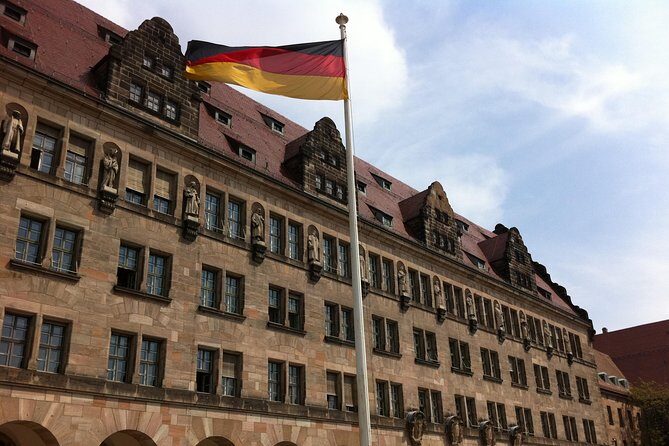
Also keep in mind extra costs. The tour covers many key exterior sights with free entry, but not everything is free. There’s also a €7.50 entrance fee mentioned for the courthouse exhibition or the Documentation Center Nazi Party Rally Grounds. Plus, some church/house admissions aren’t included.
So here’s the reality: this is best value when you want a guided historical day and you want it without the planning headache. If you only want to stroll the Old Town for an hour or two, you might find a cheaper approach. If you want the WWII story told with care and context, this price can start to look fair.
Old Town Altstadt: Medieval Streets, Markets, and a Fountain With Attitude
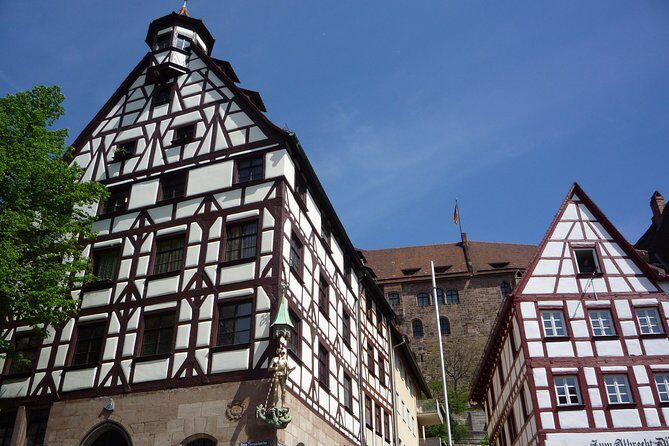
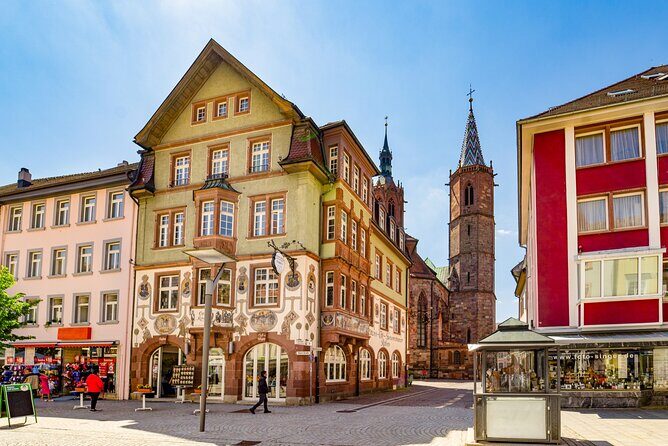
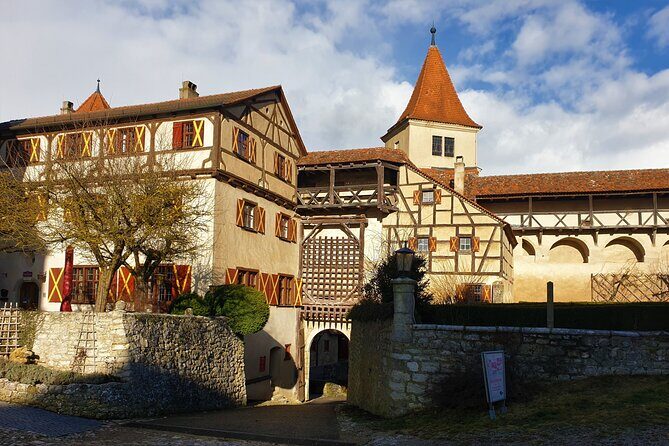
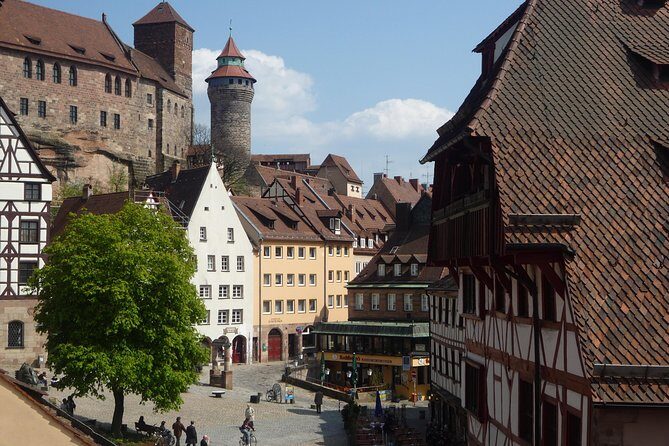
The morning begins where Nuremberg feels most like itself: the Altstadt, the walled medieval core. Expect an atmospheric walk through streets shaped by centuries of city life. You’ll get a guided orientation here that helps everything after make more sense. Without that first grounding, the later WWII landmarks can feel like separate “stops” instead of part of one city story.
From Altstadt, the route moves into smaller, quick stops that work well for people who want texture without spending the whole day museum-hopping. You’ll have time around a traditional craftsman court area (Handwerkerhof), where shops and restaurants sit in a reproduced historical setting. It’s short, but it adds flavor: you get a sense of what the city has always done—trade, crafts, daily life.
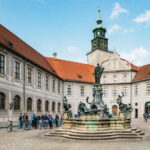
Then come two of the big heartbeats: the Hauptmarkt (the main market area dating back to the 1300s) and Der Schöne Brunnen, the Beautiful Fountain. This fountain isn’t just a pretty photo spot. It’s wrapped in the kind of local symbolism that guides can explain in a way you’d miss on your own.
A practical tip: use the time here to plan your lunch strategy. The market area is a natural place to break up the morning energy with food and a breather. If you want to keep the day smooth, pick lunch around this general area rather than trying to sprint across town later.
Kaiserburg and Dürer House: Power, Art, and the View From the Castle
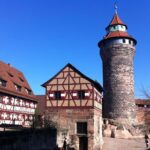
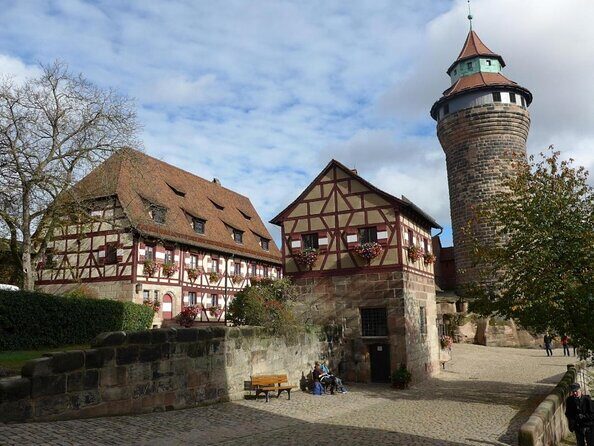
Next, you shift toward the more commanding landmarks: the Kaiserburg (Imperial Castle) dating back to at least the year 1050. Even if you don’t go deep into every interior, the point is the feel—this is where power and defense shaped what the city could be. In a guided format, you’ll usually get a clear explanation of how the castle anchored political life.
Time here is tight but worthwhile. You’re looking at about a quarter-hour allocation for the castle area, so don’t treat it like a long museum visit. Treat it like a landmark moment: the guide ties it back to Nuremberg’s identity, and you get that “now I get it” feeling.
After the castle, you’ll pass by the Albrecht Dürer House, the original home of the Renaissance artist. The catch: admission isn’t included. Still, even a brief guided stop helps. Dürer is part of why Nuremberg feels more than just a WWII destination. The city has art credibility, and the guide can connect the artist to the broader cultural story.
If you’re hoping to go inside, be prepared for extra ticketing and possible closures. One piece of feedback noted that the Dürer House was closed on a travel day. That doesn’t mean you should avoid the tour—it just means you should keep expectations flexible and rely on your guide to redirect to still-meaningful nearby context.
Churches and City Pride: What St. Sebaldus Adds (and What You Pay For)
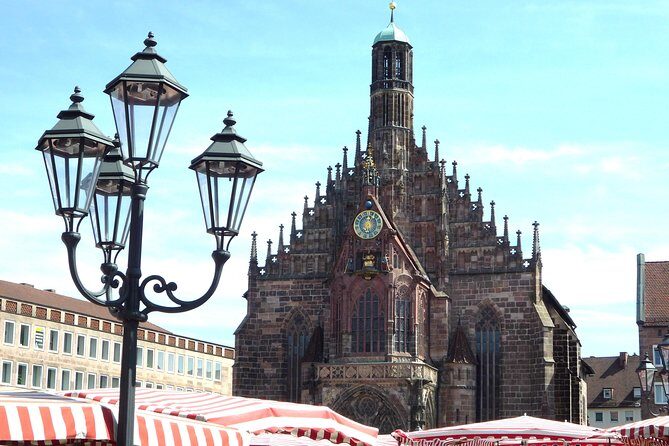
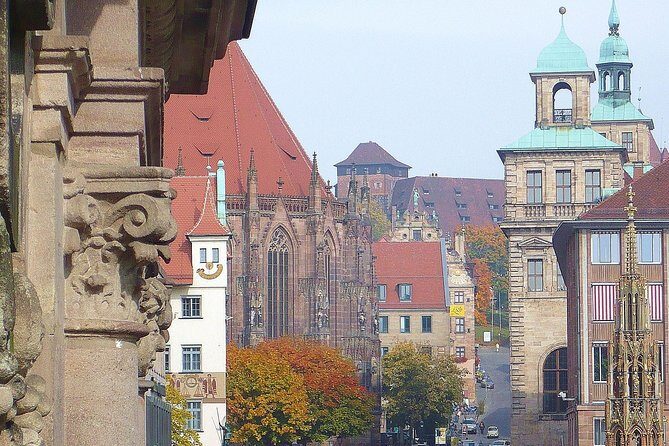
The next Old Town stop is St. Sebaldus Church, the oldest church in Nuremberg and the city’s patron saint connection. Like Dürer House, it’s one of those moments where the outside and the story matter even if your schedule is tight.
Admission for St. Sebaldus Church isn’t included, so if you want to go in, you’ll likely need to pay separately. Even when you only have time for a quick look, a guided explanation helps you understand why this church holds symbolic weight in Nuremberg.
This church stop is also where the tour often benefits from your guide’s storytelling style. In the feedback, guides were repeatedly praised for tailoring explanations and answering questions with a human tone—people described the experience as comfortable and not rushed. That matters because religion and symbolism can otherwise turn into a list of names. With the right guide, you walk away with a sense of what these places meant to locals.
You can also read our reviews of more private tours in Munich


Nazi-Era Nuremberg: Congress Hall and the Documentation Center
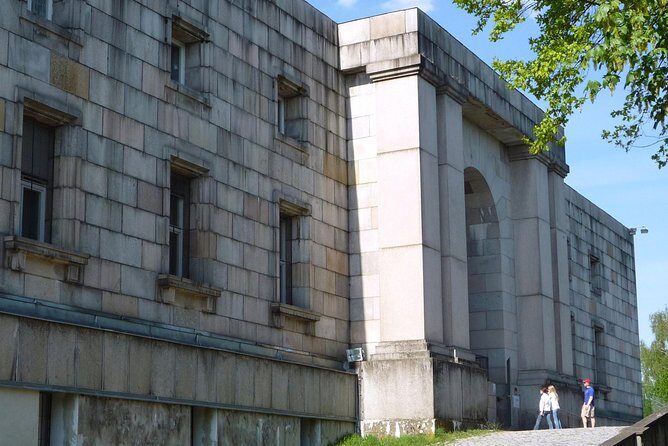
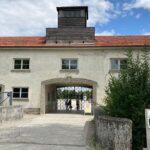
Once you head toward the WWII sites, the tone shifts. You’re visiting two big pillars of the Nazi Party rally complex story: the unfinished Congress Hall (Kongresshalle Nurnberg) and the Documentation Center at the Nazi Party Rally Grounds.
The Congress Hall stop is short—around 15 minutes—and that brevity is intentional. It’s not a “spend all day here” location. Instead, it gives you a clear visual anchor. You’ll see the scale of the ambition and the “unfinished” reality that marks the limits of what those projects could actually deliver.
Then you move to the Documentation Center, where the context becomes the main event. You’ll have about an hour here. This is typically where the guided narrative gets heavier, because you’re no longer looking at architecture and planning—you’re looking at what happened and how the system worked.
Budget note: there’s an extra fee mentioned for the Documentation Center Nazi Party Rally Grounds exhibition area (listed as €7.50 per person). So if you’re the kind of person who wants the full museum content, plan on that add-on.
One piece of feedback offered an honest caution about rally grounds in general. The space has changed over time, and at least some visitors felt that the rally grounds themselves aren’t as visually impressive today as you might expect. Here’s how I’d translate that into your decision-making: the Documentation Center is the part to prioritize for understanding. Even if the outdoor grounds feel less striking, the museum content is what gives meaning.
Lunch, Timing, and Your Guide’s Pace: How This Tour Really Works Day to Day
A good guide doesn’t just know facts. They manage time and energy. That’s what many people praised—guides who kept things relaxed but didn’t waste minutes, with clear transit directions and enough flexibility for questions.
You’ll likely have built-in time for lunch, and a few feedback notes praised guides for steering people toward places convenient to the route. One example: Susanna was described as helpful in getting people into a beer garden/restaurant and then on the trains and connections on time. That’s the kind of small “glue” that makes a day trip feel effortless instead of chaotic.
Also pay attention to the tone of pacing. Feedback repeatedly mentioned that participants never felt rushed. In a private tour, this matters because you can ask questions without worrying you’re holding up a large group.
However, not every guide day is perfect. One person mentioned a train ride where the guide wasn’t interacting much during the trip back. Another mentioned a communication hiccup about pickup info and that the guide seemed irritated at the start. Those are reminders for you: confirm pickup details ahead of time, and check your email close to departure. In a city like Munich and with multiple rail connections, being proactive prevents stress.
Who This Private Nuremberg Rail Tour Suits Best
This tour is a strong fit if you want:
- a guided day focused on Nuremberg’s medieval core and WWII-era sites
- a private group experience with an option for a more personalized route
- help managing train travel and moving between city landmarks
It’s also ideal for people who appreciate guides who connect history to the present. Several named guides in the feedback, including Jason, Susanna, Paul, Nick, Chris, and Akim, were praised for storytelling and for making the day feel friendly and approachable.
If you’re traveling as a couple, a small family, or a solo traveler, you’ll likely like the attention-to-your-pace style. Feedback also described the tour as working particularly well for smaller groups, where you can ask questions and adjust priorities without feeling like you’re on a conveyor belt.
On the flip side, if you hate walking and you want long time inside specific sites, you might find the schedule a bit tight. This is a “cover the key parts” day. It’s not built for deep, hours-long museum immersion at every stop.
Should You Book This Nuremberg Private Guided Tour?
I’d book it if you want a guided Nuremberg day that connects the city’s medieval identity with the WWII story—without forcing you to research transit and timing on your own. The included rail transport plus hotel pickup/drop-off is a real convenience, and the repeated praise for guides like Jason and Susanna points to the experience’s main strength: human, question-friendly storytelling with good timing.
I’d think twice if you’re mostly after outdoor sightseeing only, or if you know you’ll be upset if an interior like the Dürer House or another ticketed stop is closed. The solution isn’t to skip the tour—it’s to go in with flexibility and let your guide redirect you when needed.
Overall, this is a well-sized day trip: enough time to feel Nuremberg fully, without making it a travel marathon. If your goal is understanding and not just checking boxes, this tour fits.
FAQ
How long is the Nuremberg private guided tour from Munich?
It runs about 8 to 9 hours, depending on how the day flows.
Where do we meet in Munich?
The meeting point is Munich Hauptbahnhof (80335). Pickup is also offered, and meeting at the Munich train station is possible.
Is this tour private?
Yes. It’s a private tour/activity, and only your group participates.
What’s included in the price ($474.09 per person)?
The package includes hotel pickup and drop-off, a private guide, and round-trip train transport.
Is the tour offered in English?
Yes, it’s offered in English.
Are there extra admission fees?
Yes. The entrance fee for the Courthouse exhibition or the Documentation Center Nazi Party Rally Grounds is listed as €7.50 per person. Also, Albrecht Dürer House and St. Sebaldus Church have admission tickets that are not included.
Can I cancel for free?
Yes. You can cancel up to 24 hours in advance for a full refund.
After You Go: Quick Last Thoughts
If you want Nuremberg to feel coherent—medieval first, then WWII with real context—this is the kind of day trip that delivers. Just plan for a small bit of extra ticket budgeting, and keep your expectations flexible for interiors that can be closed on certain days.