REVIEW · MUNICH
Munich: Official City Card for Public Transport & Discounts
Book on GetYourGuide →Operated by Turbopass City Pass · Bookable on GetYourGuide
Munich can feel big. This card helps you move fast and pay less. The Munich City Card is a digital transport ticket plus discounts at major sights, so you can bounce between neighborhoods without stopping to buy a new ride or ticket every time.
I especially like two things: the flexibility to use S-Bahn, subway, bus, tram, and regional trains as you crisscross the city, and the built-in discounts up to 70% at museums and castles (including a discounted Neuschwanstein tour). The main thing to watch is that the savings are only as good as the plan you build—plus, if you buy a group ticket, everyone named on it must travel together, or you can run into trouble.
In This Review
- Key highlights to clock before you go
- How the Munich City Card works once you land
- City center coverage vs the wider M-6 area
- What public transit lines your pass includes
- Turning discounts up to 70% into real savings
- A 1-day plan for when you’re short on time
- A 2- to 3-day sightseeing rhythm that makes sense
- Stretching to 4–5 days: more variety, less stress
- Neuschwanstein day: using the included discount
- Single vs group tickets: rules that matter
- Price and value: is $19 a smart buy?
- Who should book this pass
- Quick decision guide: should you book?
- FAQ
- Where do I get the City Card?
- How long is the City Card valid?
- What public transportation can I use with the City Card?
- Which areas are covered: Munich City or M-6?
- Can I use the card for a Neuschwanstein tour?
- Is there a group option, and who can ride on it?
- Do young kids ride for free?
Key highlights to clock before you go
- Digital City Card by email: no meeting point, just a phone ticket you’ll have ready at the gates and on board.
- Pick your coverage: Munich or M-6: the M-6 option reaches farther, including the airport, Starnberger Lake, and Dachau.
- 1–5 day flexibility: buy the length that matches your pace instead of overpaying.
- Discounts up to 70% at 100+ attractions: enough options to stack savings across multiple stops.
- Neuschwanstein discount is included: you can add the Castle Neuschwanstein tour and use your discount.
- Group ticket rules are strict: the named group needs to be traveling together.
How the Munich City Card works once you land

The smooth part here is that you don’t have to chase a physical card. Your digital City Card and transport ticket arrive by email, and there’s no meeting point because you start using it right away. For a city where you’re often hopping between tram stops and platforms, this is the kind of setup that saves decision-making time.
In practice, you’ll treat your phone like your wallet. You’ll want a charged smartphone before you try to board, because your City Card is digital and you need it accessible when you need it.
Also note this isn’t a “single attraction” deal. It’s a way to support a sightseeing rhythm—ride, hop off, visit, repeat—without repeatedly buying separate transport tickets and with the option to save at a wide list of venues.
You can also read our reviews of more city tours in Munich



City center coverage vs the wider M-6 area
One of the best decisions you’ll make is choosing between the Munich City ticket and the Munich M-6 ticket. If you’re focused on the core neighborhoods and the big downtown sights, the Munich City option will often be enough.
Pick Munich M-6 if your plan reaches beyond the center. This wider area includes:
- the airport
- Starnberger Lake
- Dachau
That matters because Munich’s transport options are excellent, but the pass only works inside the selected coverage zone. If you already know you want at least one day that pulls you toward the lake or Dachau, going with M-6 can prevent the classic regret of paying extra on top.
What public transit lines your pass includes
This card is built for rail + street-level travel. It covers:
- S-Bahn
- subway
- bus
- tram
- regional train
That’s a big deal because it gives you choices when schedules or connections shift. You don’t have to force your day around one “best route.” Instead, you can pick the easiest stop to reach based on where you are and where you’re going next.
If you like doing things on your own schedule—museums in the morning, a palace in the afternoon, an evening ride back—this is the kind of flexibility that keeps your day from feeling boxed in.
Turning discounts up to 70% into real savings

The headline is up to 70% off at participating attractions, with discounts at 100 attractions. That’s a powerful number, but the smarter move is to treat it like a planning tool, not magic.
Here’s how I’d use it to make the pass pay off:
1) Pick your “must-see” list first
You already know the places you’d visit if price didn’t exist. Then check whether those are in the discount range.
2) Stack multiple discounts in the same area
You’ll save more when you use the pass to move between nearby sights rather than using it for one isolated trip.
3) Use the discounts strategically
Some venues may not always be a huge win depending on what you’d pay normally, but even a few strong discounts can tip the math in your favor.
From the available discount list, you can look at options like:
- Castle Neuschwanstein tour
- Deutsche Museum
- Lenbachhaus
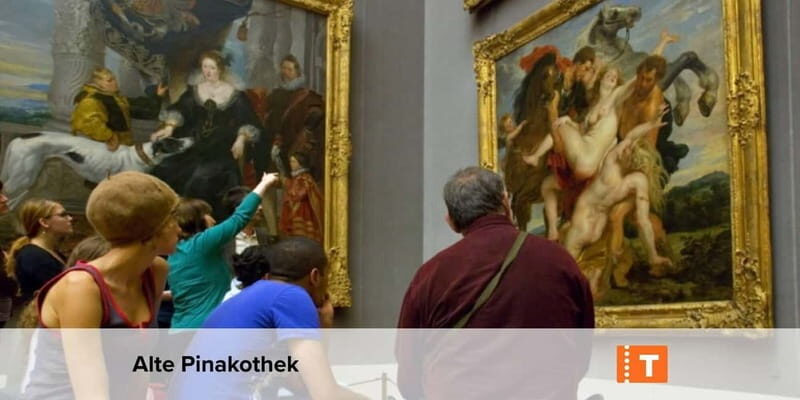
- Residence museum
- Lustheim castle
- Pinakothek der Moderne
- Münchner Stadtmuseum
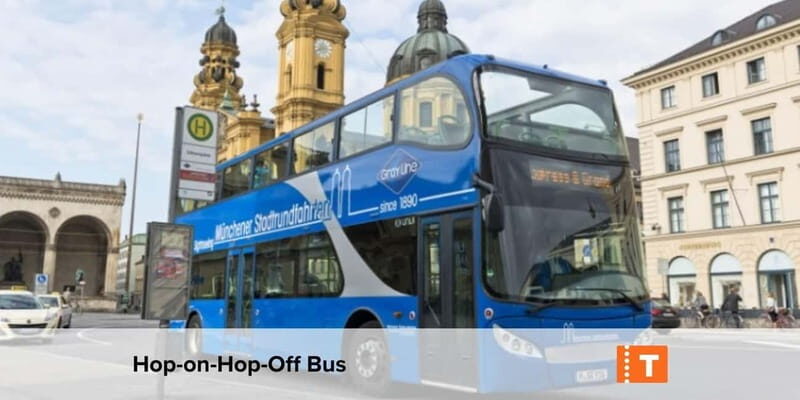
- Hop on Hop Off bus
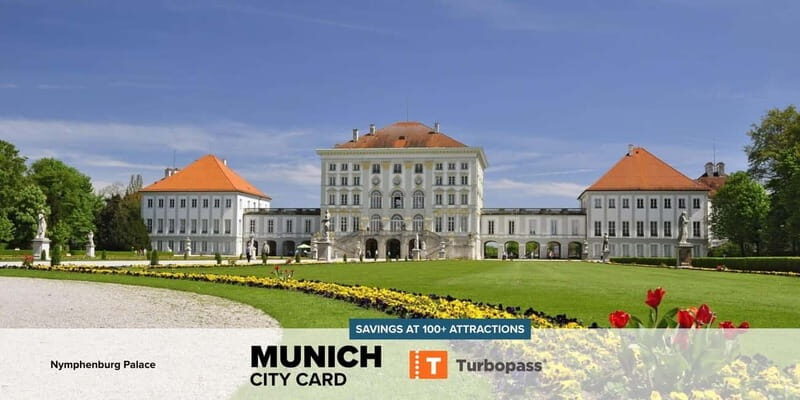
- Nymphenburg Palace
This set is great for mixing art, museums, and palaces. So if your ideal Munich trip is part culture and part scenic breaks, the discount structure supports that.
One caution from how these passes usually work in the real world: the discounts can vary by venue. So when you’re deciding between two similar options, don’t assume the percentage is identical everywhere—use the pass info to confirm the deal for the exact place you’re going to.
A 1-day plan for when you’re short on time

If you only have a day, you want one tight route, not five scattered stops. You also want to rely heavily on public transit so you get movement without wasting time.
With a short stay, I’d build your day around a cluster of major sights plus one “big wow” option. The transport coverage lets you keep it simple: ride to your main area, do two or three visits, then ride back.
Good “day focus” ideas from the discount list include:
- Nymphenburg Palace (pair with one nearby museum stop so you’re not hopping all over town)
- Deutsche Museum for a heavier indoor day
- Pinakothek der Moderne if you want art-forward time
If Neuschwanstein is a priority, you can also choose the discounted Castle Neuschwanstein tour, but a day trip needs careful timing. This card’s validity works for 1–5 days, so starting your day plan early is the key to avoiding wasted transit and missed tour slots.





A 2- to 3-day sightseeing rhythm that makes sense

Once you have 2–3 days, you can stop thinking in terms of “one museum” and start thinking like a real itinerary: a morning anchor, an afternoon shift, and an easy evening.
Here’s a practical way to structure it using the types of places included in the discount network:
Day 1: Museums and city-center culture
Aim for one or two museums from the list so you can spend time inside without rushing. Options include:
- Deutsche Museum
- Lenbachhaus
- Münchner Stadtmuseum
- Pinakothek der Moderne
- Residence museum
Day 2: Palace time and a relaxed follow-up
Nymphenburg Palace is a strong centerpiece. Then add one more cultural stop rather than switching gears completely.
Day 3 (optional): Neuschwanstein tour day
This is where the discount inclusion can be a big money-saver, especially if you were already set on going.
The smart part: this pass supports moving between these areas efficiently, because it covers inner-area transit and regional trains within your chosen coverage.
Stretching to 4–5 days: more variety, less stress
Longer trips are where this card starts to feel especially useful. You stop treating transport as a separate cost and start treating it as part of the day.
With 4–5 days, you can spread your sightseeing out, add another palace or museum, and still keep time buffers for meals, wandering, and transit delays.
From the available discount list, you can plug in additions like:
- Lustheim castle
- Hop on Hop Off bus (useful when you want an easy sightseeing loop without committing to constant transfers)
And if you selected the M-6 area, you can more easily plan an outing toward:
- the airport area
- Starnberger Lake
- Dachau
Longer Munich trips also make it easier to take advantage of the “try one more thing” approach. If you’re not forced to choose just two venues to stay on budget, you can follow your energy instead of your spreadsheet.
Neuschwanstein day: using the included discount
Neuschwanstein is the obvious “big ticket” style add-on most first-timers want. The good news here is that you can join a Castle Neuschwanstein tour and use your City Card discount.
What I’d emphasize for planning: don’t treat Neuschwanstein as an afterthought. The pass is valid for 1–5 days, and you can check availability for starting times, but this is the part of the trip where timing really matters. If you go in unprepared, it’s easy to turn your day into a scramble.
My practical approach:
- Decide which day you’ll do it before you start booking other museum blocks
- Build your other days around staying flexible
- Keep your phone charged so you’re not hunting for your ticket at the last minute
If Neuschwanstein is on your list, the discount can help you justify the trip even if you’re being price-conscious.
Single vs group tickets: rules that matter
If you’re traveling solo or as a couple, life is simpler. But if you’re buying a group ticket, read the rules carefully.
Key points from the pass rules:
- Group tickets cover up to 5 adults.
- Two children between 6–14 count as one adult for the group ticket calculation.
- If you choose a group ticket, you need to travel with the people who are named on the public transportation group ticket.
This is the most important “don’t mess this up” detail. A group pass is not a free-for-all. If people split up in a way that doesn’t match the named group, you could get stuck dealing with penalties.
So if you’re traveling with friends and you’re the type to split up for an hour, consider buying separate tickets instead of relying on one group option.
Price and value: is $19 a smart buy?
$19 per person (for a pass that lasts 1–5 days) can be a great value, but only if you use it the way it’s intended: lots of rides and multiple discounted stops.
Here’s how to judge it quickly:
- If you’ll take frequent transit rides, the transport portion starts doing work from day one.
- If you’ll visit several of the included discount attractions (especially the bigger names like Nymphenburg Palace and Deutsche Museum), the discount portion can stack fast.
- If you’re doing the Neuschwanstein tour, that can be the strongest value boost, since you were already likely planning a separate paid excursion.
The coverage choice changes the math too. If you picked the Munich City option but your plan includes Starnberger Lake or Dachau, you may lose value because you’d be paying for rides outside the zone. On the flip side, if you stay in the core, the wider M-6 pass might be more than you need.
If you’re the kind of traveler who likes museums, palaces, and one big day trip, this card usually fits nicely.
Who should book this pass
This is best for you if:
- you want flexible public transport without ticket-buying interruptions
- you plan to visit multiple major sights, not just one
- you like building days around museums and palaces
- you’re comfortable using a digital ticket on your phone
- you’re traveling with others and can manage group-ticket rules carefully
It may not be the best fit if you’ll only do one attraction and you won’t use transit much. In that case, paying for a small number of tickets directly might be simpler.
Quick decision guide: should you book?
Book it if your Munich trip looks like: transit throughout the day + two or more discounted attractions + maybe Neuschwanstein. The digital setup and the transit coverage make it easy to follow a plan without constant extra purchases.
Skip it (or consider a shorter/alternate approach) if you’re mostly staying in one area, you hate depending on your phone battery, or your group plans include frequent splitting that won’t match the named group ticket rules.
If you want a Munich trip that feels efficient and slightly more forgiving on your budget, this City Card is a strong way to get moving and start saving early.
FAQ
Where do I get the City Card?
You receive your digital City Card and transportation ticket directly via email, and there is no meeting point.
How long is the City Card valid?
It’s valid for 1 to 5 days. You choose the number of days that matches your trip length.
What public transportation can I use with the City Card?
You can use the pass on S-Bahn, subway, bus, tram, and regional train.
Which areas are covered: Munich City or M-6?
You can choose either the Munich City area or the Munich M-6 area, which includes the airport, Starnberger Lake, and Dachau.
Can I use the card for a Neuschwanstein tour?
Yes. You can join the Castle Neuschwanstein tour and use your discount.
Is there a group option, and who can ride on it?
Group tickets are available for groups up to 5 adults. Children age 6–14 are counted for pricing (two children count as one adult), and you need to travel with the people named on the group ticket.
Do young kids ride for free?
Yes. Kids younger than 6 can travel for free on public transportation.