REVIEW · MUNICH
Dachau Concentration Camp Memorial Site And Third Reich Day Tour From Munich
Book on Viator →Operated by Alun Evans Personal Tour Guiding Munich · Bookable on Viator
One day in Munich, then the past hits hard. This tour pairs a guided visit to Dachau Concentration Camp Memorial Site with an afternoon walk through Nazi-linked places in the city, so you get context instead of just stops on a map. I especially like that it’s built around a licensed guide, not a rush-job audio tour, with time to ask questions and take it in at a human pace.
The main drawback is also the point: it’s emotionally heavy and you’ll do a good amount of walking. If you’re sensitive to difficult topics or you don’t want a long, structured day, plan for that up front and bring your most comfortable shoes.
In This Review
- Key Things I’d Book This For
- Why This Dachau + Munich Third Reich Combo Works
- Starting at Marienplatz, Then Rolling North
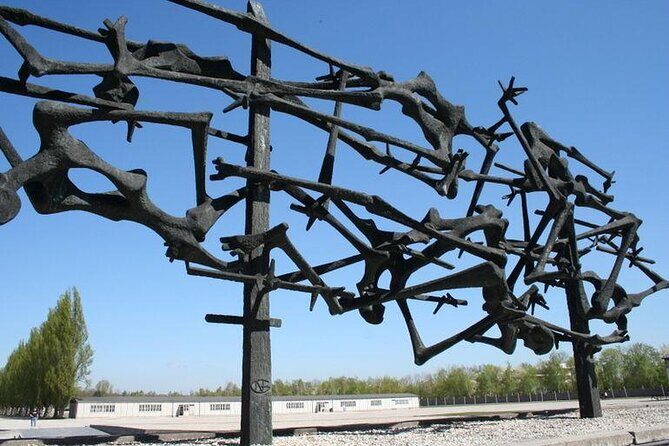
- Dachau Concentration Camp Memorial Site: What You’ll See
- The prisoner stories you’ll hear
- Museum Time: Why It’s More Than a Side Stop
- A Realistic Tip: You’ll Need a Head-Down Pace
- Getting Back Into Munich: The Third Reich Walking Tour
- The landmarks that anchor the story
- Why this part is worth paying for
- The Guide Makes the Difference: Alun Evans and the Small-Group Feel
- Price and Value: Is $145.18 a Good Deal?
- What to Know Before You Go (No Surprises)
- Should You Book This Tour?
- FAQ
- How long is the tour, and what time does it start?
- Where do I meet the guide?
- Is the tour in English?
- How big is the group?
- Is there a lot of walking?
- What’s included in the price, and can I cancel?
Key Things I’d Book This For
- Dachau with a licensed guide plus museum time to connect what you see with what it meant.
- Munich’s Third Reich sites in one walk, including places tied to the Beer Hall Coup and 1938 decisions.
- Small-group size (max 15), which makes questions and pacing feel more personal.
- Round-trip transport from central Munich, so you’re not figuring out trains mid-day.
- All-weather operation, with the reminder that dressing appropriately matters for a long day.
Why This Dachau + Munich Third Reich Combo Works
You don’t just want the “where.” You want the “how did this happen” and “what did it look like at the human level.” That’s where this day feels smarter than doing Dachau alone and then trying to build the rest from scratch.
Dachau is chilling because it documents real systems—prisoner life, paperwork, architecture, and what the camp machinery was built to do. But the afternoon walk matters too. Munich was not some distant backdrop; it’s where Nazi politics grew, gained supporters, and gained momentum in the streets and meeting places.
And the tour is paced like a guided day, not a checklist:
- First you go north to Dachau with a set meeting point and shared transport.
- Then you come back for a city walk where landmarks get historical context.
- Lunch is on your own, which is practical when everyone needs different food timing and energy levels.
You can also read our reviews of more tours and experiences in Munich.

Starting at Marienplatz, Then Rolling North
The day begins at Marienplatz, Munich’s central square, at 9:00 am. Meeting here is useful because it’s a clear hub point, easy to reach by public transportation, and it keeps the morning stress low. Once you meet the guide, you board a train for about a 20-minute ride north to Dachau.
This transport detail matters more than it sounds. Dachau is a straightforward trip, but when you’re on a timeline, the “simple” part can still eat your morning. Having the round-trip plan handled lets you focus on one job: showing up mentally ready for what comes next.
The tour also runs in English, which is a big deal here. Terms, names, and the chain of events are heavy enough without relying on imperfect translation.
Dachau Concentration Camp Memorial Site: What You’ll See
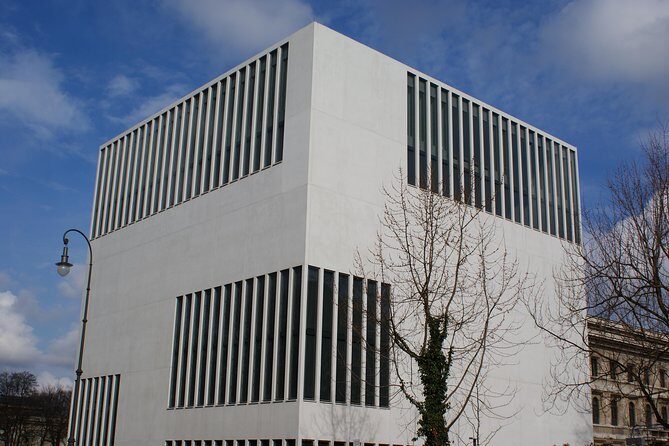
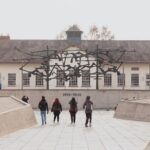
Dachau Concentration Camp Memorial Site is the first Nazi concentration camp in Germany during the Holocaust, and it served as a model for later camps. That framing is key, because it helps you understand Dachau as more than a single tragedy—it’s part of a system that expanded.
At the memorial, you’re guided through a mix of:
- Photographs and documents
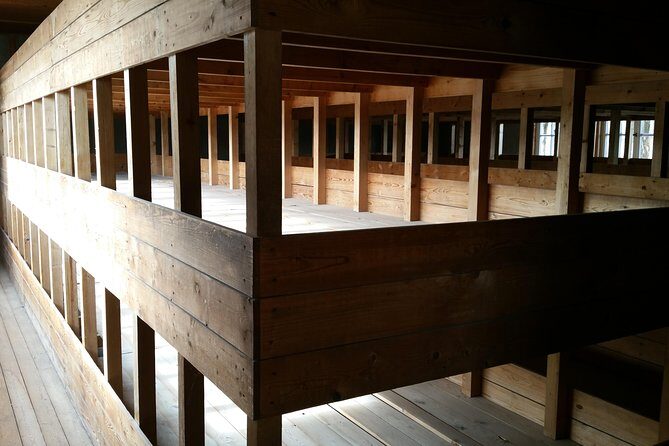
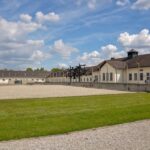
- Reconstructed cell blocks
- The crematorium
- Administration headquarters
- Other preserved areas and museum material
That combination matters because it avoids a common trap: only seeing the buildings, or only reading the labels. Here, the guide connects the physical spaces to what the camp was designed to do and who was targeted.
The prisoner stories you’ll hear
The tour isn’t just about high-level history. You hear about a wide range of prisoners—communists, German dissidents, gay men, Jehovah’s Witnesses, plus Jewish and Polish men and women. The scale comes up too, with around 200,000 prisoners referenced in the tour materials.
In a place like this, the stories can feel overwhelming. The best approach is to let the guide set context, then take breaks when you need them. A small-group format helps here—you’re not stuck being herded along with a crowd that prevents any breathing room.
Museum Time: Why It’s More Than a Side Stop
A standout feature is that the Dachau visit isn’t only a walk-through. You get allocated time for the museum exhibit, which is where the “why” and “how” can come into sharper focus.
Museum time can be tricky during tours. Some operators treat it like a quick photo break. Here, the schedule includes it as a core part of the experience, and the guide uses it to connect what you’re seeing outside with what you’re learning inside.
You’ll also likely have chances to ask questions. People consistently come away feeling that the guide handles sensitive material with care and gives respectful answers, not vague ones. That is exactly what you want at Dachau, where the details matter and the emotional weight is real.


A Realistic Tip: You’ll Need a Head-Down Pace
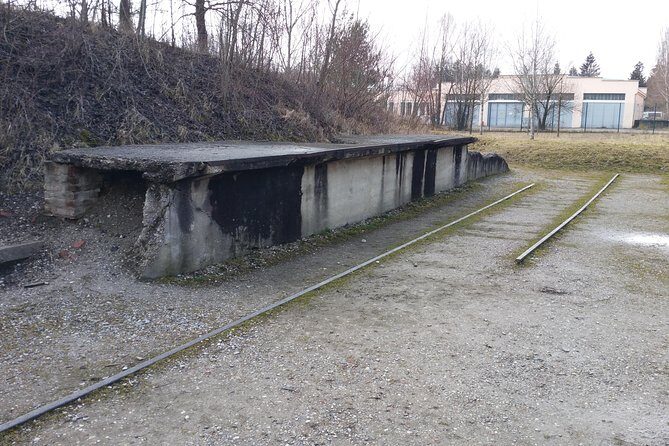
Dachau is also one of those places where “moderate physical fitness” isn’t enough. You can be fit and still feel wrecked after hours of standing, walking, and taking in details. The tour is about 5 hours at the memorial, and the whole day runs about 8 hours total.
So plan like a grown-up:
- Wear shoes you won’t regret by hour three.
- Dress for all weather conditions, since the tour operates outdoors.
- Expect the emotional impact to build, not arrive all at once.
If you go in expecting a light educational day, you’ll feel blindsided. If you go in prepared for a somber experience, you’ll get the full value: understanding, context, and a lasting sense of what human cruelty can become when it’s systematized.
Getting Back Into Munich: The Third Reich Walking Tour
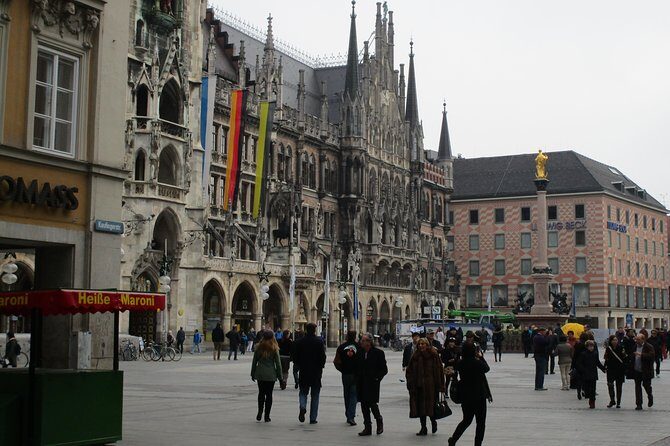
After Dachau, you return to the train station with the guide and head back toward Munich. Lunch is a break you handle on your own. That’s practical here because people eat on different schedules, and after Dachau you might not want a forced group lunch.
Once lunch time passes, you take a Third Reich walking tour through central Munich. This is where the day becomes more than one location; you see the ideas tied to street corners and buildings.
The landmarks that anchor the story
The walk includes several specific stops connected to Nazi power and key turning points:
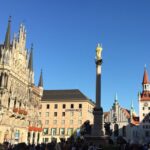
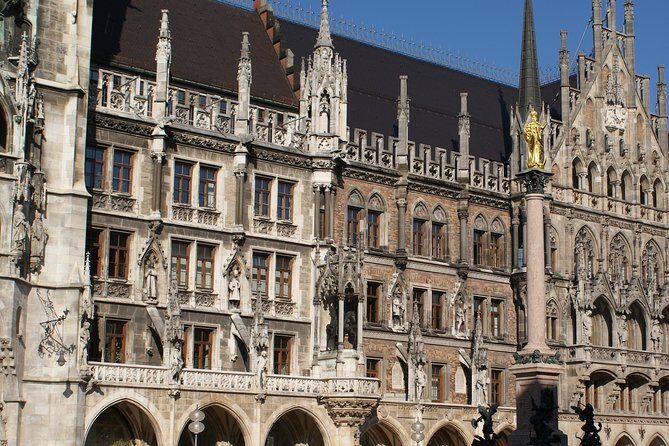
- Old Town Hall: the place where the decision was taken in 1938 to carry out a pogrom against the Jewish population of Germany.
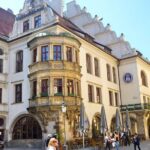
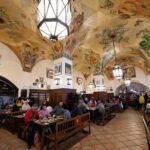
- Staatliches Hofbräuhaus: you walk past a site tied to Hitler’s regular speeches.
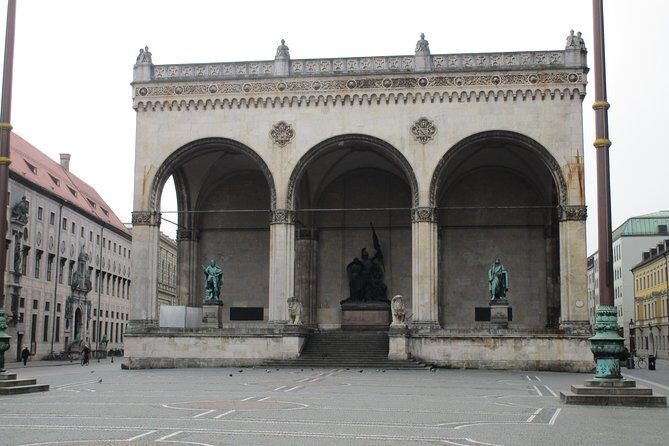
- Odeonsplatz: the location associated with the Beer Hall Coup of 1923.
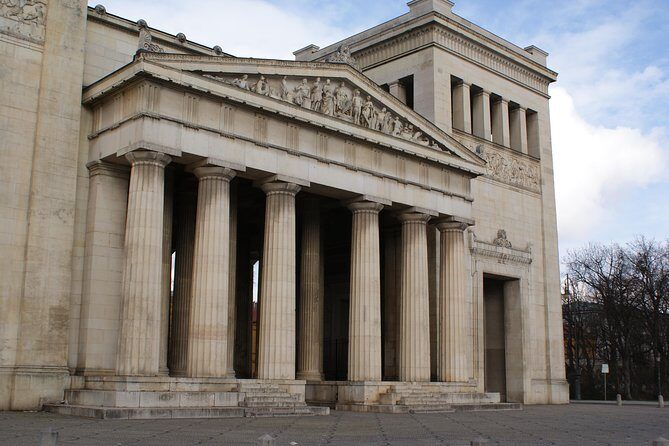
- Königsplatz: connected to the Munich Agreement of 1938 and Nazi ceremonies.
You also hear about early Nazi momentum in Munich, including where Hitler joined the German Workers Party and where the German SS began, as the guide links personal political growth to real institutions and public events.
Why this part is worth paying for
A city walk can feel like “nice buildings” if the guide isn’t strong. Here, the value is the narrative structure: you’re not just seeing architecture. You’re learning how public space helped political movements spread.
And because it’s built around a small group, you can follow the logic step by step rather than losing it when the crowd moves on.
The Guide Makes the Difference: Alun Evans and the Small-Group Feel
This tour’s reputation is very tied to the guide experience, especially Alun Evans (the named guide in the tour provider). The repeated theme in how people describe him is that the storytelling stays respectful while still being clear and direct—exactly what you need in a place like Dachau.
In practical terms, small-group touring changes your day:
- You hear better in quiet moments.
- You can ask questions without feeling like a burden.
- Timing feels more controlled, including using efficient routes around crowds.
It’s also helpful when the day includes both a memorial and a city walk. One part is heavy and slow; the other is more movement and interpretation. A good guide keeps those modes from blending into chaos.
Price and Value: Is $145.18 a Good Deal?
At $145.18 per person for an about 8-hour day, the price isn’t cheap, but it’s also not random. You’re paying for two main things:
- A licensed guide for the most sensitive and complex site on the schedule.
- Round-trip transportation from central Munich, so you don’t waste time coordinating trains and meeting points.
Then you get an added bonus: the afternoon Third Reich walking tour with multiple historical stops. That’s a lot of guided time for one ticket price.
If you tried to DIY this, you’d likely end up paying for transport anyway, plus you’d still want a guide to make Dachau intelligible without turning it into a self-guided overload. For many people, that’s the real value here: a guided framework that helps the information land.
What to Know Before You Go (No Surprises)
A few practical points from the tour details you should keep in mind:
- Walking is heavy and the tour runs in all weather. Dress for rain or cold, not just sunshine.
- Children under 14 are not permitted. This keeps the memorial experience appropriate for the topic and the pace.
- Service animals are allowed.
- You need moderate physical fitness, mainly because the schedule includes long, purposeful walking.
- It’s English, so you’ll get the full narrative only if that works for you.
Should You Book This Tour?
Book it if you want more than a memorial checkbox. I think this is a strong fit when you care about context—both the camp itself and how Nazi power grew in Munich’s public spaces. The small-group structure and licensed guide time make it easier to process and ask questions without feeling shoved along.
Skip it if you’re looking for a light day, if you’re not comfortable with emotionally difficult material, or if you can’t handle extended walking. Also, if you prefer total independence over structure, you might find the schedule tight—here the value comes from guided interpretation.
If you’re on the fence, my advice is simple: choose this tour when you can give it your full attention. Dachau is not a place to multitask. This day is designed so you don’t have to.
FAQ
How long is the tour, and what time does it start?
The tour is about 8 hours and starts at 9:00 am, with the meeting point at Marienplatz in central Munich.
Where do I meet the guide?
You meet at Marienplatz (80331 Munich). The tour ends back at the meeting point.
Is the tour in English?
Yes. The tour is offered in English, and you’ll receive a confirmation at booking.
How big is the group?
The tour has a maximum of 15 travelers, which helps keep the experience more manageable for questions and pacing.
Is there a lot of walking?
Yes. The tour involves a high amount of walking, and it operates in all weather conditions, so you should dress appropriately.
What’s included in the price, and can I cancel?
The tour includes a professional guide and transportation costs. Food and drinks (including lunch) are not included, and lunch is on your own. Cancellation is free up to 24 hours in advance for a full refund.