REVIEW · MUNICH
Munich: Must-See Attractions Walking Tour
Book on GetYourGuide →Operated by Guydeez Tours · Bookable on GetYourGuide
Munich feels like a stage set you can walk through. This 2-hour Old Town tour focuses you on the big sights fast, especially the Rathaus-Glockenspiel and the Staatliches Hofbräuhaus. I also like how the route strings together landmarks with story, not just photos. One thing to watch: double-check the meeting point and message details ahead of time, because there’s at least one reported hiccup with a guide not showing up.
You’ll meet your guide at The Charles Hotel (a Rocco Forte Hotel) on Sophienstraße, then head straight into the center of Munich. Along the way, you’ll get guided stops at Marienplatz, Frauenkirche, St. Peter’s Church, the Neues Rathaus area, and finally Hofbräuhaus. Languages listed are English, French, and Spanish, and it can be private depending on the option you choose.
This tour is best when you want a concentrated “first pass” through Munich’s main sights without spending half a day getting your bearings. Bring comfortable shoes, because it’s still a walking tour even at just two hours. If you’re craving long museum-style explanations, you might want something longer than a tight circuit.
In This Review
- Key highlights that make this walk worth your time
- A 2-hour Munich Old Town walk that actually hits the important stuff
- Meeting at The Charles Hotel on Sophienstraße: start easy, or start stressed
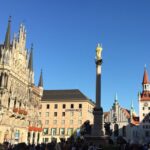
- Marienplatz Square: where Munich’s “center” becomes real
- Rathaus-Glockenspiel at the New Town Hall: look up, then look again
- Frauenkirche: the biggest church in Munich and why it towers over everything
- St. Peter’s Church: older roots, different mood
- Neues Rathaus architecture: reading the building beyond the clock
- Staatliches Hofbräuhaus: beer hall culture with royal-era connections
- What the guide experience adds (and how to get it right)
- Price and value: is $44 worth it?
- Who this tour fits best in your travel style
- Should you book the Munich Old Town walking tour?
- FAQ
- Where does the tour start?
- How long is the walking tour?
- How much does the tour cost?
- Is food or drinks included?
- What sights are included on the route?
- What languages are offered for the guide?
- Is it private or small-group?
- What should I bring?
- Can I cancel for a refund?
- Will I need to stay with the guide the whole time?
Key highlights that make this walk worth your time
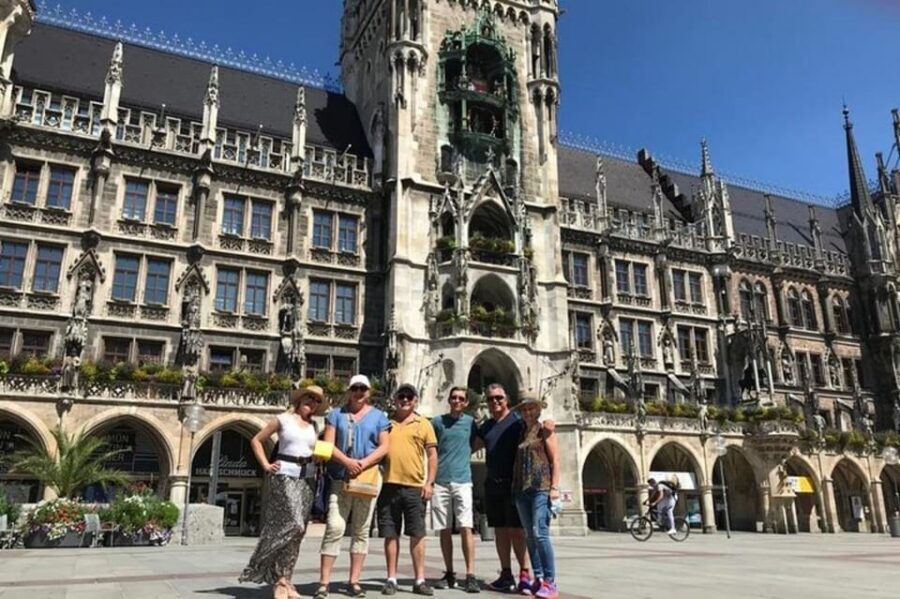
- Marienplatz Square: the central stage for Munich’s public life
- Rathaus-Glockenspiel: a mechanical clock you’ll want to keep looking up at
- Frauenkirche: Munich’s biggest church, with standout presence in the skyline
- St. Peter’s Church: linked to the older Catholic roots of the city
- Neues Rathaus: the Town Council’s seat and a chance to read the building’s role
- Staatliches Hofbräuhaus: a famous beer hall tied to Munich culture and royal history
A 2-hour Munich Old Town walk that actually hits the important stuff
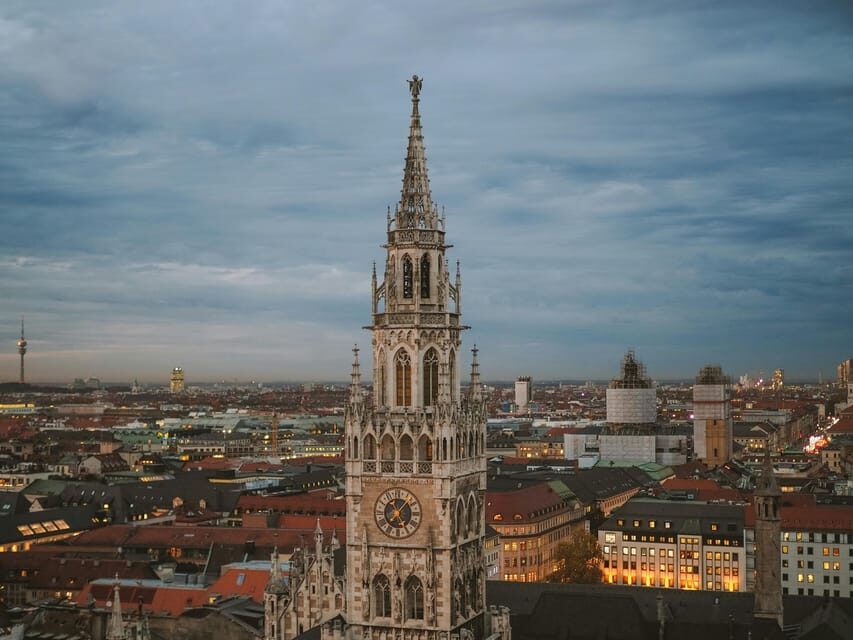
Two hours is a sweet spot. You get a guided loop through the core sights, but you’re not trapped into a full day of monuments. The tour’s payoff is the pacing: you move from square to church to landmark clock to beer hall without wandering in circles.
I like that the route is built around places that are meaningful in everyday Munich life, not just pretty backdrops. Marienplatz is the obvious hub, and the churches anchor how the city’s religious and architectural story evolved. Ending at Hofbräuhaus also makes sense: it’s the kind of location where you can keep the energy going after the last photo.
The one tradeoff is time. With only two hours, you’ll enjoy each stop, but you won’t have the luxury to linger forever. If you’re the type who wants 45 minutes inside every church and 60 minutes reading every plaque, this may feel a bit fast.
You can also read our reviews of more walking tours in Munich

Meeting at The Charles Hotel on Sophienstraße: start easy, or start stressed
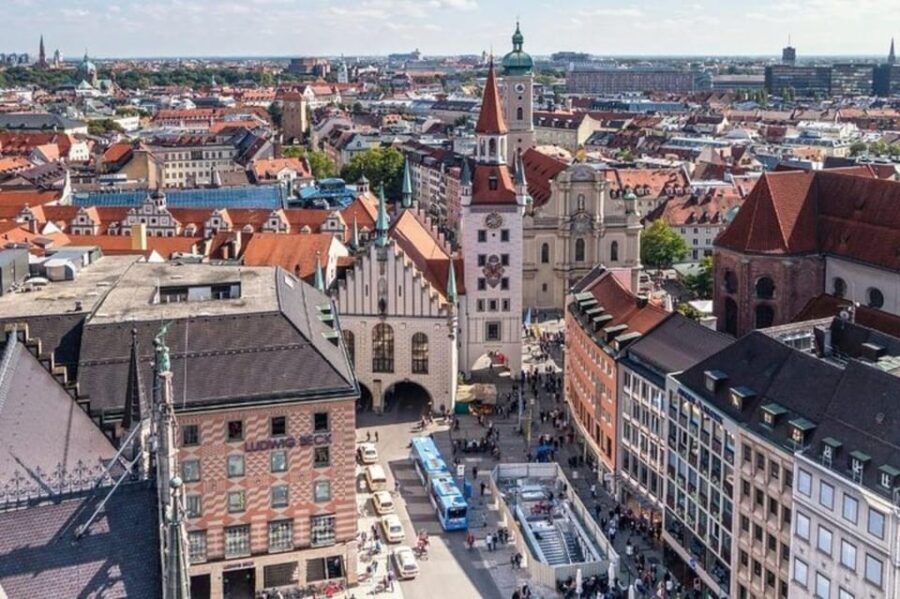
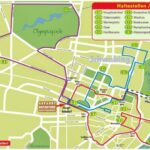
The meeting point is clear: in front of The Charles Hotel on Sophienstraße 28. That’s helpful because it puts you in a known, central location right as the tour begins. You can also use that as your navigation anchor, since you’ll return to the activity provider’s office or end back at the same area.
One practical tip: aim to arrive a few minutes early. A smooth start matters on tight tours, and there’s at least one reported experience where a guide wasn’t visible at the scheduled time. If you message your confirmation details beforehand (especially if you’re arriving from out of town), keep your expectations realistic: have a Plan B if your guide doesn’t appear.
Because the tour duration is short, don’t gamble with being late. Munich’s Old Town streets are walkable, but you still want to start on time so you can see everything listed.
Marienplatz Square: where Munich’s “center” becomes real
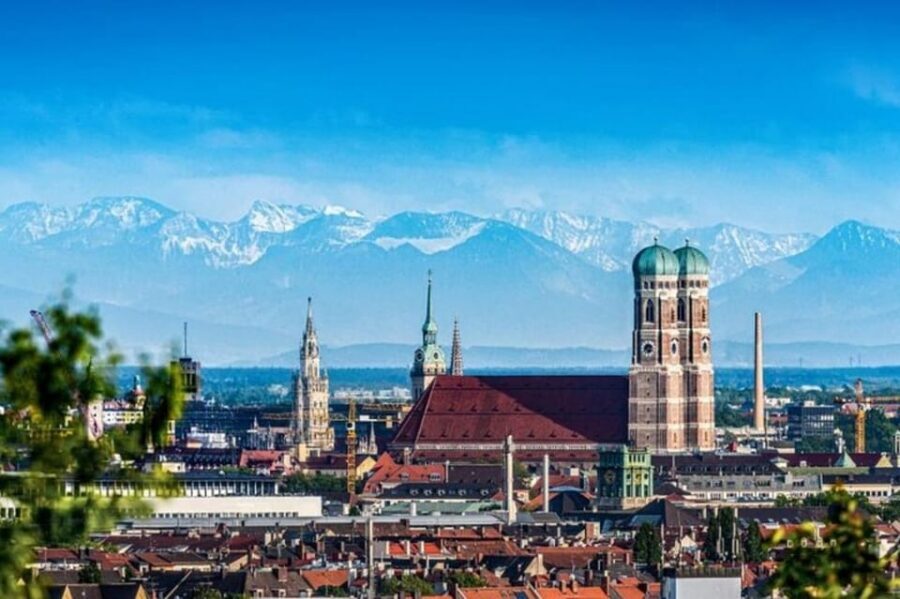
Marienplatz isn’t just a stop; it’s the reason Munich feels like it has a heartbeat. This big central square is where the city’s public life concentrates, and it’s where you start connecting the dots between buildings, history, and everyday atmosphere.
During the tour, you’ll learn the square’s history and why it matters. I like this approach because it turns the place from a photo location into something you understand. Once you grasp why Marienplatz is important, the rest of the sights make more sense around it.
If you’re visiting for the first time, this is the perfect early anchor. You’ll feel oriented fast, and you’ll also know what to watch for as you explore on your own afterward.
Rathaus-Glockenspiel at the New Town Hall: look up, then look again
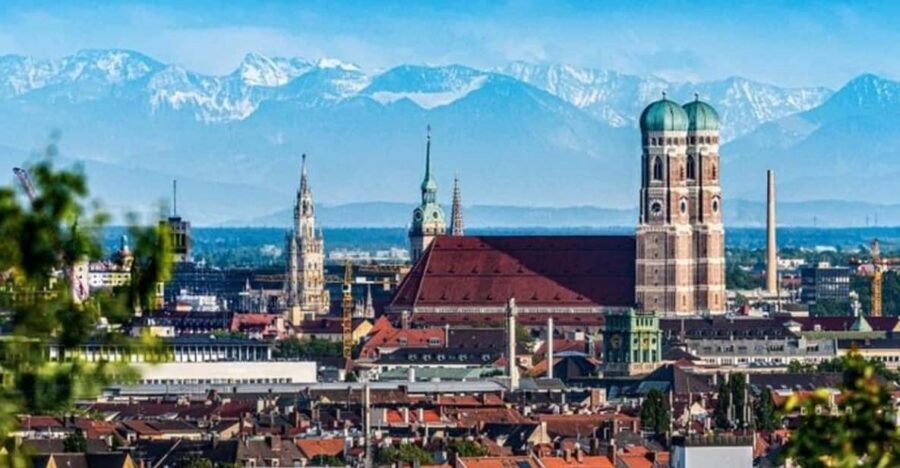
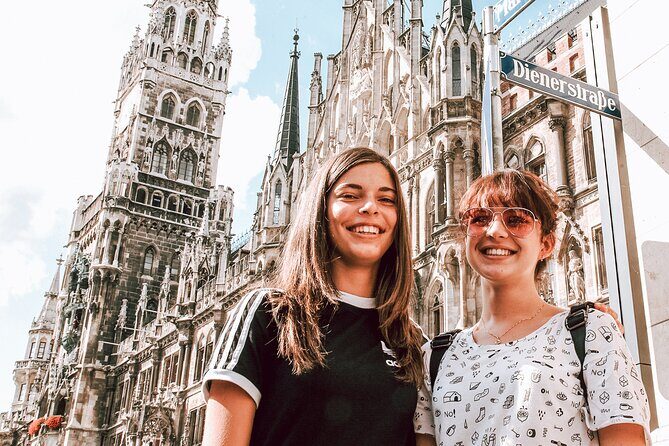
The star moment for many people is the Rathaus-Glockenspiel at Marienplatz. This large mechanical clock has been around for about 250 years, and your guide helps you see it as more than a moving ornament.
What makes this stop special is the viewpoint. This is one of those places where you’ll naturally tilt your head up and realize the building is designed for an audience: you’re part of the spectacle. You’ll also hear about the surrounding New Town Hall (Neues Rathaus) and its role as the seat of the Munich Town Council.
A good guide also helps you connect the clock to the city’s identity. It’s not just a tourist attraction. It’s tied to the public face of Munich, right in the middle of where people gather.
If you don’t like crowds, keep your expectations honest. Marienplatz is popular, so you may have to share space to get your turn looking up. Still, it’s worth it because the clock is truly a Munich thing.
Frauenkirche: the biggest church in Munich and why it towers over everything
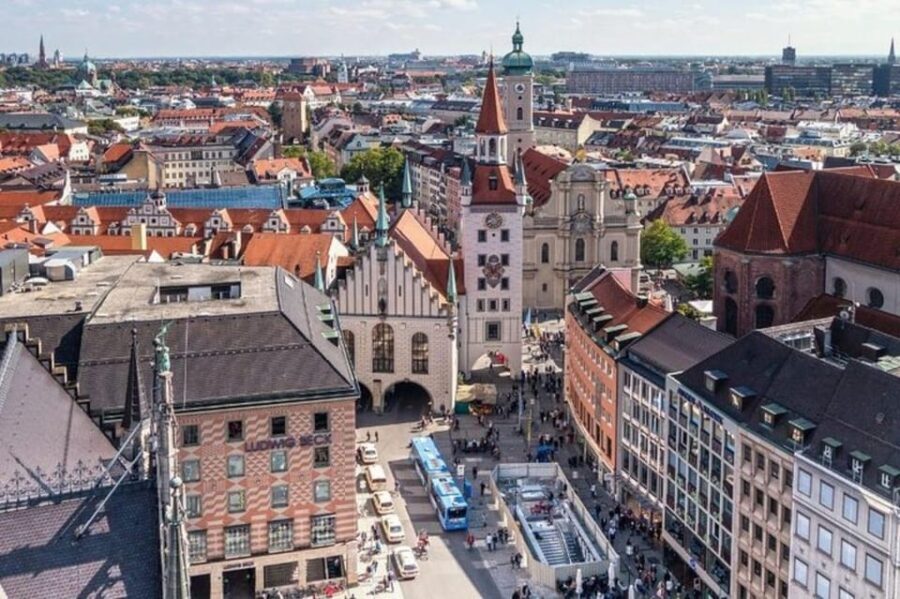
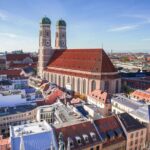
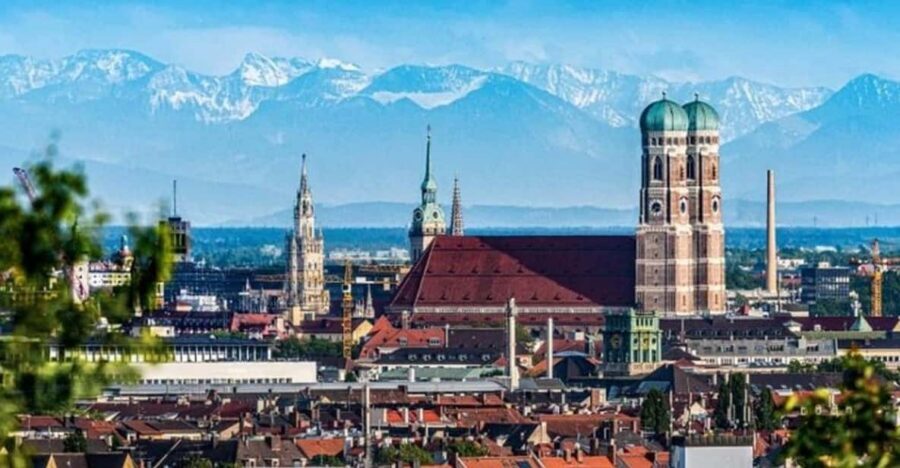
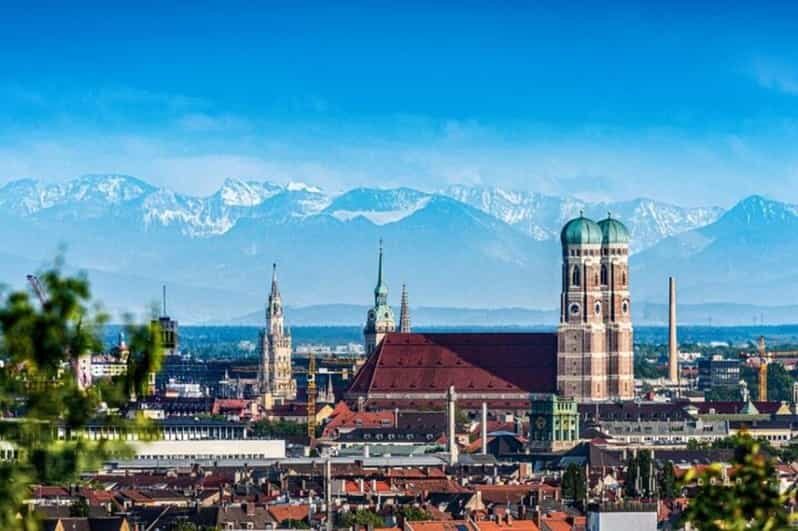
From Marienplatz, the tour moves you into the presence of Frauenkirche, described as the biggest church in Munich. You’ll get a guided look and background tied to the site’s importance.
Even if you’ve seen plenty of church interiors in Europe, this one hits differently because of its scale and its position in the city’s picture. Munich’s architecture has a way of signaling confidence, and Frauenkirche is part of that impression.
The value here isn’t only the building itself. It’s how your guide frames what you’re seeing—what makes it central to Munich and how it relates to the city’s broader story. That’s what turns your photos into memories you can explain later.
Practical note: churches can mean cooler temperatures and sometimes stricter rules about behavior. Wear something comfortable and be ready to keep moving respectfully.



St. Peter’s Church: older roots, different mood
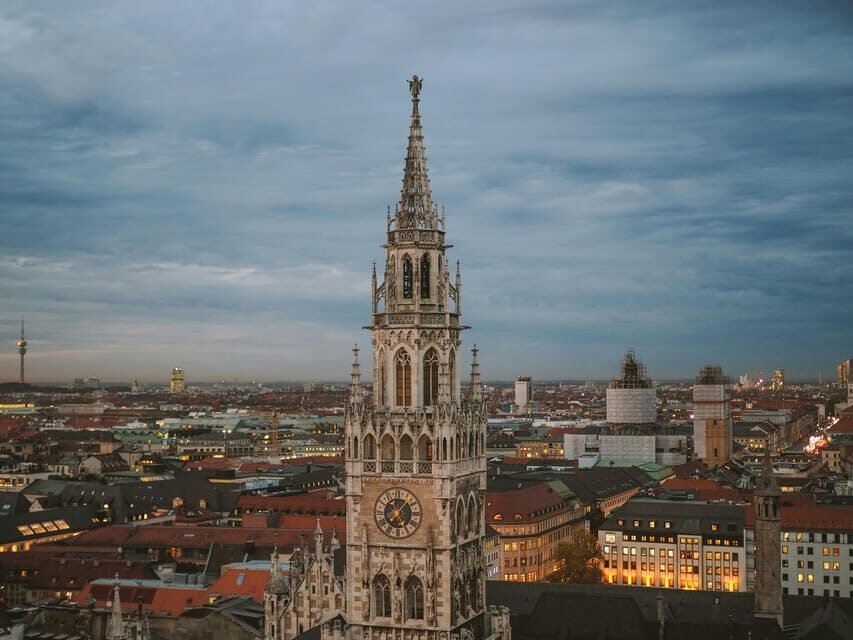
Next up is St. Peter’s Church, described as the oldest Catholic church in Munich. That’s a simple detail, but it changes how you interpret the stop. You’re not just seeing another landmark; you’re stepping into an older layer of the city’s Catholic presence.
Guided context helps here. Without that, you might admire the exterior and move on. With a guide, you start noticing how the older church anchors the area’s sense of continuity.
This is the stop where you’ll probably slow down a bit, because older churches tend to make you feel time passing. Even if you don’t read every sign, your guide’s explanation gives you a handle on the meaning of what you’re looking at.
Neues Rathaus architecture: reading the building beyond the clock
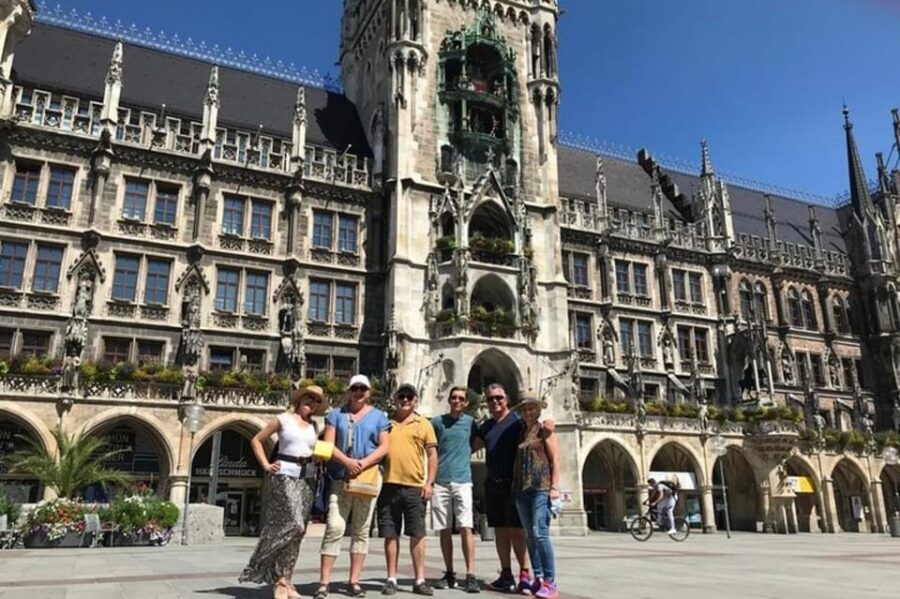
The tour also focuses on the Neues Rathaus as a building and as a political symbol. The Town Council seat is not just a backdrop—it’s part of how Munich presents authority and civic pride.
What I like about this stop is that you’re learning to look outward. When guides explain why a building is where it is and what it represents, you stop treating architecture like wallpaper. Instead, you treat it like information.
The Rathaus-Glockenspiel is the headline, but the building around it gives the context for why the headline exists in the first place. If you enjoy architecture, this is a satisfying little add-on that fits neatly into a two-hour schedule.
Staatliches Hofbräuhaus: beer hall culture with royal-era connections
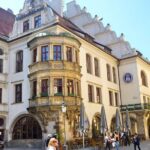
Finally, you reach the Staatliches Hofbräuhaus, one of the city’s most popular beer halls and breweries. This is where Munich’s public social life takes over from sightseeing mode.
Your guide explains the hall’s cultural role and includes its history connected to royal history. That matters, because Hofbräuhaus isn’t just about beer. It’s about how Munich has hosted people for generations—locals, visitors, and everyone in between.
Food and drinks aren’t included, so treat this as a cultural stop and a chance to choose your own next move. If you want to try a Bavarian beer afterward, you’ll be at a place where that decision feels natural.
Even if you’re not a beer person, it’s still a meaningful destination. The point is the story, and Hofbräuhaus is one of Munich’s most recognizable stages for that story.
What the guide experience adds (and how to get it right)
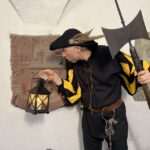
This tour includes a live guide, and the language options are English, French, and Spanish. The guide is the engine that makes the landmarks stick in your mind, because you’re not just walking—you’re understanding.
One name that stands out in the tour feedback is Roberto. In particular, he’s praised for being personable and for sharing strong context tied to Munich history, including World War II material. That kind of added context can make the walking route feel more connected than a typical checklist.
At the same time, there’s also a cautionary note from one report where the guide didn’t respond and the tour didn’t run as expected. I can’t control staffing issues, but you can protect yourself. Arrive early, confirm you have the right meeting spot for the day, and if you message your guide, keep your expectations reasonable and plan to still be flexible.
If you want the best shot at a smooth experience, treat this like an appointment. Be there on time, stay in communication before start time, and use comfortable shoes so you can keep up without stress.
Price and value: is $44 worth it?
At $44 per person for a 2-hour guided walking tour, you’re paying for two things: a local guide and a tight route that covers major sights. In a city where self-guided sightseeing can mean wasting time figuring out what matters, this kind of guided circuit can save energy.
If you’re only in Munich for a short window, the value is pretty clear. You’ll see Marienplatz, Frauenkirche, St. Peter’s Church, the Rathaus-Glockenspiel area, and Hofbräuhaus without needing to plan the order yourself. And because the guide adds history and meaning to each stop, the experience tends to feel more satisfying than a simple pass-through.
If you’re traveling slowly and love lingering, you might feel the two-hour format is limiting. But if you want a strong first orientation and a handful of “you can’t miss this” landmarks, this price often makes sense.
Also, food and drinks aren’t included. That keeps the tour cost lower, but it means you should budget a little extra if you want a beer or snack at the end.
Who this tour fits best in your travel style
This tour is ideal if you:
- Want a first-time Munich walking overview with clear landmark stops
- Prefer guided explanations over reading alone
- Have limited time and want a route that keeps you moving efficiently
It may be less ideal if you:
- Want long stays inside churches or museums
- Have mobility limits that make steady walking difficult (it is still a walking tour)
- Expect food, beer tasting, or a sit-down meal to be part of the price
If you’re bringing a parent, you’ll likely appreciate the short duration and straightforward pacing. If you’re with teens, it can help because the clock at Marienplatz is visually fun, and the Hofbräuhaus end point gives the day a lively finish.
Should you book the Munich Old Town walking tour?
I’d book this tour if you want a focused, two-hour introduction to Munich’s center with a guide who connects the landmarks to stories. The big attractions—Marienplatz and the Rathaus-Glockenspiel, plus Frauenkirche, St. Peter’s Church, and Staatliches Hofbräuhaus—cover the essentials in one go.
Book with confidence if you like guided structure and you’re okay with a brisk pace. Skip or pair it with other plans if you need lots of free time for slow wandering.
One last practical thought: treat the meeting point seriously. Meet in front of The Charles Hotel, arrive early, and keep your own expectations flexible. Done right, this is the kind of tour that helps Munich feel legible fast, which makes everything after it more enjoyable.
FAQ
Where does the tour start?
You meet your guide in front of The Charles Hotel (a Rocco Forte Hotel) at Sophienstraße 28.
How long is the walking tour?
The duration is 2 hours.
How much does the tour cost?
The price is $44 per person.
Is food or drinks included?
No. Food or drinks are not included.
What sights are included on the route?
The tour includes Marienplatz, Munich Frauenkirche, St. Peter’s Church, the Rathaus-Glockenspiel, the New Town Hall (Neues Rathaus), and Staatliches Hofbräuhaus in München.
What languages are offered for the guide?
The live tour guide is available in English, French, and Spanish.
Is it private or small-group?
A private group is available, and the tour may also run as a private or small-group option depending on what you choose.
What should I bring?
Bring comfortable shoes for walking.
Can I cancel for a refund?
Yes. Free cancellation is available up to 24 hours in advance for a full refund.
Will I need to stay with the guide the whole time?
You’ll tour the listed stops with the guide, and at the end you’ll return to the activity provider’s office or you can continue exploring the city center on your own.