REVIEW · MUNICH
Munich: Historical Walking Tour Maxvorstadt with GEO Epoche
Book on GetYourGuide →Operated by Eat the World GmbH · Bookable on GetYourGuide
Munich’s Maxvorstadt sounds like a student district, but it carries heavier chapters. I like how this walk connects everyday streets to big ideas, from Ludwig I’s Mediterranean-style dreams to what World War II left behind. You’ll also get the feel of a guided experience designed with GEO Epoche, so the facts come with context, not just dates.
Two things I especially like: you’ll spend time on Brienner Straße, Munich’s first boulevard, and you’ll hear how that “Athens on the Isar” vision shaped places like palaces, concert halls, and classic cafés. As for a drawback, this tour is in German, and it’s not suitable for people with mobility impairments.
There’s also a simple practical upside: it’s short—just 2 hours—yet the route is built to make the neighborhood feel understandable fast.
In This Review
- Key Highlights You’ll Really Notice
- Meeting at Theatinerkirche: The Walk Starts With a Center of Gravity
- Maxvorstadt Then and Now: Why a Student District Can Still Feel Historic
- Brienner Straße: Munich’s First Boulevard and the “Athens on the Isar” Dream
- Italian Flair, Bohemian Creativity, and the Human Side of Design
- World War II: Munich’s Glamour Meets the Hard Truth
- How the 2 Hours Actually Works With Your Day
- Price and Value: Why $29 Can Be Reasonable Here
- Language, Pace, and Who This Tour Best Fits
- Should You Book This Munich Maxvorstadt Tour?
- FAQ
- Where does the tour meet?
- How long is the Munich Historical Walking Tour Maxvorstadt?
- What is the price?
- What language is the tour in?
- Does the tour run in bad weather?
- What should I bring?
- Is the tour suitable for people with mobility impairments?
- Are pets allowed on the tour?
Key Highlights You’ll Really Notice
- GEO Epoche–developed route that ties streets to how Munich changed over time
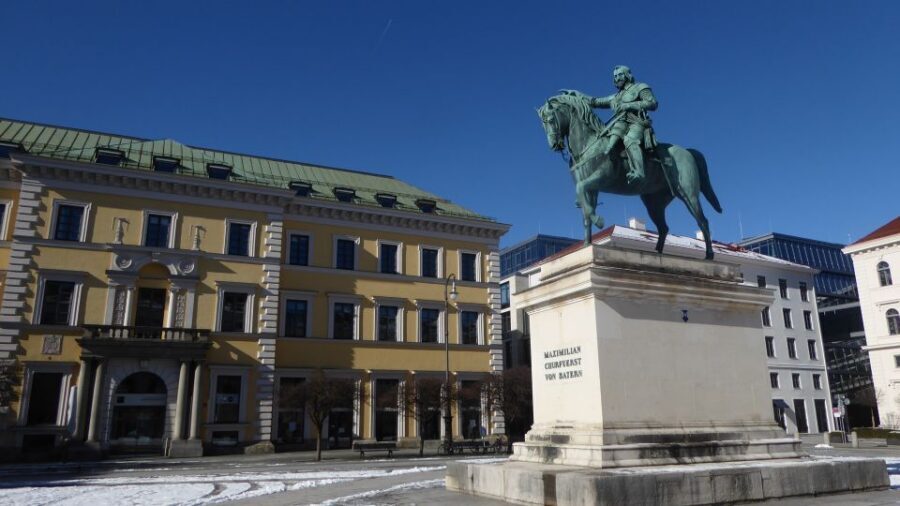
- Brienner Straße as the centerpiece for Ludwig I’s Mediterranean dream
- Odeonsplatz to Maxvorstadt pacing that turns a walk into a storyline
- World War II realism balanced with the glamour of cafés, halls, and palaces
- Expert guide delivery, including an especially praised guide named Axel
Meeting at Theatinerkirche: The Walk Starts With a Center of Gravity
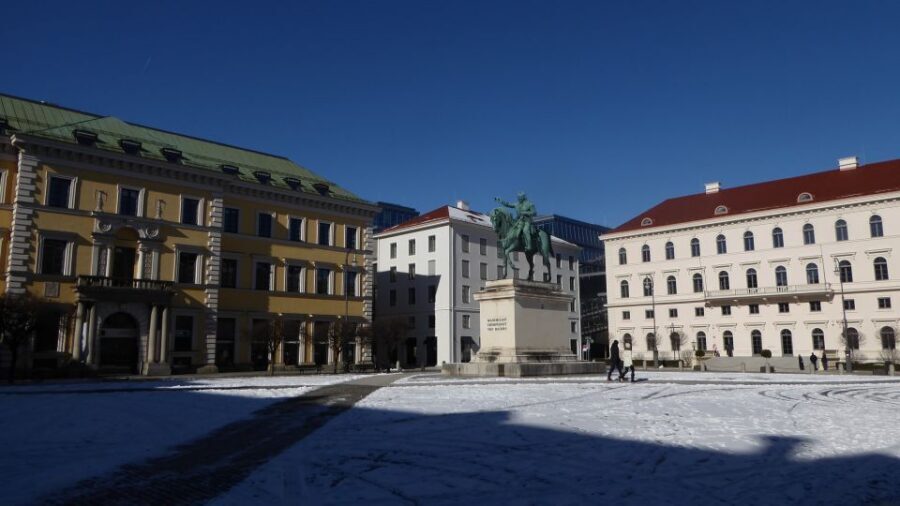
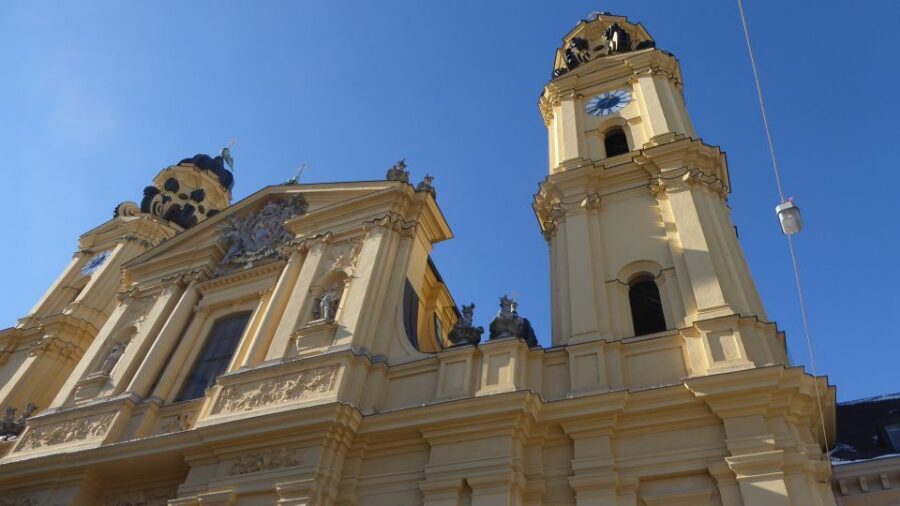
Your tour meets in front of the Theatinerkirche, a smart starting point because it puts you near the heart of central Munich before you move into Maxvorstadt’s calmer rhythm. If you’re trying to understand how Munich’s “main scenes” connect to districts that became modern in their own way, starting here makes the first minutes useful rather than just logistical.
From there, the tour is framed as a journey through Munich’s past as you head toward Maxvorstadt—today known for students and a younger crowd. The key is that the guide doesn’t treat the neighborhood like background. They use the streets like evidence, so you begin to see how the area developed into what you’re seeing now.
One practical note: it runs rain or shine, so you’ll want weather-appropriate clothing. Comfortable shoes matter because the experience is built around walking, not sitting in a museum.
You can also read our reviews of more walking tours in Munich

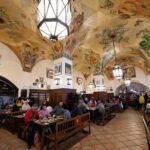

Maxvorstadt Then and Now: Why a Student District Can Still Feel Historic

Maxvorstadt today feels different from Munich’s most famous postcard zones. It’s oriented toward students, and that’s part of why it can be easy to overlook. This tour flips that script. Instead of treating the district as just “where young people live,” you learn how earlier plans, buildings, and political shifts shaped the physical character of the neighborhood.
I like this approach because it teaches you how to read the city without needing a handbook. You start noticing street layout and architectural mood, then the guide gives you the missing link: who wanted what, and how that changed the look and culture around you.
You’ll also hear that the tour’s emphasis goes beyond pleasant aesthetics. It includes the darker side of Munich’s role in World War II, and it’s presented as part of the neighborhood’s reality—not a separate lesson you have to seek out elsewhere.
Brienner Straße: Munich’s First Boulevard and the “Athens on the Isar” Dream
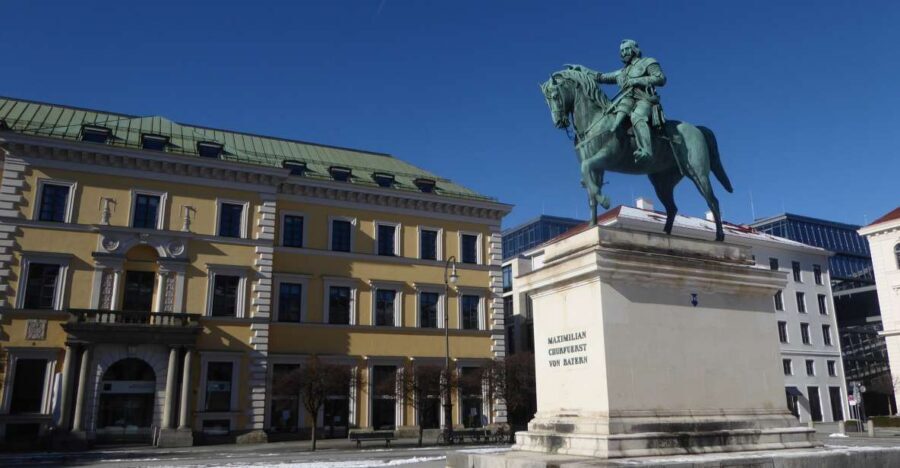
The tour’s most memorable section for many people is Brienner Straße, described as Munich’s first boulevard. That matters because boulevards aren’t just wide roads. They’re statements. They show what a city wants to project: order, grandeur, and a certain kind of public life.
You’ll learn how Ludwig I imagined Munich as Athens on the Isar—a city with Mediterranean flair and classical grandeur. The guide connects this ambition to what you can still see: the palaces, concert halls, and glamorous cafés associated with that era.
Here’s what you’ll likely find useful: after hearing this explanation, you won’t look at the street as a simple route between sights. You’ll see it as a cultural corridor. When the guide points out where those institutions stood or how they relate to the boulevard’s character, the street starts to make sense as a deliberate design.
Italian Flair, Bohemian Creativity, and the Human Side of Design
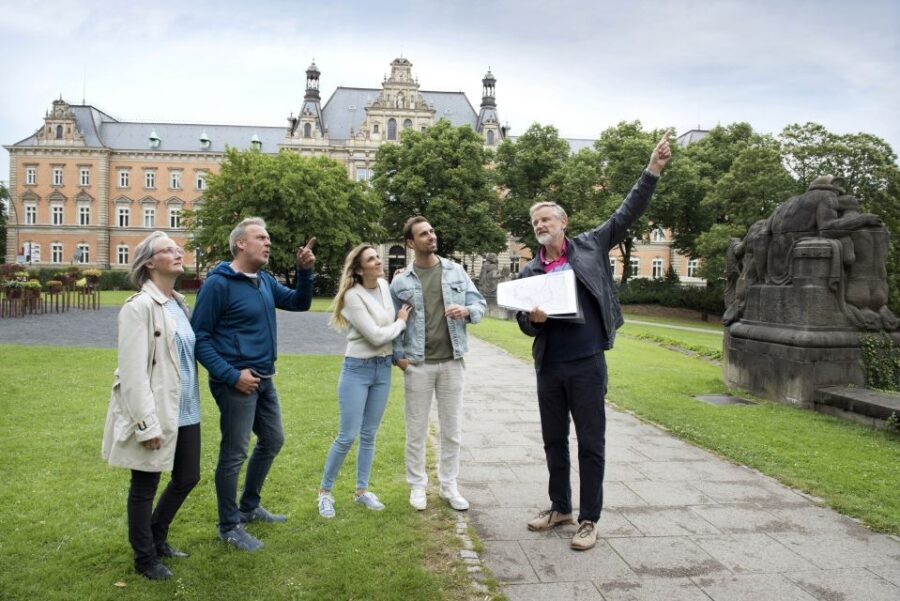
The tour doesn’t treat history like a timeline you memorize. It’s more like a mood board made of real people and real choices. The experience mentions the Italian flair and bohemian atmosphere you can connect to the period Ludwig I wanted Munich to embody.
That matters because you’ll understand why certain parts of the city feel theatrical or refined. It isn’t only architecture; it’s the lifestyle that architecture was meant to host. Cafés, performance spaces, and formal buildings all reinforce the same idea: Munich wasn’t just building structures. It was trying to build an image of itself.
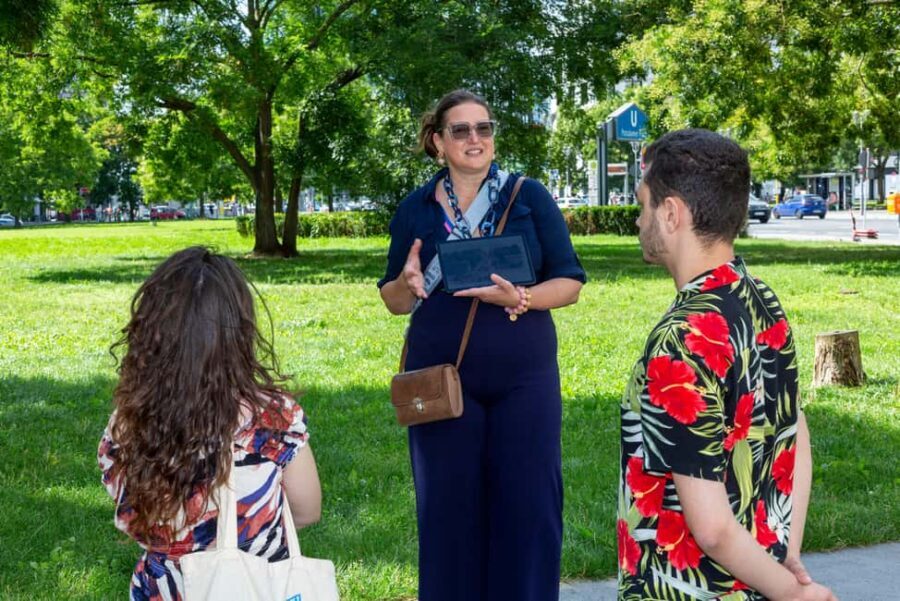
This is also where the guide’s storytelling style makes a difference. One guide named Axel is highlighted for leading the tour in a warm, very friendly way while staying competent with the material. If you value guides who can turn facts into a walking narrative, that praise is a strong clue.
World War II: Munich’s Glamour Meets the Hard Truth
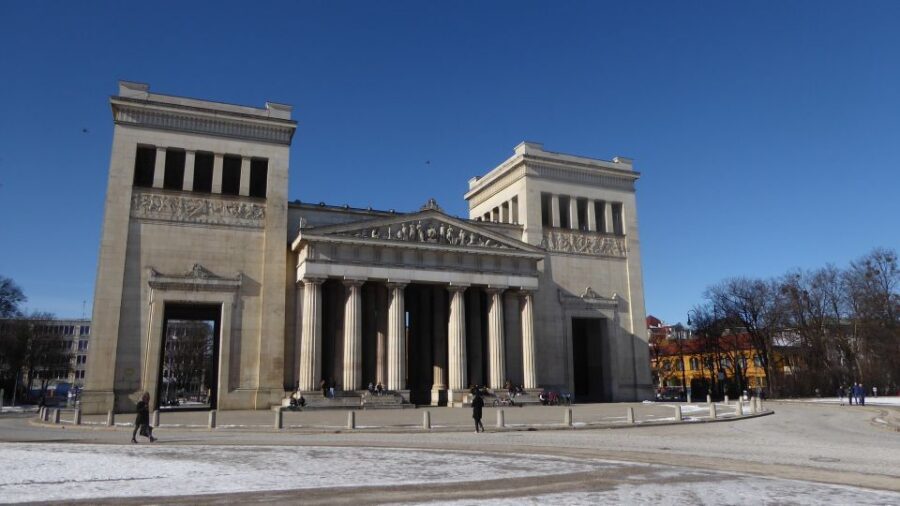
The tour includes places and themes connected to Munich’s role in World War II. Importantly, it doesn’t just mention the war like a label and move on. You’ll hear stories tied to where events took place, and you’ll get a clearer sense of how the neighborhood fits into that national and local history.
I appreciate this balance because Munich has a habit of seducing you with beauty. You can walk past historic streets and feel like you’re only seeing elegance. A tour like this makes sure that elegance doesn’t erase what happened. The guide aims to tell the truth behind a vibrant neighborhood—meaning the area isn’t only “pleasant now.” It has a past that shaped it.
If you’re worried about the tone, the goal is not shock for shock’s sake. The framing is a guided walk where dark history is treated as part of understanding the city, not an add-on.
You can also read our reviews of more historical tours in Munich






How the 2 Hours Actually Works With Your Day
At 2 hours, this is a great fit when you want deep context but you don’t want to give up half a day. The walk is designed to take you from Odeonsplatz toward Maxvorstadt, so you get the “from center to neighborhood” feeling without needing public transit.
That timing is especially useful if you’re juggling a busy schedule. You can pair it with a longer museum visit later—or do it early to help you understand what you’ll see the rest of the day.
Also, the tour includes a tour brochure, which helps you keep track of what the guide is pointing out. If you like reviewing your route after, that printed support can make the experience stick.
Price and Value: Why $29 Can Be Reasonable Here
The price is $29 per person for a guided, 2-hour walking tour. That sounds simple, but the value comes from a few things that are hard to replicate on your own.
First, you’re paying for expert interpretation. Street-level history works best when someone translates what you’re looking at into why it matters. Second, the experience is developed with GEO Epoche, which signals an emphasis on narrative and credible historical framing rather than surface-level sightseeing.
Could you walk through Maxvorstadt on your own? Sure. But you’d likely miss the intentional connections: Ludwig I’s boulevard vision, the “Athens on the Isar” idea, and the way World War II realities tie back into Munich’s streets. With a short guided route, that kind of explanation is often the difference between seeing buildings and understanding a place.
Language, Pace, and Who This Tour Best Fits

This is a live tour in German. If you’re comfortable in German, you’ll benefit most from the guide’s explanations and anecdotes. If you’re not, you might still enjoy the visuals and the general flow, but you’ll lose a chunk of the story.
The tour also isn’t suitable for people with mobility impairments, and it’s built around walking on foot. For everyone else who can manage a continuous stroll, it’s a good option because it’s structured yet not rigid—you’re moving through the city while the guide builds the storyline.
Who it suits best:
- People who like walking tours but want more than “this is old” explanations
- History-minded travelers who enjoy context tied to architecture and street design
- Munich first-timers who want to understand why Maxvorstadt feels the way it does
- Anyone who likes guided storytelling (especially if you’re impressed by friendly, competent guides like Axel)
Should You Book This Munich Maxvorstadt Tour?
Yes, I’d book it if you want a short guided walk that explains the city’s “why,” not just the “what.” The combination of Brienner Straße, Ludwig I’s Athens on the Isar vision, and the inclusion of World War II themes makes it more balanced than many standard neighborhood tours.
Skip it if German is a problem for you, if you need accessibility support, or if you prefer a self-paced tour where you can control every stop. Otherwise, this is a strong choice for getting your bearings in Munich while learning how the past still shapes the streets you walk on.
If you’re the type who likes turning postcards into context, this one is worth your time.
FAQ
Where does the tour meet?
The guide waits for you in front of the Theatinerkirche.
How long is the Munich Historical Walking Tour Maxvorstadt?
The tour lasts 2 hours.
What is the price?
The price is $29 per person.
What language is the tour in?
The tour is in German.
Does the tour run in bad weather?
Yes, it takes place rain or shine.
What should I bring?
Bring comfortable shoes, weather-appropriate clothing, and water.
Is the tour suitable for people with mobility impairments?
No, it is not suitable for people with mobility impairments.
Are pets allowed on the tour?
No, pets are not allowed.