REVIEW · FRANKFURT
Frankfurt: “Ready for take off” – Flight Simulator B737
Book on GetYourGuide →Operated by Joffi GmbH Simulator-Events · Bookable on GetYourGuide
A Boeing 737 cockpit feels real fast. The Frankfurt B737 simulator experience puts you in front of working controls, with hands-on coaching from commercial pilots. You get a structured briefing, then you take the controls while the scenery and sounds make it feel like flight. I like how the experience mixes learning with genuine “I’m doing this” momentum, not just a novelty ride.
My favorite part is the close supervision. You’re not left guessing. You get a tight briefing (about 30 minutes), then a debrief afterward (about 15 minutes) so the time actually turns into skills you can explain. One thing to consider: this is a cockpit-style setup, and it is not suitable for people with claustrophobia, vertigo, epilepsy, or mobility and vision limits listed by the operator.
In This Review
- Key things to know before you book
- The 737 cockpit briefing: how they get you in the right mindset
- Taking the controls: what “immersive” really means inside the cockpit
- The flight time categories (Economy, Business, First Class) and what they change
- After the landing: debriefing that turns thrills into takeaways
- Frankfurt timing and the AiRail Check In meeting point
- Who should book and who should skip it
- Price and value: why $116 can feel like more than a “ride”
- A quick reality check: scenario rules and behaving like a serious cockpit trainee
- Practical tips: what to bring, what to wear, and how to prep your phone
- Should you book the Frankfurt Ready for Take Off B737 simulator?
- FAQ
- How long is the experience in total?
- How long do I get in the B737 simulator?
- Is there a briefing before I fly?
- Is there feedback after the flight?
- Who supervises me while I fly?
- What languages are available?
- Where do I meet, and when should I arrive?
- Can accompanying persons watch?
- Is there an option to book extra spectators?
- What should I bring with me?
- Is this experience suitable for children?
Key things to know before you book
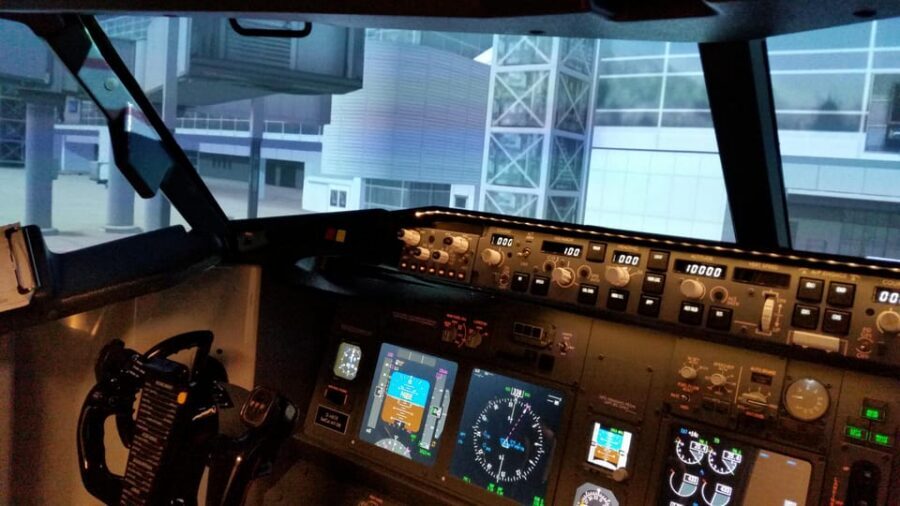
- You fly the 737 in a simulator cockpit with fully functional controls and immersive sound.
- A real pilot-led briefing (about 30 minutes) teaches the instruments and what you’ll do next.
- Time in the seat depends on your category, and some bookings keep you alone in the cockpit.
- You get a debrief (about 15 minutes) to talk through what worked and what to adjust.
- Private group format, with limited accompanying persons allowed.
The 737 cockpit briefing: how they get you in the right mindset
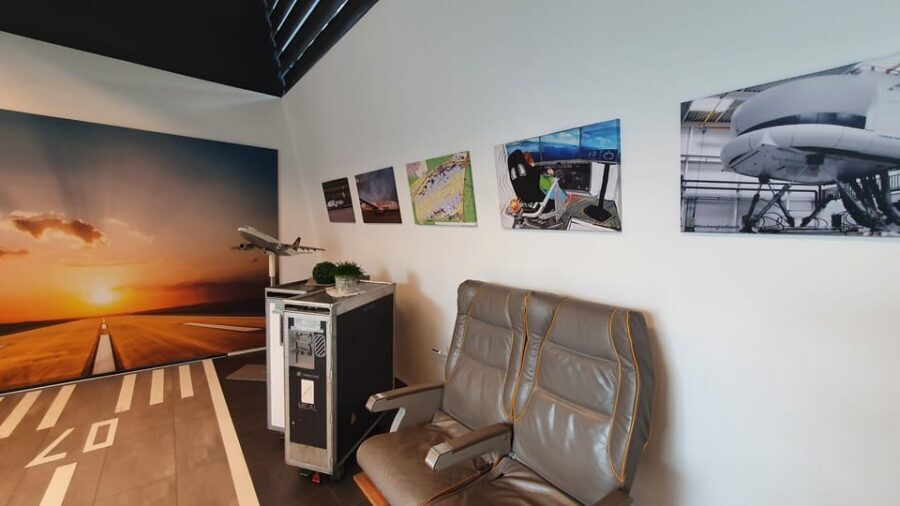
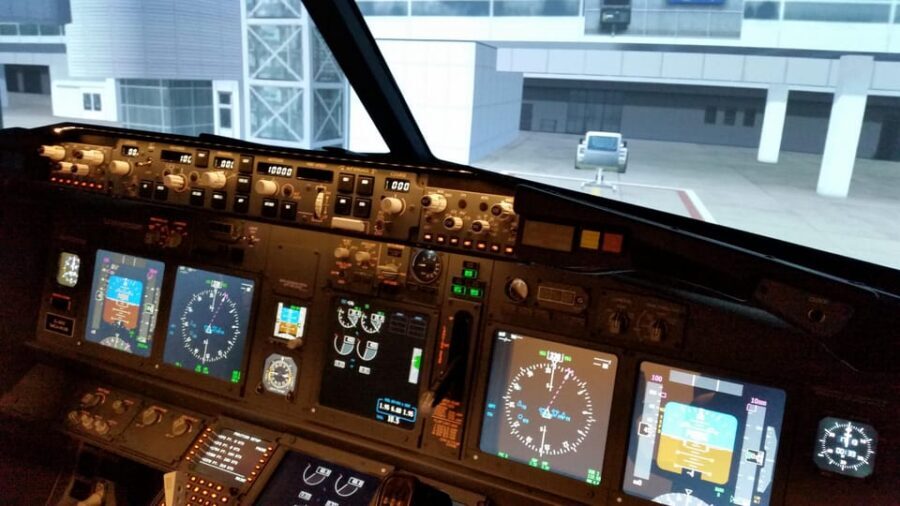
The experience starts with a briefing of roughly 30 minutes. This isn’t a quick “push that button” chat. It’s built around the cockpit, with visuals meant to help you map what you’re seeing to what you’re doing. In practice, that matters because a 737 cockpit can look intimidating if you only stare at gauges.
You’ll go over the essential instruments and the basics of using the cockpit controls. The goal is to help you get your bearings fast so you can concentrate on flying instead of trying to translate the instrument panel in your head. Instruction is in English and German, so you can choose the language that keeps you focused.
And because you’re supervised by a commercial pilot, the briefing isn’t only about facts. It’s also about habits: what to check, what to watch, and how to think during takeoff and approach. If you’ve ever felt nervous learning something technical, you’ll appreciate how this is framed as guided practice rather than testing.
You can also read our reviews of more tours and experiences in Frankfurt.


Taking the controls: what “immersive” really means inside the cockpit
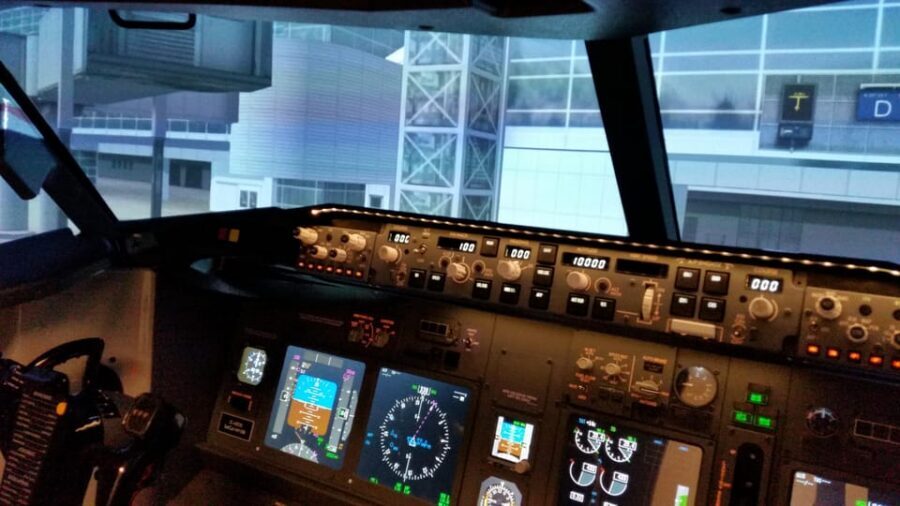
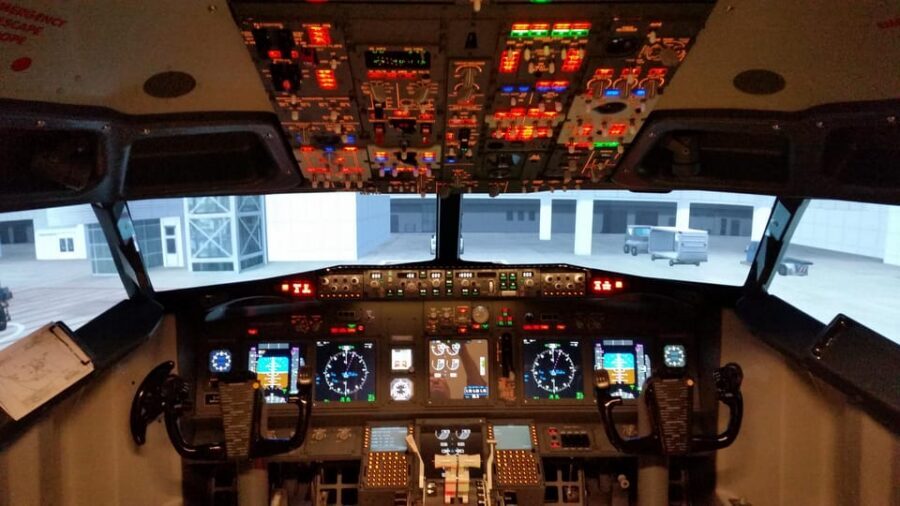
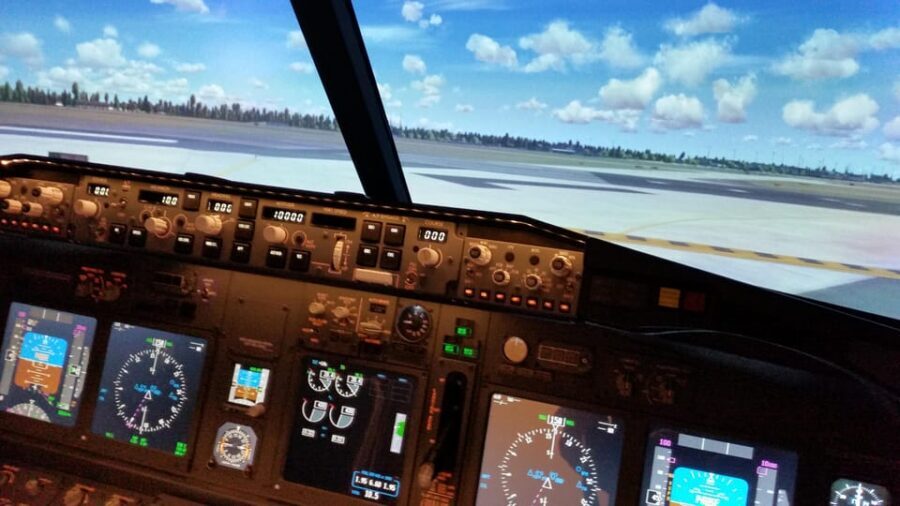
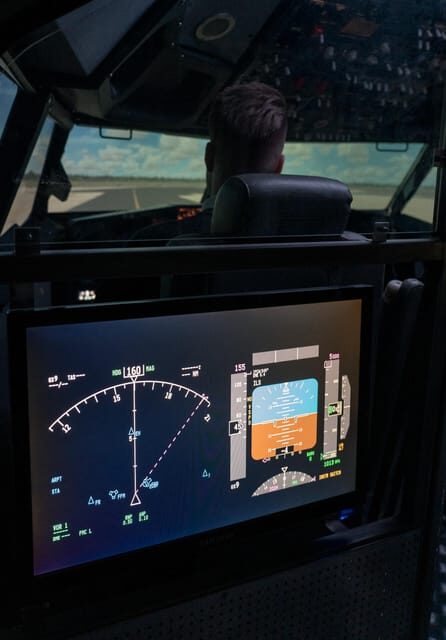
Once the briefing ends, you step into the cockpit and take charge of the technology and electronics under professional supervision. The simulator is designed to blur the line between real and virtual: cockpit windows show changing scenery, and the sound environment helps you feel like the aircraft is moving.
This is the part people usually remember. Not because it’s flashy, but because you’re actively flying. You’re not just sitting while a screen plays. You’re working the controls, listening for what’s happening, and adjusting based on what you see and hear.
A practical note from one detailed review: the flight controls can pull slightly to the right during approaches, and you may need to adjust your positioning. That’s exactly the kind of “real-feeling” quirk that makes the session useful. You’ll learn to compensate instead of assuming everything will be perfectly neutral.
The flight time categories (Economy, Business, First Class) and what they change
The total event runs about 1 to 2 hours, but the actual simulator time depends on what you book. Here’s how the operator structures it:
- Economy: about 30 minutes of simulator flight time, with you controlling the cockpit under supervision.
- Business: about 60 minutes of simulator flight time.
- First Class: two blocks of 60 minutes for two persons (so two people get substantial time at the controls).
One detail I like is that some categories are designed so the cockpit time isn’t shared the same way you’d expect in a group. The idea is to keep you engaged and give you enough minutes to learn a sequence: brief, fly, adjust, then land and wrap up.
If you’re booking as a gift, this structure helps you choose. A shorter session can still be thrilling and confidence-building, but the longer ones give you more repetition. Repetition is where flying skills start to feel real, even in a simulator.
After the landing: debriefing that turns thrills into takeaways
After your simulator flight, you get a debrief session of about 15 minutes. This is where the experience stops being only fun and starts becoming useful.
In a good debrief, you don’t just hear what you did wrong. You also hear what you should look for next time. With a commercial pilot supervising, you can usually expect feedback tied to how you handled instruments, control inputs, and approach phases.
This part also helps if you went in with zero aviation knowledge. You can ask questions, compare what you thought you were doing to what the aircraft was “saying” through instruments and behavior, and walk away with a clearer mental model.
It’s also nice for groups. If you bring someone who is watching from outside the cockpit area, the debrief gives you something concrete to discuss afterward, not just a blurry memory of lights and screens.
Frankfurt timing and the AiRail Check In meeting point
Plan to arrive 10 minutes before the start time at AiRail Check In. Bring your ticket. That early arrival buffer matters because this experience is short by design, and you don’t want to lose time getting settled.
You’ll also want to plan for a simple on-site routine: get checked in, get briefed, then go into the cockpit portion. The provider keeps it structured, which is part of the value. You’re not wandering around waiting for someone to find you.
During the session, you’ll get cold and warm drinks. Small comfort things like that matter in technical experiences, especially if you’re focused for a long stretch.



Who should book and who should skip it
This is a hands-on flight simulation experience built around a cockpit environment. That’s great if you want active learning, and it also explains why the operator lists clear restrictions.
It is not suitable for:
- children under 12
- people with mobility impairments
- wheelchair users
- people with claustrophobia
- people with vertigo
- people with epilepsy
- people over 6 ft 6 in (200 cm)
- visually impaired people
- people over 243 lbs (110 kg)
If any of those apply, don’t treat it as a maybe. The operator is telling you this setup may be unsafe or uncomfortable. If you fit the requirements, you’ll likely enjoy the realistic cockpit feel and the chance to focus on flying steps in a controlled setting.
It’s also a good idea to come in ready for a rules-based session. For example, the experience explicitly does not allow high-heeled shoes, alcohol and drugs, or party groups like bachelor or bachelorette parties. It’s geared toward serious fun and instruction, not rowdy distractions.
Price and value: why $116 can feel like more than a “ride”
The price starts around $116 per person. On its face, that’s not “cheap.” But you’re paying for more than time inside a simulator.
You’re getting:
- a professional pilot-led briefing (about 30 minutes)
- hands-on cockpit time (30 to 60 minutes depending on category, with First Class offering two time slots)
- a debrief (about 15 minutes)
- professional supervision by pilots
- cold and warm drinks
- private group format
For comparison, a lot of flight-themed experiences stop at “watch and pose.” Here, the structure nudges you into learning: instrument basics first, control practice next, then feedback. The debrief makes it feel like a mini training session.
There’s also value in the limited spectator setup. One booking category allows accompanying persons (one for Economy, two for Business and First Class). If you’re bringing family, you may find it more comfortable than booking a fully public group where everyone competes for attention.
If you need extra spectators, there is a set fee: €12 per extra person. That keeps the event from turning into a crowd scene.
A quick reality check: scenario rules and behaving like a serious cockpit trainee
One of the best things about supervised simulation is that it stays on the safe side of imagination. You’re encouraged to be enthusiastic, but you also need to follow the operator’s rules.
For example, there are clear limits on how scenarios are handled. A specific note in a review mentions that for Americans, they’re not allowed to do their own version of a real-world terror scenario. The takeaway for you is simple: go in ready for the aviation experience they’ve prepared, and don’t plan disruptive or harmful “what if” ideas.
That might sound like a buzzkill, but it also protects what makes the experience fun: realistic flying training without fear or chaos.
Practical tips: what to bring, what to wear, and how to prep your phone
Before you go, check what you need:
- Passport or ID card
- comfortable shoes and clothes
- bring a camera or your cell phone for photo and/or video recordings
Dress matters here. The event says no high heels. That’s likely about comfort and safety around the cockpit-style setup. Comfortable shoes help you move and settle without fuss.
Also, the provider lists a few no-go behaviors and group types. If you’re coming with friends, keep it calm and focused. The experience is private group, but the goal is still instruction, not partying.
Language is English or German, and you can choose what works best. If you’re bilingual, you might find one language helps you understand instruments faster while another helps you ask questions.
And if you want the best memories, bring your phone with enough battery and storage. Recording in a cockpit-style setting can be tricky, so a quick prep beforehand saves frustration.
Should you book the Frankfurt Ready for Take Off B737 simulator?
Book it if you want a short, structured way to feel what it’s like to fly a major jet while being guided by commercial pilots. The combination of instrument briefing, real control practice, and a debrief is what turns this into more than a theme-park stunt.
Skip it if you have claustrophobia, vertigo, epilepsy, significant mobility limits, or any of the other listed unsuitability factors. Don’t gamble on “maybe I’ll be fine.” The operator spells out restrictions for a reason.
Also, choose your category based on how you learn. If you want a one-time thrill, Economy can work. If you want deeper practice and more time to get comfortable, Business or First Class is where you’ll feel the difference.
If you’re planning a gift, this is the kind of present that works because it delivers both imagination and instruction. It’s fun, but it’s also thoughtful in how it teaches you to fly the cockpit.
FAQ
How long is the experience in total?
The full experience runs about 1 to 2 hours, depending on the booking category and the simulator flight time included.
How long do I get in the B737 simulator?
Simulator flight time depends on your category: about 30 minutes for Economy, about 60 minutes for Business, and two time slots of about 60 minutes for First Class for two persons.
Is there a briefing before I fly?
Yes. You get an approximately 30-minute briefing.
Is there feedback after the flight?
Yes. There is an approximately 15-minute debriefing after your simulator session.
Who supervises me while I fly?
Professional pilots provide supervision throughout your simulator session.
What languages are available?
The instructor languages are English and German.
Where do I meet, and when should I arrive?
Meet at AiRail Check In about 10 minutes before the start time. Bring your ticket to the event.
Can accompanying persons watch?
Yes. For Economy, one accompanying person is included. For Business and First Class, two accompanying persons are included.
Is there an option to book extra spectators?
Yes. Additional accompanying persons can be booked for €12.00 per person.
What should I bring with me?
Bring a passport or ID card, wear comfortable clothes and shoes, and bring a camera or your cell phone if you want to record photos and/or video.
Is this experience suitable for children?
It is not suitable for children under 12.