REVIEW · BERLIN
Kreuzberg kulinarisch – Die Food Tour
Book on Viator →Operated by Adventure World Tours · Bookable on Viator
Kreuzberg tastes like a story. This food tour mixes Berlin-style classics with international and fusion food, then pairs the tastings with real-life neighborhood context you can see while you walk. You start around Kottbusser Tor and spend about three hours learning how this corner of Berlin got the reputation it has today.
Two things I really like: first, you don’t have to stop and pay for your food along the way—tastings and snacks are included. Second, the guide-led talk goes beyond ordering and menus, with a focus on Kreuzberg’s everyday culture and the architecture you pass, including those cramped courtyard-style back spaces that shaped life here in the 1800s.
The main thing to consider: this is a public walking tour, so you need to keep up. It’s not recommended if you have major walking problems, and there’s no hotel pickup, so you’ll be responsible for getting to the meeting point near public transit.
In This Review
- Key points at a glance
- Entering Kreuzberg at Kottbusser Tor
- Food tastings included: why the price feels fair
- What you’ll eat: German comfort plus international and fusion
- The walking route: culture and architecture while you graze
- Stop pacing: how the tastings work across three hours
- Price, group size, and timing: what to plan for
- Who should book Kreuzberg kulinarisch
- Should you book this Kreuzberg food tour?
- FAQ
- How long is the Kreuzberg kulinarisch food tour?
- What food is included in the price?
- Are vegetarian options available?
- Does the tour include drinks?
- Where does the tour start and end?
- Is the tour suitable for people with walking problems?
Key points at a glance
- Tastings and snacks are included, so you can budget once and graze instead of paying per stop
- Food mix, not just German plates: you’ll get international and fusion alongside classic Berlin comfort food
- History and architecture on the route, including the working-class past around Oranienstraße
- Small-group feel with a maximum of 25 people, which helps questions and pacing
- Vegetarian option available if you ask when booking
- Operates in all weather, so dress for walking
Entering Kreuzberg at Kottbusser Tor
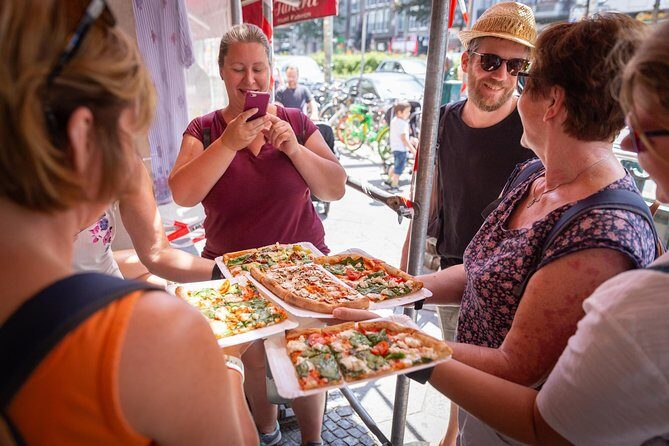
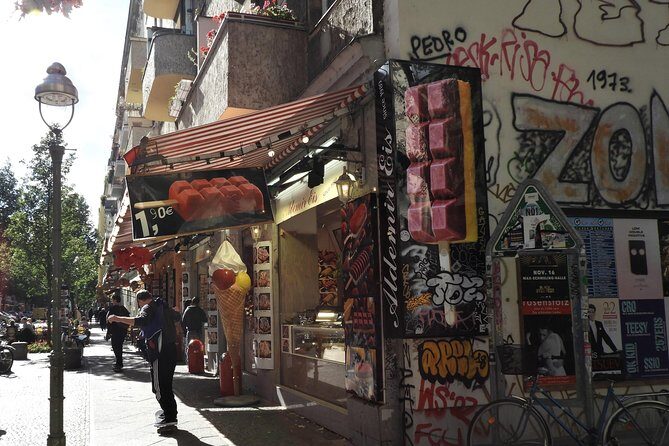
Your tour starts around Kottbusser Tor, specifically at Reichenberger Str. 174, with the day’s tone set right in the middle of Kreuzberg. This matters because Kreuzberg is one of those areas where you can’t separate food from place. People, languages, and building types are all mixed together, so the guide’s job isn’t just to hand you snacks—it’s to help you read the neighborhood.
After a short welcome, the focus shifts to context. Kreuzberg began in the mid-1800s as a working-class neighborhood. Life was hard, and the living conditions reflected it: large building complexes, plus backyards where people squeezed into smaller spaces. You get a sense of how the area functioned when fresh air felt like something you had to imagine, not something you took for granted.
One of the more striking details you’ll hear is how many residents didn’t rent a full flat or room the way we think about it today. Instead, people sometimes rented space for about eight hours on a mattress. When you’re walking through the area—especially along streets linked to Oranienstraße—that detail makes the architecture feel personal. You start noticing courtyards, back passages, and the way buildings create those enclosed pockets of space.
You can also read our reviews of more food & drink experiences in Berlin



Food tastings included: why the price feels fair
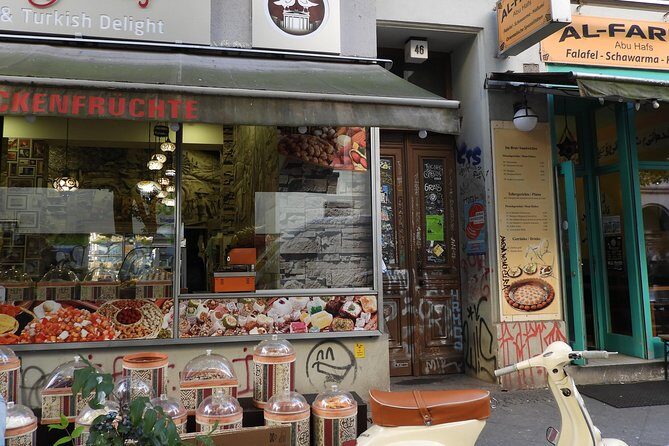
At about $52.18 per person for roughly three hours, the headline value is simple: the tour price covers food tastings and snacks. That’s the big difference between a food tour and a series of restaurant reservations. Here, you’re paying for multiple bite-sized stops without having to pull out your wallet every time you arrive at the next place.
This is especially useful if you’re still figuring out what you like in Berlin. Kreuzberg has German staples, but it also has the kind of immigrant and international food scene that makes it easy to get variety fast. Tastings are the smart format for that. You can try new flavors without committing to a full meal you might not enjoy—or spending extra later because you ate lightly on purpose.
A small caution: drinks aren’t included. That’s not a deal-breaker, just plan for it. If you like beer, wine, or soft drinks with your food, keep that in mind so the total cost doesn’t surprise you. Also, since it’s three hours of walking and tasting, you’ll want to arrive with at least a normal appetite. If you start the tour stuffed, you’ll miss the fun part: comparing flavors from stop to stop.
What you’ll eat: German comfort plus international and fusion
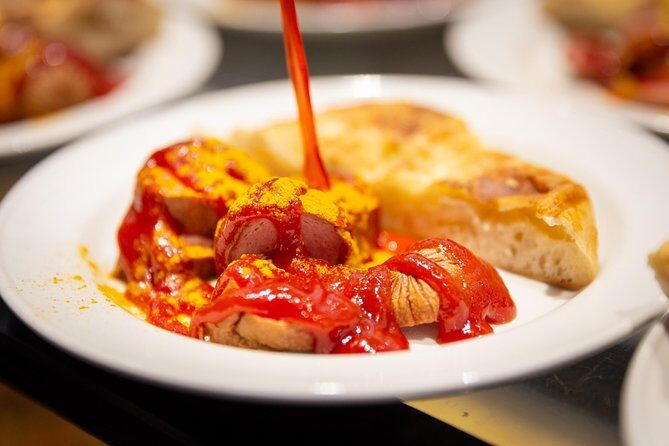
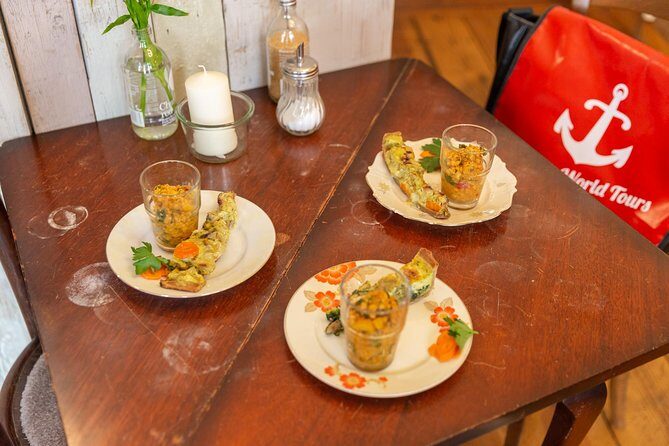
The tour isn’t limited to German food, and that’s a major plus. You’ll sample a mix that includes traditional Berlin-style bites and also international and fusion concepts. In practice, this usually means you get a menu of tastes that reflect Kreuzberg today, not just Berlin from a postcard.
Think of it as two types of curiosity at once:
- Classic comfort gives you a baseline for what locals consider satisfying
- International and fusion shows you how Kreuzberg keeps evolving through migration, nightlife, and everyday entrepreneurship
If you’re vegetarian, you can request a vegetarian option during booking. That’s important because food tours sometimes treat vegetarian needs as an afterthought. Here, the fact that they plan for it ahead of time gives you more confidence that you won’t be stuck with just bread and side dishes.
You won’t need to worry about stopping for a bill mid-route. The guide helps keep everything on track, so you’re tasting rather than scheduling. And because the food portion is structured, you’re less likely to accidentally miss a place or scramble for something that’s good and open.
The walking route: culture and architecture while you graze
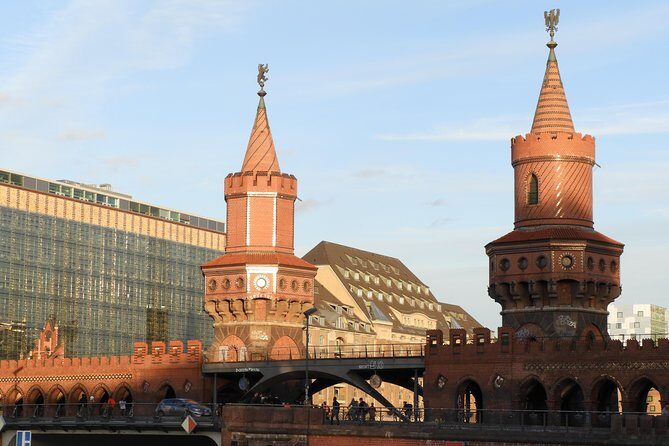
This tour is part food stop, part neighborhood education. You’ll spend the time learning about Kreuzberg’s history and culture, and you’ll do it while moving through streets and structures that still show the neighborhood’s past.
The guide’s commentary is where the tour gets extra mileage. The working-class story isn’t told like a documentary. It’s tied to what you pass—especially details around Oranienstraße and the idea of those crowded backyards and enclosed spaces. When the tour connects those conditions to the architecture, it stops being abstract. You can physically understand why living in those spaces shaped daily routines.
One of the best aspects of these tours is the balance: you get to enjoy food without turning your day into an all-museum experience. The walk keeps things active and gives you time to ask questions. You also get a sense of how Kreuzberg’s identity is formed by contrast—poverty and prosperity next to each other, and many nationalities sharing the same streets.
Guides named Nike and Dan have been specifically praised for telling the story in an engaging way. That matters because on a tour like this, the guide is the difference between hearing facts and actually understanding why the facts matter.
Stop pacing: how the tastings work across three hours
Even though you only have one formally described meeting moment, the experience still follows a clear rhythm: you start with an introduction, then you transition into multiple tasting stations. That’s the core of how a food tour like this stays fun.
Here’s what you can expect once you’re walking:
- The guide starts by grounding you in Kreuzberg’s past and present—so the food stops make sense
- You move from one tasting location to the next, with snacks and tastings provided so you don’t have to pay for each bite
- You get commentary at points along the route, tying what you’re eating to what’s happening in the neighborhood
The end point is Kottbusser Damm 95. Finishing on a different street than where you start helps you feel like you’ve actually covered ground, not just circled the same block. It also gives you an easy handoff back into the city—this area is well set up for public transit, so you can keep your day going without needing a complicated plan.
A few more Berlin tours and experiences worth a look




Price, group size, and timing: what to plan for
A 3-hour tour is a sweet spot. Long enough to try several bites and hear the story, short enough that you don’t lose your whole day to walking. The group size is capped at 25, which helps keep the pace manageable. It also tends to make the tour feel more like a shared outing than a cattle-line event.
A couple practical things to line up before you go:
- Get to the meeting point on time, since there’s no hotel pickup
- Dress for walking, because it runs in all weather conditions
- Bring your appetite for snacks and tastings rather than expecting a full sit-down meal
Also, the tour uses a mobile ticket. That’s convenient, but make sure your phone is charged enough that you can show the ticket when you arrive.
If you’re planning this as your first stop in Berlin, it works well as a “get oriented” activity. If you’re already deep into the city, it still helps because Kreuzberg’s food scene is best understood in the context of the neighborhood’s mix of cultures and histories.
Who should book Kreuzberg kulinarisch
This is a great choice if you want food and local context in one package. I’d point you toward it if:
- You like walking tours and don’t mind moving at a normal group pace
- You want more than just a list of where to eat and actually want to understand the neighborhood
- You enjoy trying a mix of traditional and non-traditional foods
- You’re traveling with a flexible palate and want to compare flavors across multiple stops
It’s less ideal if you have significant mobility limitations. The tour is public and walking-based, and you’ll need to keep up with the guide. If you’re unsure, you might consider whether you can manage a few hours of walking before booking.
Should you book this Kreuzberg food tour?
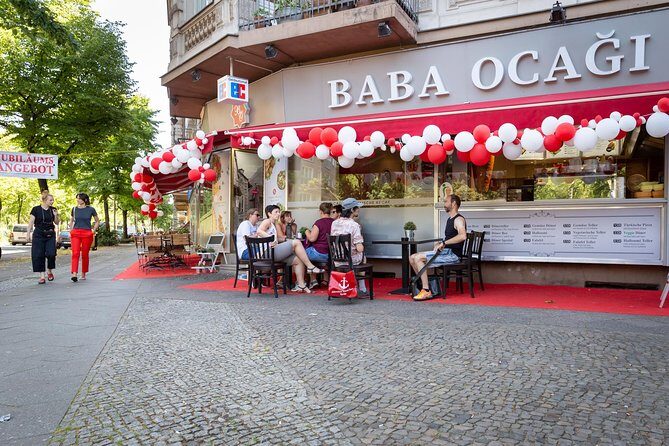
If you like the idea of tasting multiple foods without paying for each stop, this one is easy to justify. The included tastings and snacks make the price feel controlled, and the history + architecture commentary gives you more than just calories—you get a sharper sense of what makes Kreuzberg tick.
I’d book it when you want your Berlin day to feel personal and grounded: you eat, you walk, you learn why the streets look the way they do. If you hate walking or need long rests, skip it. Otherwise, it’s a smart use of a half day in Berlin’s most interesting mix-and-match neighborhood.
FAQ
How long is the Kreuzberg kulinarisch food tour?
The tour lasts about 3 hours.
What food is included in the price?
Food tastings and snacks are included.
Are vegetarian options available?
Yes. A vegetarian option is available if you advise them at the time of booking.
Does the tour include drinks?
No. Drinks are not included.
Where does the tour start and end?
It starts at Reichenberger Str. 174, 10999 Berlin, and ends at Kottbusser Damm 95, 10967 Berlin.
Is the tour suitable for people with walking problems?
It’s not recommended for travelers with major walking problems, since it’s a public walking tour and you need to keep up with the guide.