REVIEW · HAMBURG
Hamburg: Speicherstadt Historical Guided Walking Tour
Book on GetYourGuide →Operated by Eat the World GmbH · Bookable on GetYourGuide
Brick warehouses tell global trade stories. This 2-hour guided walk through Hamburg’s UNESCO Speicherstadt turns brick-and-gabled streets into a clear story about how early commerce shaped the world economy.
I love how the tour pushes past postcard views. You’ll hunt for hidden alcoves and quiet corners, with stops where a historian explains what you’re looking at and why it mattered. I also like that the guide doesn’t just recite facts—Paul and Jana are known for answering questions and adding extra context, keeping the vibe focused but human.
One thing to plan for: it’s 2–3 miles of walking and it runs rain or shine, so comfy shoes and water matter. Also, it doesn’t end where it starts, so you’ll want a simple end-plan for how you’ll get on with your day.
In This Review
- Key highlights to look for
- Why Hamburg’s Speicherstadt feels different from other historic sites
- What the 2-hour guided format does well (and how to plan your day)
- Architecture stops: hidden alcoves, courtyards, and the “why” behind the look
- What you’ll likely notice as you walk
- A consideration
- The trade story: duty-free coffee, carpets, and how global economics lived here
- Why this matters for your understanding
- The historian’s role: why Paul and Jana stand out
- Walking logistics you actually need: distance, weather, and comfort
- Plan for 2–3 miles
- Rain or shine
- Not for mobility impairments
- Price and value: what $29 buys you (and what it doesn’t)
- Language matters: the German-only experience
- Who should book this Speicherstadt walking tour
- Should you book the Speicherstadt Historical Guided Walking Tour?
- FAQ
- How long is the Speicherstadt historical guided walking tour?
- What language is the live guide speaking?
- How much walking is involved?
- Does the tour run in bad weather?
- Are food and drinks included?
- Does the tour end where it starts?
- Is there free cancellation?
Key highlights to look for
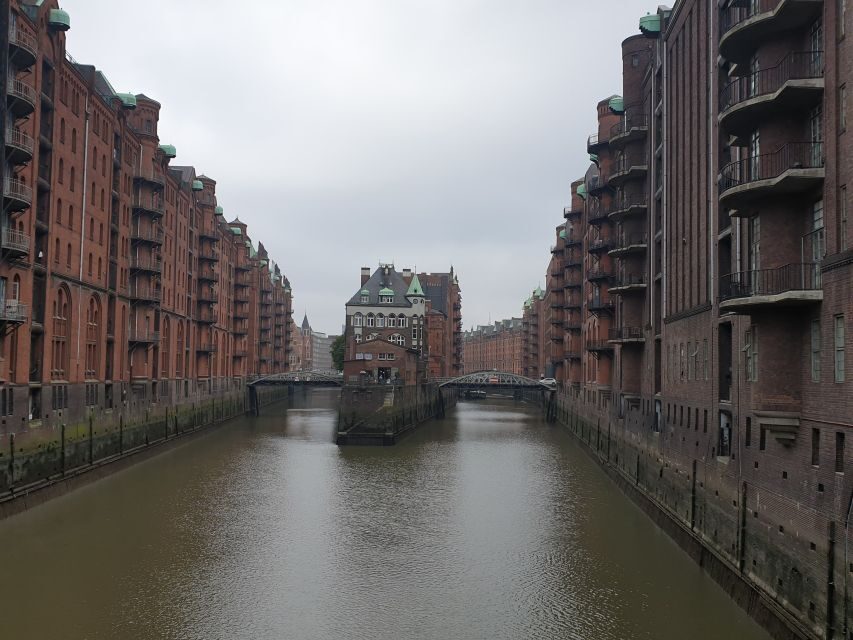
- UNESCO architecture with a purpose: you see the warehouse district, then learn what made it economically powerful
- Hidden alcoves and quiet courtyards: you’re guided to details most people walk right past
- Trade stories you can picture: duty-free coffee, carpets, and the flow of exotic goods
- A historian who adds real anecdotes: Paul and Jana are praised for lively, detailed explanations
- Good small-group energy: more room for questions and follow-ups
- Practical comfort choices: one guide even built in a public restroom stop, because reality happens
Why Hamburg’s Speicherstadt feels different from other historic sites

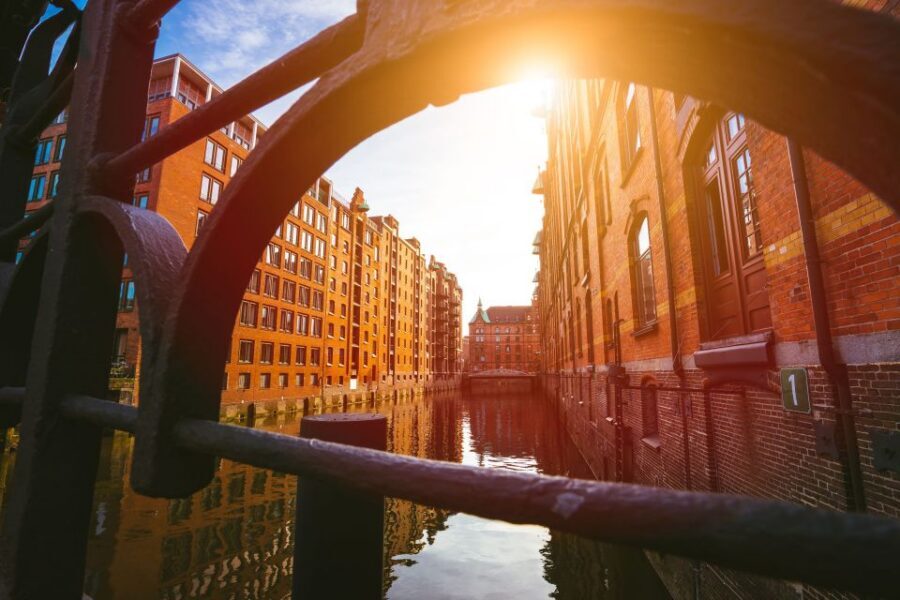
The Speicherstadt isn’t just old buildings. It’s old logistics. Think warehouses designed for commerce, built for storage, and shaped by the business needs of an earlier Hamburg that traded aggressively with the rest of the world.
That’s why this tour works. You’re not wandering aimlessly through an attraction. A local historian frames what you’re seeing—especially the way the architecture connects to trade—so the district starts to make sense fast. You walk away seeing the place with clearer eyes.
And because Speicherstadt is a UNESCO World Heritage Site, you get the best kind of guided value: you’re not only admiring the look, you’re learning the reasons behind the design and formation. That’s what turns a pretty walk into an informative one.
You can also read our reviews of more walking tours in Hamburg



What the 2-hour guided format does well (and how to plan your day)
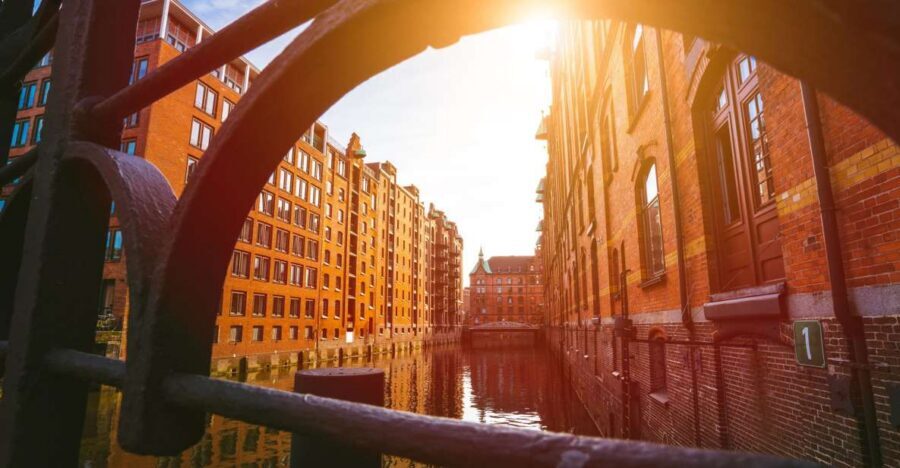
A 2-hour walking tour is a sweet spot in Hamburg. Long enough to learn, short enough to keep your afternoon flexible. You also have a clear takeaway goal: understand how the district was formed and how it shaped Hamburg’s early trade economy.
Two practical things help your planning:
- You’re walking 2–3 miles. That’s doable for most people with decent shoes, but it’s not a quick stroll.
- The tour does not end where it begins. That means your next activity or transit plan should be nearby to the ending area, not your starting point.
Also, food and drinks aren’t included, so treat this as an exploration, not a meal break. Bring water. If you’re traveling in cool months, bring warm layers—one group noted it was chilly but the guide helped everyone find warming spots during the walk.
Architecture stops: hidden alcoves, courtyards, and the “why” behind the look
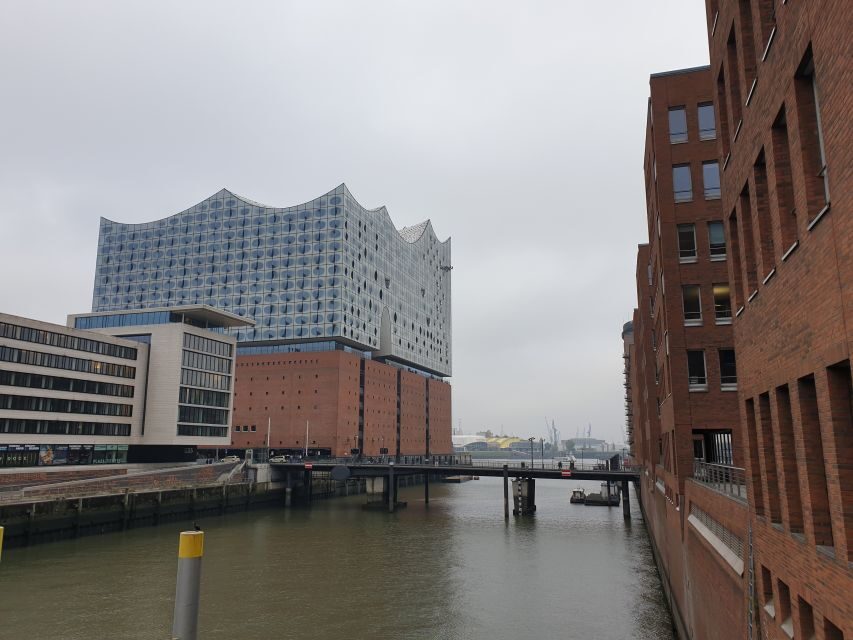
Here’s the part that I’d bet you’ll remember most: you’re guided to architectural details, including hidden alcoves and quiet corners. Instead of staring at the obvious facades, you get directed to the small spaces where the district’s design feels intentional and surprising.
A good walking guide makes this click in a way self-guided wandering often doesn’t. You’ll pause at points where the seasoned historian explains what the buildings were built to do, and how the layout supported trade activity. You’ll also hear the formation story—how Speicherstadt came together and why it mattered economically.
What you’ll likely notice as you walk
You’ll spend most of your time moving through the warehouse district’s streets and architectural fronts, then stopping when the guide points out the “in-between” spaces. Look for:
- Architectural niches and recesses that feel tucked away
- Courtyard-like calm spots where the noise drops and details become easier to see
- Areas where the design makes more sense once you hear the trade context
A consideration
Since the tour is rain or shine, these architectural “side moments” can get slick if the weather turns. Bring grippy footwear, not just comfortable shoes.
You can also read our reviews of more guided tours in Hamburg






The trade story: duty-free coffee, carpets, and how global economics lived here
Speicherstadt’s big idea is simple: it was built for storage and trade. But the tour makes it vivid by linking everyday objects to global economics.
You’ll learn how early exotic goods—especially duty-free coffee and carpets—were traded and sold from the famous warehouse district. The goal isn’t to memorize a timeline. It’s to understand how these goods moved through Hamburg and why a warehouse-centered setup could drive money, jobs, and influence.
Why this matters for your understanding
Modern trade can feel abstract—ships, containers, markets. Here, it feels grounded. You can connect:
- the physical space (warehouses and structured trade areas)
- the specific goods (like coffee and carpets)
- the economic impact on Hamburg’s locals (the “what changed because of trade” part)
If you care about how cities grew, this is the section that delivers. Even if you’re not a history superfan, the story is easy to follow because it ties buildings to outcomes.
The historian’s role: why Paul and Jana stand out
This tour leans hard on the guide experience, and the results show. Paul is praised as incredibly curious and enthusiastic, with knowledge shared in a way that keeps people engaged. Jana is noted for making the walk feel like a guided path of stops—explaining and showing key points rather than just talking while walking.
What you should take from that if you book:
- You’ll get more than generic “facts on a sign” energy.
- Expect the guide to connect architecture to the economic story, not separate them.
- If the group stays small (which it can), you’re more likely to get answers to your questions.
There’s also a small but memorable detail: one guide even built in a public restroom stop. It sounds minor, but it’s exactly the kind of practical thinking that makes a walking tour feel well run.
Walking logistics you actually need: distance, weather, and comfort
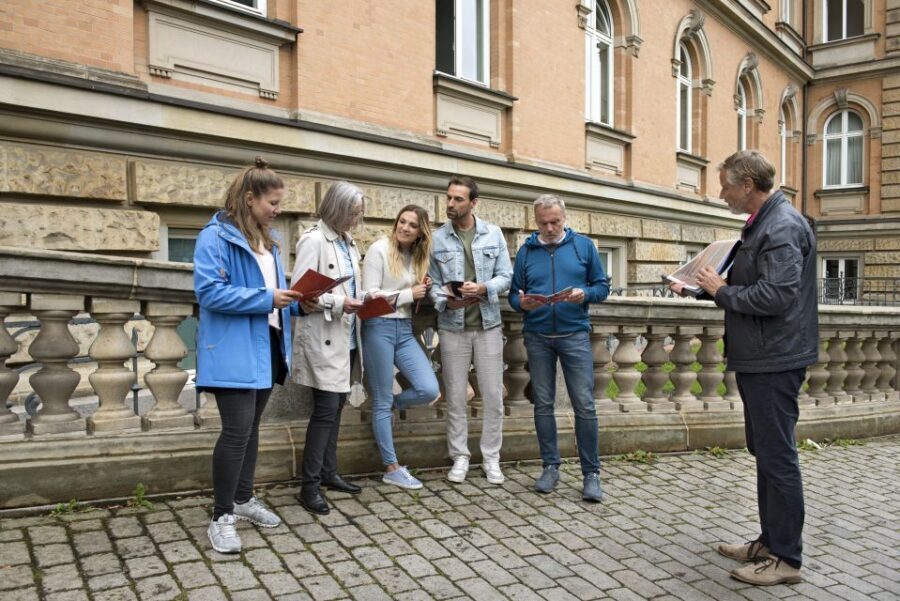
Let’s get real about walking tours. They’re great—until your feet complain.
Plan for 2–3 miles
The tour includes about 2–3 miles of walking. That’s not long enough to be miserable for many people, but it does add up, especially in cold or wet weather. If you’re the type who hates stopping, you may feel the pace more than expected because the guide pauses you at points of interest.
Rain or shine
The tour happens in rain or shine, so dress for the day, not the forecast fantasy. Bring weather-appropriate clothing and water. If it’s damp, take your time on slippery areas. You’ll enjoy the architecture more when you’re not half-focused on your footing.
Not for mobility impairments
This experience is not suitable for people with mobility impairments, likely due to the walking distance and the nature of outdoor streets. If mobility is a concern, it’s worth considering a more accessible option.
Price and value: what $29 buys you (and what it doesn’t)

At $29 per person for 2 hours, the price is fairly straightforward. You’re paying for:
- a live local historian guide
- a tour brochure
- a structured way to see Speicherstadt without wasting time figuring out what matters
What you’re not paying for:
- food and drinks
- transportation
So the real value depends on your style. If you enjoy history only when it’s explained clearly, this price feels like a bargain. If you already know the area well and hate walking in groups, you might question the cost.
But here’s the key: you’re not just buying access to a place. You’re buying a guided connection between UNESCO architecture and the economic trade story. That “why” is hard to recreate with zero guidance unless you’re willing to do heavy reading on your own.
Language matters: the German-only experience
The tour guide is German, and that’s worth planning around.
If your German is basic, you’ll still likely pick up a lot from context, visuals, and the guide’s explanations—especially because the tour’s themes are concrete (goods traded, warehouses built, economic impact). But if you want to follow every nuance closely, this is the point where comfort with German makes the experience smoother.
If you’re traveling with friends who speak German well, this can be a great shared activity.
Who should book this Speicherstadt walking tour
This is a strong fit if you:
- like real explanations tied to places you can see
- want the UNESCO value beyond photos
- enjoy trade and economic history when it’s told in plain language
- prefer a guided route with stops, not a free-for-all
It’s not the best choice if you:
- struggle with outdoor walking for 2–3 miles
- need a tour that ends where you start (this one won’t)
- want food included (you’ll plan your own break)
Should you book the Speicherstadt Historical Guided Walking Tour?
I’d book it if you want your Hamburg day to feel purposeful. For $29, you get a historian-led walk through Speicherstadt’s most important ideas: architecture, hidden details, and the trade story behind coffee and carpets—plus enough structure to keep you from missing the interesting parts.
Skip it if you’re mainly chasing relaxation. This is a walking, learning, stop-and-listen experience. With rain in the mix, it’s also best for people who enjoy being outdoors even when the weather is doing its thing.
If you’re comfortable with 2–3 miles of walking and you can handle a German-led tour, this is a smart way to understand why Speicherstadt is so much more than a pretty warehouse district.
FAQ
How long is the Speicherstadt historical guided walking tour?
The tour lasts 2 hours.
What language is the live guide speaking?
The tour is conducted with a live German guide.
How much walking is involved?
You should expect about 2–3 miles of walking.
Does the tour run in bad weather?
Yes. The tour takes place rain or shine.
Are food and drinks included?
No. Food and drinks are not included.
Does the tour end where it starts?
No. The tour does not end where it begins.
Is there free cancellation?
Yes. You can cancel up to 24 hours in advance for a full refund.