REVIEW · HAMBURG
Hamburg: Reeperbahn & St. Pauli by Day
Book on GetYourGuide →Operated by Hamburg&Meer · Bookable on GetYourGuide
St. Pauli hits different in daylight. This guided walk turns the Reeperbahn and surrounding streets into a clear, human story—from Millerntorplatz by St. Pauli Stadium to the Beatles square stop you’ll want photos for. I especially like how the tour connects places you can actually see with why they ended up that way, and I also like the practical pacing for a 2-hour outing that doesn’t drag.
What I also liked: the stop at the Davidwache police station area helps you understand the rules and tensions around the district, not just the surface image. One drawback to consider: St. Pauli is still the St. Pauli with streets like Herbertstrasse, tied to prostitution and crime history, so if you want a polished, sanitized city experience, this may feel too real.
That said, this is very doable in daylight. The tour is designed for daytime viewing, and the group stays walking—no bar or club entrances, and no drinks included.
In This Review
- Key things to know before you go
- Why St. Pauli makes sense in daylight
- Meeting at St. Pauli metro: get oriented fast
- The stadium start and how the tour tells the neighborhood’s story
- Davidwache and Herbertstrasse: the district’s tension, explained
- Hans-Albers-Platz and Große Freiheit: nightlife energy, decoded
- The Beatles square: a fun stop that changes the vibe
- Price and time: what $21 buys you
- Practical tips for a smoother St. Pauli day
- Who should book this walking tour?
- Should you book Hamburg: Reeperbahn & St. Pauli by Day?
- FAQ
- How long is the tour?
- How much does it cost?
- Where do I meet the guide?
- What language is the tour guide?
- Is the tour wheelchair accessible?
- What’s included in the price?
- Are drinks included?
- Do we go into bars or clubs?
- Can I cancel, and is there a pay-later option?
Key things to know before you go
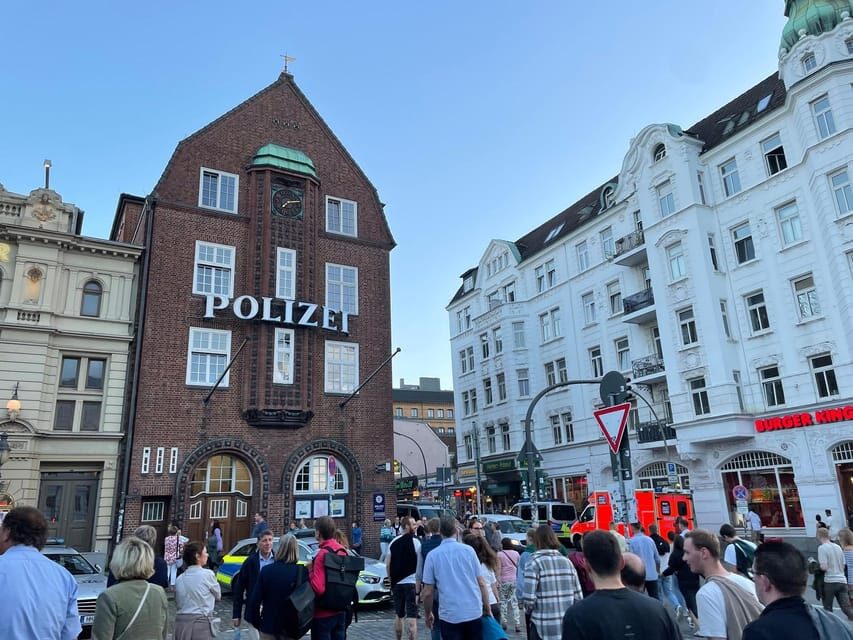
- Start at Millerntorplatz right by St. Pauli Stadium so you get instant orientation
- Davidwache police station area adds context beyond the stereotypes
- Herbertstrasse history is explained in a factual, place-based way
- Hans-Albers-Platz (Hamburger Bermuda Triangle) gives you a feel for the area’s pull
- Große Freiheit shows where nightlife energy lives, without needing to go inside
- The Beatles square stop is a fun daylight anchor point for photos
Why St. Pauli makes sense in daylight
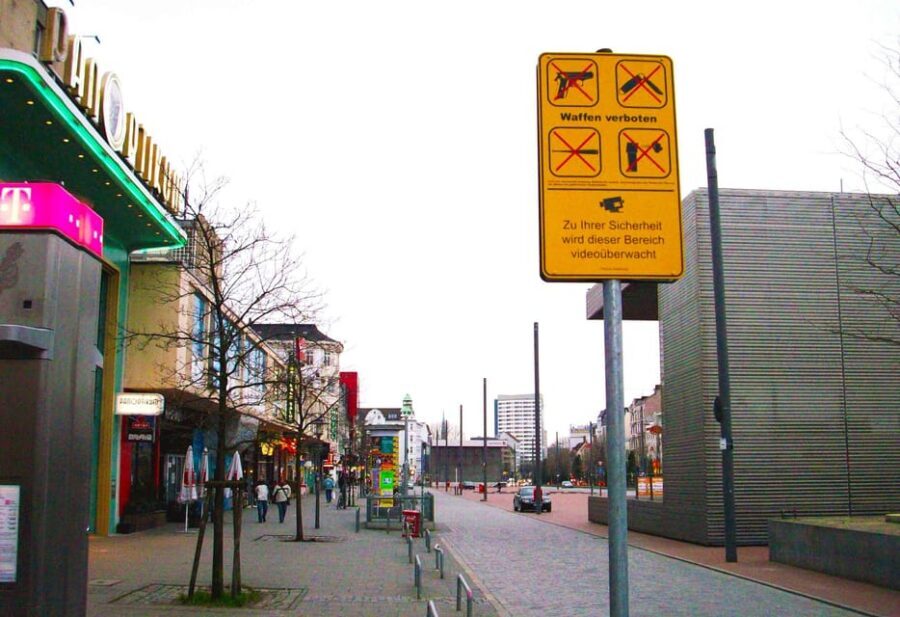
People hear Reeperbahn and think only one thing. In daylight, it’s more interesting than that. You see the actual street grid, the shop fronts, the daily foot traffic, and the way history clings to the corners. You also get a chance to understand why the district grew into a magnet for entertainers, sailors, workers, and artists over time.
I like this tour because it doesn’t ask you to pretend the area is something it isn’t. It uses daylight as a framing device: you walk, you listen, and you connect stories to places you can stand in front of. That makes it easier to form your own opinion.
One more plus: the tour is a daytime walking format, and the information provided is tied to how the district developed. I found that helpful because it keeps the conversation from becoming just gossip. You’re not pushed into anything adult-only. The tour also doesn’t include bar or club entry, and drinks aren’t included—so you’re not suddenly turning a quick history walk into an evening plan.
You can also read our reviews of more tours and experiences in Hamburg.



Meeting at St. Pauli metro: get oriented fast

The meeting point is outside St. Pauli metro station, at Exit Millerntorplatz/Reeperbahn. Your guide is waiting near a phone booth holding a white bag. That detail matters because this part of town moves fast, and having a clear landmark makes the start smoother.
You’ll begin at Millerntorplatz, right in front of St. Pauli Stadium. Starting there is smart. The stadium is a recognizable anchor, and it immediately gives you a sense of how big the St. Pauli identity is—sports, neighborhood pride, and the district’s energy all stitched together.
In reviews of the tour, guides like Jenny and Kerstin are singled out for keeping the afternoon both informative and fun. That matters in a neighborhood like this. If the tone is right, you feel like you’re learning instead of getting lectured. And if the pacing is good, you’ll still be sharp by the time you hit the more intense history stops.
Tip for you: wear comfortable walking shoes. This is a two-hour walk, so you’ll want your feet to stay happy. Also, bring a curious mindset. Even if you’re not into nightlife, the district’s history touches ports, labor, law, entertainment, and community life.
The stadium start and how the tour tells the neighborhood’s story

After the initial orientation at Millerntorplatz, the walk turns into a street-by-street narrative. The guide explains how the district developed from a harbor-side settlement for sailors and workers into a place associated with artists and entertainers—and yes, into the nightlife hotspot it’s famous for.
This is where the tour earns its value for me. When you’re walking, you can’t help but notice how geography shapes behavior. Narrower streets, key crossroads, and cluster points like squares all influence where people gather, where commerce takes root, and where authority tries to manage the flow.
The guide’s job is to translate what you see into what it means. In the best versions of this tour (based on the experience descriptions), that translation feels natural—like you’re getting local context from someone who actually enjoys talking about the place. In particular, a few guides were praised for making the tour entertaining as well as interesting, which is exactly what you want for a two-hour experience.
Also, since the live guide is German, plan to use your own language supports if you don’t speak it well. If your German is basic, you’ll still likely catch the main themes: development over time, landmark significance, and why each stop is included.
Davidwache and Herbertstrasse: the district’s tension, explained
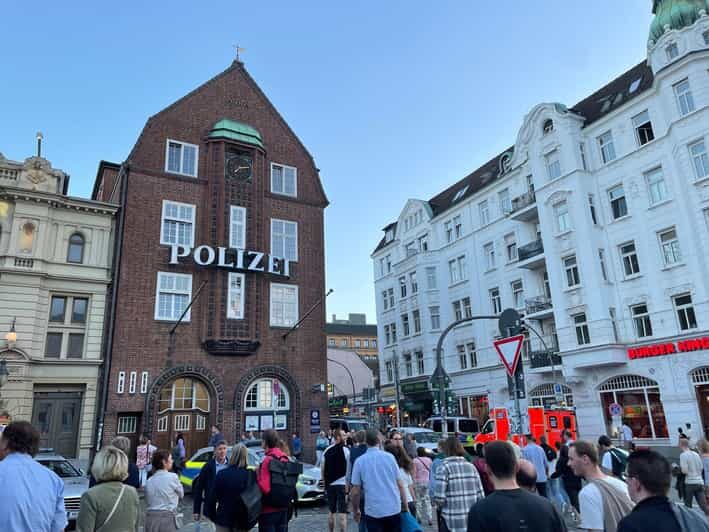
One of the earliest stops is around Davidwache police station. That isn’t a random choice. It frames St. Pauli as a place where order and disorder have always been in the same conversation. You get a practical look at how law enforcement and public life coexist in a neighborhood known for adult themes.
From there, the tour moves toward Herbertstrasse, a street linked to prostitution and crime history. The important part isn’t the headline. It’s how the guide explains the street’s role in the area’s evolution and impact on the district.
This is where you should calibrate expectations. Even in daylight, the district can feel edgy. If you’re sensitive to adult themes, you’ll still get the factual context without being escorted into anything. But you will be walking through a neighborhood whose reputation includes those realities.
One caution from past experiences: in at least one case, a guide’s commentary was reported as awkward or negative toward Austrians, which understandably killed the good mood. I can’t control that, but you can control your mindset. Go in expecting candid talk about the neighborhood’s past, and if you know you dislike personal rants in any direction, be ready to adjust your expectations.
In a good day-to-day tour dynamic, you feel informed and respected, not blamed. The goal is understanding, not performance.
Hans-Albers-Platz and Große Freiheit: nightlife energy, decoded
Next up is Hans-Albers-Platz, nicknamed the Hamburger Bermuda Triangle. That label lands for a reason: it describes how the square functions as a hub where people mix, drift, and get pulled in different directions. It’s the kind of place where you can watch how a neighborhood rhythm works without needing to enter any nightlife venue.
Then the tour heads toward Große Freiheit. This street is strongly associated with St. Pauli nightlife. The tour’s value here is that it helps you read the street as a historical and cultural marker, not just a party street.
Since this is a daytime version, you’re not required to trade curiosity for action. You’ll see the area’s energy from the outside and learn how it has stayed a major entertainment hotspot over the years. That makes the stop useful even if you’re traveling with kids, teens, or simply want a mature, observational experience.
In reviews, some parents mentioned their teenagers enjoyed the tour—one specifically noted that their 12-year-old liked it too. That’s a good sign if you’re balancing family time with a desire to see real neighborhoods, not just postcards.






The Beatles square: a fun stop that changes the vibe
A highlight listed for the tour is a visit to a square dedicated to The Beatles. Even if you’re not a hardcore fan, this stop does something important: it shifts the mood from heavy reputation to pop-culture touchpoints.
In neighborhoods like St. Pauli, which are famous for being known for certain nightlife stories, having a daylight anchor like this keeps the tour from feeling one-note. It also gives you a natural moment to pause, look around, and reset your brain before you continue walking.
Photos here can feel less like forced sightseeing and more like you’re capturing a real intersection of global music culture with local street identity. That blend is part of why this area became famous in the first place.
Price and time: what $21 buys you
This tour costs $21 per person and runs about two hours. For me, the value isn’t the low price alone—it’s what you get in that time window.
You get:
- A guided, daytime walking tour of St. Pauli
- Insider information about the district and how it developed
What you do not get:
- Drinks
- Entrance into bars or clubs
That split is important. You’re paying for context and landmark walking, not for an alcohol-based evening activity. If you want nightlife without the nightlife ticket, this format works. You get the narrative, the key stops, and the chance to decide later—on your own terms—whether you want to keep exploring.
The two-hour length is also a smart match for how travel days go. It’s long enough to feel like you covered real ground and learned something, but short enough that you won’t feel stuck if the neighborhood vibe isn’t your favorite.
Practical tips for a smoother St. Pauli day

St. Pauli is not a museum neighborhood. It’s a lived-in district. That means the smartest approach is to be prepared for ordinary street conditions—noise, crowds at hotspots, and the occasional uncomfortable topic.
Here’s how to make it work for you:
- Plan for walking and wear comfortable shoes. Two hours sounds short until you’re actually doing it on uneven streets.
- Keep your expectations daylight-based. This is not a club tour and there’s no bar entrance.
- If you’re traveling as a family, use the daytime framing. The tour information notes that the district offers many family-friendly activities during the day, and reviews support that the experience can work well for teens.
- Bring a willingness to hear frank history. Herbertstrasse and the general St. Pauli reputation come with adult themes in their background. The tour is intended to explain them as part of the district’s development.
Also note the guide language is German. If you don’t speak much German, you’ll rely more on visuals and key phrases. It still can be worthwhile if you’re comfortable reading body language and street cues.
Who should book this walking tour?
You’ll like this tour if you want to understand St. Pauli without turning your day into a nightlife mission. It fits best for people who enjoy city history told through actual streets and who like structure: you start at a clear meeting point, follow a guided route, and end with a stronger sense of place.
It can also fit families and teens. Reviews highlight that the tour worked well for teenagers, including a 12-year-old who enjoyed it. Since it’s daytime and doesn’t include club entry, it’s easier to keep it appropriate for younger ages.
You might want to skip it if:
- You strongly dislike neighborhoods with adult-history themes, even when explained and kept outside of bars.
- You’re very sensitive to commentary style. One reported experience described the guide making unnecessary negative remarks toward Austrians. Most tours should stay respectful, but if that’s a deal-breaker for you, think twice.
Should you book Hamburg: Reeperbahn & St. Pauli by Day?
If your goal is to see St. Pauli as a neighborhood with layers—port worker roots, entertainment growth, and the reality behind famous streets—then yes, I think this is a solid booking. For $21 and two hours, you’re buying a clear guided route plus insider context, not just walking around hoping you’ll piece it all together.
I’d book it if you can handle frank neighborhood history and you’re happy to explore on foot in daylight. I’d pass if you want a purely cheerful, polished city day with zero edge. St. Pauli won’t be that kind of day—but it can be an honest, memorable one when you have a good guide.
FAQ
How long is the tour?
It lasts about 2 hours.
How much does it cost?
The price is $21 per person.
Where do I meet the guide?
Meet outside St. Pauli metro station, Exit Millerntorplatz/Reeperbahn. The guide waits near the phone booth holding a white bag.
What language is the tour guide?
The live tour guide speaks German.
Is the tour wheelchair accessible?
Yes, it’s wheelchair accessible.
What’s included in the price?
You get a guided daytime walking tour of St. Pauli plus insider information about the district and how it developed.
Are drinks included?
No, drinks are not included.
Do we go into bars or clubs?
No, entrance in bars or clubs is not included.
Can I cancel, and is there a pay-later option?
You can cancel up to 24 hours in advance for a full refund, and you can reserve now & pay later.