REVIEW · HAMBURG
Hamburg St Pauli: Red Light District Walking Tour
Book on GetYourGuide →Operated by Stattreisen Hamburg e.V. · Bookable on GetYourGuide
75 minutes can change how you see St Pauli. This short walking tour puts St. Pauli in context, walking you past the big sights of the Reeperbahn while a guide explains how Hamburg’s entertainment district grew and how street prostitution developed there.
I love that it’s fast and focused: you cover Reeperbahn landmarks and the entertainment streets without wasting time. I also like the mix of familiar movie-TV corner (Davidwache) and neighborhood storytelling, so you’re not just looking at neon—you’re understanding what you’re seeing.
One drawback: the subject matter can feel uncomfortable for some people, and the tour also depends on getting to the right start spot on time (one booking issue has been reported at the meeting point).
In This Review
- Key Highlights You’ll Notice Fast
- Why St Pauli Works Better on Foot Than by Guesswork
- Starting at ZWICK and Getting Your Bearings on Reeperbahn
- Reeperbahn Storytelling: Entertainment, Power, and Party Networks
- Spielbudenplatz: The Show-Side Energy You Can’t Ignore
- Große Freiheit and the Varietés: Where the District’s Identity Gets Loud
- Hamburger Berg: Food Street Variety After the Heavier Scenes
- Davidwache Police Station: A Film and TV Landmark With Real Context
- Pace and Group Energy: Short, Straight, and Not Overlong
- Price and Value: Is $21 Worth It?
- Who This Tour Suits Best (And Who Might Want a Plan B)
- A Couple of Practical Tips Before You Go
- Should You Book the Hamburg St Pauli Red Light District Walking Tour?
- FAQ
- How long is the Hamburg St Pauli red light district walking tour?
- Where does the tour start?
- Where does the tour end?
- What’s included in the price?
- What is not included?
- Is the tour in German?
- Is there an English option?
- What can I expect to see during the walk?
- What is the guide covering in the storytelling?
- What’s the cancellation policy?
Key Highlights You’ll Notice Fast
- Reeperbahn orientation in 75 minutes, with the places most people come to see
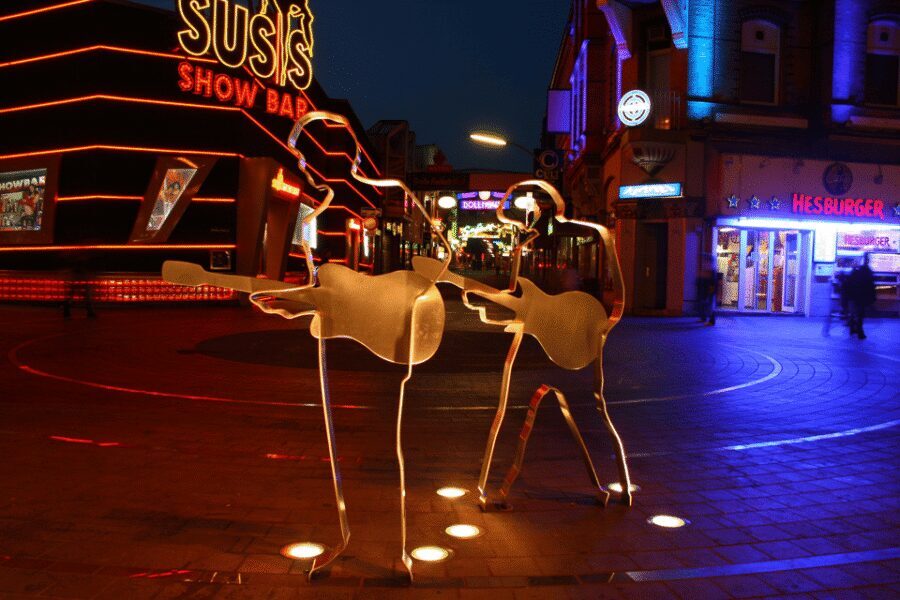
- Große Freiheit + the Varietés stops that explain why this area became the city’s show street
- Davidwache police station, a film and TV recognizable landmark
- Hamburger Berg for a quick hit of local food street variety after the heavier scenes
- History with context, including why St. Pauli became an entertainment district and how the street economy evolved
- Insider-style guidance, including examples of guides like Sonja adding practical local tips
Why St Pauli Works Better on Foot Than by Guesswork
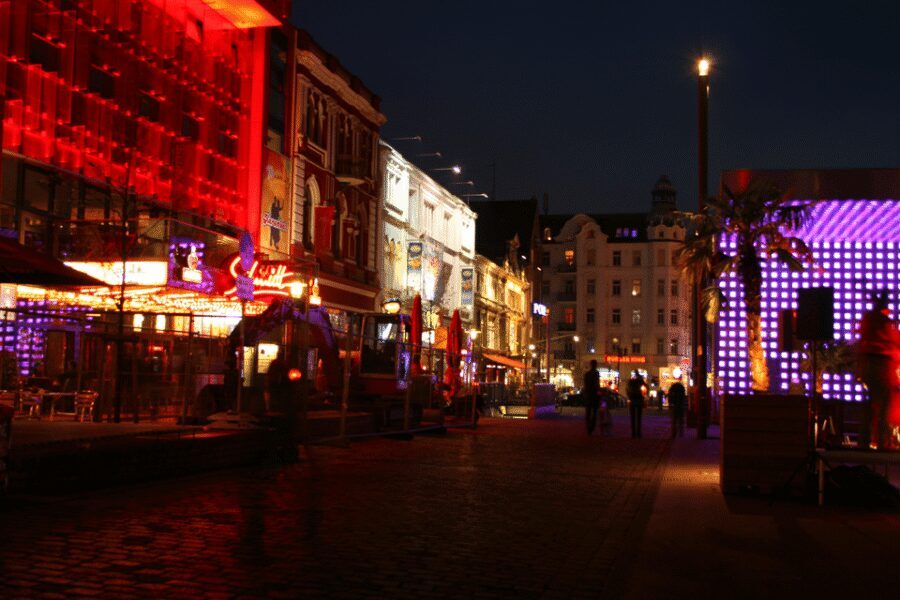
The first thing you’ll feel here is how compact it is. St. Pauli’s famous streets can look chaotic from the outside, but on a walking tour you get a map in your head fast—where the main corridors run and which spots matter.
This tour is also built for interpretation, not just sightseeing. A qualified guide talks through when and why the Reeperbahn turned into Hamburg’s party and entertainment zone, and how the street prostitution system grew alongside theaters, clubs, and the broader nightlife economy. That context matters, because without it the area can feel like a cartoon of itself.
You’re not asked to “learn everything.” You’re given the key facts, the main neighborhood highlights, and the story threads that connect them. And because the walk is only about 1.5 hours, it stays manageable—even if the atmosphere gets intense.
You can also read our reviews of more walking tours in Hamburg



Starting at ZWICK and Getting Your Bearings on Reeperbahn
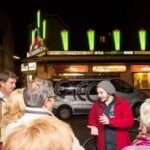
You’ll meet at Millerntorplatz 1, right in front of the ZWICK at the entrance to the Reeperbahn, near the U-Bahn St. Pauli station. That location is smart. It drops you onto the Reeperbahn corridor where the action is, instead of making you wander to find the “real” start.
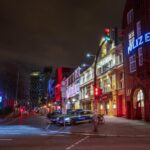
From there, the tour begins on the Reeperbahn itself. Expect guided walking while your guide points out the major entertainment streetscape: theaters and club culture, plus the red light district elements that made these streets world-famous. You’ll also hear the history in a way that’s meant to fit this setting—so the story doesn’t feel like a lecture detached from what you’re seeing.
One practical note: set yourself up to arrive a little early. One unfortunate booking issue has been reported where a group waited at the meeting point and nobody came. I can’t predict whether that will happen to you, but giving yourself buffer time reduces the stress.
Reeperbahn Storytelling: Entertainment, Power, and Party Networks
This tour’s main value is how it explains relationships between nightlife and the street economy. You’ll hear how St. Pauli became an entertainment district and how the Reeperbahn developed into a place where different types of nightlife grew next to each other.
That includes the guide’s explanation of who parties with who—an idea that sounds vague, but in this neighborhood context it means understanding how crowds move between venues, streets, and late-night scenes. It’s less about gossip and more about how the area functions socially and economically after dark.
And yes, you’ll also get the reality of how street prostitution developed here. The tour takes you past strip and sex shows, which can be visually direct. The point of the guided format is that you’re not just confronting it cold—you’re hearing the historical and cultural reasons the area looks the way it does today. For many people, that’s the difference between feeling unsettled and feeling informed.
Spielbudenplatz: The Show-Side Energy You Can’t Ignore
One of the most useful parts of the route is how it links the “harder” parts of St. Pauli with the ordinary nightlife streets around them. After moving through the Reeperbahn area, you’ll come back toward Spielbudenplatz, a key square tied to the neighborhood’s theater and entertainment identity.
Here you’re walking among the kind of venues that made the area famous in the first place—places where performances and nightlife are the main draw. Even if you’re not planning to go into any shows, being on foot helps you read what’s happening: where people gather, how the streets funnel foot traffic, and how entertainment signage and venues shape the mood.
This stop is also a reminder that St. Pauli isn’t only one thing. The red light reputation is real, but the area’s entertainment role is equally central. Seeing both sides helps you understand why the Reeperbahn became a magnet for visitors and for the kinds of nightlife workers whose livelihoods are tied to crowd flow.
Große Freiheit and the Varietés: Where the District’s Identity Gets Loud
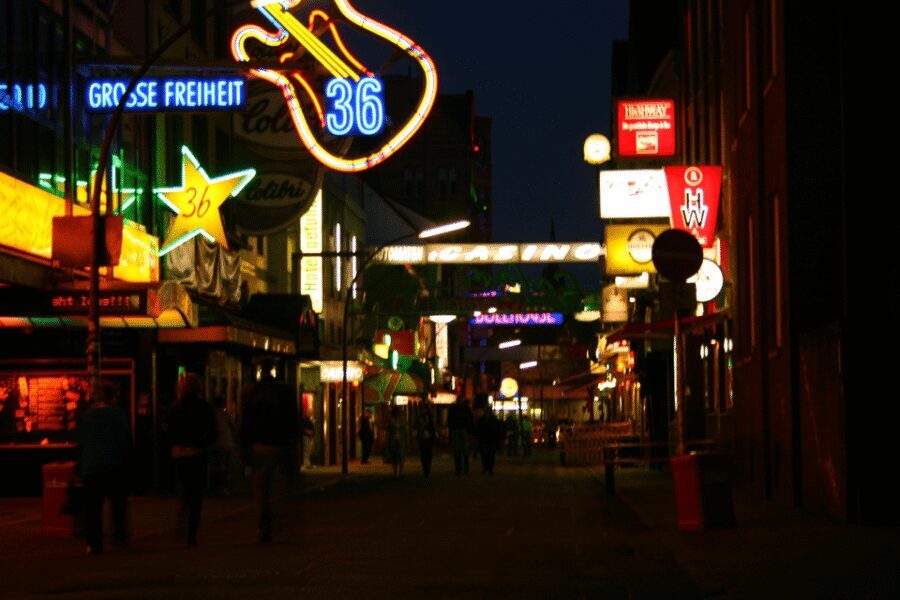
Then you’ll head along Große Freiheit, one of the neighborhood’s defining streets. The tour specifically calls out Große Freiheit and the Varietés, and that’s for a reason: this stretch is part of what shaped the Reeperbahn’s identity as a show destination.
As you walk, expect the guide to connect street-level sights to the larger pattern—how the entertainment district grew and why people came here for so many types of nightlife experiences. You’ll also hear how the bar scene competes with the curb side of the street economy. It sounds like a dramatic comparison, but it’s an accurate way to describe what the walking view makes obvious: two different kinds of attention and interaction, side by side.
This section is also a good time to decide how you want to experience St. Pauli. If you prefer quieter observation, keep a steady pace, stick with the group, and let the guide set the pace. If you’re comfortable with the atmosphere, you’ll likely appreciate how quickly you can “read” the street after the guide explains what drives it.




Hamburger Berg: Food Street Variety After the Heavier Scenes
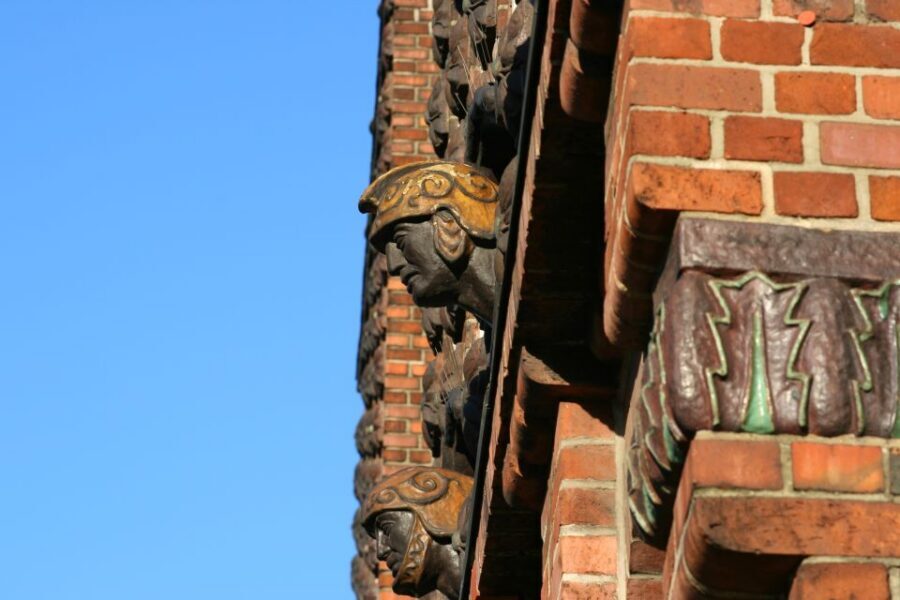
Next up is Hamburger Berg, a short street known for the variety of restaurants to suit different tastes. That contrast is actually a smart part of the tour design. You get the district’s more intense areas, then you step into a place where the vibe can feel more normal—less about the stark street scenes and more about everyday dining.
The guide’s framing helps here too. By the time you reach Hamburger Berg, you’ve already learned the big picture: why the Reeperbahn is what it is. So when you see a mix of restaurants, you can interpret it as part of a living neighborhood, not just a backdrop.
If you’re building a night plan, Hamburger Berg is a useful mental bookmark. You now know you don’t have to end your evening only where the “main reputation” lives. You can pivot into food and conversation afterward.
Davidwache Police Station: A Film and TV Landmark With Real Context
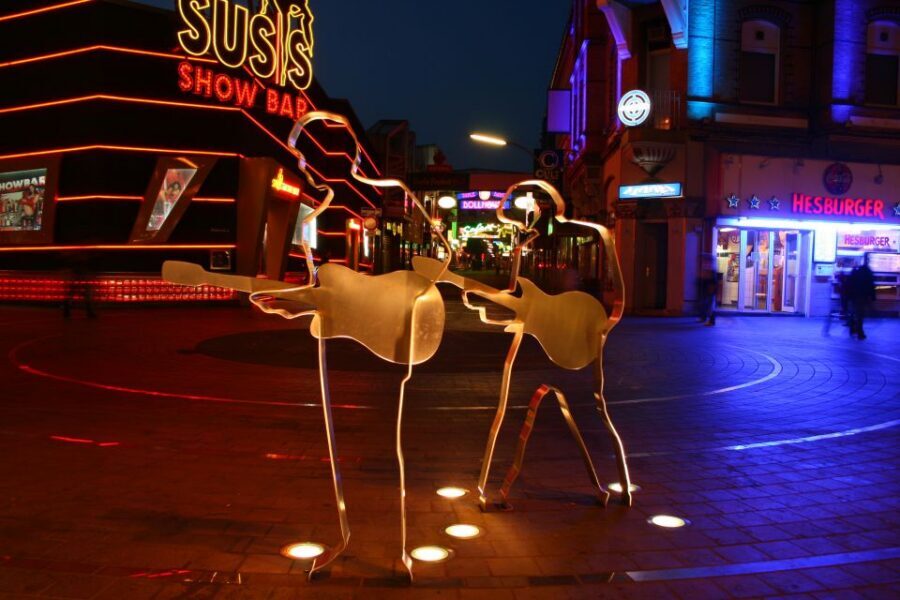
One of the most memorable visual anchors on this kind of walk is the Davidwache police station. The tour highlights it because it’s widely recognized from film and TV, which makes it easier to remember even if you can’t place your exact scenes later.
But the best part here is the way a landmark like this becomes a story device. A police station at the center of a notorious entertainment corridor tells you something about history and public order. When your guide points out why this building is so visible in popular media and how it fits into the district’s reputation, you get a clearer sense of how Hamburg has handled the area over time.
It’s also a moment to slow down. If the earlier streets feel intense, Davidwache helps you re-center. It gives your brain something concrete and recognizable—then the guide can connect it back to the broader Reeperbahn story.
Pace and Group Energy: Short, Straight, and Not Overlong
The duration is about 1.5 hours, which is a sweet spot for this neighborhood. Long tours can turn into sensory overload. This one stays on the core routes, hitting the major highlights without turning into a marathon.
You’ll keep moving through the district, with guided stops where the guide adds the key points. That approach helps you learn without getting stuck in one place while the street changes around you.
Language note: the live guide is German, and the tour is also available for groups in English. If you’re traveling with friends who need English, it’s worth checking availability for that language option ahead of time.
Price and Value: Is $21 Worth It?
$21 per person is the kind of pricing that makes sense for a short walking tour. You’re not paying for transportation. You’re paying for a guide to connect what you see with the history and local understanding behind it.
For me, value here means one thing: you leave with a working understanding of the neighborhood. If you only walked the streets on your own, you could admire the sights, but you’d miss the meaning—when and why the entertainment district developed, how prostitution became part of the street ecosystem, and how the parties-and-venues relationship shaped crowd movement.
Also, guides can add practical tips. In past sessions, guides such as Sonja have been praised for making the tour interesting and adding insider suggestions for where to go or how to handle your evening in Hamburg. You may not need those tips to enjoy the walk, but they can make your next steps easier.
Who This Tour Suits Best (And Who Might Want a Plan B)
This is a good fit if you want an honest, guided introduction to one of Hamburg’s most famous districts. You’ll likely enjoy it most if you’re curious about how places develop over time and how nightlife economies form around entertainment venues.
It also works well as a first “orientation” stop. If this is your first time in St. Pauli, you’ll get a quick map of the street layout and the big landmarks—Große Freiheit, Spielbudenplatz, and Davidwache—so you can explore later with more confidence.
If you’re sensitive to sexual content on the street or you prefer totally sanitized sightseeing, this may be a rough match. The tour goes past strip and sex shows, and the guide covers street prostitution development. You should know that going in and choose the pace and level of attention you’re comfortable with.
A Couple of Practical Tips Before You Go
This is a night-friendly neighborhood in general, but you’ll still want to treat it like any walking tour: wear shoes you can stand in, and keep your phone battery up if you plan to check more sights afterward.
Also, plan your expectations. This isn’t a themed pub crawl. It’s a short walk with factual storytelling about the district’s history and street economy. You’ll get the main highlights and neighborhood highlights, but you won’t get a long museum-style lesson.
Finally, if you want the best experience with the least stress, arrive at the meeting point early and stay with your group. In a place like this, a small timing slip can feel bigger than it really is.
Should You Book the Hamburg St Pauli Red Light District Walking Tour?
I’d book it if you want a short, guided orientation to St. Pauli that doesn’t treat the district like a mystery box. For $21 and about 1.5 hours, you get the core highlights—Reeperbahn, Große Freiheit, Hamburger Berg, Davidwache, and Spielbudenplatz—plus the explanations that make the area easier to interpret.
I’d think twice if you know you’re not comfortable with the visuals and topic. This is a real neighborhood with real signs of nightlife sex work. Even with a guide adding context, it’s still a direct walk through that world.
And one more thing: if the meeting point timing matters to you, show up early. Some people have reported a missed pickup at the start, and you don’t want your night plan to hinge on hope.
If you do choose to go, treat it like a guided street history lesson. You’ll come away with a clearer sense of why St. Pauli looks the way it does—and you’ll be able to navigate the district afterward with your head, not just your camera.
FAQ
How long is the Hamburg St Pauli red light district walking tour?
It lasts about 1.5 hours.
Where does the tour start?
The meeting point is at Millerntorplatz 1, in front of the ZWICK, at the entrance to the Reeperbahn near the U-Bahn station St. Pauli.
Where does the tour end?
It finishes at Hans-Albers-Platz, 20359 Hamburg, Germany.
What’s included in the price?
A tour guide is included.
What is not included?
Transfers and snacks/additional drinks are not included.
Is the tour in German?
Yes, the live tour guide language is German.
Is there an English option?
The tour is also available for groups in English.
What can I expect to see during the walk?
You’ll walk along the Reeperbahn and nearby streets, see the Große Freiheit and the Varietés, pass by the Davidwache police station, and go past strip and sex show areas.
What is the guide covering in the storytelling?
The guide covers facts and neighborhood highlights, including why St. Pauli became an entertainment district and how street prostitution developed here.
What’s the cancellation policy?
Free cancellation is available up to 24 hours in advance for a full refund.