REVIEW · BERLIN
Half-Day Bike Tour of Berlin’s Lesser Known And Historical Sites
Book on Viator →Operated by Berlin Bike Tour · Bookable on Viator
Berlin has a way of surprising you. This half-day bike tour trades the postcard sights for East Berlin life and the stories behind it. You’ll pedal through neighborhoods, parks, and former sites tied to the Cold War, with stops that are brief enough to keep you moving but pointed enough to make the history stick.
Two things I especially like: the small group size (max 8) and the way the route goes off the usual tourist path. I also like that admission at each listed stop is free, so your money goes to the guide and the bike, not extra tickets. One thing to consider is that you’re cycling and the schedule is tight—this is not a slow sightseeing crawl, so bring the right expectations for pace.
In This Review
- Key Points You’ll Care About Before You Pedal
- Berlin’s East Side, Minus the Usual Tourist Script
- Price and Value: Why $36.88 Works Here
- The Small-Group Bike Setup (and Why It Matters)
- Stop-by-Stop: Prenzlauer Berg and the Feel of Everyday East Berlin
- Stasimuseum Memorial: The Former Stasi Prison in a Nutshell
- Ernst-Thälmann-Park and the GDR-Era Housing Landscape
- The Wall Moment: Platz des 9. November 1989
- Along the Ride: Slaughterhouse, Brewery, and Sports Sites
- Lakeside Berlin: Orankesee, Obersee, and Weissensee
- Biking Logistics: What It Feels Like on the Day
- How the Guides Shape the Experience
- Who Should Book This Tour (and Who Might Skip It)
- Should You Book This Half-Day Berlin Bike Tour?
- FAQ
- How long is the bike tour?
- Where does the tour start and end?
- What is the group size?
- What’s included in the price?
- Is food or drinks included?
- Are there tickets or admission fees?
- What’s the dress code?
- Can children join the tour?
- Is this tour near public transportation?
Key Points You’ll Care About Before You Pedal
- Max 8 people keeps the ride personal and questions easy.
- Bornholmer Str. 75A is your start and end, with a near public transport meeting point.
- Former Stasi Prison is quick but focused, with real context on secret police and informers.
- The route blends Cold War sites with lakes and park time (Orankesee, Obersee, Weissensee).
- You get a bike and local guide, while food and drinks are on you.
- Admission at the listed stops is free, which helps the value feel clear.
Berlin’s East Side, Minus the Usual Tourist Script
If you only see Berlin’s big attractions, you miss how the city felt day to day. This ride is built around the places that explain how East Berlin worked: the housing blocks people lived in, the institutions that controlled life, and the edge-of-the-wall moments that changed things.
The tour is short enough to fit into a busy trip, but it covers several distinct settings. One stretch is gritty and political; another is calmer, with lakes and park space. That mix is part of the point: Berlin isn’t only monuments. It’s neighborhoods.
You’ll spend about 3.5 to 4 hours cycling with a guide, starting at 10:00 am. You should plan on smart-casual clothes and comfortable footwear, because you’ll be on the bike long enough that comfort matters.
You can also read our reviews of more cycling tours in Berlin

Price and Value: Why $36.88 Works Here
At $36.88 per person, this isn’t a bargain tour that feels generic. You’re paying for three things that add up: a local guide, use of a bike, and a route that’s specifically built for the quieter side of Berlin.
It also helps that the included stops list free admission for each stop on the route. That means you’re not paying extra at every point just to keep going. If you’re the type who hates stacking ticket fees, this is the kind of price structure that feels fair.
What’s not included is equally straightforward: food and drinks, plus no hotel pickup/drop-off. That’s typical for bike tours, but it does affect your planning. Build in time to grab water and a snack near the meeting area if you need it.
The Small-Group Bike Setup (and Why It Matters)
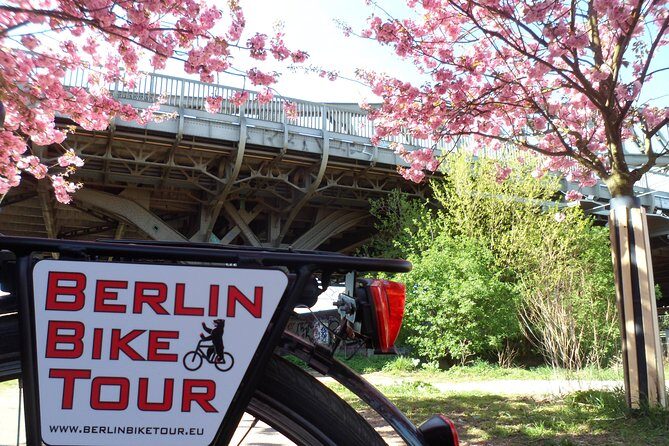
A maximum of 8 riders is a sweet spot. You don’t feel lost in a crowd, and you’re more likely to hear the guide’s explanation without straining.
The tour also runs with a proper structure: a driver/guide plus a local guide, and a plan that moves between Cold War history and calmer scenic stretches. The end result is less frantic than some “see everything” tours, but still active.
The schedule is also designed for attention. Stops are short—often minutes rather than long museum visits—so you get meaning fast. For deeper questions, your best chance is between stops while you’re still together as a group.
Stop-by-Stop: Prenzlauer Berg and the Feel of Everyday East Berlin
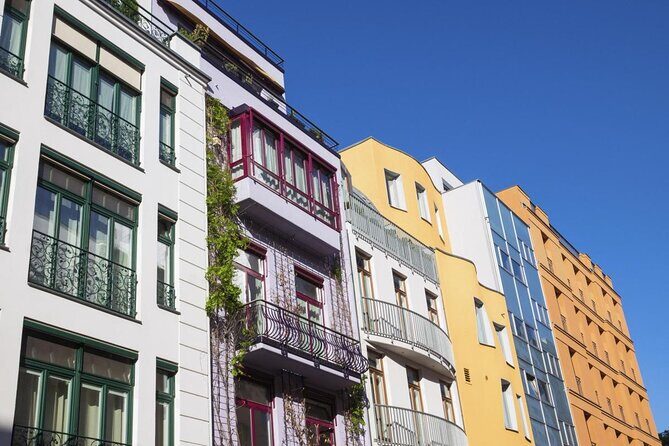
Prenzlauer Berg is where you start to understand the texture of East Berlin. Instead of just pointing at symbols, you’re shown the kind of communist-era apartment blocks that shaped daily routines for many residents.
The time here is generous for a bike tour: about 1 hour. That’s enough to get past first impressions and hear how the district functioned in Cold War life. You also get the benefit of riding through real neighborhoods rather than only seeing them from the sidewalk.
This is one of the highlights if you like “how people actually lived” history. You’ll come away with more than dates. You’ll have a better mental picture of what housing, community space, and daily constraints looked like.
One note: Prenzlauer Berg can feel polished and lively today, so the best moment is when your guide connects what you see now to what it represented back then.
Stasimuseum Memorial: The Former Stasi Prison in a Nutshell
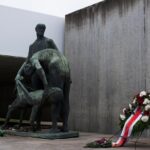
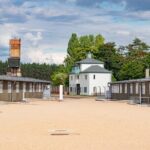
Next you get a quick stop at the Stasimuseum memorial, tied to the former Stasi prison. The visit window is only about 5 minutes, so you should treat it as a briefing, not a long stop for reading everything.
Still, this is a powerful place because it’s directly connected to the network of the East German secret police and informers. Even in a short stop, the guide’s job is to explain how surveillance and control worked—not as a distant concept, but as a system that affected ordinary life.
If you’re the kind of traveler who likes to understand mechanisms, this stop delivers. It gives you a framework you can carry into the rest of Berlin’s Cold War sites.
A practical consideration: with short time windows, have your questions ready. If you wait until the end, the group may already be rolling out.
You can also read our reviews of more historical tours in Berlin


Ernst-Thälmann-Park and the GDR-Era Housing Landscape
After the prison memorial, the tour moves to Ernst-Thaelmann-Park. This area connects to the broader GDR-era feel, including park and housing surroundings and a spot associated with a planetarium.
The stop is about 10 minutes. That’s enough time for orientation and a bit of story, especially if your guide connects the space to life in that era. Parks in East Berlin were often part of how communities functioned, so the setting isn’t random.
I like this kind of stop because it prevents the ride from turning into only grim history. You get contrast, and contrast helps you remember details.
The Wall Moment: Platz des 9. November 1989
Then you reach Platz des 9. November 1989, a former border station / Berlin Wall point. You’ll spend about 15 minutes here, which is longer than most of the other quick stops, and that’s smart.
This is where the tour connects the personal and political: how the Cold War system ended up breaking through in a specific place and time. The guide’s explanations usually make this more than a line on a map.
If you’ve seen other Wall-related spots, this one works because it’s positioned as a lived border zone rather than only a monument photo stop. You get a better sense of why crossing points mattered.
Along the Ride: Slaughterhouse, Brewery, and Sports Sites
The route isn’t only about Stasi and apartments. As you pedal, you may also pass by sites tied to former slaughterhouses and breweries. That matters because it broadens the story from politics to the economy and daily industry that powered the city.
You can also expect to see the kind of athletic training facilities associated with many famous Olympic athletes. This is a Berlin detail that surprises people: while the world focuses on borders and control, East Germany also pushed sports hard as a public identity.
Because the exact locations aren’t spelled out stop-by-stop, treat these as “watch for them” moments. Ask your guide what you’re looking at if something catches your eye while you’re riding.
Lakeside Berlin: Orankesee, Obersee, and Weissensee
After the more intense history stops, the ride shifts into calmer scenery. You pass Orankesee and Obersee, both inner-city lakes with short stop times (about 5 minutes each). These quick pauses help you reset your brain without losing the rhythm of the tour.
Then comes Weissensee, with about 45 minutes. This is the longest stretch on the route after Prenzlauer Berg, and it’s a major reason the tour feels balanced. Weissensee gives you a break from constant historical interpretation and lets the city feel like a place people actually spend time.
Finally, there’s a stop at Strandbad Weissensee for about 10 minutes. Think of it as a finish that keeps the tour from ending abruptly right after the last big story moment.
I like this ending because it lets the tour breathe. It’s easier to process what you learned when you’re not immediately forced into the next stop.
Biking Logistics: What It Feels Like on the Day
The ride is designed so most people can participate, and the group stays small. Still, this is a cycling tour, so expect steady movement rather than long walks.
You’ll start and end back at Bornholmer Str. 75A, 10439 Berlin. The fact that the meeting point is near public transportation is helpful, because it makes it easier to combine this with other plans before or after.
You should also factor in that there’s no hotel pickup/drop-off. Plan to reach the meeting point on your own, and consider arriving a few minutes early to get your bearings.
Dress code is smart casual. For a bike day, that usually means breathable layers and comfortable shoes, even if your outfit looks a bit nicer than your typical sightseeing wear.
How the Guides Shape the Experience
The tour stands or falls on the guide, and here the vibe is consistently described as fun, informative, and accommodating. Guides such as Katrin and Markus are named in the information you’ll see for this tour, and the common thread is strong pacing and clear explanations.
What you want from a guide on a short history bike tour is translation: taking complicated Cold War themes and making them understandable in real-world locations. This tour’s stop timing suggests a guide who can do that without rambling.
If you’re the type who likes questions, the small group size makes it easier to ask. If you prefer a lighter tone, the format usually keeps things friendly while still covering serious topics.
Who Should Book This Tour (and Who Might Skip It)
This tour is a good fit if you want history with motion. You’ll learn about Cold War life, East Berlin neighborhoods, and the Stasi system, then you’ll cool down with parks and lakes.
It’s also a smart pick if you’ve already seen the main Berlin sights and you want the side of the city that doesn’t appear in every photo feed. The off-the-beaten-path feel is the core value here.
You might skip it if you hate cycling for even a few hours or if you need long, quiet museum time. The stop windows are brief, so the tour rewards people who enjoy quick context and short, purposeful visits.
Kids can join, but they must be accompanied by an adult. If you’re traveling with teenagers, this format can work well because they’re not stuck in a long indoor session.
Should You Book This Half-Day Berlin Bike Tour?
Yes, I’d book it if your goal is to understand Cold War Berlin in a way that feels practical and human. The combination of Prenzlauer Berg apartment life, a focused Stasi prison memorial, and a relaxed finish at Weissensee makes the day feel balanced instead of one-note.
The price also feels reasonable for what you get: guided cycling for about 4 hours, with a bike and free admission at the listed stops. Just go in knowing it’s active, and plan your snack and water like an adult.
If you’re curious about how East Berlin functioned beyond slogans, this is the kind of tour that helps you leave with a clearer mental picture of the city.
FAQ
How long is the bike tour?
It runs for about 4 hours (listed as approximately 3.5 hours in the description), starting at 10:00 am.
Where does the tour start and end?
The meeting point is Bornholmer Str. 75A, 10439 Berlin, Germany, and the tour ends back at the same place.
What is the group size?
This tour is limited to a maximum of 8 people per booking.
What’s included in the price?
The included items are the driver/guide, local guide, and use of a bicycle.
Is food or drinks included?
No. Food and drinks are not included, so you’ll want to plan your own breaks.
Are there tickets or admission fees?
The listed stops show free admission tickets, so there are no admission fees for those stops on the itinerary.
What’s the dress code?
The dress code is smart casual.
Can children join the tour?
Yes, but children must be accompanied by an adult.
Is this tour near public transportation?
Yes, the meeting point is near public transportation.