REVIEW · VOLKLINGEN
Völklingen Ironworks World Heritage Site: Guided tour of the ironworks site
Book on GetYourGuide →Operated by Weltkulturerbe Völklinger Hütte · Bookable on GetYourGuide
If you like machines with real backstories, this is for you. The Völklingen Ironworks is a UNESCO World Heritage Site where the industrial era is still standing, and a guide helps you read the place like a working diagram. You’ll see the route from the blower hall to the blast furnace, plus you get day access to the exhibitions.
Two things I really appreciate: the guided explanations that turn old ironmaking equipment into something you can actually understand, and the freedom right after the tour to roam at your own pace. One thing to keep in mind is that the guided portion is fairly quick, so if you want lots of time for stopping to photograph or read on your own, you’ll likely need to save some of that for after the tour.
In This Review
- Key highlights to look for
- Why Völklingen Ironworks feels different from a standard museum
- Meeting at the entrance: a smooth start to a 2-hour guided loop
- From blower hall to blast furnace: learning pig iron without the textbook
- Coking plant, the pipe maze, and how work shaped daily life
- After the tour: permanent and special exhibitions you can pace yourself
- Ferrodrom® Science Center and the Paradise garden on reclaimed industrial grounds
- Price and value: what $25 buys you in real terms
- Tips for getting the most from your 2-hour guided walk
- Who should book, and who should reconsider
- Should you book this guided tour of Völklingen Ironworks?
- FAQ
- Where do I meet for the guided tour?
- How long is the guided tour?
- What’s included with the ticket?
- Are permanent and special exhibitions included?
- What language is the live tour guide in?
- Is there free or reduced admission for certain visitors?
- Is the site wheelchair accessible, and is it safe for people afraid of heights?
Key highlights to look for
- UNESCO World Heritage Site you can walk through: the ironworks is fully preserved from the industrial boom years.
- A guided path through major halls: you follow the process from blower hall to blast furnace.
- Pig iron explained with the actual machinery: you learn how the production worked, not just the theory.
- Explore on your own after the tour: you keep access to permanent and special exhibitions the rest of the day.
- Ferrodrom® Science Center included: a ticketed add-on you can use once you’re done with the guide.
- Paradise garden on the former coking plant site: nature has moved into the industrial bones.
Why Völklingen Ironworks feels different from a standard museum
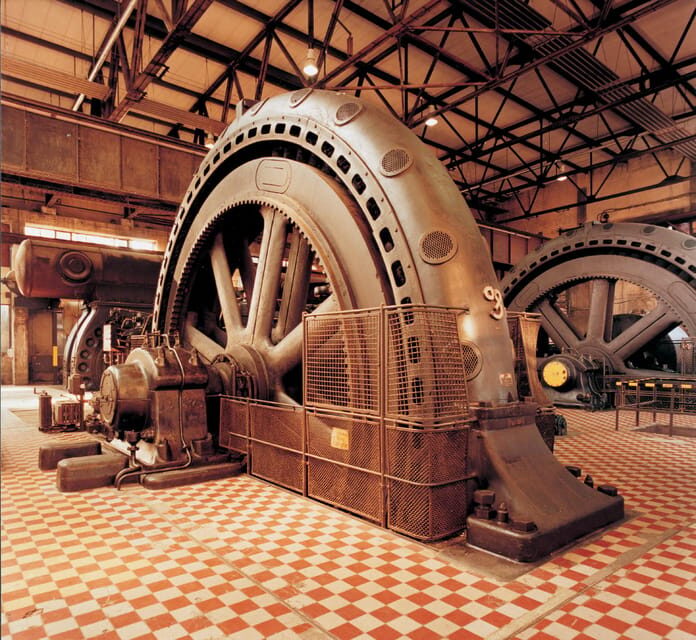
Most industrial museums try to recreate the past with models and signs. Völklingen Ironworks does something rarer: it lets you walk through a working-era environment, with halls, open spaces, and a maze of old pipe systems still in place. That physical layout matters. It’s the easiest way to understand how large-scale iron production truly lived and breathed.
I also like that the place isn’t only about machines. You’re guided through the equipment, but you also hear what life and work were like in the Saarland. The story is connected to the industrial heart of the region, which makes it easier to understand why people built and depended on these systems.
Finally, it’s worth knowing that this site is recognized as the only fully preserved ironworks from the heyday of industrialization, and it was the first monument from that era to be added to the UNESCO World Heritage List. That level of preservation is exactly why a guided tour is valuable here: the guide helps you notice what most people would otherwise rush past.
You can also read our reviews of more tours and experiences in Volklingen.
Meeting at the entrance: a smooth start to a 2-hour guided loop
Your tour starts in the entrance area at the ticket office. After you check in, you’ll follow your live guide through the main parts of the ironworks. The duration is 2 hours, and that time includes the guided route plus the explanations along the way.
Because the guide is German, it helps if you’re comfortable enough to understand German commentary or you’re okay using your own reading time afterward. The tour is designed as a live, guided walk with real context, not a quick “see everything” sprint.
One practical note: if you’re the type who likes to stop for long looks, reading, and photos, plan to do that after the guided segment. The tour is structured to give you a solid first understanding fast, then you get day admission to keep exploring the site.
From blower hall to blast furnace: learning pig iron without the textbook
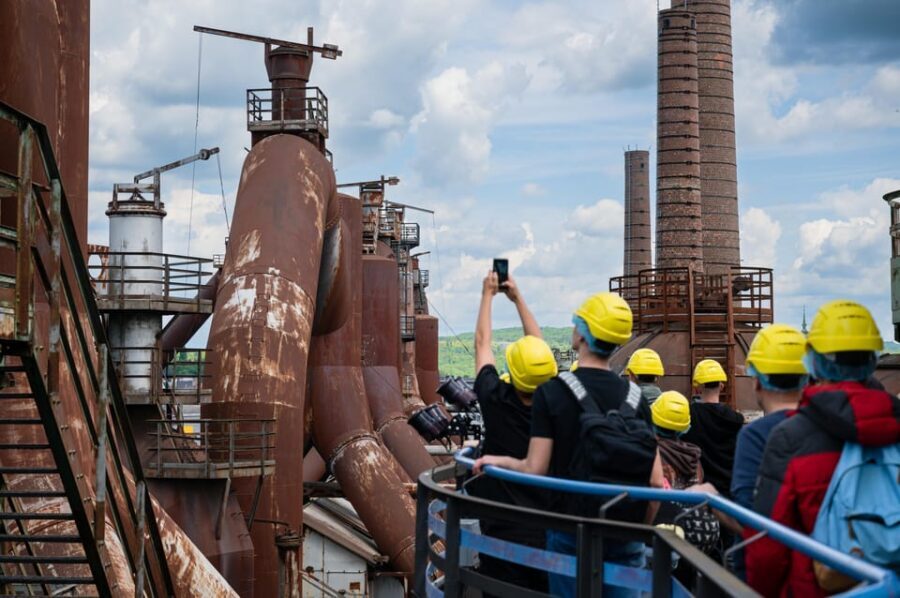
The heart of the guided experience is the walk through the major technical spaces. You’ll go from the blower hall to the blast furnace, with your guide explaining what the machines were for and how the process worked. This is where a guided tour earns its price. You’re standing next to equipment, and the guide connects each step to what it produced.
Pig iron is the key idea. Your guide explains how production worked using the old technology you can still see. That matters because modern steelmaking can feel abstract unless you understand the older system’s logic: the equipment size, the flow of materials, and the practical needs of operation.
While you’re on the route, keep an eye on the pipe system maze. Even if you don’t catch every technical detail, the layout helps you understand the idea of production as a network, not a single machine. When you return later to explore on your own, you’ll spot the relationships faster.
Coking plant, the pipe maze, and how work shaped daily life
Völklingen Ironworks isn’t only about the furnace area. The site includes an older coking plant area too, and your guided walk and your later independent time both help connect the dots between iron production and the people around it. The Saarland’s industrial identity is part of the story, and the guide ties the machinery to the region.
You may also notice how the spaces are arranged. The ironworks has numerous halls and open areas, which can feel like you’re moving through a giant industrial layout rather than a museum building. The pipe systems can look chaotic at first, but once someone points out how everything links, they stop feeling random.
This is also the part where the tour can be especially satisfying if you like the human side of industrial history. The guide explains how people who used to live and work here fared, so the site isn’t just a collection of relics. It’s a place with social context, not only engineering.
After the tour: permanent and special exhibitions you can pace yourself
Once your guided loop ends, you’re free to explore the entire site. You also keep access to all permanent and special exhibitions, which is a big deal for value. The guide gives you the “map in your head,” and then you can slow down where you want.
This is how I’d use the day: treat the guided tour as your fast orientation, then return to exhibition areas with better questions. For example, you can spend more time where you saw machines during the walk, and less time where you already feel confident.
On-site highlights include views from a viewing platform above the rooftops of Völklingen. That kind of high perspective is useful here because it helps you understand how the buildings and industrial structures relate to each other across the site.
If you’re thinking about reading at length, this is where you’ll likely be happier. The guided time is structured and focused, but your own time later is where you can linger.
Ferrodrom® Science Center and the Paradise garden on reclaimed industrial grounds
Two included add-ons turn the visit from a pure industrial tour into a fuller day out.
First is the Ferrodrom® Science Center, with access included in your ticket. Even without guessing what you’ll find inside, having a science center on site is a practical advantage. It gives you an activity that can break up the heavy industrial feel with something interactive and designed for learning.
Second is the Paradise garden. This is one of the most intriguing contrasts at Völklingen: it’s the former coking plant area reborn as a garden. The idea is simple but powerful. Where people once worked through intense, harsh industrial conditions, reclaimed parts of the site now support a range of flora and fauna.
I like this contrast because it changes your emotions as you walk the grounds. You go from ironmaking infrastructure to a place where nature has taken over portions of the industrial fabric. It also helps you understand the UNESCO point of view: preservation isn’t only about freezing the past. It’s about keeping the site meaningful, while letting life continue around it.
Price and value: what $25 buys you in real terms
The price is listed as $25 per person, and the value comes from the combination of guided interpretation plus full day admission. You’re paying not just for the 2-hour walk, but also for access to permanent and special exhibitions for the rest of the day, plus entry to the Ferrodrom® Science Center and the Paradise garden.
If you were visiting on your own without the guide, you’d still see a spectacular preserved site. But you’d likely miss a lot of the production story and the context around how work affected daily life. Here, the guide acts like a translator, helping you interpret what you’re looking at while you’re standing in front of it.
Also, the time structure is good for decision-making. The guided part is short enough that you’re not trapped in a long lecture, and then you can personalize the rest of the day. That balance is exactly what makes the ticket feel fair.
Tips for getting the most from your 2-hour guided walk
A guided tour can only do so much in two hours. Here’s how to set yourself up for a better visit.
1) Plan for photos and reading after the tour. One review note I’d take seriously: the guided segment can feel quick, with limited chances to stop for photos or reading during the route. Use the guide time to understand the site, then switch to slow exploring once you’re on your own.
2) Use the tour to learn the process first. The blower hall to blast furnace route is your “how it worked” backbone. If you remember only one thing, make it the flow of pig iron production as explained by the guide.
3) Don’t skip the high view. The viewing platform above the rooftops can make the site click visually. If the rest of the day feels crowded with machinery, that perspective gives you structure.
4) Give yourself time for the garden. The Paradise garden is included, and it’s not just a pleasant stroll. It’s a contrast that helps you understand how the site has been reclaimed and repurposed after industry.
Who should book, and who should reconsider
This tour is a strong fit if you like industrial heritage, machinery, and practical explanations. It’s also a good choice if you want a day activity in Saarland that has both “serious history” and spaces that feel different through nature and science.
It’s wheelchair accessible, which is great for people who need that support.
However, it’s not suitable for people afraid of heights. Since there’s a viewing platform above the rooftops, the site includes height-related elements that could be uncomfortable for some visitors.
Should you book this guided tour of Völklingen Ironworks?
If you care about understanding the place, I’d book it. The guided walk through the blower hall to the blast furnace route is the fastest way to turn a preserved industrial site into a clear story. And because you get day admission to permanent and special exhibitions, Ferrodrom® Science Center access, and the Paradise garden, you’re not stuck finishing everything in just two hours.
If you mostly want a quiet self-guided wander with lots of stop-and-stare time during the guided portion, you might feel rushed on the 2-hour walk. In that case, you can still make it work by using the guide for orientation and doing your slow, detailed time right after.
FAQ
Where do I meet for the guided tour?
The meeting point is in the entrance area at the ticket office.
How long is the guided tour?
The guided tour lasts 2 hours.
What’s included with the ticket?
You get a guided tour of the World Cultural Heritage Site at the Völklingen Ironworks, day admission, access to all permanent and special exhibitions, access to the Ferrodrom® Science Center, and access to the Paradise garden.
Are permanent and special exhibitions included?
Yes. Your ticket includes access to all permanent and special exhibitions.
What language is the live tour guide in?
The live tour guide is in German.
Is there free or reduced admission for certain visitors?
Yes. Under 18s get free admission. Under 27s with a valid student ID get free admission. A SaarlandCard provides reduced admission. Disabled visitors with a valid card (from GdB 60%) also get reduced admission. Free or reduced tickets are issued at the entrance ticket office.
Is the site wheelchair accessible, and is it safe for people afraid of heights?
The experience is wheelchair accessible. It is not suitable for people afraid of heights.