REVIEW · BERLIN
From Berlin: Sachsenhausen Concentration Camp Memorial Tour
Book on Viator →Operated by Original Berlin Tours · Bookable on Viator
Dark history, guided and on foot. This Sachsenhausen Memorial tour turns a tough topic into a clear, structured walk through the place where political prisoners were held in the Third Reich. You start right in central Berlin at Alexanderplatz, then spend the day with a professional guide explaining how the camp system worked and what happened there.
I really like how this tour shows you the site’s key features, not just a slide show. Seeing things like the prisoner cells and the guard towers in person helps your brain connect facts to real space. I also appreciate the way guides such as Roshana, Anna, Siobhán, Sebastian, Miguel, and Sharon are described as able to keep the group moving while answering questions and telling stories in a balanced way.
One drawback to plan for: this is a long, walking-heavy day, with no food included and public transit costs on top of the tour price. Add in the memorial’s required donation (bring exact change), and you’ll want to be ready before you arrive.
In This Review
- Key Things I Found Most Useful
- Entering Sachsenhausen With a Guide (Why It Matters)
- Price and Logistics: What You Pay Versus What You Still Need
- Meeting at Generator Berlin Alexanderplatz and Starting Smoothly
- The Sachsenhausen Plan: What the 6 Hours Actually Feel Like
- Stop: Gedenkstätte und Museum Sachsenhausen (How the Guide Shapes the Story)
- Seeing Prisoner Cells and Guard Towers Without Getting Lost
- Hard Topics, Real Emotion, and the Guide’s Tone
- Walking Pace, Breaks, and Weather Reality
- Who Should Book This Tour (And Who Might Want a Different Option)
- Quick Decision Guide: Should You Book Sachsenhausen With Original Berlin Tours?
- FAQ
- Is the Sachsenhausen tour offered in English?
- How long is the tour?
- Where do I meet the guide?
- Do I need a transit ticket to get to the camp?
- Is there an extra fee at the memorial?
- Can children join the tour?
Key Things I Found Most Useful
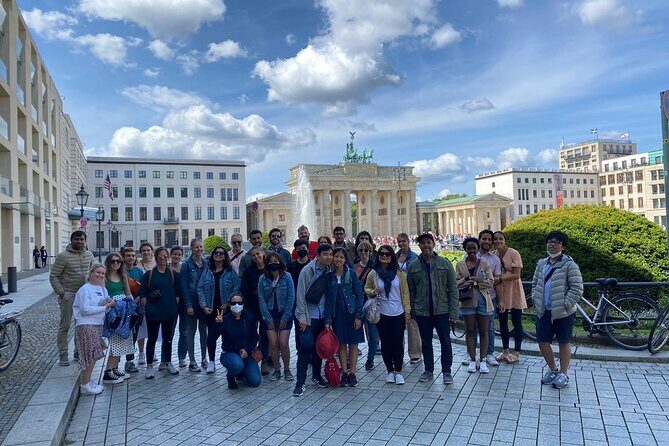
- Pickup at Alexanderplatz (Generator Berlin) makes the start easy and central.
- Professional guide-led walking tour helps you understand what you’re looking at, not just where you’re standing.
- You’ll focus on political prisoners and camp administration within the larger Nazi concentration camp system.
- Key site stops include prisoner cells and guard towers.
- Small group size (max 20) keeps time for questions and helps everyone stay together.
- Bring exact change for the €3 memorial donation collected before entering.
Entering Sachsenhausen With a Guide (Why It Matters)
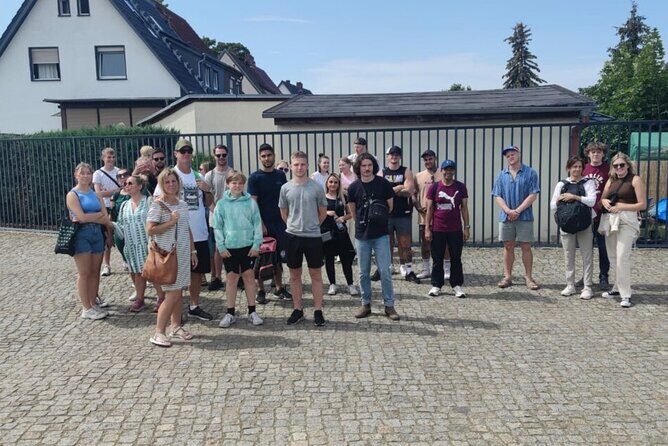
Sachsenhausen isn’t a place where you can read every plaque and automatically understand the whole system. With this tour, your guide gives you the order of events and the meaning behind the layout as you walk. That’s the big win for most people: you spend less time guessing and more time learning what the camp was doing and how it fit into the broader Nazi system.
The tour focuses on life in the Third Reich through what happened at Sachsenhausen, especially its use for political prisoners. It also frames the camp as an administrative center for the larger Nazi concentration camp system, which helps you connect the local details to the bigger machine of repression. The tone is serious, but guides are often praised for keeping the experience engaging enough that you stay with the story instead of tuning out.
I also like that the tour is designed around seeing the site itself, not only museum rooms. When you stand near structures like prisoner cells and look up at guard towers, the history stops being abstract. It becomes physical, and you naturally start asking better questions—questions your guide can actually answer.
You can also read our reviews of more tours and experiences in Berlin.


Price and Logistics: What You Pay Versus What You Still Need
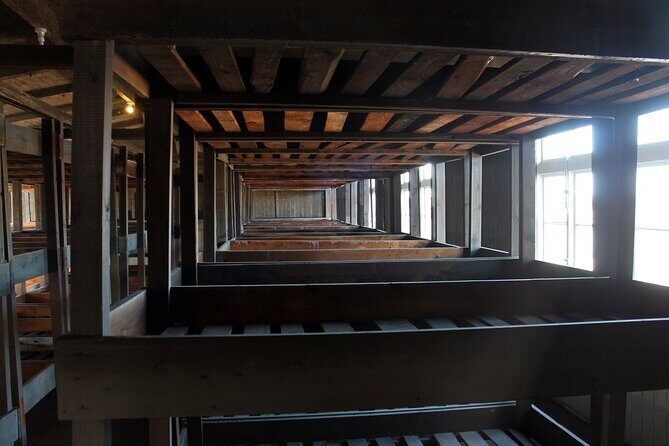
The headline price is $29.81 per person, and the tour is about 6 hours. You also get a professional guide and a mobile ticket, which is straightforward on the day.
But don’t assume that’s the full cost of your outing. Two practical items can add up:
- The memorial requires a €3 per person donation for maintenance. The guide collects it before entering, and you should have exact change ready.
- You’ll need an ABC transit ticket for public transport. It’s not included, and you’ll want to buy it before you move through Berlin’s transit system.
Food and drinks are not included either. That matters because the day is heavy and walking-focused. If you count on stopping for an easy lunch, you may be disappointed. One person specifically noted there wasn’t time to rest and eat lunch, and that the only option was outside, cold and windy. Even if your experience is smoother, plan for the possibility that you’ll be eating on the go.
There’s also a timing reality: you start at 10:00 am, and the tour ends back at the starting point. If you’re hoping to tack on another attraction the same day, you’ll likely need buffer time.
Meeting at Generator Berlin Alexanderplatz and Starting Smoothly
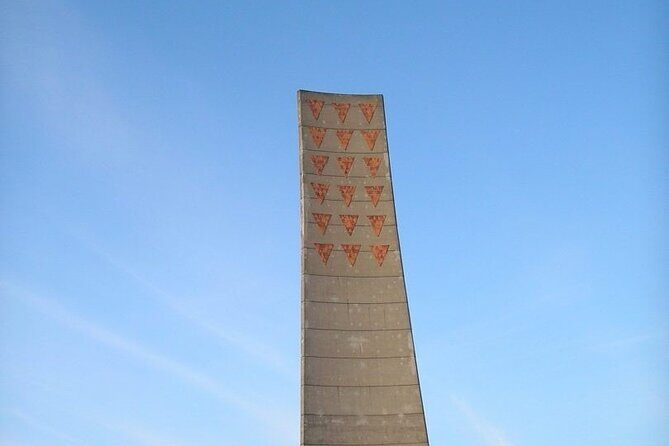
Your meeting point is Generator Berlin Alexanderplatz, located at Otto-Braun-Straße 65, 10178 Berlin. The tour includes a pickup from central Berlin, and it returns you to the same meeting spot at the end.
This is a sensible setup for one big reason: you don’t have to figure out the first leg of the journey while half-thinking about how to get to a remote memorial. You just show up, confirm you’re in the right group, and roll.
Still, I’d treat this like any small-group tour. Arrive early. The tour is capped at 20 travelers, which is great for questions, but it also means the group needs to stay coordinated.
A couple of bad experiences were also reported, including cases where a guide didn’t show up and people couldn’t easily reach the organizer. It’s not something I can ignore as a traveler. Your best move is simple: show up a little early, and if you see a problem starting, take action right away rather than waiting around.
The Sachsenhausen Plan: What the 6 Hours Actually Feel Like
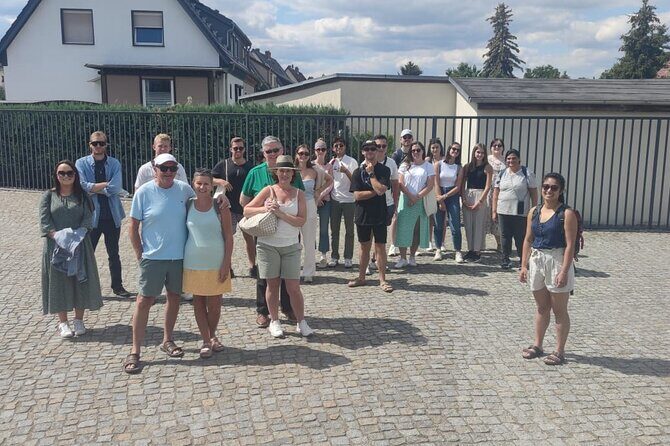
The tour runs for roughly 6 hours and centers on a single main visit: the Gedenkstätte und Museum Sachsenhausen. That’s good because it keeps the experience focused. You’re not hopping between distant stops.
What you can expect during that time:
- A walking tour through key parts of the former camp
- Museum-and-memorial context to explain the brutal history and how Sachsenhausen operated
- Stories tied to prisoners held there, with your guide answering questions as you go
- Time spent looking at the most important physical features, including prisoner cells and guard towers
Because it’s a former concentration camp, this isn’t light sightseeing. Expect emotions, silence in the group at times, and a need to absorb difficult information at walking pace.
Also, the walk to the camp can add time and effort. One review noted a walk of about 20 minutes from the train station to the camp area. Another person suggested you may really need bus support. The practical takeaway: wear good shoes, and if walking is a challenge, think about how you’ll handle transitions and uneven ground. The tour doesn’t promise short stops or frequent breaks.
Stop: Gedenkstätte und Museum Sachsenhausen (How the Guide Shapes the Story)
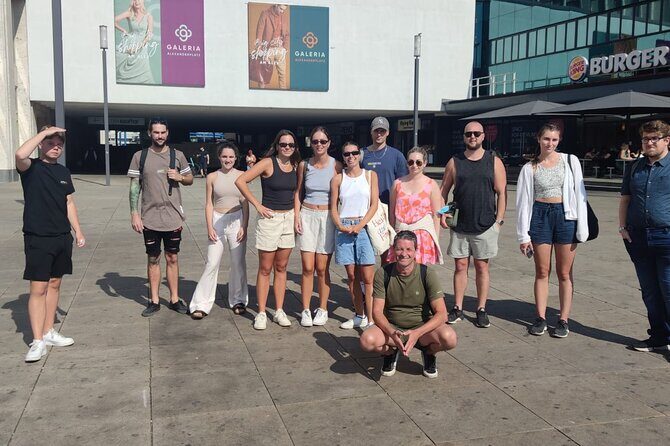
At the memorial, the guide-led experience is the heart of the day. The tour is designed to help you understand Sachsenhausen as a former Nazi concentration camp, primarily used for political prisoners. That specific focus matters, because it pushes the conversation beyond general World War II facts into how the camp system functioned for particular groups of people.
Your guide also explains Sachsenhausen’s role as an administrative center for the larger Nazi concentration camp system. This is the part that can make the site feel less like a collection of random buildings and more like a system designed to control and process prisoners.
You’ll hear about prisoners and what life could be like there. Multiple guides were praised for being able to pack in a lot of information while still keeping the group on track. Some guides were also praised for humor in the right moments—never turning the subject into a joke, but still keeping your attention.
That balance is important. If the guide is only reading placards, you lose context. If the guide is only telling dramatic stories, you miss the structure. The best versions of this tour do both.
If you’re someone who likes asking follow-up questions, this is a good match. In several accounts, guides were described as patient and willing to answer questions, and as careful about keeping the tour moving without steamrolling people.



Seeing Prisoner Cells and Guard Towers Without Getting Lost
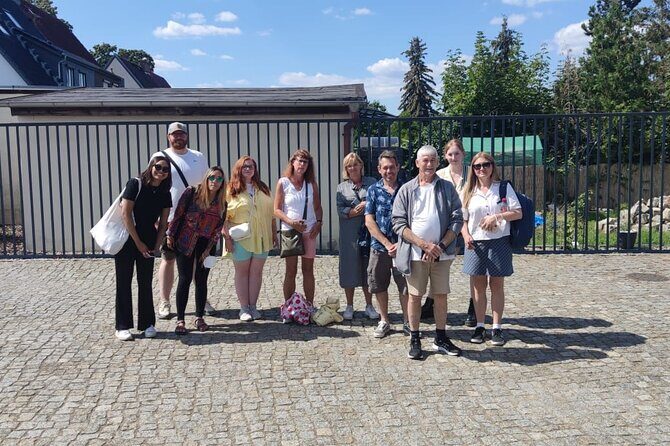
It’s easy to visit camp sites independently and feel like you understand only surface-level facts. This tour reduces that problem by giving you a route and an explanation along the way.
When you see the prisoner cells, you’re not just seeing a room. The guide helps you interpret what it meant for confinement and daily life. When you look at guard towers, you’re not just admiring old architecture. You start to understand visibility, control, and how a place like this enforced power through space.
This is where a good guide earns their pay. The physical layout can be confusing at first—straight lines, barriers, buildings that seem similar. The guide’s job is to make those objects meaningful so you leave with understanding, not just photographs.
One practical tip: slow down near the major site features. Let the guide finish the explanation. It’s tempting to rush for the next stop, especially in a timed tour, but the best learning happens when you give the location a moment to land.
Hard Topics, Real Emotion, and the Guide’s Tone
Sachsenhausen isn’t a casual visit. It’s a heavy day, and it affects people differently depending on what you already know and what kind of learning style you have.
What stood out in the guidance style is the “serious but clear” approach. Several guides were described as:
- extremely knowledgeable in their subject matter
- able to answer questions in detail
- balancing the horror of the history with facts about how the system worked
- making the experience engaging enough to keep teenagers and adults listening
One person specifically noted that a guide linked the camp experience to the climate of today, which struck a chord. Another connected the importance of bearing witness to what’s happening now, including concerns about fascism rising in different places. I think that’s one reason people come away feeling the day was necessary, not just educational.
Still, not every guide experience lands the same way. One review said a guide’s accent made it harder to follow and that the guide repeated themselves. That’s a real consideration for English speakers: if you’re sensitive to accents or fast pacing, you might want to mentally prepare for that possibility and focus on getting the big ideas rather than catching every word.
Walking Pace, Breaks, and Weather Reality
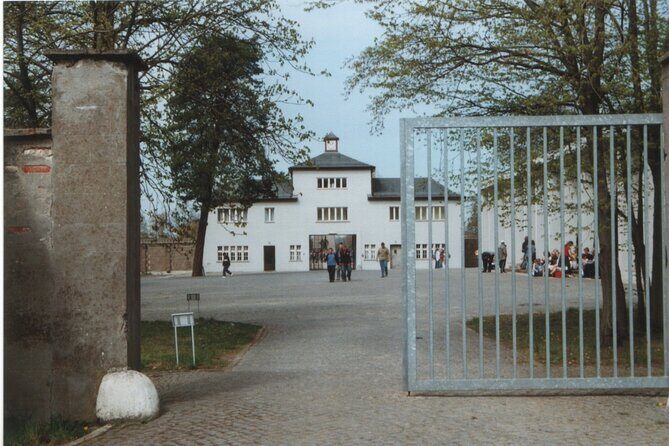
This tour is designed around walking, and the memorial is outdoors. Even if you’re in good shape, plan for a day that can feel physically long.
A review pointed out that there wasn’t much time to rest and eat lunch, and that the available eating spot was outside—cold and windy. Even if your group finds a slightly better rhythm, that warning is worth listening to.
My advice:
- Wear comfortable shoes with good grip.
- Bring a warm layer even in mild weather, since conditions can change quickly around outdoor memorial areas.
- Eat before you start if you can. If you can’t, treat food as “planned friction,” not a sure thing during the tour window.
And yes, rain happens. One account mentioned the guide did a great job even in the rain. If you’re the type who gets cold fast, pack accordingly.
Who Should Book This Tour (And Who Might Want a Different Option)
This is a great fit if you:
- want a guided walking experience rather than a self-guided museum day
- care about understanding how a specific concentration camp operated and how it fit into the larger system
- like asking questions and getting answers from a guide who explains the site and context
It can also work well for teenagers. A father and son who visited together said the tour was a day they’d remember and that it helped their teen understand aspects they wouldn’t have gotten on their own.
One important requirement: children must be accompanied by an adult. And while the tour says most travelers can participate, it’s still a walking-based experience, so consider your mobility needs seriously.
If you’re someone who hates uncomfortable learning environments or cannot handle long periods of walking with heavy subject matter, this may be emotionally intense. But if you can handle it, the guide-led structure is exactly what helps you absorb it responsibly.
Quick Decision Guide: Should You Book Sachsenhausen With Original Berlin Tours?
I’d book this tour if you want structure, context, and key-site interpretation—and you don’t want to spend your energy guessing what you’re looking at. The focus on political prisoners, the explanation of Sachsenhausen as an administrative center, and the chance to see the prisoner cells and guard towers make it more than a quick stop.
Skip or adjust if:
- you can’t manage a walking-heavy day
- you need guaranteed meal stops
- you’re worried about communication if accents affect your listening
If you do book, prepare like a pro: bring exact change for the €3 donation, buy your ABC transit ticket ahead of time, and show up at Generator Berlin Alexanderplatz with a little extra time. That way, you’ll spend your attention where it belongs: on understanding the place and what the guide is helping you see.
FAQ
Is the Sachsenhausen tour offered in English?
Yes. This experience is offered in English, and the tour is run with a professional guide.
How long is the tour?
The tour lasts about 6 hours.
Where do I meet the guide?
You meet at Generator Berlin Alexanderplatz, Otto-Braun-Straße 65, 10178 Berlin. The tour also ends back at the same meeting point.
Do I need a transit ticket to get to the camp?
Yes. An ABC Transit Ticket is not included, so you’ll need your own ticket for public transport.
Is there an extra fee at the memorial?
There is a required €3 per person donation for the Memorial and Museum Sachsenhausen, collected by the guide before entering.
Can children join the tour?
Children are allowed, but they must be accompanied by an adult.