REVIEW · MUNICH
Exploring Munich in a Rikscha
Book on GetYourGuide →Operated by Pablo Catalan · Bookable on GetYourGuide
Munich from a rickshaw feels like getting a shortcut. In about an hour, you glide past major sights with a live guide, then slow down in the English Garden for a calmer pace and better photos.
I like how the route is built around two “Munich moods” you can actually feel: the tight historic core near Marienplatz, then the open, green relief of the English Garden. I also appreciate the way the guide ties what you’re seeing to big-picture moments, including Munich’s foundation, the Second World War, and the city’s life since then.
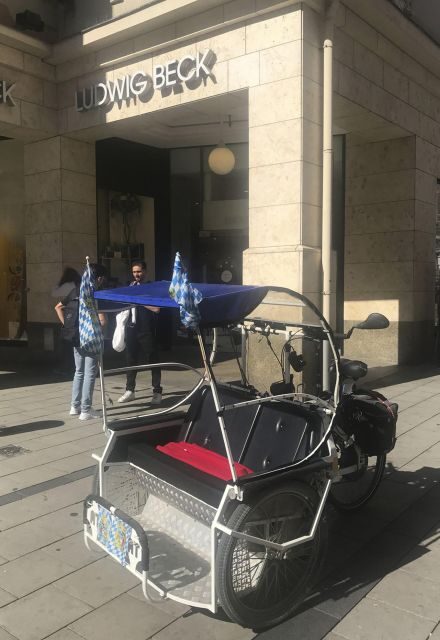
One thing to consider: a rickshaw is practical, not plush. If it’s rainy, you’ll want to be ready for a less-than-perfect cover, and you should know it’s not designed for wheelchair users.
In This Review
- Key Things I’d Watch for
- Why a Rickshaw Works So Well for Munich’s Old Town
- Meeting at Burgstraße 2 Near Garibaldi Wine Shop
- Marienplatz Charm: The Center Where Munich Gets Its Identity
- Max-Joseph-Platz: The Plaza That Feels Like a Chapter Heading
- Munich Residenz Area: Power and History Without the Museum Ticket
- Odeonsplatz: Where the City’s Story Turns More Dramatic
- The English Garden Segment: A Breather With a Real View
- What the Guide Adds: History as a Moving Narrative
- Eco-Friendly Rides, Modern Comfort, and the Reality of the Vehicle
- Price and Value: Is $116 Worth It for a Private Group?
- Who This Tour Suits Best (And Who Should Skip It)
- Should You Book This Munich Rickshaw Tour?
- FAQ
- Where does the rickshaw tour start?
- How long is the experience?
- How much does the tour cost?
- How many people can ride in each rickshaw?
- Is the tour private?
- What languages are available?
- Is it wheelchair accessible?
- Is cancellation free?
Key Things I’d Watch for
- Short, efficient stops that still make the landmarks meaningful
- English Garden time so the tour isn’t only crowds and stone
- Guide stories across eras from early Munich to post-WWII
- Small group limits (max two adults and one child per rickshaw)
- A simple, bike-style ride rather than a car-like vehicle
Why a Rickshaw Works So Well for Munich’s Old Town
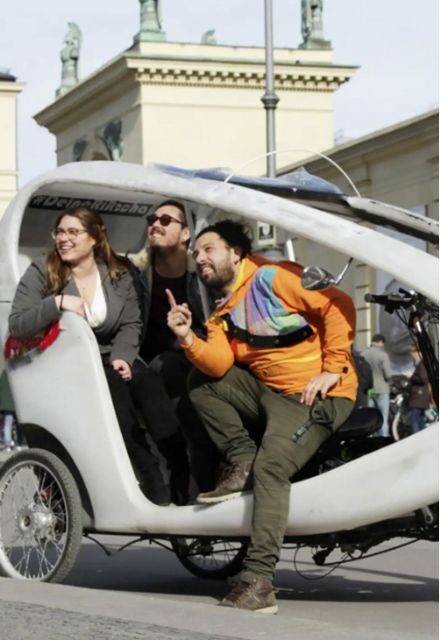
Munich can feel easy to plan, until you try to fit it all in. That’s where a rickshaw helps. You get a guide steering you toward the places that define the city, without spending your best energy navigating turns, crossings, and parking.
I love that this is eco-friendly transportation, but the real win is time and attention. When you’re riding close to the street level, you notice details you often miss from a bus window. You also hear the story while you’re still near the scene. That makes the history stick better.
The tour is also intentionally compact: you won’t be doing a long, “see everything” marathon. Instead, you get enough focus to leave with a sense of Munich’s shape and personality.
You can also read our reviews of more tours and experiences in Munich.


Meeting at Burgstraße 2 Near Garibaldi Wine Shop
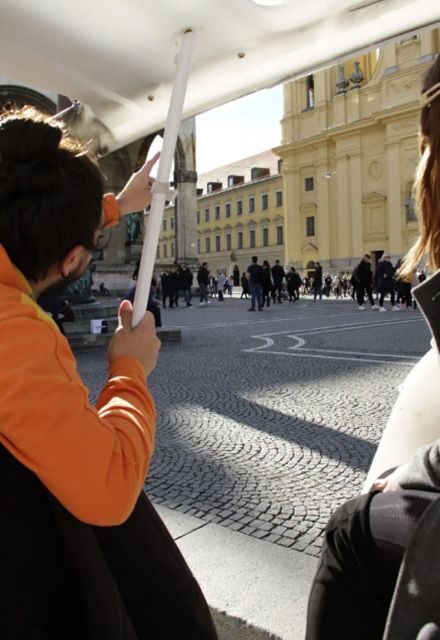
You start at Burgstraße 2, in front of the Garibaldi wine shop. It’s just a few steps from Marienplatz, which is convenient because that’s where the tour energy begins.
This matters more than it sounds. Starting close to the center means less pre-tour time in transit and fewer last-minute logistics headaches. You can show up, get settled, and start learning right away.
You’ll also want to factor in that each rickshaw fits a maximum of two adults and one child. If you’re traveling as a small family or a couple, that limit helps keep the experience personal rather than crowded.
Marienplatz Charm: The Center Where Munich Gets Its Identity
Marienplatz is the name you’ll keep hearing in Munich, and it’s easy to see why. This is the city’s main stage. On the tour, you spend about 10 minutes here with a guided stop focused on what makes the place “Munich” in the first place.
In practical terms, this is where you get your bearings. Your guide can point out what to watch for—architecture, street geometry, and the civic feel of the square—so later sights don’t look random. You’re not just passing through; you’re learning how the center works.
Drawback to keep in mind: 10 minutes sounds short because it is short. That’s the tradeoff. The tour is designed to be efficient, so if you’re the type who wants long photo breaks or extended reading time, you’ll need to do follow-up wandering afterward on your own.
Max-Joseph-Platz: The Plaza That Feels Like a Chapter Heading
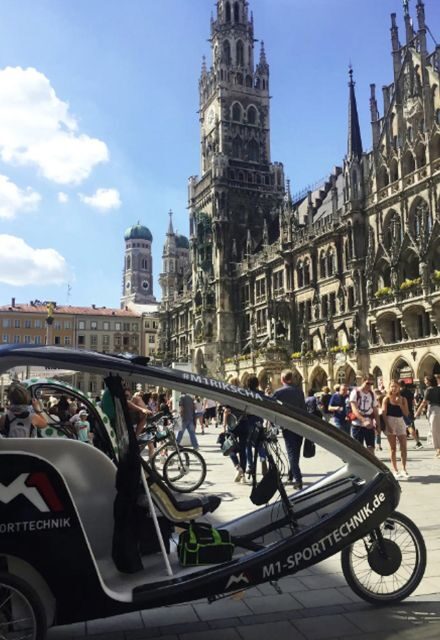
Next up is Max-Joseph-Platz, another quick 10-minute guided moment. This stop helps you connect the dots between Munich’s civic core and the more formal, elegant side of the city.
What I like here is that it supports the bigger story arc. Once you’ve understood Marienplatz as the heart, you can see how the city shifts tone as you move through the center. Even if you don’t do deep museum time, a guided stop keeps you from missing what’s right in front of you.
Tip for your planning: if you’re traveling with kids, a short stop like this is often a good rhythm. It’s long enough to learn something, short enough to avoid meltdown.
Munich Residenz Area: Power and History Without the Museum Ticket
You’ll pass by the area near the Munich Residenz for about 10 minutes of guided touring. You’re not being asked to pay for a long indoor visit here—this is a “see and understand” stop.
That’s valuable if your schedule is tight or you prefer streets-and-squares over ticket lines. It also works well because the guide can frame what the Residenz represents in Munich’s story—authority, court culture, and the layers of change that come later.
One consideration: because time is limited, you’ll be getting context rather than detailed interior specifics. If you want to explore rooms and collections, you’d treat this tour as the orientation layer, then add a separate museum visit later.



Odeonsplatz: Where the City’s Story Turns More Dramatic
Then you head to Odeonsplatz for another 10-minute stop. This is one of those places where Munich history feels more intense even if you’re just standing on a sidewalk.
I like that the guide ties together eras, including Munich’s foundation and the impact of the Second World War, then connects that to what you see now. That’s how a tour becomes more than sightseeing. You start reading the city as a timeline.
Small practical note: because this is a central urban stop, there can be foot traffic. With a rickshaw, you’re moving steadily, but you’ll still want to keep an eye on your spacing while your guide talks.
The English Garden Segment: A Breather With a Real View

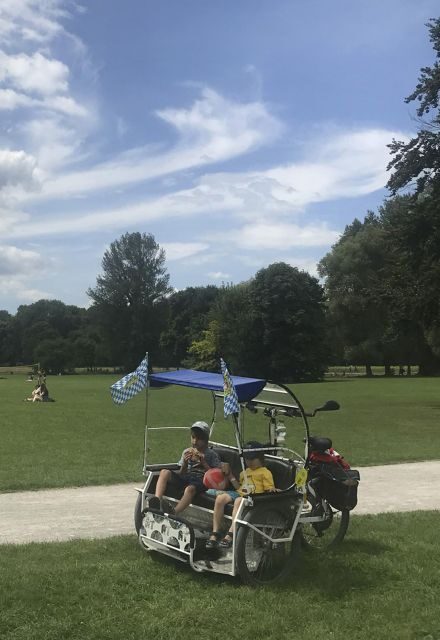
The tour’s most relaxing portion is the English Garden, where you spend about 20 minutes with guided storytelling. This is a big deal. Many short city tours spend all their time in the historic core and then rush you back. Here, you actually get a pocket of calm.
What you’ll likely enjoy most is the shift in atmosphere. The English Garden gives you a sense of Munich beyond monuments. You can see how the city balances its formal identity with open space and everyday life.
From a photography standpoint, this is also smarter. Light and compositions often feel better once you’re out of dense squares and into park paths and water views.
A consideration based on real-world conditions: rickshaw coverage isn’t the same as a car. If it’s rainy, you should bring a waterproof layer or poncho so the experience stays comfortable. The ride is great, but weather can be a factor.
What the Guide Adds: History as a Moving Narrative
You’re not just riding. You’re hearing a guided explanation that covers Munich’s foundation, major moments around the Second World War, and how the city looks and functions today.
I really value that mix because it prevents the common tourist problem: only seeing monuments as pretty shells. When a guide connects past and present, your brain starts linking architecture and street space to human decisions, rebuilding, and change over time.
You also get a guide who brings real local experience. The provider highlights over 10 years of guiding in Munich, so this isn’t a script-only performance. You’ll be getting practical context and local-style recommendations for what to do next.
Another plus: you can request the tour in Spanish or German, or in English. That matters because you’re hearing the story in a language you’re comfortable with, so details land.
Eco-Friendly Rides, Modern Comfort, and the Reality of the Vehicle
This is an eco-friendly rickshaw tour, and you’ll feel the difference in how quiet the ride is compared to larger transport. That makes it easier to hear your guide and take in street-level sights.
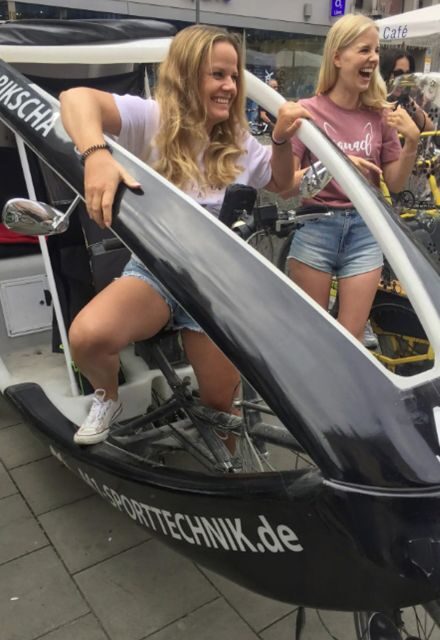
One expectation to calibrate: some rickshaws can be simpler than photos make them look. Think bike-style with a seat setup in the front rather than a padded, car-like experience. It’s still comfortable enough for the length of the tour, but it’s not “luxury transport.”
Safety is part of the experience too. The guide-led ride is designed for comfortable city touring, and you’ll notice that the route moves at a pace that fits conversation and photo stops.
Price and Value: Is $116 Worth It for a Private Group?
The price is $116 per group, designed for up to 2 adults (with the tour note that each rickshaw can include up to 2 adults and 1 child). That pricing structure can be a great deal if you value privacy and a guide you can ask questions to.
Here’s how I think about it. If you’re traveling solo, you may feel the cost is higher than a standard public tour. But if you’re a couple, you’re essentially paying for a custom, small-group experience centered on the sights most visitors want—Marienplatz, key central plazas, and the English Garden—with history woven in.
Also, you’re not spending time figuring out the route yourself. You’re getting a local framing for what you’re seeing, plus recommendations to extend your trip beyond this one hour.
The best “value fit” is when you can afford convenience and want your Munich introduction to be efficient and meaningful.
Who This Tour Suits Best (And Who Should Skip It)
This is ideal if you want:
- A guided orientation through Munich’s center
- A small-group experience that’s easy to manage
- A history story that runs from early Munich to WWII and today
- Time in the English Garden without planning it
It may not be for you if:
- You want a long, lingering deep-dive in one place (this is intentionally short and moving)
- You’re a wheelchair user, since it’s noted as not suitable for wheelchair access
- You’re sensitive to weather and want full rain protection (coverage can be limited)
Families can do well with the size limit (max two adults and one child per rickshaw). It keeps the ride intimate and easier for your guide to manage.
Should You Book This Munich Rickshaw Tour?
If you want a smart, guided taste of Munich—center highlights plus the English Garden—this is a solid choice. The structure is efficient: you get quick context at the iconic squares, then a more relaxed park stop that changes the pace in a good way.
I’d especially recommend it if you like history but don’t want to spend your whole day in museums. The guide story across eras can turn familiar landmarks into something you actually understand.
I’d think twice only if you’re expecting a long ride or car-like comfort, or if accessibility is a concern. For everyone else, it’s a friendly way to see the city without getting lost in the logistics.
FAQ
Where does the rickshaw tour start?
The meeting point is at Burgstraße 2, in front of the Garibaldi wine shop, a few steps from Marienplatz.
How long is the experience?
The duration is listed as 1 hour.
How much does the tour cost?
The price is $116 per group.
How many people can ride in each rickshaw?
Each rickshaw allows a maximum of two adults and one child.
Is the tour private?
Yes, it’s a private group experience.
What languages are available?
The live guide offers Spanish, German, and English.
Is it wheelchair accessible?
No, it’s noted as not suitable for wheelchair users.
Is cancellation free?
Cancellation is free up to 24 hours in advance for a full refund.