REVIEW · BERLIN
Explore Berlin Tour: History and Highlights
Book on GetYourGuide →Operated by Birchy's Berlin Tours · Bookable on GetYourGuide
Berlin in three hours, explained on foot. This three-hour walk stitches together key eras from Prussia through the World Wars, the Berlin Wall, and re-unification, using the city’s landmarks as your roadmap. You’ll move from grand government buildings to memorials that hit hard—then finish back near the Brandenburg Gate area.
I loved how the guide, Al, turns facts into street-level stories. In my experience of this style of tour, his approach is tailored to the group and he checks in so nobody gets left behind. I also like that the route is built around major landmarks in a logical line, so you come away with real orientation instead of just photos.
One consideration: this is a narration-heavy tour, with only short windows to look around on your own. If you want long photo breaks, or you need extra time to wander, you may feel a bit rushed.
In This Review
- Key highlights to know before you go
- Walking from Prussia to the Berlin Wall in one smart loop
- Starting outside Hopfingerbräu on Ebertstraße 24
- Brandenburg Gate and Reichstag: power on parade
- The Holocaust Memorial and Hitler’s Bunker: moments you should not rush
- Topography of Terror and Checkpoint Charlie: division made visible
- Gendarmenmarkt, Bebelplatz, and Unter den Linden: beauty with a backstory
- Museum Island and the Alexanderplatz angle: finishing with landmarks that anchor the map
- Price and value: why $31 can make sense for a 3-hour history walk
- Who this tour fits best (and who should think twice)
- Should you book this Berlin history highlights walk?
- FAQ
- How long is the Explore Berlin Tour?
- Where does the tour start?
- Is the tour guide available in English?
- What’s included in the ticket price?
- Are food and drinks included?
- Is the tour wheelchair accessible?
Key highlights to know before you go
- Historian-led storytelling from early Berlin through division and re-unification
- Dense route featuring major stops from Brandenburg Gate to Checkpoint Charlie
- Memorial-focused pauses where the guide keeps the tone respectful and grounded
- Short guided segments that move fast, so comfortable shoes matter
- Al’s group-tailored pacing that still stays on schedule
Walking from Prussia to the Berlin Wall in one smart loop
Berlin can feel like it has two cities living on top of each other. Old streets and old names. Then the scars of war and the blunt reality of division. This tour gives you a way to read all of that without getting lost in dates.
What makes it work is the structure: it’s built as a highlights walk, but the storytelling is framed like a historian’s answer to a simple question—how did Berlin become Berlin, and why do these places matter? You’ll cover the city’s evolution from medieval beginnings through the destruction of the World War period, then into the Cold War era and the Wall, and finally the changes that came with re-unification.
If you like understanding what you’re looking at, you’ll get a lot more out of Berlin than “I saw that building.” The tour helps you connect the dots between power, propaganda, and memory—especially when you’re standing in places that still function as symbols today.
You can also read our reviews of more historical tours in Berlin


Starting outside Hopfingerbräu on Ebertstraße 24
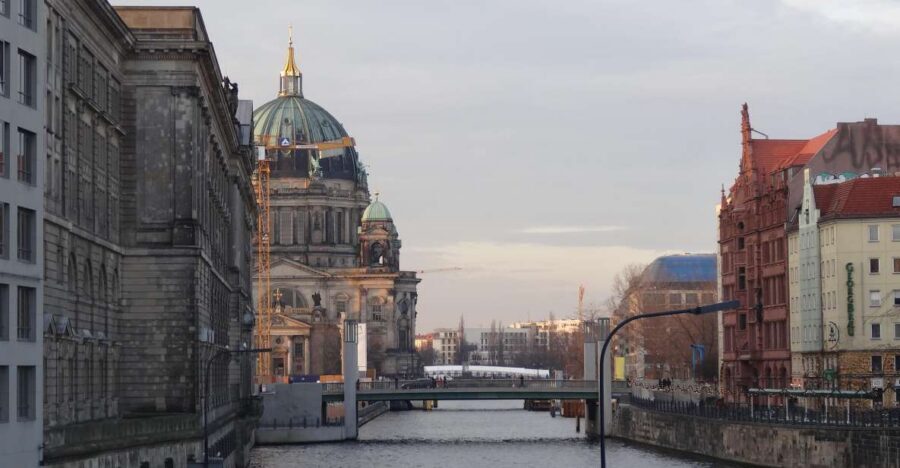
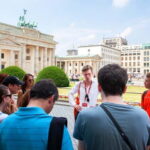
You meet outside Hopfingerbräu at Ebertstraße 24 (10117 Berlin), right near the Brandenburg Gate. This is useful because it puts you in the right pocket of the city for the rest of the walk. You also avoid a “transit maze” moment that can happen when tours start far away.
Plan to arrive a few minutes early. One practical snag that can happen on small-group walking tours is that the guide may not be super obvious at the curb. So don’t stroll in at the exact minute the tour begins—stand by the meeting spot long enough to confirm you’ve got the right person.
This is a walking tour, so wear shoes you can live in for a few hours. Bring a jacket or layer if the weather turns (Berlin can be changeable), and bring a bottle of water. Food and drinks aren’t included, so if you’re hungry later, you’ll want to plan that on your own.
Brandenburg Gate and Reichstag: power on parade
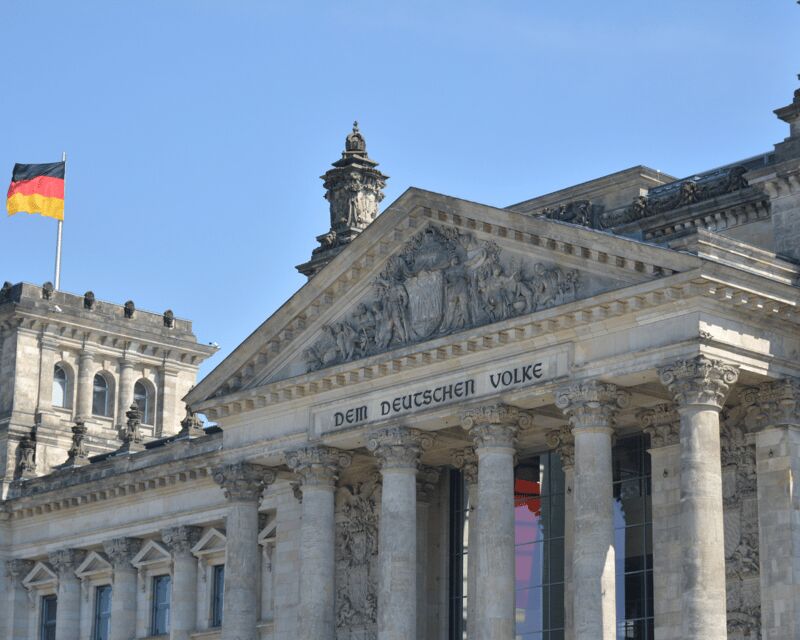
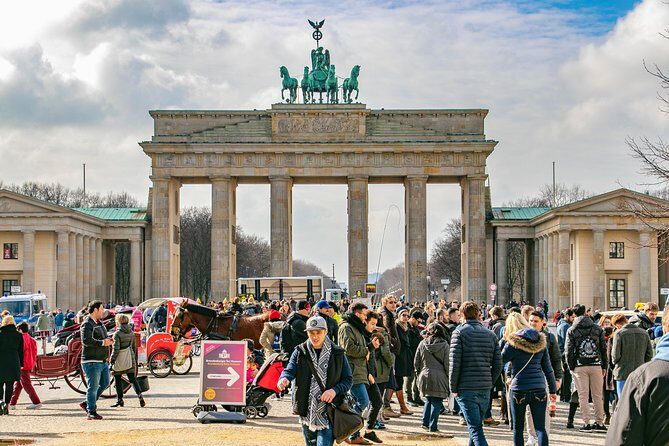
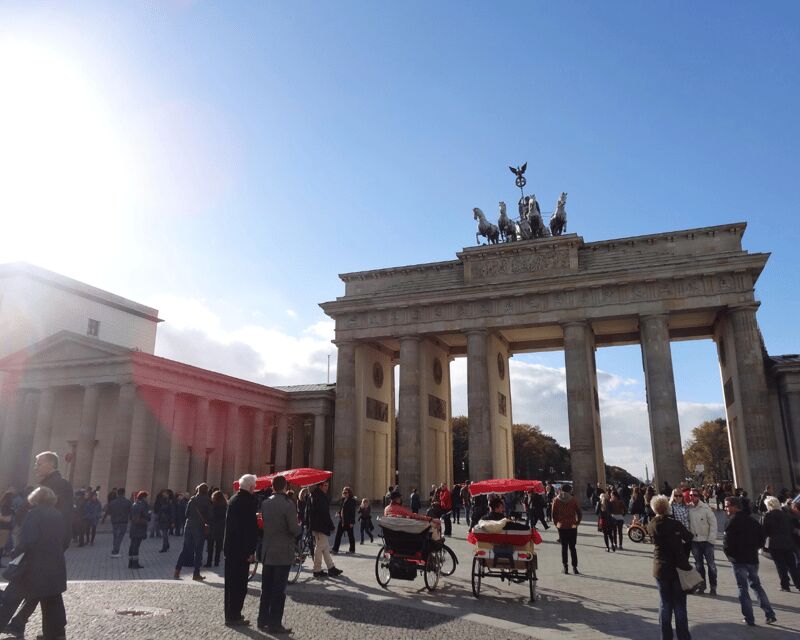
Brandenburg Gate is the first big “stop and look” moment. You get around 20 minutes here with guided context. It’s one of those places where it’s easy to think you already know the story—until a guide points out why the building keeps getting reused in public memory.
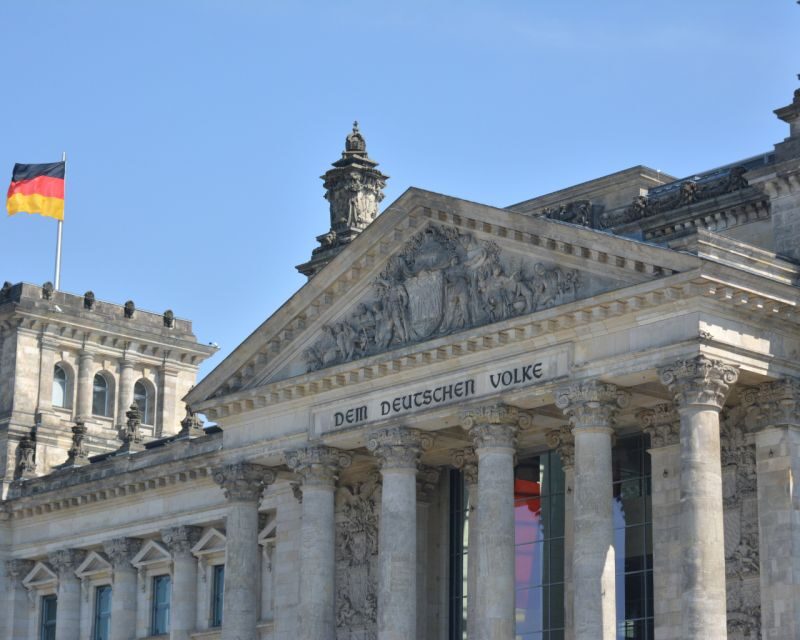
Next comes the Reichstag area for about 20 minutes of sightseeing time. The key value of this stop isn’t just the building itself. It’s that you’re watching how Berlin presents government and national identity in physical form. Even if you don’t go inside (this is sightseeing time), the surrounding context helps you understand why the Reichstag sits at the intersection of symbolism and politics.
Tip: if you want photos, decide quickly where you’ll stand. These are short stops, and the group needs to move.
The Holocaust Memorial and Hitler’s Bunker: moments you should not rush
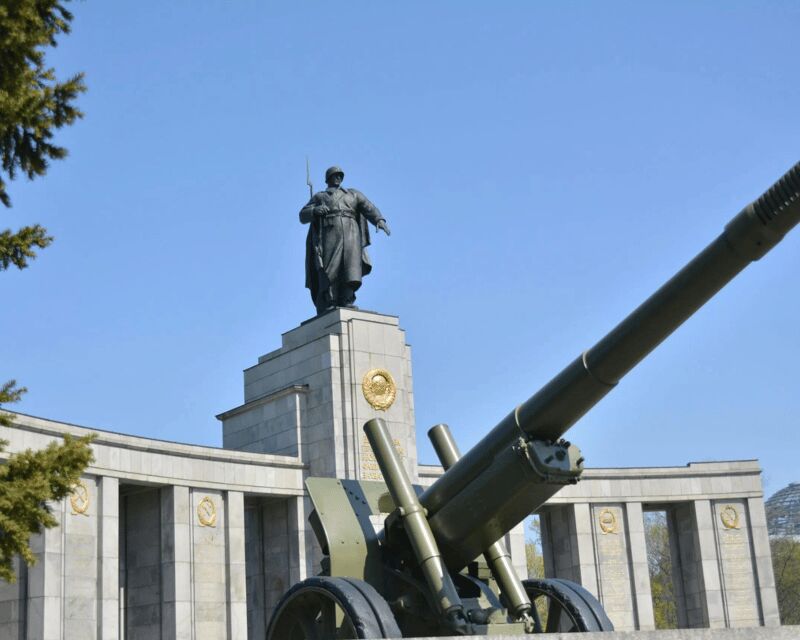
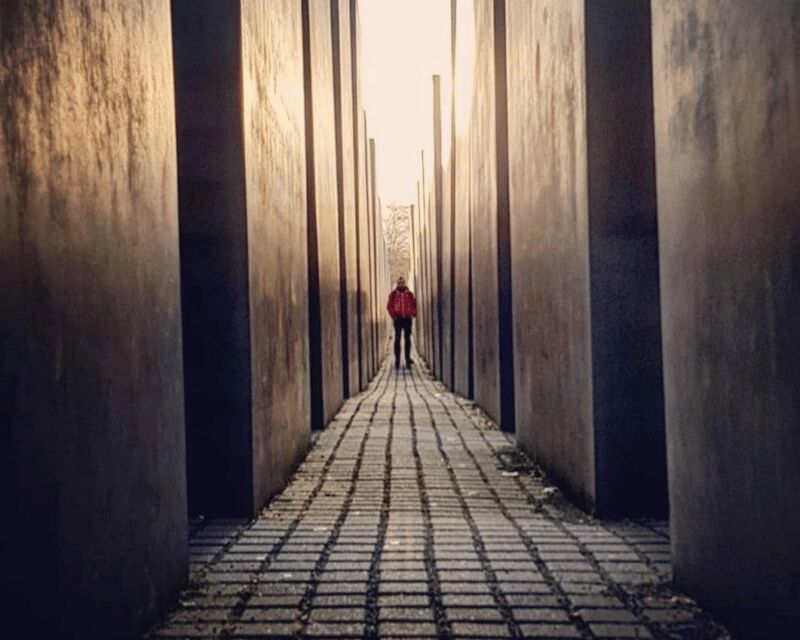
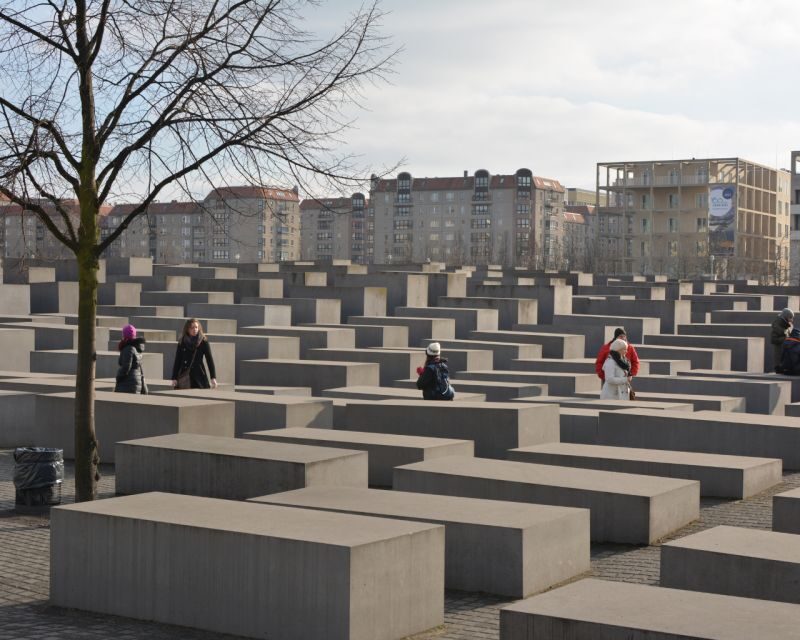
Then the tour turns sharply toward remembrance. The Memorial to the Murdered Jews of Europe gets about 15 minutes of guided time. This is the kind of stop where you’ll likely notice two things: the guide keeps the tone serious, and you’ll feel the need to slow down even if the schedule doesn’t.
After that, you’ll see the area connected to Hitler’s Bunker for roughly 15 minutes of sightseeing. This is another “symbol + geography” moment. You’re not just looking at a location; you’re looking at how history is anchored to place—and how that anchoring affects what people feel when they’re standing there.
How to make the most of these stops: let the guide speak first, then use the remaining moments to step back and observe. You’ll get more than rushing for a perfect angle. And if the topic is heavy for you, that’s normal. These places are built for reflection.
Topography of Terror and Checkpoint Charlie: division made visible
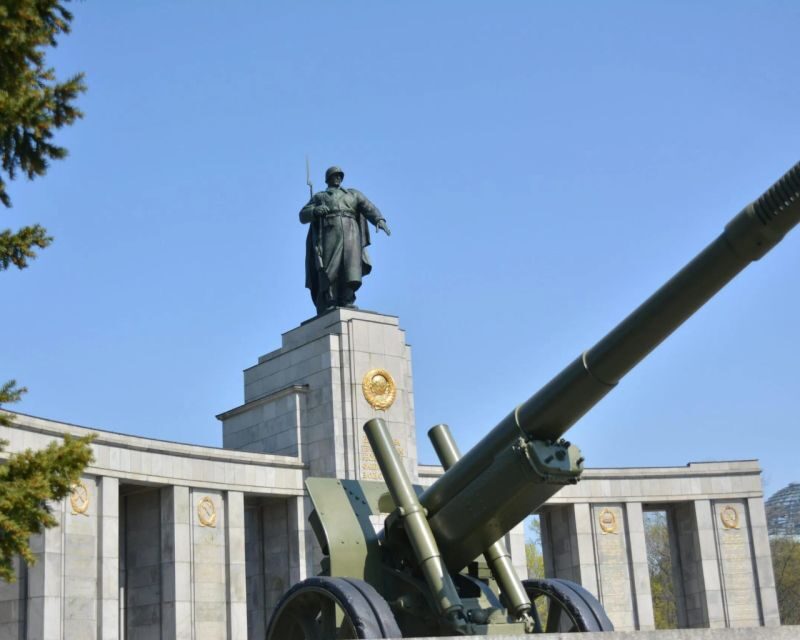
Next up: Topography of Terror with about 20 minutes guided. This is where Berlin’s twentieth-century story gets grim and specific. Even when you’re outside or moving through the area, the guide connects the sites to the machinery of terror—how it worked, who it targeted, and how the city became a stage for ideology.
Checkpoint Charlie follows for another 20 minutes with guided context. This stop is especially helpful for getting your Cold War vocabulary sorted out. It’s a place people associate with dramatic border imagery, but a guide’s job is to keep it grounded—who passed through, what the checkpoint meant, and why it became a global symbol of division.
Practical note: the walking pace stays active here. If you’re the kind of person who needs time to absorb, you may want to mentally pack your questions for later. The guide is moving you through, not parking you.





Gendarmenmarkt, Bebelplatz, and Unter den Linden: beauty with a backstory
After the darker chapters, the route shifts toward Berlin’s grand, formal sides. You’ll spend about 15 minutes at Gendarmenmarkt with guided time. This square often impresses people because it feels so composed and elegant. The payoff on a history-focused tour is learning how that elegance coexists with the city’s upheavals.
Then comes Bebelplatz for about 15 minutes of guided context. This is one of those places where history shows up not only in big monuments, but in ideas—what people tried to do, and what happened when those ideas clashed.
Finally, Unter den Linden gets about 20 minutes guided. Walking this stretch is a way to see Berlin’s “main street” energy while the guide keeps reminding you that the city’s straight lines carry complicated meaning. It’s also a good breather stop: the group can shift from heavy emotion back to more general orientation.
Museum Island and the Alexanderplatz angle: finishing with landmarks that anchor the map
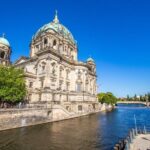
You’ll reach Museum Island for around 20 minutes of sightseeing. Even if museums aren’t your top priority, Museum Island is valuable because it’s such a strong visual anchor for Berlin. It helps you place yourself in the city’s cultural center, and it gives your brain a landmark to file everything else against.
From there, you’re also guided through key highlights that include the Alexanderplatz area—useful because it ties Berlin’s central modern life back into the story you just heard. Berlin isn’t only preserved history. It’s a living city with daily movement, and that contrast is part of what makes the tour satisfying.
At the end, you return to Ebertstraße 24, the same starting point near Hopfingerbräu.
Price and value: why $31 can make sense for a 3-hour history walk
At $31 per person for a 3-hour walking tour, the value depends on what you want from Berlin.
If you plan to spend your days bouncing between stops without context, paying for a guide can save you hours of guessing. This tour packs a lot of iconic stops into one run, and the guide is not just reciting dates. The big value is interpretation: connecting what you see at Brandenburg Gate, Reichstag, memorial sites, and Cold War landmarks into one understandable line.
Also, you’re getting a live English guide for the whole walk, not a short “intro” and then you’re on your own. That continuity matters, especially when the tone shifts from national politics to memorials.
The only real value trade-off is time flexibility. Food and drinks aren’t included, and stops are relatively quick. But if you’re using the tour as your “get my bearings” foundation, the price-to-time ratio can feel pretty fair.
Who this tour fits best (and who should think twice)
This works best for you if:
- You want a fast orientation to Berlin’s major landmarks.
- You prefer history told with locations as anchors, not from a book.
- You like a guide who keeps the group on track while tailoring the pace to different people, which is a big part of Al’s style.
It may not be ideal if:
- You need long stretches to wander and photograph without interruption.
- You get easily frustrated by tours that stay on schedule rather than stretching each stop.
If you’re somewhere in between—curious and able to compromise—you’ll probably have a great time. Berlin rewards your patience. This tour helps you build it early.
Should you book this Berlin history highlights walk?
Yes, I’d book it if your goal is to understand Berlin quickly and stand in the right places with the right context. The combination of landmark coverage, historian-style explanations, and the guiding approach from Al makes it a strong “first serious Berlin day” option.
I’d skip or reconsider if your top priority is slow wandering, deep photo time, or spending long stretches at each stop. This tour moves. If you’re okay with that, you’ll leave with a clear map of Berlin’s past and how it still shows up in the streets today.
FAQ
How long is the Explore Berlin Tour?
The tour lasts 3 hours.
Where does the tour start?
It starts outside Hopfingerbräu at Ebertstr. 24, 10117 Berlin.
Is the tour guide available in English?
Yes, the live tour guide speaks English.
What’s included in the ticket price?
It includes a 3-hour walking tour with an expert guide.
Are food and drinks included?
No, food and drinks are not included.
Is the tour wheelchair accessible?
Yes, the tour is wheelchair accessible.