REVIEW · BERLIN
Berlin Third Reich & Cold War Walking Tour With A Guide
Book on Viator →Operated by Guydeez · Bookable on Viator
Berlin history hits different when you walk it. This Third Reich and Cold War route strings together big sites in about two hours with a guide who keeps it clear and factual.
Two things I really like: you get major landmarks in a tight loop, and you’re guided through what they meant in context, not just what they look like. One thing to weigh: this is mainly a walking city tour, so it’s not set up for long museum time inside buildings.
The guide focus is what made the experience click for me. The explanations are detailed and structured, and the tone stays respectful when the topics get dark, which is exactly how you want it.
If you’re hoping to spend lots of time entering monuments and museums, you’ll need to plan for that separately. The tour keeps you moving between key stops, and the tour itself isn’t built around extended indoor visits.
In This Review
- Key highlights to watch for
- Why this Berlin walk links the Third Reich to the Cold War
- Price and time: what $42.06 buys in two hours
- Meeting point rhythm: Unter den Linden 77 to an easy ending
- Brandenburg Gate: where unity gets interpreted by history
- Reichstag Building: parliament, power, and a view through time
- The Holocaust Memorial: reading 2,711 slabs with a guide
- Berlin Story Bunker site: what you can learn from the final days marker
- Topography of Terror: ending on the Gestapo and SS evidence trail
- What you’ll learn from a guide like Carlo
- Who this tour suits best (and who should plan extra)
- Practical value: mobile ticket, small-group feel, and customization
- Should you book this Berlin Third Reich & Cold War walking tour?
- FAQ
- How long is the Berlin Third Reich and Cold War walking tour?
- Where does the tour start and end?
- Is this tour private or in a group?
- What languages are the guides offered in?
- Is admission to monuments and museums included?
- What sights are included in the itinerary?
- Is the tour mostly walking outdoors?
- How does the mobile ticket work?
- What is the cancellation policy?
Key highlights to watch for
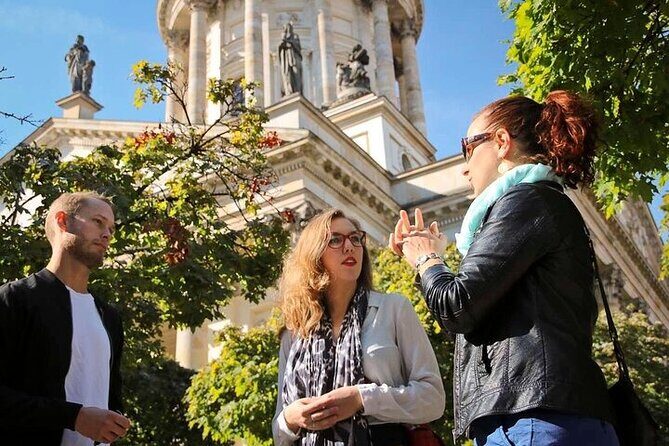
- Clear stop-by-stop storytelling that links Nazi Germany’s final chapter to Berlin’s post-war shift
- Brandenburg Gate + Reichstag as your quick orientation to modern Berlin’s political center
- Holocaust Memorial explained as space and meaning, not just a photo moment
- Berlin Story Bunker site with an on-the-ground overview of the last days of WWII
- Topography of Terror as a strong closing point on Gestapo and SS activity
Why this Berlin walk links the Third Reich to the Cold War
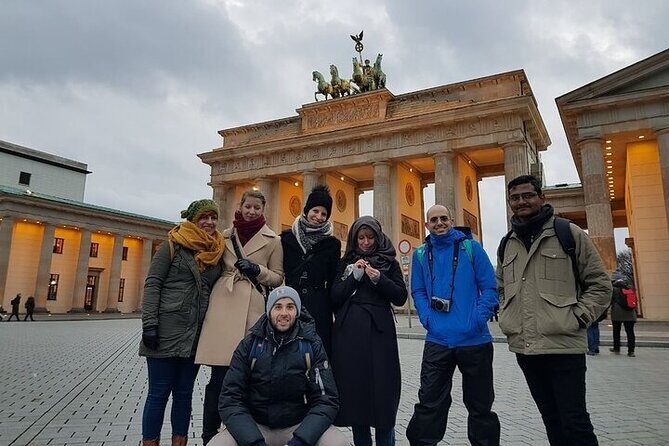
Berlin’s 20th-century story isn’t linear—it jumps, breaks, and restarts. This tour uses that reality. You start at a symbol of German unity and peace, then move into sites tied to Nazi power, genocide, and the collapse that followed. After that, the walk heads toward places that show how the Nazi system operated day to day and what the aftermath left behind.
The clever part is how the tour uses central locations. You’re not traveling across the city just to hit one theme. Instead, you build a timeline while staying in the same area, which helps your brain stitch it all together without getting lost in logistics.
You can also read our reviews of more walking tours in Berlin



Price and time: what $42.06 buys in two hours
At $42.06 per person for about 2 hours, the value is mostly in the guide time plus the route. You’re paying for someone to connect the dots between buildings, memorials, and the political story around them. In a city like Berlin, that kind of framing often matters as much as the sights themselves.
Also, the stops on the itinerary are described as not requiring paid entry for you to appreciate them in context. Still, the tour is clear that entry to monuments and museums is not included. So think of this as the guided “you-can-see-it-outside” version of history, with indoor access only if you add it separately.
If you like history but don’t want to spend an entire day organizing ticket lines and museum hours, this fits that mood well.
Meeting point rhythm: Unter den Linden 77 to an easy ending
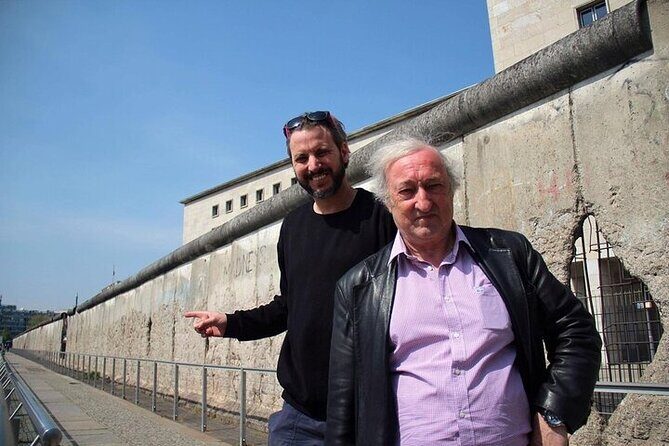
The tour starts at Unter den Linden 77 (10117 Berlin) and ends back at the meeting point. That matters more than people think. You don’t have to re-check where the tour ends, hunt down a ride, or wonder if you’ll be stranded 30 minutes away from transit.
The itinerary is paced in chunks of roughly 24 minutes per stop, which gives you enough time to listen and look without the “rushed museum tour” feeling. You’ll still be walking—this is a walking tour—so comfortable shoes are the smart move. It also helps that it’s near public transportation, so you can arrive and leave without stress.
Brandenburg Gate: where unity gets interpreted by history
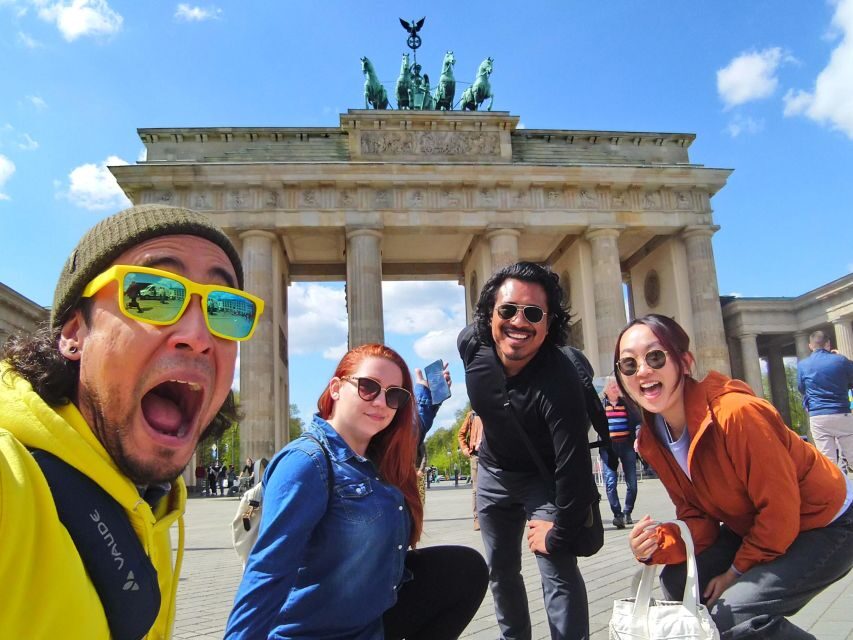
You’ll begin at the Brandenburg Gate, one of Germany’s best-known landmarks. It’s a neoclassical monument, but the real power here is what happened around it over time—especially the fall of the Berlin Wall. Even if you’ve seen photos for years, standing there with a guide helps you understand why this gate became more than architecture.
What I like about this start is that it gives you a baseline. It’s a visual anchor. Then, once the story shifts toward the Third Reich and its collapse, you can feel the contrast more clearly.
Practical note: the tour lists this stop with no admission ticket required, which is handy if you want the story without additional ticket planning at the beginning.
Reichstag Building: parliament, power, and a view through time
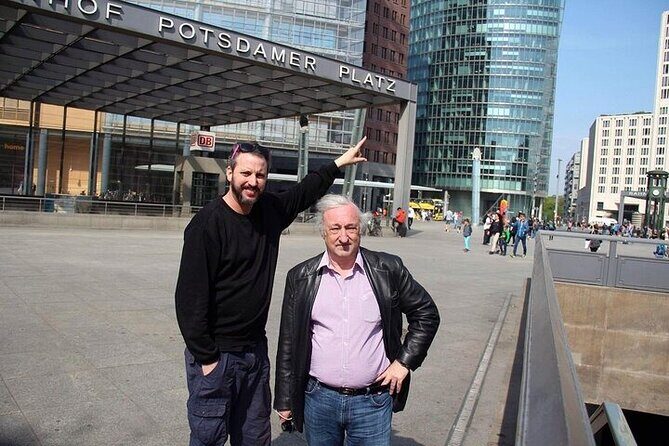
Next is the Reichstag building, home to the German Parliament. Even from the outside, it’s hard not to connect the building to state power. With a guide, you also get the extra layer: how the site links to historical events and how modern Berlin represents itself through governance.
One highlight mentioned is the modern glass dome and the panoramic views of the city. That’s the kind of detail that makes the Reichstag feel less like a relic and more like a working political symbol. You learn to look up and around, not just straight at the façade.
Here’s the tradeoff to keep in mind: the tour is described as not being a long inside visit. So you get the historical walk-and-explain experience. If you want the dome experience in a big way, plan extra time and separate tickets.
You can also read our reviews of more guided tours in Berlin





The Holocaust Memorial: reading 2,711 slabs with a guide

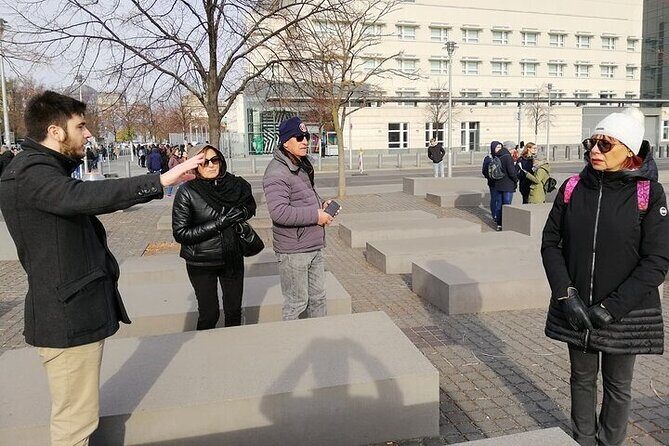
Then comes one of the most serious stops in Berlin: the Memorial to the Murdered Jews of Europe. It’s made of 2,711 concrete slabs, and the design forces a slow, physical kind of reflection. This isn’t the sort of place where a quick look feels right.
I like how this stop is treated as more than a checklist. With a guide, you’re encouraged to reflect on what’s represented and why the space is shaped the way it is. You also get context that makes the memorial’s emotional impact make sense historically—without turning it into a lecture that treats lives like trivia.
Practical note: the tour lists this as admission ticket free, which is important here. You can focus on the meaning instead of logistics.
Berlin Story Bunker site: what you can learn from the final days marker
After the memorial, the walk moves to the Berlin Story Bunker, described as the site of Hitler’s bunker, marked by an information board. This is where the tone changes again—toward the end of WWII and the collapse of the Third Reich.
What makes this stop valuable is that it’s a reality check. Not every key WWII location is intact as an indoor attraction. Sometimes it’s a marked site with explanatory context. A good guide turns that kind of spot into something you can actually understand, not just something you walk past.
One consideration: because it’s an outdoor site with an information board, it’s not the same as entering a preserved bunker space or a fully immersive museum environment. If you’re hoping for maximum interior access, you’ll likely want to add that separately.
Topography of Terror: ending on the Gestapo and SS evidence trail
The tour closes at Topography of Terror, located on the former site of the Gestapo and SS headquarters. This is a strong ending because the story stops being general and becomes evidence-driven. The tour format includes both outdoor and indoor museum space, with exhibits that detail atrocities committed during the Nazi regime.
If you’ve been listening to the timeline so far, this stop gives you the grounding to understand how the system worked. It’s also a logical follow-up after the memorial and the bunker site: you see the human consequences, then you connect it to the mechanisms behind the terror.
The only caveat is the same general one: the tour experience is designed as a walking route with guided context. It doesn’t promise long museum time. If you want to read everything slowly, give yourself extra time after the tour.
What you’ll learn from a guide like Carlo
A big reason people love this tour is the guide’s delivery. In the feedback provided, Carlo is mentioned as engaging, prepared, and precise. That combination matters. When a guide is clear and organized, you don’t end up with a messy list of dates. You get structure—why events connect, and how ideas changed over time.
You’ll also get lots of factual detail, including data and specific explanations about Berlin and its most eventful historical chapters. That’s the kind of approach that helps even first-timers. It also helps if you’re traveling with kids who can handle serious material. The key is that the guide keeps it understandable and not vague.
Tip for you: bring one mindset into this tour—ask how and why. With the sites in place, your guide’s facts will start clicking into a bigger picture.
Who this tour suits best (and who should plan extra)
This tour is a great fit for:
- First-time Berlin visitors who want a history spine without spending the whole day in a single museum
- Serious history buffs who want Nazi and WWII context mapped onto recognizable city landmarks
- People who like guided structure more than wandering alone with an audio app
It may be less ideal if:
- You want a heavy focus on long interior museum visits during the booked time
- You need the tour to be fully centered on ticketed access to interiors (since entry is not included)
Also, because the content covers mass murder and the machinery of terror, you should only bring this to your ideal family situation if your group is ready for heavy topics. You can’t fix that with a good guide. The sites are what they are.
Practical value: mobile ticket, small-group feel, and customization
A couple details make day-of life easier. The tour uses a mobile ticket, and it’s described as a private or small group option. For the private option, only your group participates, which is great if you like questions and a slower pace when something really lands for you.
The tour also notes customization is available. That can matter for two reasons. First, if your group has interests within WWII—like government, surveillance, or the endgame—you can sometimes steer the focus. Second, if you’re with people who need a lighter pace, you can often adapt the rhythm.
Language coverage is also solid: in-person English, Spanish, French, German, and Italian speaking guides are listed. That’s useful if your group isn’t comfortable with English.
Should you book this Berlin Third Reich & Cold War walking tour?
I think it’s a strong booking if you want a guided timeline through Berlin’s hardest history without turning your day into ticket math and museum marathons. The route is efficient, the stops are major, and the guide style described—engaging, prepared, precise—sounds like exactly what you want when topics are intense.
Book it if you value:
- a clear, stop-by-stop story
- a guide who gives details and facts
- seeing key sites in about two hours
Skip it (or plan extra add-ons) if your main goal is deep museum time inside. This tour keeps you moving and interpreting the city from key locations. For full immersion into exhibits, you’ll likely want to extend your day at Topography of Terror afterward.
FAQ
How long is the Berlin Third Reich and Cold War walking tour?
It’s listed at about 2 hours.
Where does the tour start and end?
The meeting point is Unter den Linden 77, 10117 Berlin, and the tour ends back at the meeting point.
Is this tour private or in a group?
It can be private or small group. For the private option, only your group participates. For the group option, a minimum of 2 participants is required.
What languages are the guides offered in?
The tour is offered in English, Spanish, French, German, and Italian speaking guide options.
Is admission to monuments and museums included?
No. Entry to monuments and museums is not included, and the tour is described as a city tour rather than a tour inside monuments.
What sights are included in the itinerary?
You’ll visit the Brandenburg Gate, the Reichstag building, the Holocaust Memorial to the Murdered Jews of Europe, the Berlin Story Bunker site (with an information board), and Topography of Terror.
Is the tour mostly walking outdoors?
Yes, it’s a walking city tour with multiple stops. It ends with Topography of Terror, which includes both outdoor and indoor museum space.
How does the mobile ticket work?
You receive a mobile ticket, and confirmation is received at the time of booking.
What is the cancellation policy?
Free cancellation is available up to 24 hours before the experience start time for a full refund. Changes within 24 hours of the start time aren’t accepted.