REVIEW · BERLIN
Berlin: Stasi Museum Private Guided Tour with Entry Ticket
Book on GetYourGuide →Operated by Rosotravel Germany · Bookable on GetYourGuide
Cold War stories hit different when you’re standing in the rooms. This private Stasi Museum tour connects East Berlin life with how the Stasi turned spying into routine control, starting right at Alexanderplatz and ending inside the former headquarters on Normannenstraße. I especially like the way the guide turns exhibits into explanations you can actually use, not just facts on a wall.
Two big reasons this tour works: you get skip-the-line entry with a scheduled time slot (so you’re not wasting time), and you’re walking through the real operational spaces, including the office linked to Erich Mielke. One drawback to consider: it’s priced as a private experience, so if you’re budget-focused (or if your quoted price feels high), you’ll want to be sure you’re genuinely excited about Stasi history and surveillance details.
In This Review
- Key points to know before you go
- Alexanderplatz start: the GDR story begins before the museum
- Getting skip-the-line entry to Stasi Museum right
- The private guide factor: expert commentary that keeps you oriented
- Inside the former Stasi HQ: offices, equipment, and the logic of control
- Ministerial offices and the Mielke office
- Original spy tech: bugs and hidden cameras
- How the museum ties surveillance to fear, propaganda, and daily life
- Informants and recruitment
- Propaganda in the background
- The walk-and-ride plan: Alexanderplatz to the museum without stress
- Price and value: what you’re paying for at $257 per person
- Who should book this Stasi Museum private tour
- Should you book this tour?
- FAQ
- Where do I meet the guide?
- How long is the Stasi Museum private guided tour?
- Is this tour private?
- What language options are available?
- Does the tour include skip-the-line entry?
- Which Stasi museum is this?
- How do you get from Alexanderplatz to the museum?
- Is the museum visit wheelchair accessible?
- What’s included in the tour price?
- Can I cancel?
Key points to know before you go
- Skip-the-line entry with a reserved time slot, so plan to arrive on time
- Alexanderplatz start ties your visit to the 1989 protests in GDR history
- Former Stasi HQ inside (Forschungs- und Gedenkstätte Normannenstraße), not a generic re-creation
- Original spy technology like bugs and hidden cameras in the exhibits
- Erich Mielke office and his red briefcase display give you a concrete sense of power
- Two-way public transport tickets help since the museum sits outside the central area
Alexanderplatz start: the GDR story begins before the museum

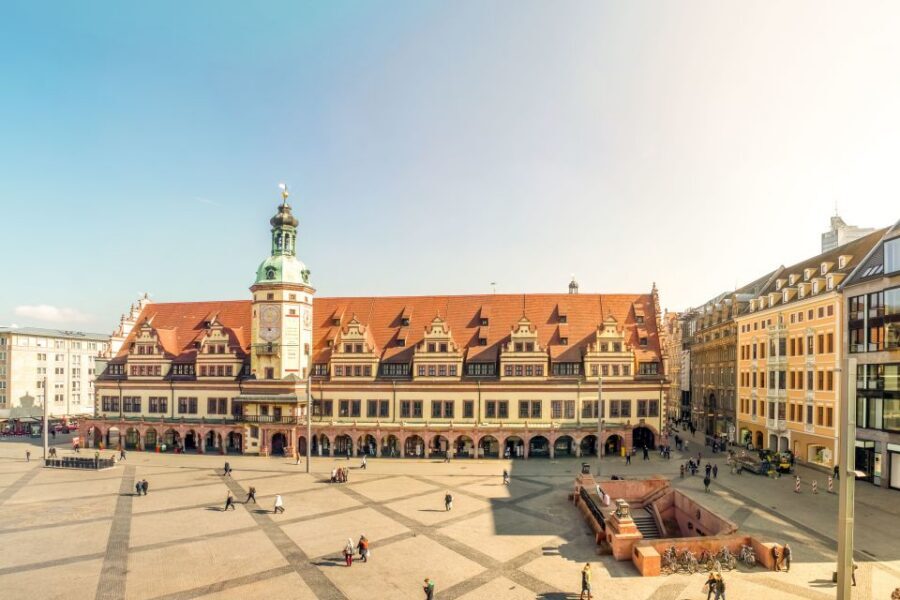
Most Stasi visits start at the building. This one starts earlier, at Alexanderplatz, where the tour meeting point is in front of the DM drugstore (1, 10178 Berlin). That may sound like a small detail, but it sets the right tempo.
Your guide begins by placing you in the final stretch of the GDR era. Alexanderplatz matters because it’s tied to the largest demonstration in GDR history in 1989. You’re not just learning what the Stasi did—you’re also getting the context of how East Germany was changing in the years leading up to the Berlin Wall’s fall.
If you like history that feels connected to real geography (not just indoor museum browsing), you’ll appreciate this approach. It helps you understand why surveillance and propaganda weren’t abstract ideas. They were part of daily politics—part of how people tried to live, speak, and move through their world.
A few more Berlin tours and experiences worth a look


Getting skip-the-line entry to Stasi Museum right
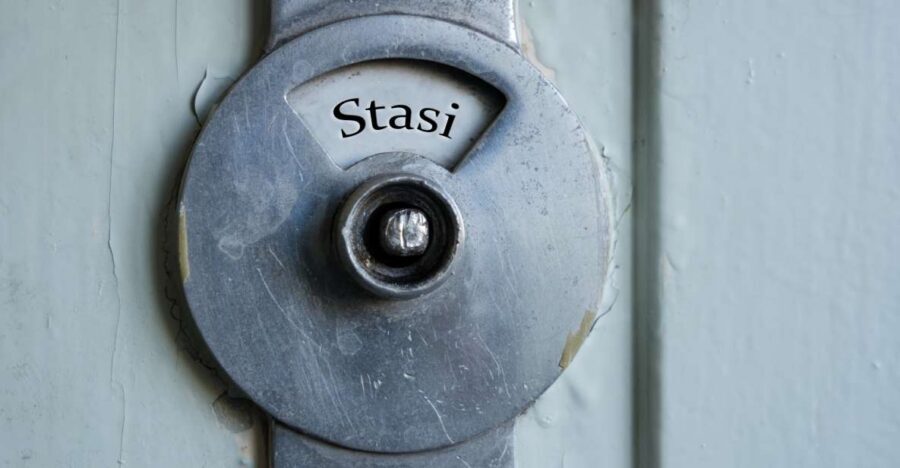
The tour includes skip-the-line tickets to the Stasi Museum (Forschungs- und Gedenkstätte Normannenstraße). That’s a practical win in Berlin, where museum lines can be unpredictable. With a reserved time slot, you can focus on the tour rather than timing your whole day around entry.
Here’s the catch: skip-the-line still means schedule discipline. Your best move is to arrive at the meeting point on time and stay aligned with the timetable. Once you’re in, you’ll understand why that matters—this tour is packed for a 3-hour private format.
Also, pay attention to the museum’s identity. This Stasi Museum is in the former headquarters building. It’s different from the Berlin-Hohenschönhausen Memorial, the former Stasi prison site. If you’re mixing up the two, you may end up with the wrong expectations. This tour is about the HQ, offices, informants, and the machinery of surveillance—not the prison experience.
The private guide factor: expert commentary that keeps you oriented

This is a private group tour with an expert guide licensed for the experience. The tour runs in English or German, and you get commentary tailored to how you’ll understand the story. In places like this, generic audio tours can feel scattered. A good live guide does the opposite: they help you keep the timeline straight while pointing out what the exhibits are really trying to show.
You’ll also see how the Stasi system worked without drowning in jargon. The guide’s role is to connect big themes—politics, propaganda, dictatorship, daily life—to specific items you’re looking at right now. That matters because the Stasi museum doesn’t just want you impressed by technology. It wants you understanding control as a method.
In a couple of accounts, the guide experience has included personal storytelling and extra material shown during the tour. That kind of added context can make the exhibits stick. Even if you think you know the basics of the Cold War, having a real person explain how it felt to live under that system is often the part that lingers after you leave.
Inside the former Stasi HQ: offices, equipment, and the logic of control
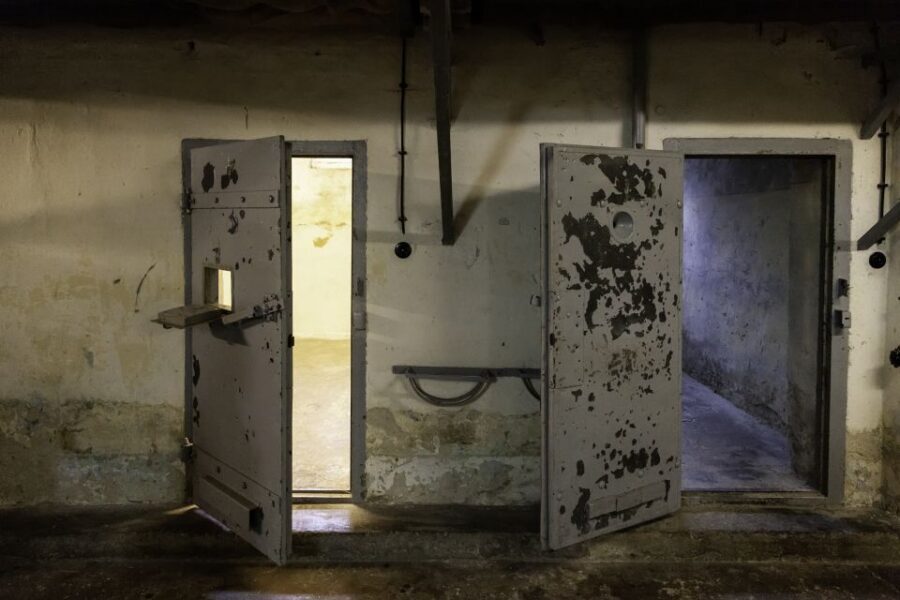
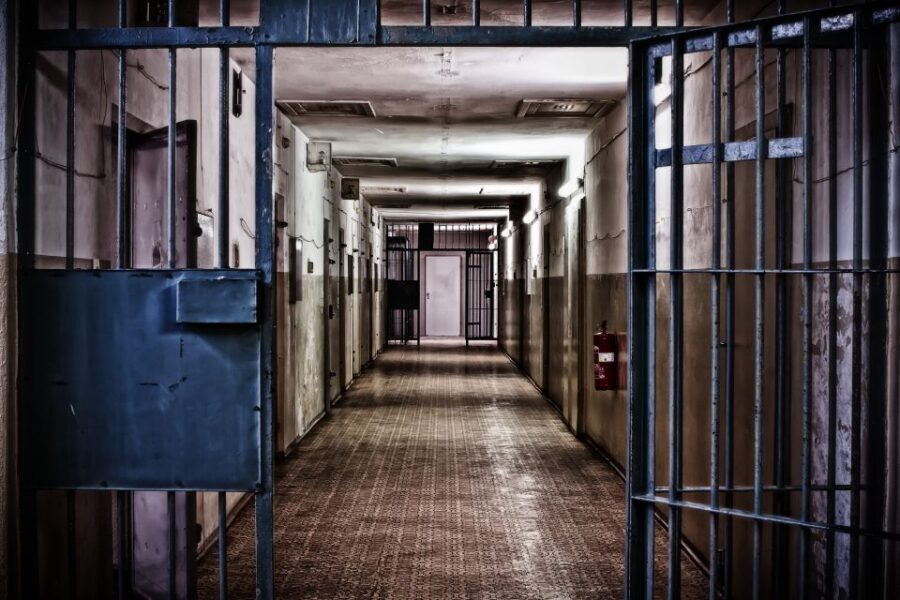
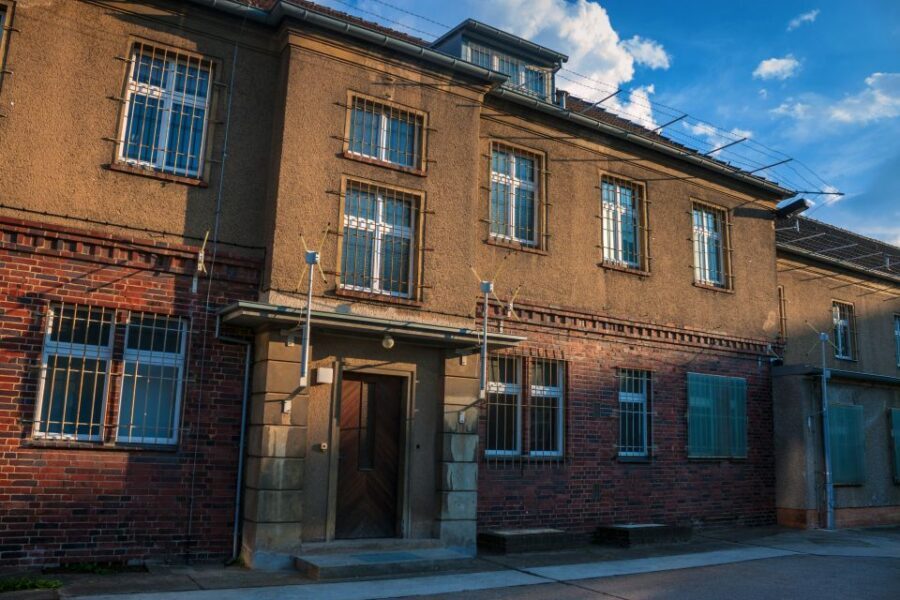
The tour takes you to the Stasi Museum housed in the original building of the former headquarters of the Ministry of State Security. Walking into a place like this changes how the story lands. Instead of imagining the Stasi as a shadowy concept, you’re seeing how the institution organized itself in actual working spaces.
Inside, you’ll get a structured look at three things:
1) how surveillance was carried out,
2) how information was handled, and
3) how the system affected people.
Ministerial offices and the Mielke office
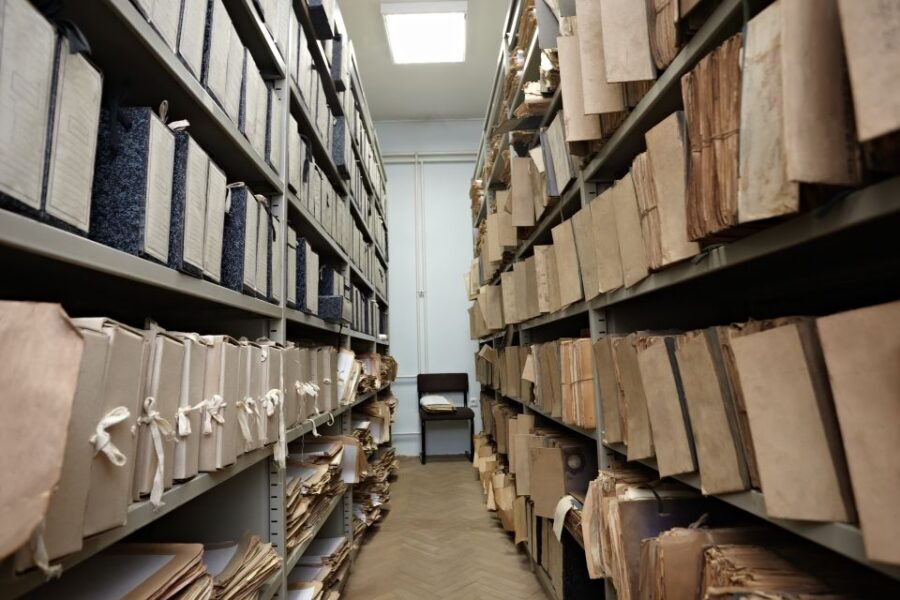
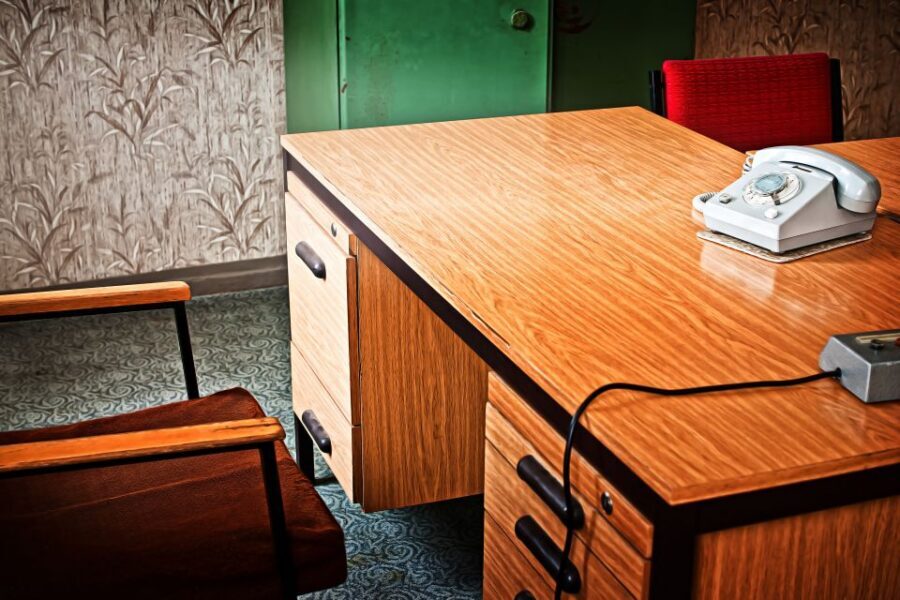
A standout stop is the visit to the Ministerial Offices and the office of Erich Mielke. The museum displays his famous red briefcase, which served as a symbol of where the most sensitive information was kept. Even if you don’t know much about the individual, the object gives the tour a center of gravity. It’s a simple visual cue to help you understand hierarchy and secrecy.
The value here is practical. When history turns into a list, it fades. When history connects to a specific room and a specific display, your brain has somewhere to file it.
You can also read our reviews of more guided tours in Berlin





Original spy tech: bugs and hidden cameras
You’ll also get the chance to see original spy technology, including bugs and hidden cameras. This is where the Cold War stops being about flags and speeches. It becomes about methods.
The Stasi didn’t rely only on one kind of operation. The museum shows how spying could be engineered and repeated, which is exactly why citizens feared it. The idea wasn’t just that someone might watch you. It was that the watch could be hidden, everyday, and hard to detect.
If you’re the type who likes details, this section will feel both eerie and oddly logical. Eerie because you’re looking at real tools. Logical because the museum explains how those tools fit into a broader system of control.
How the museum ties surveillance to fear, propaganda, and daily life
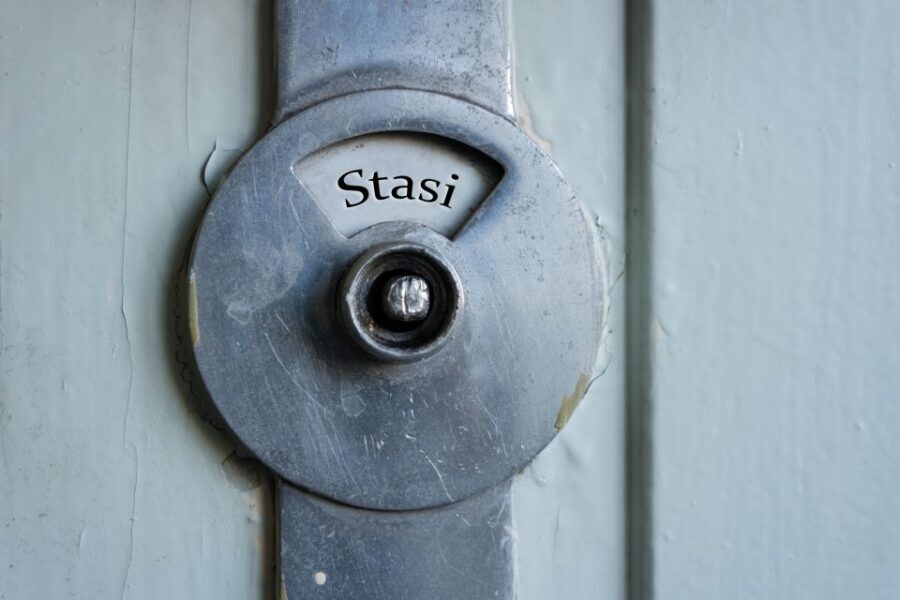
The Stasi Museum tour isn’t only about equipment. It’s about the human side of the machine. This is where you’ll spend time thinking about why German citizens feared the Stasi and how everyday life in the GDR was shaped by surveillance.
You’ll learn about the role of Stasi police in operating the system, and you’ll also get explanations connected to communist propaganda and dictatorship. The museum experience is designed to show that control wasn’t one dramatic action. It was a culture.
Informants and recruitment
One of the most important themes covered is how informants were recruited. Even without turning it into a personal trauma story, the museum makes the process understandable: surveillance required people, and it required trust to be broken and restructured.
If you’re visiting to understand how dictatorships maintain power, this is the section that does the heavy lifting. It’s easy to say governments spy. It’s harder to understand how they build the network that makes spying sustainable. That’s what this tour emphasizes.
Propaganda in the background
The Cold War angle also comes through in how the museum connects surveillance with the political message of the GDR. You’ll see how propaganda worked alongside control. In a system like this, information isn’t neutral. It’s managed.
This is where the tour’s private format shines again. A guide can help you read the exhibits with context—what you’re seeing, why it mattered, and how it likely affected choices people made every day.
The walk-and-ride plan: Alexanderplatz to the museum without stress
The museum is located outside the city center, so this tour includes two-way public transport tickets. That’s not just convenience. It’s part of why the schedule works for a 3-hour experience.
Rather than you figuring out transit while trying to stay on time, you get transport handled as part of the plan. This keeps the tour from feeling like a half-lecture plus a stressful commute.
A small practical tip: because the museum entry time matters, treat the transit portion as part of the show. If you’re running late for the meeting point, the reserved entry time can become an issue. The best way to protect your investment is simple: arrive early to Alexanderplatz, then let the tour flow.
Price and value: what you’re paying for at $257 per person
At $257 per person for a 3-hour private tour, you’re buying more than entry tickets. You’re paying for a licensed guide, skip-the-line access, expert commentary, and public transport support.
Here’s how I’d judge value for this particular experience:
You’re getting good value if:
- You want a human explanation of how surveillance shaped GDR life.
- You prefer structured time in a museum rather than wandering and guessing.
- You care about the specific HQ details—offices, displays, and the original spy technology.
It may feel overpriced if:
- You’re mostly a “walk around and read labels” visitor.
- You’re not very interested in the Stasi system’s mechanics.
- Your quoted price ends up higher than the baseline you expected. One set of pricing feedback called out that cost being high relative to what the tour delivered, which is a fair warning if you’re comparing options.
Think of it this way: the museum is intense. The private guide helps you connect the dots fast. If that dot-connecting is your style, the price can make sense quickly.
Who should book this Stasi Museum private tour
This works best for:
- History buffs who want the Cold War explained through the building where it was managed
- People who want more than “facts”—they want interpretation
- Anyone traveling with limited time who doesn’t want to lose hours to lines or guesswork
You might want a different format if:
- You only want a quick surface visit and don’t need guidance to understand the themes
- You’re visiting just for iconic Berlin sites and are not excited about Stasi operations
Language is also a factor. Tours are offered in English or German, and you can sometimes benefit from additional language ability depending on the guide’s skills—one account noted a guide also spoke Danish even when the booking was in English. That’s not guaranteed, but it shows how flexible some guides can be.
Should you book this tour?

Yes, if you want a focused, guided Stasi Museum experience that connects the objects to real political control. I’d book it if you like museums where the guide helps you read what’s in front of you—especially the original HQ spaces, the Mielke red briefcase display, and the bugs and hidden cameras exhibit.
Skip booking if you’re hoping for a cheap museum day or you’d be happy doing everything on your own. In that case, you might save money and still get the basics—but you’ll lose the structure that makes the themes click.
FAQ
Where do I meet the guide?
Meet your guide in front of the DM drugstore at Alexanderplatz, 1, 10178 Berlin.
How long is the Stasi Museum private guided tour?
The tour lasts 3 hours.
Is this tour private?
Yes. It’s listed as a private group experience.
What language options are available?
The live tour guide offers English and German.
Does the tour include skip-the-line entry?
Yes. You get skip-the-line tickets to the Stasi Museum with a pre-booked entry time slot.
Which Stasi museum is this?
This tour is for the Stasi Museum (Forschungs- und Gedenkstätte Normannenstraße). It is different from the Berlin-Hohenschönhausen Memorial (the former Stasi prison).
How do you get from Alexanderplatz to the museum?
The tour includes two-way public transport tickets because the Stasi Museum is located outside the city center.
Is the museum visit wheelchair accessible?
The activity is listed as wheelchair accessible.
What’s included in the tour price?
The price includes the private guided tour, skip-the-line tickets, a licensed guide, two-way public transport tickets, and expert commentary on the division of Germany and state surveillance.
Can I cancel?
Yes. The tour offers free cancellation up to 24 hours in advance for a full refund.