REVIEW · BERLIN
Berlin Small Group Segway Adventure: Explore in 2 Hours!
Book on Viator →Operated by 2 Wheel Tours Berlin · Bookable on Viator
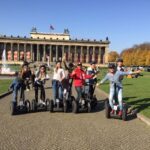
Berlin on a Segway beats the usual hurry. In just about 2 hours, you glide past major sights with a guide, plus you get the basics so you can actually handle the city.
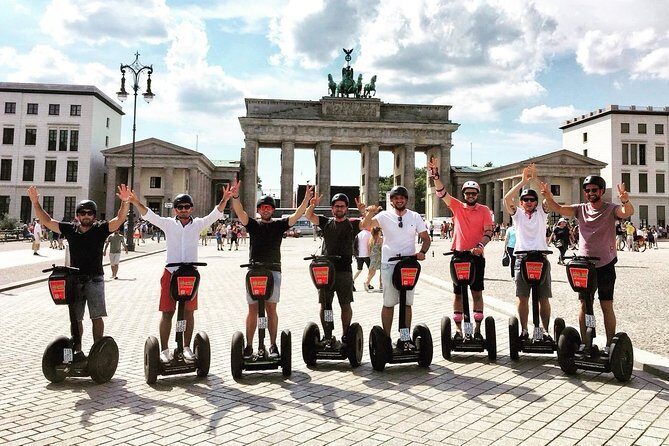
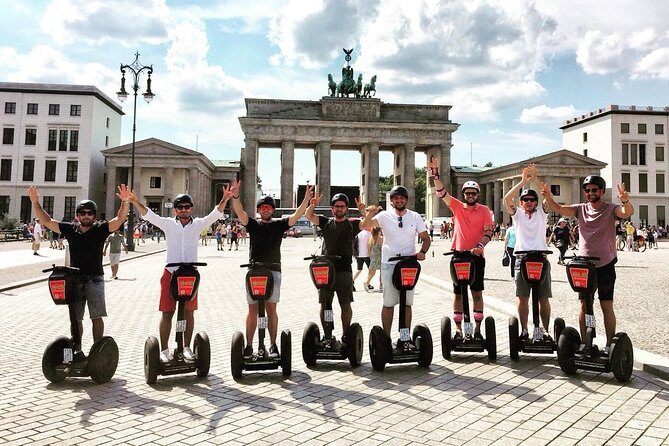
What I like most is the Segway training plus the small group size (max 15), which makes it easier to learn and keep moving. You also hit big hitters like Brandenburg Gate, the Reichstag area, and Potsdamer Platz without spending half your day on foot. The trade-off: this is built for getting around fast, so you’ll be stopping briefly and taking photos, not doing deep, inside-the-building history.
In This Review
- Key highlights that make this tour worth your time
- A 2-hour Berlin route you can actually finish
- Segway training, helmets, and why you should take the first minutes seriously
- Museum Island and Bebelplatz: culture you can see without stepping inside
- Brandenburg Gate, Reichstag, and Bellevue Palace: power in stone, glass, and ceremony
- Victory Column to the Holocaust Memorial: monuments that demand slow respect
- Potsdamer Platz and Checkpoint Charlie: Berlin’s pivot from division to motion
- Gendarmenmarkt and Alexanderplatz: two very different faces of today
- What you get for the $84.68 price tag
- Tips to make the ride smoother (and safer) in real Berlin weather
- Guide styles: what names like Morgan, Nachiket, and Franco suggest about the experience
- Should you book this Segway tour?
- FAQ
- How long is the Berlin Small Group Segway Adventure?
- Is the tour offered in English?
- What does the price include?
- Where does the tour start?
- Do I need to bring admission tickets?
- Is hotel pickup included?
- Who can participate?
- What documents do I need on the day of travel?
Key highlights that make this tour worth your time
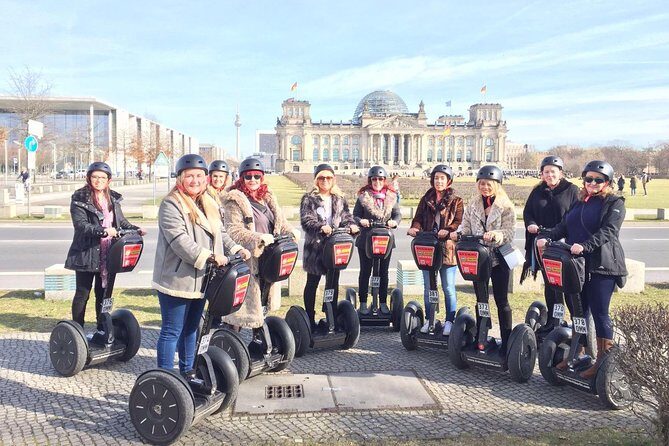
- Short stops at the right icons so you can map out what to revisit later
- Professional guide + training before you enter traffic
- A tight, efficient route that strings Museum Island to Potsdamer Platz and beyond
- Powerful contrast stops like the Holocaust Memorial and Checkpoint Charlie
- Photo-friendly pacing with multiple 5-minute moments to see, frame, and move
A 2-hour Berlin route you can actually finish
Berlin is huge. If you try to cover these landmarks on foot, you end up walking more than seeing. This tour is designed to solve that problem: you get a guided ride that strings together major landmarks in a compact window of time.
You’re also not stuck with one theme. In two hours you’ll swing from cultural sites near the Spree River to Cold War-era memories and back to modern Berlin at Potsdamer Platz. It’s a great way to get your bearings fast and decide what you want to do again later on a slower day.
Small group size matters here. With a maximum of 15 people, the guide can keep an eye on rider comfort, reposition the group when sidewalks get crowded, and still keep the momentum.
A few more Berlin tours and experiences worth a look

Segway training, helmets, and why you should take the first minutes seriously
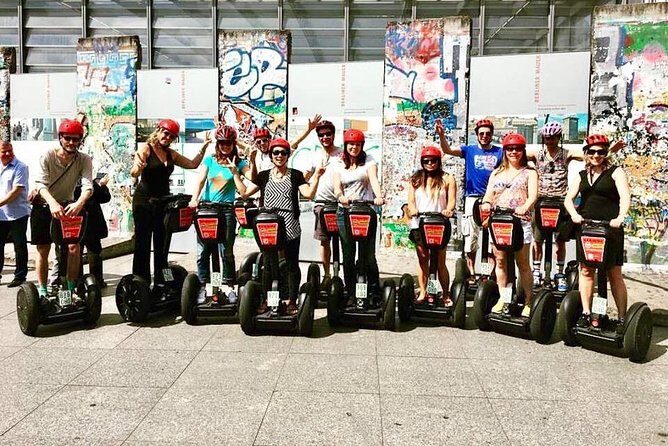
You get training and a helmet, plus insurance included. Before you roll out, you practice enough to feel in control. That sounds simple, but in Berlin it’s the difference between relaxed sightseeing and white-knuckle commuting.
One thing I’d treat as non-negotiable: listen closely during the practice and don’t rush into traffic until your balance feels natural. There was at least one reported mishap on the road when a rider’s Segway didn’t stop as expected. Nothing disastrous can happen fast, so your job is to drive smoothly and follow the guide’s timing.
Rider experience is the reason this tour works for beginners. Several guides on this route have a track record of managing pacing and riders with different confidence levels. If your skills feel shaky, tell the guide right away at the start.
Museum Island and Bebelplatz: culture you can see without stepping inside
Your first stop is Museum Island, with a chance to admire the architecture of five major museums from the outside. You’re not going museum-hunting here. Instead, the value is in seeing the UNESCO-style setting along the Spree River and learning why this cluster matters as an identity of Berlin’s cultural life.
Then you roll to Bebelplatz, where you’ll pause at the striking monument tied to the book burnings of 1933. This is one of those moments where the street looks calm, but the story isn’t. The guide’s job is to help you connect the monument to what it represents: cultural repression, resistance, and why remembrance still has weight today.
Photo tip: for both stops, use your 5-minute window like a mini assignment. Grab wide shots that show the buildings and square, then take a second set that frames you with the river or monument in the background. You’ll thank yourself later when you’re sorting your photos.
Brandenburg Gate, Reichstag, and Bellevue Palace: power in stone, glass, and ceremony
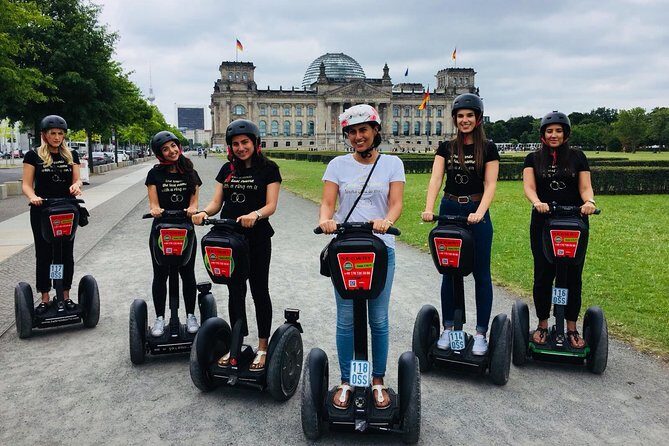
Next up is Brandenburg Gate. This is the Berlin icon most people recognize immediately. The guide will connect it to Germany’s changing chapters and the idea of unity and peace that later became part of its modern meaning.
From there, you reach the area of the Reichstag Building, including the well-known glass dome you can spot from outside. Even without going inside, you’ll get context about the German parliament and how the building’s story became entangled with the country’s political upheavals and reunification.
Then you move to Schloss Bellevue (Bellevue Palace), the official residence of the German president. This stop gives you a different angle: not the loud symbolism of the gate, but the more formal, ceremonial role of modern governance. You’ll see the palace façade and surrounding gardens from the outside, with time for photos.
Here’s the practical takeaway: these stops are brief, but the guide’s commentary helps you read the buildings. Once you understand what you’re looking at, your first impression turns into something you can actually remember.
Victory Column to the Holocaust Memorial: monuments that demand slow respect
Victory Column is next, with the golden angel on top and views toward Tiergarten and the cityscape. The guide will explain the monument’s original intent and how Berlin later carried and reinterpreted its meaning. It’s a good example of how a city can keep a landmark while shifting the story around it.
Then comes the hardest stop on the route: the Memorial to the Murdered Jews of Europe. You’ll walk through the pathways of 2,711 concrete slabs with varying heights. This isn’t a photo-op moment in the same way as Brandenburg Gate. The design is meant to slow your thinking down. Use the time to stand, look around, and let the place do its work.
Because this is a sensitive site, follow the guide’s pace and don’t treat it like a background setting. If you’re the type who likes to read every sign, you might want to plan a separate visit later with more time for quiet.




Potsdamer Platz and Checkpoint Charlie: Berlin’s pivot from division to motion
At Potsdamer Platz, Berlin switches gears. This area shows post-reunification development, with a mix of office, entertainment, and modern architecture. You’ll also get views of landmarks like the Sony Center area, and the guide will explain the significance of the square as a former crossroads that has been rebuilt into a major hub.
Then you ride to Checkpoint Charlie. This is where Berlin’s Cold War division becomes tangible. You’ll see the guard shack and hear about escape attempts and the tension of that era. It’s another place where a quick stop can still hit hard, because the story is so specific: boundaries, fear, and the lengths people went to get across.
One practical note: the streets around Checkpoint Charlie can get busy. Stay aware of pedestrians and follow the guide’s hand signals. Segway tours are fun because you move quickly, but you’re still sharing space with real city traffic.
Gendarmenmarkt and Alexanderplatz: two very different faces of today
Gendarmenmarkt is one of Berlin’s prettier squares, and it shows in the building lineup: the German Cathedral, the French Cathedral, and the Concert Hall in a single view. The guide helps you spot architectural details and understand why the square’s design feels intentionally balanced. This stop is lighter than the memorials, but it still gives you strong context.
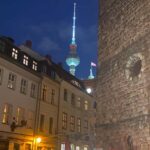
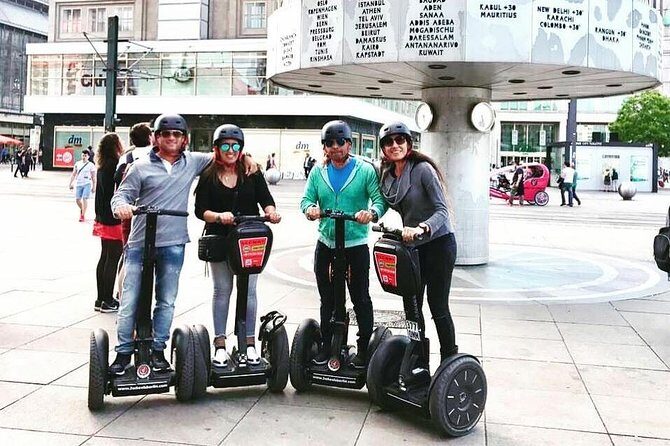
Then you hit Alexanderplatz, one of Berlin’s busiest public squares. You’ll see the TV Tower and feel the energy of a place where people actually live, shop, and wander. There’s entertainment in motion here: street life, quick bites, and constant movement.
If you want the best value from the final stretch, take 30 seconds to pick one direction you’ll explore after the tour. Are you drawn toward museums, food, or shopping? Alexanderplatz is a good starting point for all three, and you’ll have just enough time saved from walking to make your next plan.
What you get for the $84.68 price tag
At $84.68 per person, you’re paying for more than just sightseeing. You’re also buying convenience and support: professional local guide, Segway, helmet, insurance, and training are all included. That stack is what makes the price feel reasonable rather than expensive.
You’ll still deal with time limits. Since you’re stopping for photos and short explanations, you’re not paying for long museum-style visits. Also, some stops list admission as not included (like Brandenburg Gate, Reichstag Building, Schloss Bellevue, Victory Column, the Holocaust Memorial, Checkpoint Charlie, and Gendarmenmarkt). Others are marked as free (like Museum Island, Bebelplatz, Potsdamer Platz, and Alexanderplatz).
So, think of this as a high-quality overview pass. Use it to decide what’s worth your money and time on a second visit when you can go slower.
Tips to make the ride smoother (and safer) in real Berlin weather
Berlin weather can be a deal-breaker. Cold days can reduce how long you comfortably ride, and you may find the tour ends earlier than the headline time if everyone is getting too chilled. Wear gloves if it’s cold. It sounds small, but it keeps your hands steady on the controls.
Also, be ready for the guide to adjust slightly based on street conditions. Berlin traffic and pedestrian flow can change quickly, and a good guide reroutes to keep everyone safe.
If you’re traveling with kids or teens: riders of younger ages may be allowed depending on the rules, but younger riders may not be as interested in history stops. If your group includes riders who want more action than commentary, it can change the feel of the tour. You might prefer a private option if you want quieter, more controlled pacing.
Guide styles: what names like Morgan, Nachiket, and Franco suggest about the experience
The tour works best when your guide connects route to story and keeps the group moving calmly. In the field, that shows up differently by person.
- Morgan is mentioned for steering riders through Berlin traffic smoothly and for giving strong commentary at stops. There’s also evidence of flexibility when weather turned rough.
- Nachiket is credited with detailed explanations and answering questions in a way that makes people fall in love with the city afterward.
- Franco appears in a case where start time slipped and where the experience felt different from what was expected, including a longer stop for a warm drink. That’s the kind of outlier that can happen on any group tour, but it’s a reminder to build a little slack into your day.
Should you book this Segway tour?
Book it if you want a fast, guided snapshot of Berlin’s biggest landmarks with training and a vehicle that gets you places cars can’t. It’s especially useful early in your trip, when you’re still figuring out what you actually want to return to.
I would not book it if you’re expecting long, deep access to buildings or a lecture-style history class. The whole point is movement and orientation, so you’ll get context in short bursts, not hours in one museum.
If you like city sightseeing that mixes iconic sites (Brandenburg Gate, Reichstag exterior) with real memories (Holocaust Memorial, Checkpoint Charlie), this hits the mark. Just come prepared for the ride-first pacing, keep your hands warm, and plan to do any “I need more time here” spots on a follow-up day.
FAQ
How long is the Berlin Small Group Segway Adventure?
The tour lasts about 2 hours.
Is the tour offered in English?
Yes, the tour is offered in English.
What does the price include?
It includes a professional local guide, Segway, helmet, insurance, and training.
Where does the tour start?
It starts at Claire-Waldoff-Straße 6, 10117 Berlin, Germany, and ends back at the meeting point.
Do I need to bring admission tickets?
Not every stop requires one. Some stops are marked as free, while others are marked as admission ticket not included, so plan for the possibility of costs depending on which stop you want to access more fully.
Is hotel pickup included?
No, hotel pickup and drop-off are not included.
Who can participate?
Most travelers can participate. However, it is not recommended for pregnant women, participants with heart complaints, or other serious medical conditions.
What documents do I need on the day of travel?
A current valid passport is required on the day of travel.