REVIEW · BERLIN
Berlin: Schillerkiez and Rollberg Walking Tour
Book on GetYourGuide →Operated by ReinholdSteinle · Bookable on GetYourGuide
Schillerkiez and Rollberg feel like two different Berlin apps. This 90-minute walking tour in Neukölln gives you a real sense of how Schillerkiez grew around early 1900s life, while Rollberg has had a reputation that changed over time. You’ll connect neighborhood streets to bigger stories, including how the Tempelhofer Feld area shaped daily life.
What I love is the way the tour stays practical and grounded in what you can see while walking. Reinhold Steinle brings serious energy—passionate, detailed, and personal—plus you get a written wrap-up at the end so the key points don’t fade after the walk.
One consideration: the tour is in German and it’s not aimed at people with mobility impairments. If that’s a deal-breaker for you, you may want to look for another format or language option.
In This Review
- Key highlights you’ll actually remember
- Setting out in Neukölln: Hermannstraße meeting point and what to look for
- Schillerkiez origins: early 1900s housing and the Tempelhofer Feld turning point
- Tree-lined streets, cafés, and the Schiller Promenade angle
- The Neukölln view of Tempelhofer Feld: a big space with a shifting story
- Transitioning to Rollberg: reputation changes you can sense on the streets
- Captain from Köpenick in Rollberg: why one story keeps showing up
- The guide’s wrap-up: written summary plus tips for what’s next
- Price and value: $70 per group (up to 6) for 90 minutes
- Who this tour is best for (and who should skip it)
- Should you book the Schillerkiez and Rollberg walking tour?
- FAQ
- How long is the Berlin Schillerkiez and Rollberg walking tour?
- What is the price, and is it private?
- Where do I meet the guide?
- What language is the guide?
- What’s included in the tour?
- Is food or drink included?
- Is the tour suitable for people with mobility impairments?
Key highlights you’ll actually remember

- Two-neighborhood contrast in one walk: Schillerkiez’s residential roots and Rollberg’s shifting reputation
- Tempelhofer Feld from the Neukölln side: you’ll stand in a viewpoint that changes how you read the space
- Schiller Promenade context: you’ll learn how local places connect to famous figures
- Captain from Köpenick relevance: the story links to the district in a way that feels more than trivia
- Reinhold Steinle’s story style: detail + friendly delivery, not just facts on repeat
- Written summary at the end: a quick handout to lock in the main threads
Setting out in Neukölln: Hermannstraße meeting point and what to look for
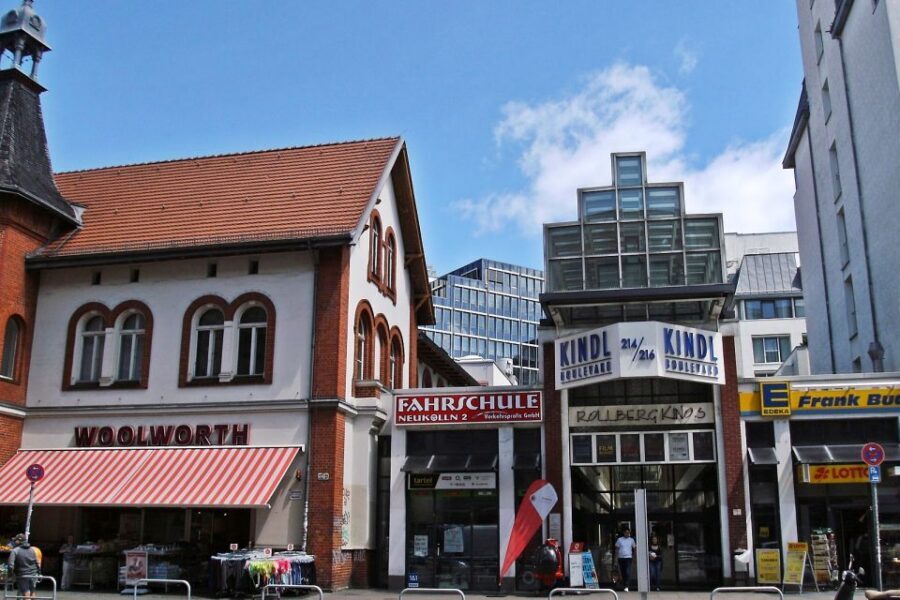
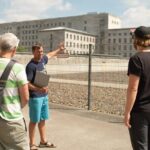
You meet at Hermannstraße 221 in 12049 Berlin, in Neukölln. That location matters because you’re starting in an area where older residential fabric and newer-day street life sit side by side. From the first minutes, the walk nudges you to watch rather than just listen.
I like that the pace is built for orientation. You’re not trying to sprint between landmarks; instead, you get to pick up how the neighborhoods feel as you move, including the tree-lined street rhythm in Schillerkiez and the more story-driven passages when you transition toward Rollberg.
A good mindset for this tour: keep your eyes up at street features and down at everyday details—shopfronts, sidewalks, and the overall “built for living” vibe. That’s where the tour’s neighborhood history starts to make sense fast.
You can also read our reviews of more walking tours in Berlin



Schillerkiez origins: early 1900s housing and the Tempelhofer Feld turning point
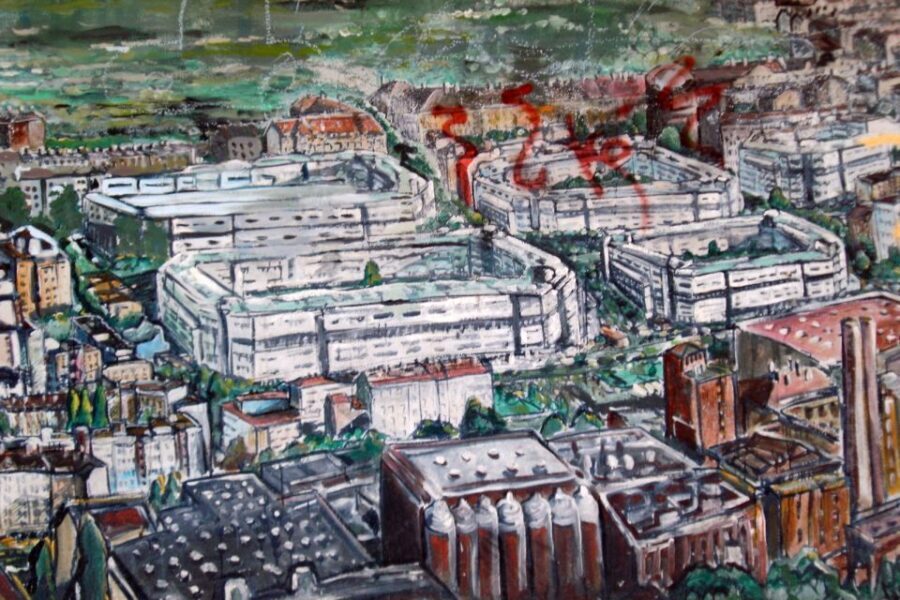
Schillerkiez starts with an idea: this district was built as a residential area at the beginning of the 20th century. The tour explains that origin clearly, and then it shows how the nearby Tempelhofer Feld airport changed the area’s direction—both when it opened and when it closed.
For you, the value here is that it’s not just a timeline. You’ll understand why a neighborhood’s identity can shift when large transport infrastructure shows up, and why it doesn’t vanish cleanly when the airport era ends. Berlin often feels like layers, and Schillerkiez is a good example of how those layers affect everyday streets.
As you walk, pay attention to how the tour ties those big changes back to ordinary life—where people likely spent time, how the built environment supports daily routines, and why certain street patterns matter. It’s the kind of historical context that helps you read the neighborhood even after the guide moves on.
Tree-lined streets, cafés, and the Schiller Promenade angle
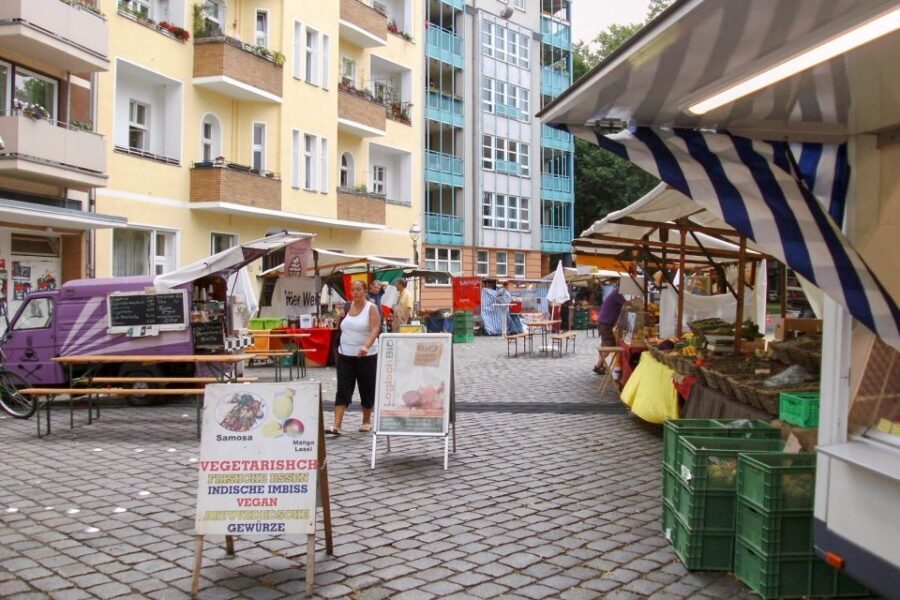
One of the most pleasant parts of the walk is how Schillerkiez is described through its street life. You’ll stroll along tree-lined streets where there are plenty of restaurants and cafés, and you’ll get a sense of the neighborhood’s character beyond a few photos.
Then comes the Schiller Promenade thread. The tour connects the area to famous residents tied to the Schiller Promenade, which helps you connect names you might have heard before to actual places you can see. Even if you don’t know much about Berlin’s local history, this portion gives you a way to place those references.
Here’s the practical takeaway: you’ll start noticing that Berlin neighborhoods often hold their meaning in public space. When the tour points you toward promenades and local hangouts, it’s training you to look for the “social geography” of a district—the places where people naturally gather.
The Neukölln view of Tempelhofer Feld: a big space with a shifting story
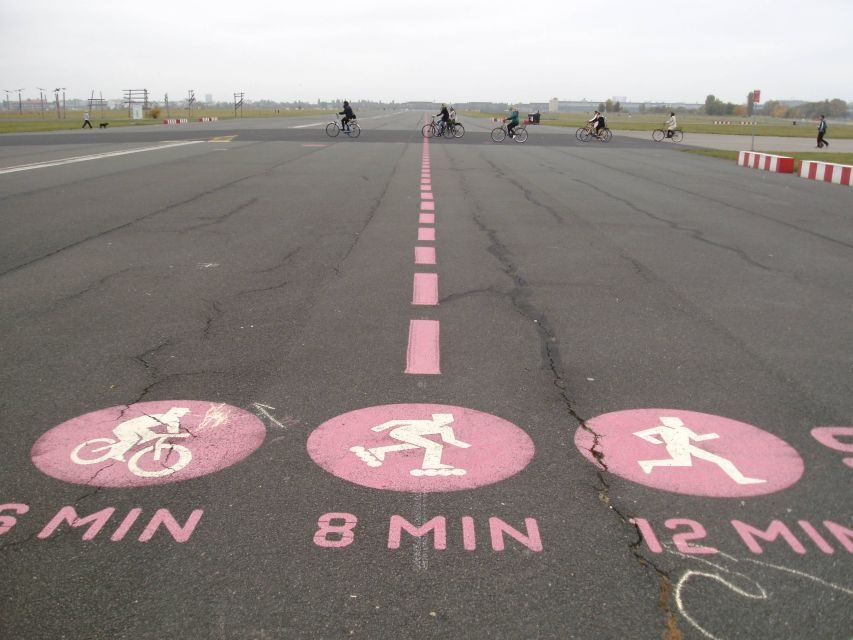
You’ll see the giant Tempelhofer Feld from the Neukölln point of view, and it changes how the area clicks. Tempelhofer Feld is the kind of place that can feel abstract from a distance, but standing where the tour brings you helps you understand it as a neighborhood-shaped presence.
This segment also ties back to the airport story from the Schillerkiez part. The guide helps you connect the dots between how aviation-era decisions affected the district and how the huge open space became something else over time.
If you’re a “look first, learn second” kind of person, this stop is a win. You’re not only told what happened; you’re given a viewpoint that makes you ask better questions while you’re there—like what a massive open field does to movement, mood, and the way people plan their days.
Transitioning to Rollberg: reputation changes you can sense on the streets
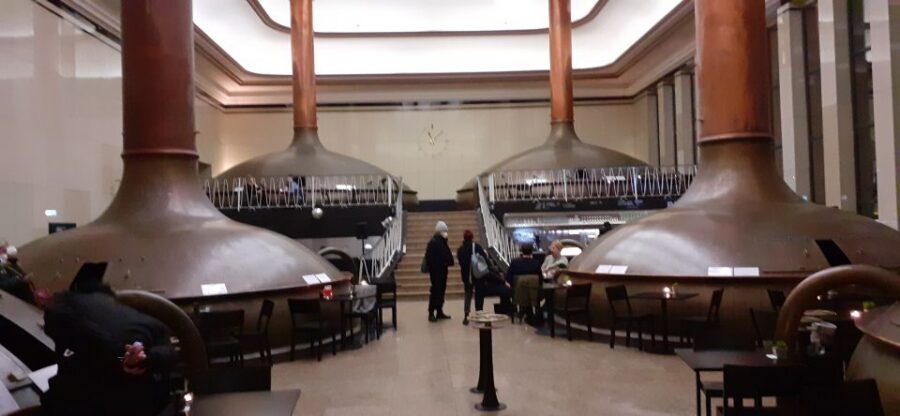
After Schillerkiez, you shift into Rollberg. This is where the tour leans into changing reputation, and you’ll hear how perceptions of the district have shifted in recent years.
The useful part is that this isn’t presented as a simple good/bad story. Instead, you get context for why a neighborhood’s image can move around over time—how external forces and internal developments can reshape what people think they know.
As you walk, notice how the tour frames the district’s stories as connected to place, not just headlines. That approach is especially valuable in Berlin, where districts can have complicated histories that get flattened by quick labels.
If you’re worried about walking into a “politics lecture,” don’t be. The tour keeps a neighborhood focus, using stories and named references to make the reputation shifts understandable in human terms.




Captain from Köpenick in Rollberg: why one story keeps showing up
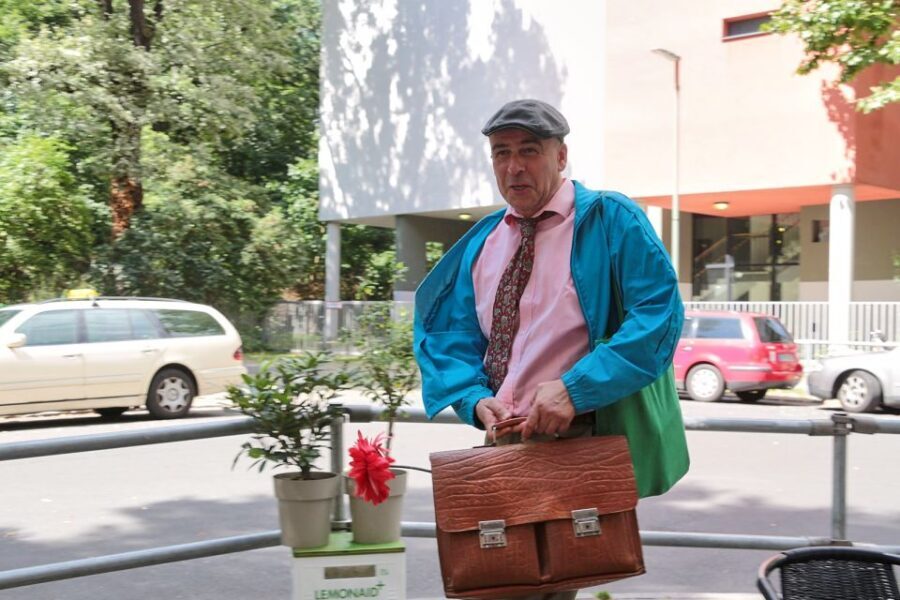
Rollberg’s story includes a strong connection to the Captain from Köpenick. The guide explains what the captain had to do with the Rollberg district, and it becomes a way to understand the area through a narrative hook, not only through dates.
That’s a smart choice for you because it turns history into something you can follow while walking. Instead of memorizing disconnected facts, you’re tracking one story as it relates to a specific place and reputation.
This portion is also where Reinhold Steinle’s style really shines—passionate delivery with the right amount of detail. People often remember a guide’s tone as much as the facts, and in this case the delivery is part of why the story lands.
The guide’s wrap-up: written summary plus tips for what’s next
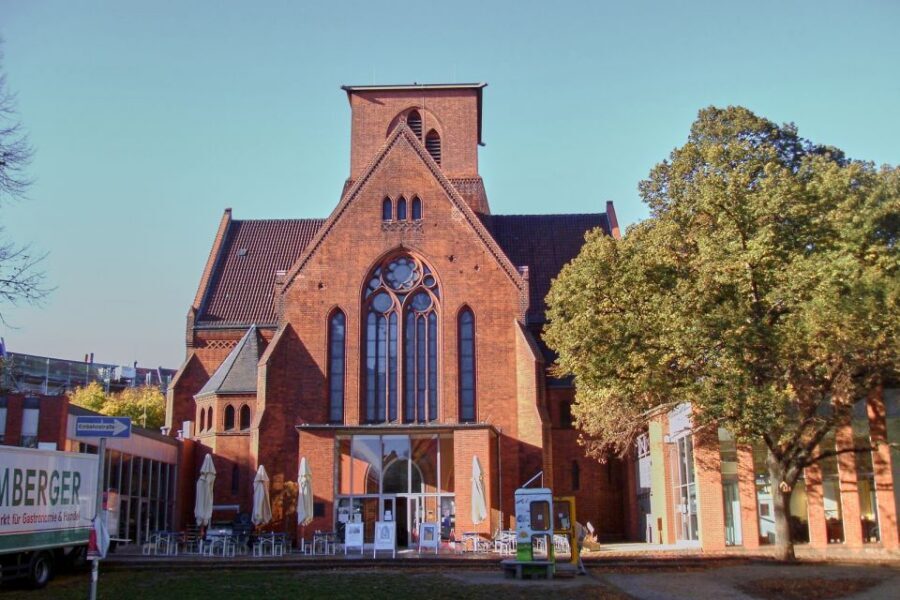
At the end, you get a written summary of the most important content. I love this format because it gives your brain somewhere to put the threads right away—especially in a 90-minute walk where you’re picking up a lot of context quickly.
You’ll also receive tips from the guide for further ventures and places worth seeing. This matters because a tour like this doesn’t just want you to learn; it wants you to keep exploring the neighborhoods with better eyes.
One thing that stands out from past experiences with this tour: Reinhold Steinle isn’t just reciting information. The feedback emphasizes that he’s personable, friendly, and brings personal insight from time spent living in the area. That kind of local familiarity makes a big difference in how the stories feel—more lived-in, less performative.
If you like to turn a short walk into a longer day, ask yourself one question: what would you revisit with a “second look” after the tour? The written summary helps you choose.
Price and value: $70 per group (up to 6) for 90 minutes
The price is $70 per group, up to 6 people, for a 90-minute private tour. That pricing structure can be a great value if you’re traveling with a small group that can fill those seats. In other words: it’s often worth it when you’re not solo and you want a guide who can steer the focus toward what you care about.
It can be less of a bargain if you’re one person, because $70 for one traveler still buys you a private experience, but the per-person math won’t feel as flexible. Still, if German language and a neighborhood-specific focus are exactly what you want, the private format is a fair trade for fewer distractions and more direct answers.
Also, this tour includes more than a conversation. You get the guide, the written summary, and guide tips for follow-up exploring. That “takeaway” value is real—especially when you want to remember what you learned after the novelty fades.
Who this tour is best for (and who should skip it)
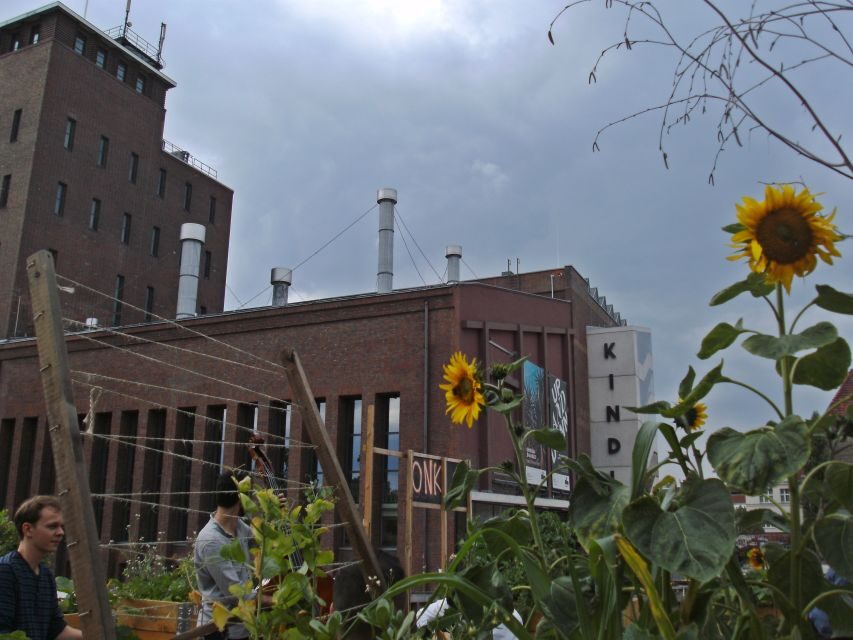
This is ideal if you want a neighborhood-focused Berlin walk that blends street impressions with specific stories. You’ll enjoy it if you like learning through place—watching how districts evolve and why that evolution shows up on the ground.
You’ll also like it if you’re curious about Tempelhofer Feld but want context tied to nearby streets, not just a standalone landmark. The Schillerkiez-to-Rollberg contrast is strong, and it’s the kind of structure that helps your understanding “stick.”
Skip it if you can’t do walking tours comfortably or if German isn’t workable for you. It’s also not suitable for people with mobility impairments, based on the tour’s stated limitations.
Should you book the Schillerkiez and Rollberg walking tour?
I’d book this if you want a short, concentrated way to understand two very different sides of Neukölln—without rushing through Berlin’s biggest sights. The combination of Tempelhofer Feld viewpoints, Schiller Promenade connections, and the Captain from Köpenick story gives you multiple entry points, so the tour doesn’t rely on one theme alone.
I’d also book it because the delivery seems to matter here. Reinhold Steinle gets highlighted for passion, detail, friendliness, and a personal touch, and that’s exactly what makes a neighborhood walk feel like more than information.
If you only want English or you need a mobility-friendly route, then don’t force it. Look for another option that matches your needs. For everyone else, this is a solid, practical way to see Berlin as lived-in geography, not just a list of stops.
FAQ
How long is the Berlin Schillerkiez and Rollberg walking tour?
The tour lasts 90 minutes.
What is the price, and is it private?
It costs $70 per group up to 6 people, and it’s a private group tour.
Where do I meet the guide?
The meeting point is Hermannstraße 221, 12049 Berlin, Neukölln.
What language is the guide?
The live tour guide speaks German.
What’s included in the tour?
The tour includes a guide, a written summary of the most important content at the end, and tips from the guide for further ventures and places worth seeing.
Is food or drink included?
No. Food and drink are not included.
Is the tour suitable for people with mobility impairments?
No, it is not suitable for people with mobility impairments.