REVIEW · BERLIN
Berlin: Private Guided Sightseeing Tours with Funbikes
Book on GetYourGuide →Operated by Funbike-Berlin · Bookable on GetYourGuide
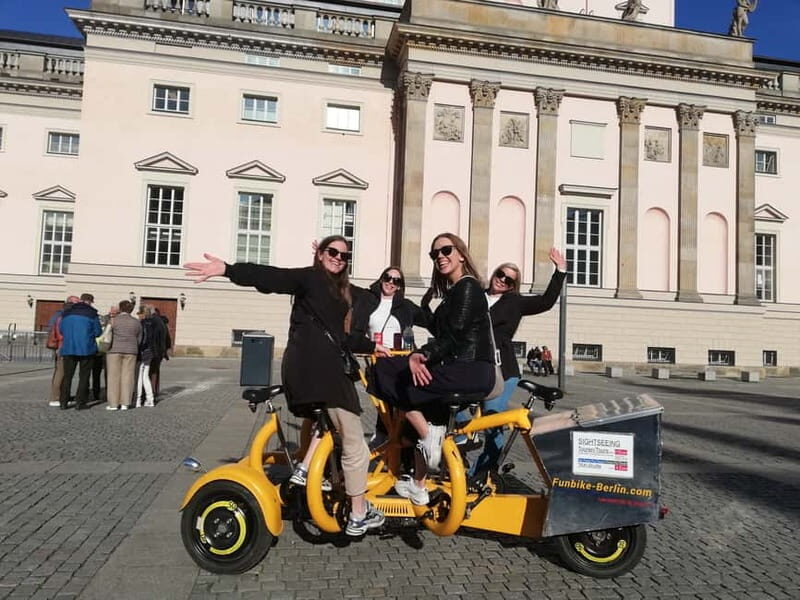
Berlin on multi-person bikes sounds like a cheat code. You get a private guide, big sights, and the freedom to pause for photos without herding through crowds. This one starts right by the Brandenburg Gate and strings together the city’s headline history and postcard architecture with an easy, electric-assist ride.
The big win for me is the private setup: you’re on your own group plan, and the guide can adjust the route to match your interests. Second, the seven-seater Fun Bikes/Team Bikes with e-motor help keep the experience fun even if the pace has to slow for stops, crossings, and photo moments. One thing to think about: this isn’t a good match for people with back problems, since you’ll be seated on the bikes for stretches even with the motor assistance.
In This Review
- Key Things to Know Before You Book
- Fun Bikes with E-Motor Assistance: The Ride Style That Changes the Whole Tour
- Meeting at Pariser Platz and Getting Oriented Fast
- Brandenburg Gate to Reichstag: Iconic Berlin, Then the Government Story
- Tiergarten and Soviet War Memorial: A Quick Reset in the Green
- Holocaust Memorial: Short Time on Wheels, Real Attention on Foot
- Hitler’s Bunker Area and Potsdamer Platz: History Takes a Hard Turn
- German Spy Museum and Topography of Terror: Cold War Stories You Can Actually Place
- Berlin Wall to Checkpoint Charlie: How the Tour Keeps It From Feeling Like a Checklist
- Gendarmenmarkt, Bebelplatz, and the Book Burning Memory
- Neue Wache, Museum Island, and Berlin Cathedral: Culture Stop, Then Cathedral Views
- Berlin Palace Courtyard and Back to Unter den Linden: A Reunified City Feeling
- Alexanderplatz to the TV Tower Area: Modern Berlin Signals in One Stretch
- Price and Value: What $188 Covers for a Private Group
- Tour Fit: Who This Private Fun Bike Ride Is Best For
- Should You Book This Fun Bike Private Tour?
- FAQ
- Where does the tour start?
- How long is the tour?
- How big is the group and what is the price?
- What languages are offered?
- Are the bikes electric?
- Is the tour suitable for everyone?
Key Things to Know Before You Book
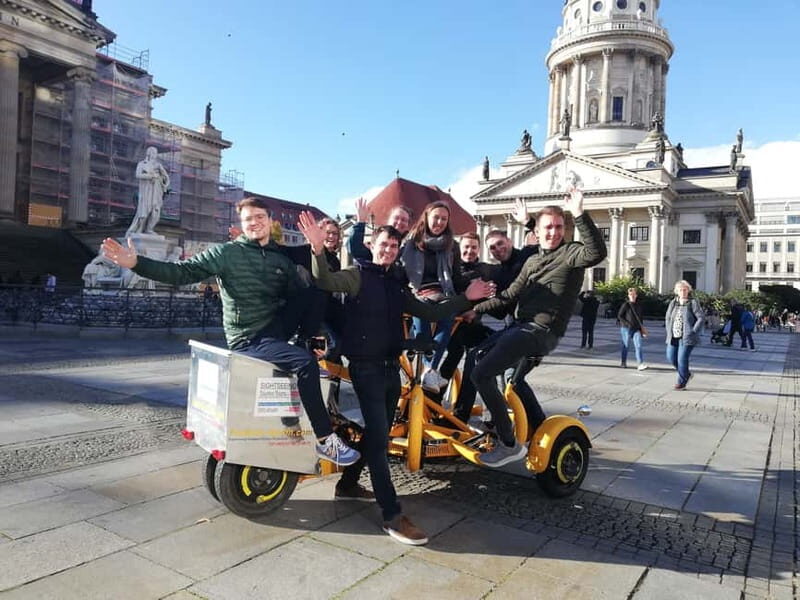
- Seven-seater Fun Bikes with e-motor assistance make longer sightseeing doable without turning it into a workout.
- Private guide in English, German, French, Portuguese, or Spanish helps you go deeper than cookie-cutter captions.
- Foto service included, plus scheduled photo stops and short breaks.
- A tight, memorable route that hits the Holocaust Memorial, Topography of Terror, Berlin Wall sites, and Museum Island.
- Guided visits at a few key memorial/history stops, not just quick pass-bys.
- No heavy rain days: the tour won’t run in heavy rain.
Fun Bikes with E-Motor Assistance: The Ride Style That Changes the Whole Tour
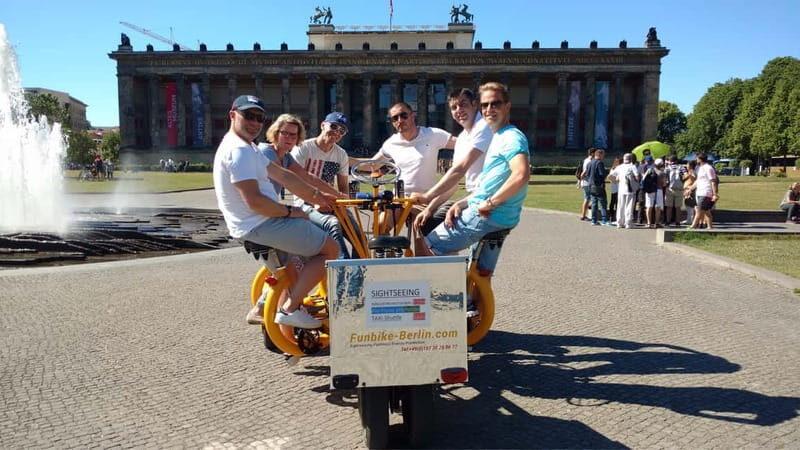
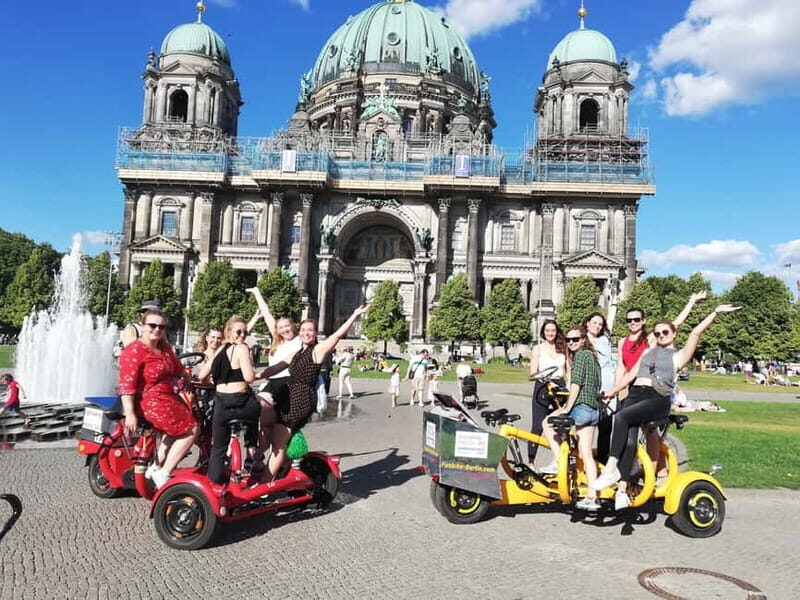
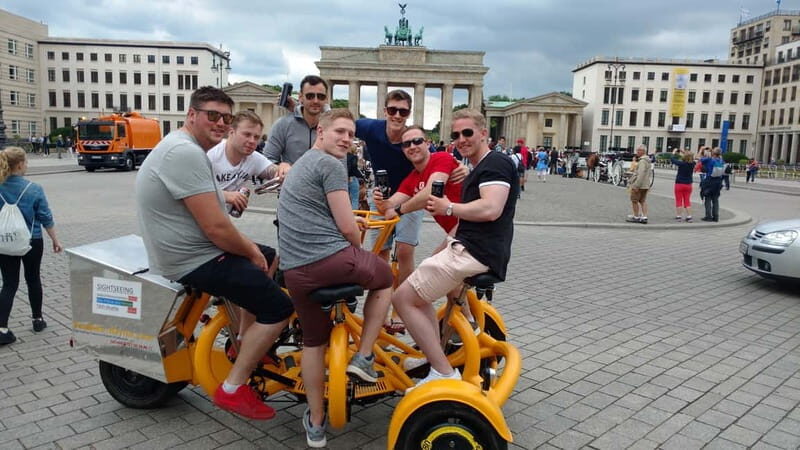
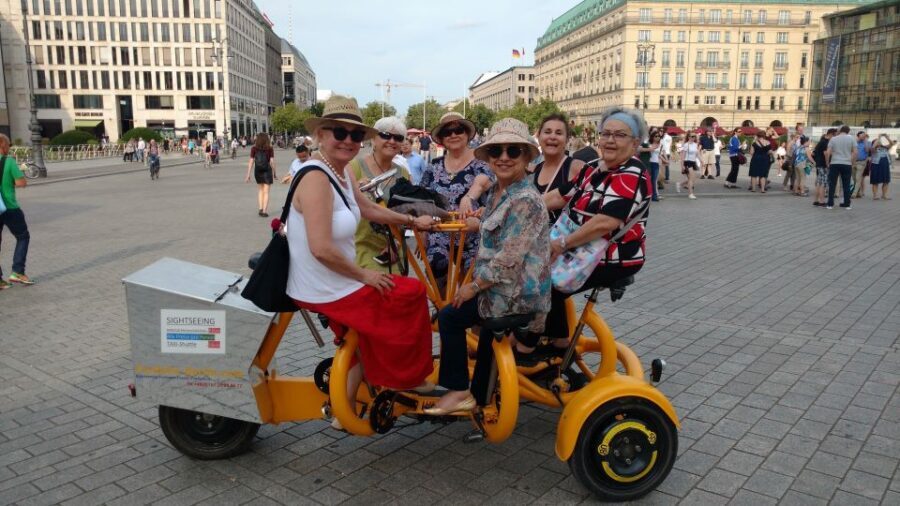
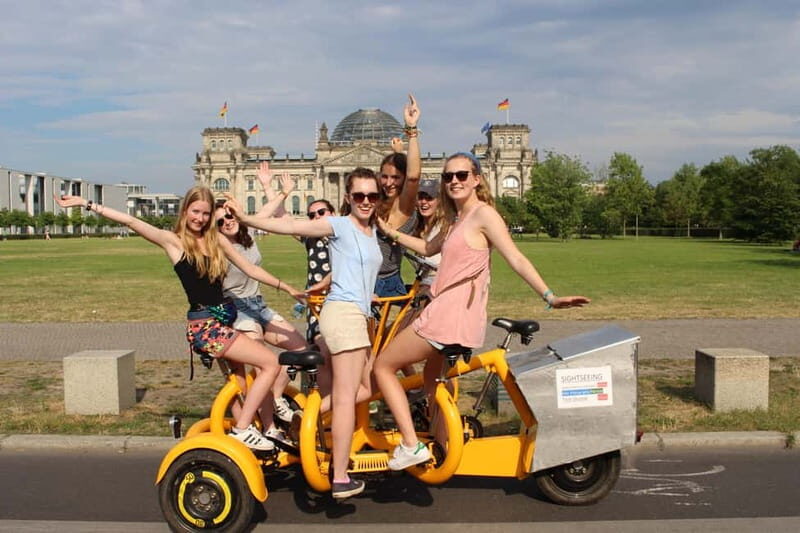
This experience is built around multi-person bikes—think seven-seater configurations—powered with an electric motor assist. That matters because Berlin sightseeing often means lots of stop-and-go walking. Here, you stay on the move while still getting guided context and frequent pauses.
Practically, you’ll be able to handle the route even if you’re not an athlete. The bikes work well for families and teens too, because there’s something playful about rolling up to monuments rather than standing in line. If your group has a mix of ages and comfort levels, the e-motor takes the pressure off the least-confident riders.
Safety briefing comes first, then you head out. You should expect a guided rhythm: ride a bit, stop for a point of interest, listen, take photos, then ride again. It’s the kind of pacing that keeps attention from drifting—especially during the more serious memorial sections later on.
You can also read our reviews of more guided tours in Berlin


Meeting at Pariser Platz and Getting Oriented Fast
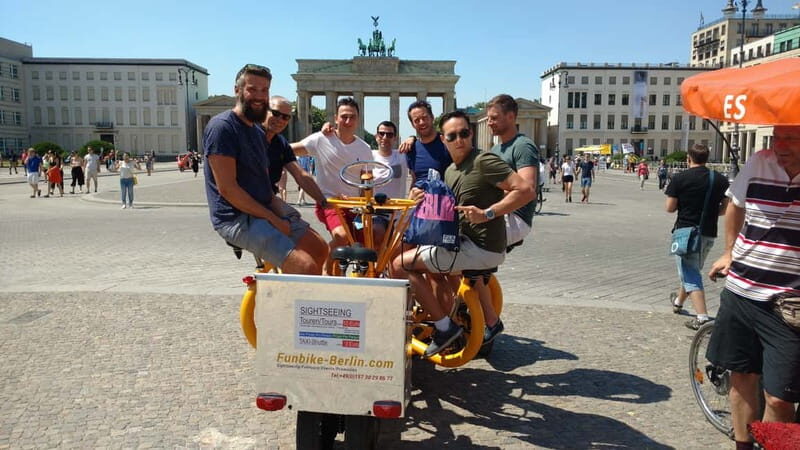
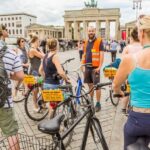
You start at Pariser Platz 4A, right by the French embassy area near Brandenburg Gate. The official meet point is in front of the Starbucks Cafe at Paris Square, beside the Brandenburg Gate. In other words: you’re not searching for a secret door in a side street.
Pariser Platz is a strong first stop because it’s an easy “Berlin orientation” spot. You get a photo pause right away and a quick safety kickoff, then the guide brings the story into focus as you move toward the Brandenburg Gate.
If you like tours that help you understand where things sit on the map, this start is useful. Brandenburg Gate isn’t just an iconic photo—it’s also the gateway into how Germany’s modern capital tells its story: reunification, war memory, government, and the city’s changing identity.
Brandenburg Gate to Reichstag: Iconic Berlin, Then the Government Story
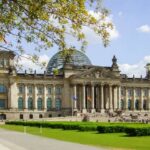
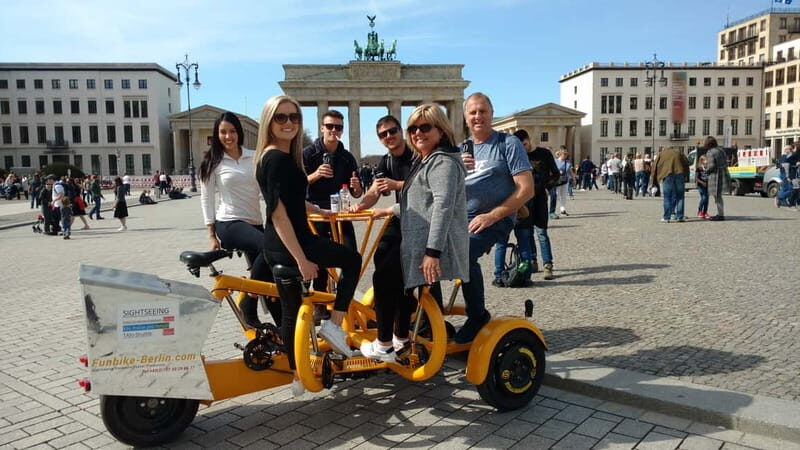
Right after Pariser Platz, you hit Brandenburg Gate for another photo stop and guided viewing. After that comes the Reichstag Building area. You’ll get a short stop to look around, then keep rolling with guided notes as you transition into Berlin’s park-and-memorial zone.
Why this segment works: the tour uses these landmarks as stepping stones. You’re not just seeing big-name buildings—you’re getting the “why it matters” behind them early, before the route turns more heavy and political.
There’s also a good chance your guide will steer the pace around your group’s needs. In past tours, guides such as Olaf have adjusted the route based on what people want to see, which is a plus if you care more about history detail or prefer a faster flow of photos and viewpoints.
Tiergarten and Soviet War Memorial: A Quick Reset in the Green
After the Reichstag area, you cycle through parts of Tiergarten. You also pass the Soviet War Memorial in Tiergarten. This is a calmer stretch compared with what comes next, and it’s a smart placement in the itinerary.
You’ll be riding through a space that feels like a break from the urban churn, but the guide keeps history in the frame. For many visitors, the memorials in Berlin can feel overwhelming if they hit all at once. This segment helps space things out.
You also get an “on the ground” feel for how Berlin is layered: government district, memorials, then the city grid that leads you into Cold War landmarks.
Holocaust Memorial: Short Time on Wheels, Real Attention on Foot
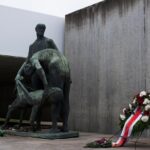
Next is the Holocaust Memorial area. Expect a longer break here—there’s time for a visit and guided context, not just a quick photo.
This is one of those moments where you’ll feel the difference between a sightseeing ride and a history-focused tour. The bikes keep you moving between stops, but the guide’s job is to slow your brain down so you take the memorial seriously rather than treating it as a backdrop.
Photo stops happen, and you’ll have time on site (listed as a short window), which is enough to orient yourself and absorb what the memorial is trying to communicate. The key practical tip: wear comfortable shoes and don’t rush your own walk through the memorial grounds—this is the stop you’ll remember most clearly later.
You can also read our reviews of more private tours in Berlin


Hitler’s Bunker Area and Potsdamer Platz: History Takes a Hard Turn
From the Holocaust Memorial, you continue toward Hitler’s Bunker area. This is another heavy stop, and the guided explanation is the main point—you won’t want to treat it like an amusement-park “dark tourism” moment.
Then the tour moves toward Potsdamer Platz, one of Berlin’s most modern-feeling public squares. That contrast is part of the value here. You go from Nazi-era memory to a lively city node built around movement and redevelopment. It helps you understand how Berlin physically rebuilt itself after the darkest parts of its past.
German Spy Museum and Topography of Terror: Cold War Stories You Can Actually Place
After Potsdamer Platz, you stop near the German Spy Museum area for a photo pause and guided notes, then you reach Topography of Terror.
At Topography of Terror, there’s time listed for a break, photo stop, and a visit, plus walk-and-bike transitions. This is one of the segments where you’ll likely feel glad the tour is private: you can pause for the exact kind of detail you care about, rather than accepting whatever pace the group has to follow.
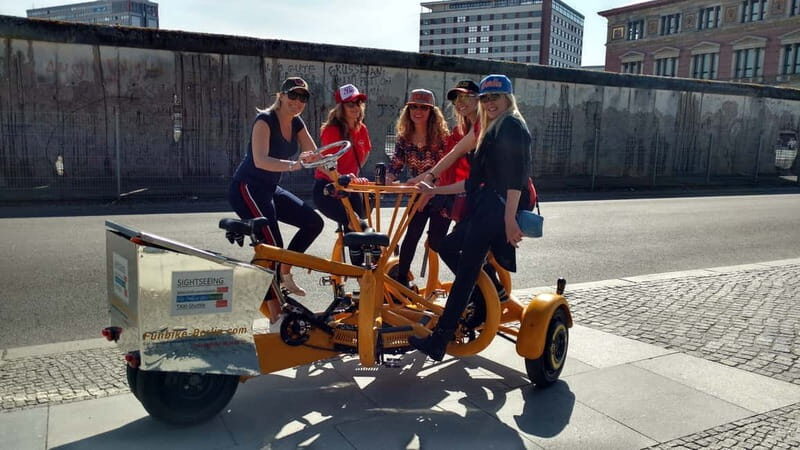
Finally, you hit the Berlin Wall stop and Checkpoint Charlie later. These are some of the most photographed places in the city, but the guide’s job is to make them meaningful by tying them to the broader Cold War reality. The visit stops give you a better sense of place than just seeing markers from the street.
For many groups, this is also the section where the e-motor bikes feel like a smart idea. Walking between sites in this area can be tiring, and cycling keeps the itinerary moving while still allowing time to stop and look.
Berlin Wall to Checkpoint Charlie: How the Tour Keeps It From Feeling Like a Checklist
After Topography of Terror, you’ll do photo stops and guided narration connected to the Berlin Wall, then move on to Checkpoint Charlie with another break and a visit.
Here’s what makes this “on a bike” approach work: Berlin’s history sites are spread out enough that a pure walking route can turn into constant transit. The Fun Bikes keep your legs from feeling like the limiting factor, so you can stay mentally present.
At Checkpoint Charlie, you should expect more than a quick look. Time is planned for a visit window, plus guided orientation. That’s the difference between taking pictures and actually understanding why the location matters.
Gendarmenmarkt, Bebelplatz, and the Book Burning Memory
Next up is Gendarmenmarkt. It’s a visual palate-cleanser after the heavier sites—symmetry, classical facades, and a square that feels made for standing still and looking up.
Then the tour heads to Bebelplatz, with an included stop linked to the May 10, 1933 Nazi book burning memorial. This stop tends to hit hard in a quieter way. It’s not just a monument—it’s a reminder of how culture and knowledge were targeted.
Practical note: at this stage, you’ll probably want your guide’s pace to match your group’s mood. Some people want quick context, others want slower explanation. Because it’s private, your guide can usually calibrate—especially guides like Rick, who have been described as adapting clearly to the audience.
Neue Wache, Museum Island, and Berlin Cathedral: Culture Stop, Then Cathedral Views
After Bebelplatz comes Neue Wache. You get guided sightseeing and a visit component. This part keeps the history thread, but shifts it toward how the city remembers war and suffering in public spaces.
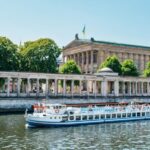
Then you move into Museum Island and the surrounding area, including viewpoints/photo stops around major museums like Pergamon Museum, Neues Museum, Alte Nationalgalerie, and Altes Museum. The tour keeps you cycling through the area rather than locking you into one long museum interior day.
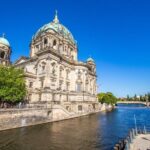
You’ll also stop at Lustgarten and the Berlin Cathedral area (including a photo stop). For many visitors, this is where Berlin’s “grand civic” feeling shows up most clearly. The guide’s narrative helps you connect the monumental buildings to the city’s identity rather than treating them like separate attractions.
Berlin Palace Courtyard and Back to Unter den Linden: A Reunified City Feeling
One of the more unique moments is the planned stop at the inner courtyard of the recently rebuilt Berlin City Palace. You get a visit there, not just a front-facade view.
This is a good “why it matters” stop. Berlin keeps rebuilding itself, and the palace courtyard is one of the places where you can see that ambition in architectural form. Even if you don’t care about palace politics, it’s a striking setting for photos and reflection.
From there, you head back along Unter den Linden, with guided sightseeing and bike tour time, plus multiple photo stops as you trace the grand boulevard back toward the finish at Brandenburg Gate. You’ll also pass by famous hospitality and city-facing points—like the area around Hotel Adlon Kempinski Berlin—giving you a sense of the modern Berlin vibe layered over the historic one.
Alexanderplatz to the TV Tower Area: Modern Berlin Signals in One Stretch
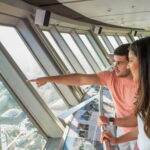
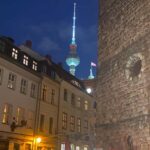
The later part of the route includes Alexanderplatz, TV Tower Berlin, Rotes Rathaus, and Neptunbrunnen. This is where Berlin shifts from monumental museum grounds to a more everyday city center feel.
Why it’s included: you see the whole capital in one loop. If your mental Berlin is all memorials and palaces, this portion adds balance. It shows you where people actually live their day-to-day lives—plus the iconic skyline elements you’ll want photos of.
It’s also efficient. Instead of forcing you to plan multiple separate trips, the bike route strings these targets into one guided circuit.
Price and Value: What $188 Covers for a Private Group
The price is listed at $188 per group up to 6 for 1–2 hours. That’s not “cheap,” but it can be good value if you’re paying as a group rather than per person.
Here’s the math in plain terms: split across up to six people, it can feel like a fair premium for the private guide, included photo stops, and the e-motor bikes doing the heavy lifting. It’s especially worth it if you’ve got teens or mixed mobility levels who still want to hit many landmarks without exhausting walking.
You also get convenience built into the experience: foto service during the tour is included, and the guide is guiding in multiple languages. That means you’re paying for time and access to a planned route—not just transportation.
One extra note: cold drinks are offered, but those are additional costs. If you care about budgeting, plan on bringing water on long days, or expect to add the optional drinks cost.
Tour Fit: Who This Private Fun Bike Ride Is Best For
This tour makes a lot of sense for:
- Families with teens who want history but also want the fun of riding
- Small groups who’d rather talk with one guide instead of joining a big crowd
- People who like photo stops and short visits more than long museum hours
- Anyone who wants a one-session Berlin highlights circuit with serious memorial time included
It’s not ideal for:
- People with back problems, since you’ll be seated on the bikes for parts of the route
- Anyone expecting it to run in heavy rain (it won’t)
Should You Book This Fun Bike Private Tour?
I’d book it if your goal is a high-impact Berlin highlights loop with a private guide and easy cycling support. The itinerary hits the biggest headline sites—Brandenburg Gate, Holocaust Memorial, Topography of Terror, Berlin Wall area, Checkpoint Charlie, Museum Island, and Unter den Linden—without requiring you to stitch together multiple taxi days or walking-only legs.
I’d think twice if you or your group is sensitive to memorial-heavy pacing or you need long, slow museum time. Also, choose your timing carefully—Berlin weather can change fast, and this ride won’t run in heavy rain.
If you want a guide who can tailor things to your group, this is one of the better formats. Guides like Olaf have been noted for adjusting the route to interests, and Rick has been described as clearly adapting to the audience. That flexibility is where this kind of private tour shines.
FAQ
Where does the tour start?
Meet in front of the Starbucks Cafe at Paris Square, beside the Brandenburg Gate. The starting location is listed as Pariser Platz 4A.
How long is the tour?
The duration is listed as 1–2 hours.
How big is the group and what is the price?
It’s priced at $188 per group up to 6 people.
What languages are offered?
The live tour guide is listed as available in English, German, French, Portuguese, and Spanish.
Are the bikes electric?
Yes. The bikes are multi-person Fun Bikes/Team Bikes with electric motor assistance.
Is the tour suitable for everyone?
It’s not suitable for people with back problems, and the tour will not take place while heavy rain. Pets are not allowed (assistance dogs are allowed).