REVIEW · BERLIN
Berlin: Deutsches Technikmuseum Entry Ticket
Book on GetYourGuide →Operated by Deutsches Technikmuseum in Berlin · Bookable on GetYourGuide
Technology that you can actually see.
If you like machines, this ticket gives you two sides of Berlin science in one day: the Deutsches Technikmuseum and the Science Center Spectrum next door. I like how the exhibits move from big, awe-filling objects (aircraft, trains, ships) to hands-on stuff that lets you poke the concept with your own hands.
Two things I really like here are the aviation displays (about 40 airplanes, from early breakthroughs to wartime lows) and the live demonstrations (printing, papermaking, blacksmith work) that make older tech feel real. One drawback to plan around: the museum park plus the Spectrum can easily stretch your day, so if you’re the type who needs to see everything, 1 day may feel tight.
In This Review
- Key Highlights I’d Prioritize
- Why This Berlin Tech Combo Feels Like a Full Day
- First Stop: Orienting Yourself With the Candy Bomber
- German Aviation With About 40 Planes: Progress, Then the Hard Part
- Railways Evolution: Steam Power to Systems Thinking
- Seafaring History and Nautical Instruments: The Quiet Power of Navigation
- Zuse and Technical Networking: When Computing Becomes Human-Scale
- Live Demonstrations With Printing, Papermaking, and Blacksmithing
- The Museum Park: Windmill, Forge, Pond, and Breathing Room
- Spectrum Science Center: More Than 150 Experiments for Your Hands
- Timing and Ticket Value: How to Not Feel Rushed in One Day
- Who This Berlin Tech Day Fits Best
- Should You Book This Deutsches Technikmuseum + Spectrum Ticket?
- FAQ
- What’s included in the Berlin Deutsches Technikmuseum ticket?
- How long is the ticket valid?
- Can I cancel for a refund?
- Is reserve now, pay later available?
- Are pets or flash photography allowed?
- Is the Science Center Spectrum fully accessible?
Key Highlights I’d Prioritize
- The Candy Bomber on the roof: a Berlin Airlift landmark you’ll recognize from far away.
- Air power with context: around 40 airplanes tracing progress and decline.
- Railway variety: an evolution of rail travel with a standout collection of trains.
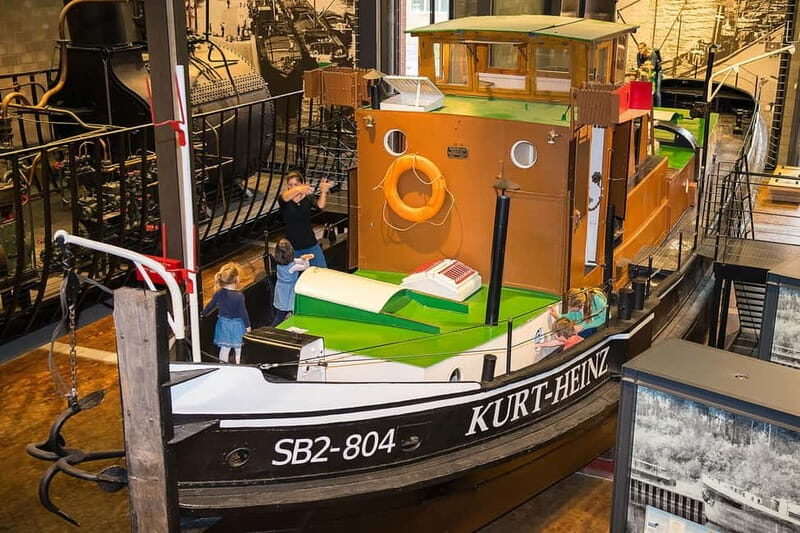
- Ships and navigation gear: nautical instruments alongside maritime history.
- Hands-on at Spectrum: more than 150 experiments next door.
Why This Berlin Tech Combo Feels Like a Full Day
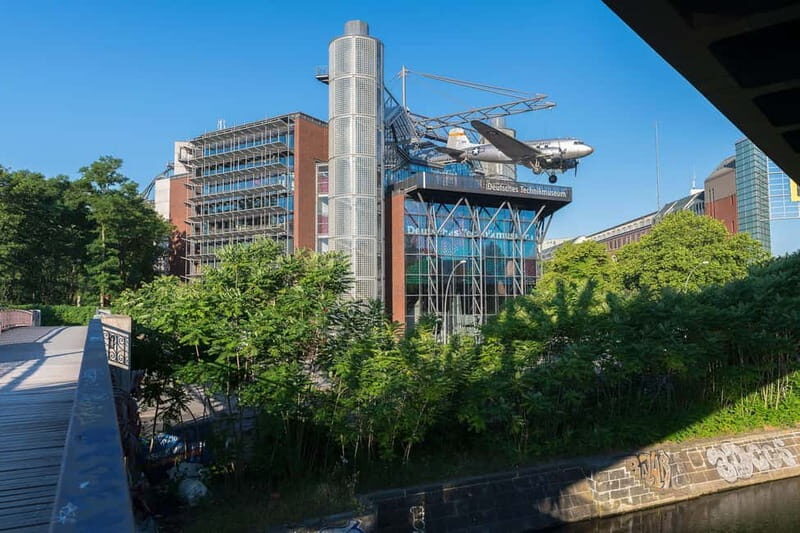
The Deutsches Technikmuseum is big—about 28,500 square meters—so you get the sense you’re walking through the story of how people built the modern world. It’s not just one theme wall. You’re bouncing between aviation, railways, seafaring, and computing, with interactive stops that keep it from feeling like a slow museum slog.
What makes the day work for you is the pairing with the Science Center Spectrum. One ticket covers both sites on the same booked day, so you can split your time between historical machines and hands-on experiments without needing separate tickets or planning a second day.
At about $14, the value comes from volume. You’re paying for access to multiple permanent exhibitions across the museum plus the Spectrum’s high-number experiment spaces, which is a great deal for a single-day pass—especially if you like practical, science-forward attractions.
A few more Berlin tours and experiences worth a look

First Stop: Orienting Yourself With the Candy Bomber
Before you even dive into galleries, the museum sets the mood from the outside. That Candy Bomber sits on the roof like a giant reminder that technology also served survival in Berlin’s airlift era. Seeing it before you enter helps you read the rest of the exhibits with a little more focus.
Once inside, you’ll want to pick a direction fast. The museum spans 19 permanent exhibitions, plus interactive areas, demos, and the outdoor park. If you try to “wander until it’s all over,” you’ll spend more time retracing steps than enjoying the actual highlights.
A practical approach I recommend: use the first hour to lock in your top theme(s)—planes, trains, or seafaring—then leave room for the Spectrum later. That way you don’t end up chasing everything at the end when your energy is gone.
German Aviation With About 40 Planes: Progress, Then the Hard Part
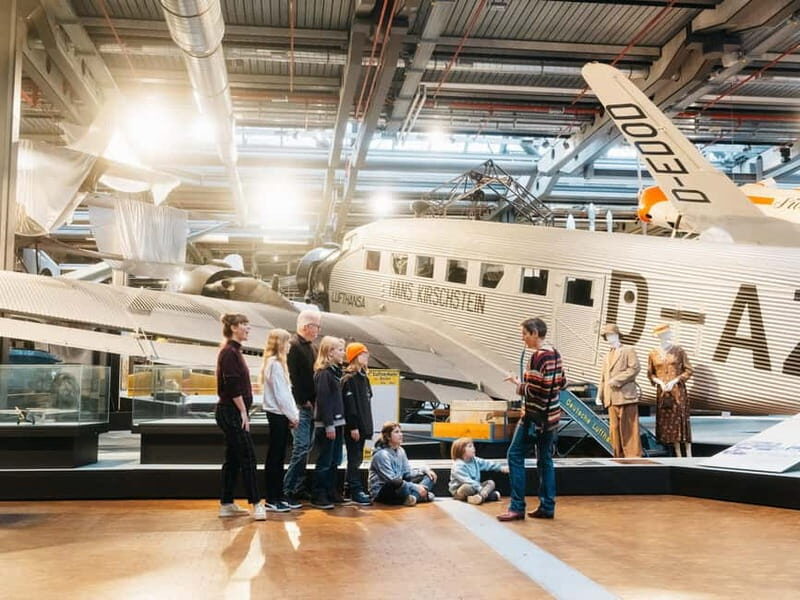
The aviation area is built for people who want both spectacle and context. You’ll find around 40 airplanes, and the story isn’t just chronological glamour. It’s the whole arc: pioneering achievements, then the darker stretch of wartime lows.
Why this matters: aircraft history is a shortcut to how engineering, politics, and human needs collide. You see how design choices aren’t neutral—they’re shaped by goals, constraints, and conflict.
If you’re a casual visitor, don’t worry about memorizing everything. Just pick a few planes that catch you and read the plaque information carefully. If you’re more technical, you can use the comparisons across the aircraft to spot how performance goals changed over time.
Railways Evolution: Steam Power to Systems Thinking

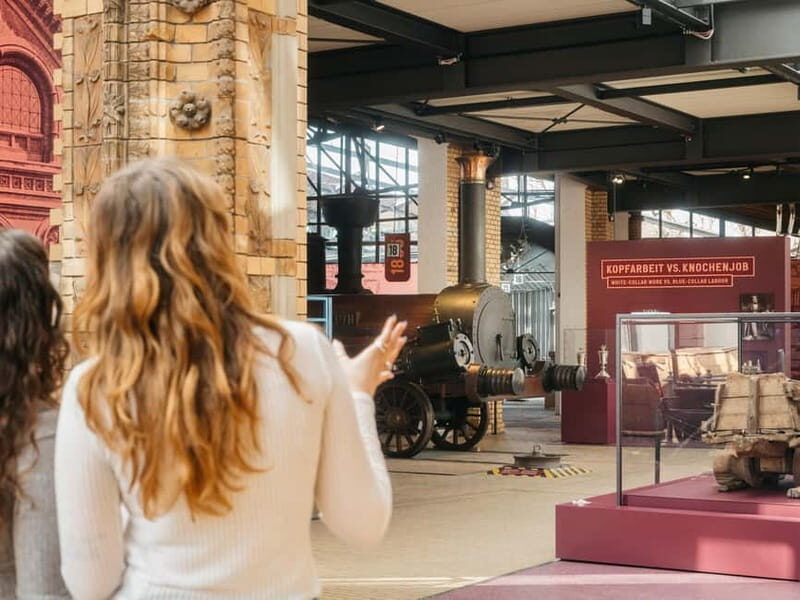
Next, the rail exhibits shift your attention from the sky to the ground. You’ll explore the evolution of railways, with an impressive collection of trains that show how transportation technology changed people’s daily lives and economies.
Even if you’re not a train fanatic, the railway theme helps you understand technology as a system. Tracks, engines, scheduling, and infrastructure don’t work in isolation. The museum’s setup encourages you to think in connections: how one improvement triggers changes elsewhere.
One caution: trains can make you want to slow down and look closer than you planned. That’s great, but it can also steal time from the rest of the museum. If you’re following a packed plan for one day, keep a mental timer and leave yourself space to return later if it’s still your favorite area.
Seafaring History and Nautical Instruments: The Quiet Power of Navigation
Ships and seafaring history give the day a different tempo. Here you’ll see maritime objects along with nautical instruments, which is where the museum gets clever: it shows not only the vehicles, but the tools people used to measure, navigate, and survive.
This section works especially well if you enjoy the practical side of history. Instruments are less flashy than full-size ships, but they often feel more relatable because they’re about decision-making: reading currents, bearings, and conditions.
If you like photography or close-looking, this is an area where you’ll naturally want to pause. And note the rule: flash photography isn’t allowed, so rely on your eyes and normal lighting rather than trying to capture everything in one shot.




Zuse and Technical Networking: When Computing Becomes Human-Scale
One of the museum’s major draws is the connection between technology and everyday systems. You can trace 200 years of technical networking through interactive exhibition areas. Instead of treating invention like isolated genius, it frames technology as something that grows through links—people, machines, and communication.
You’ll also encounter Zuse, highlighted as the world’s first computer. That fact is a conversation starter, even for non-tech visitors. It helps you see why computers aren’t a bolt-from-the-blue invention; they’re the outcome of earlier problem-solving approaches, engineering habits, and the push to calculate faster and more accurately.
If you’re traveling with kids, this kind of stop is a good middle ground: it’s historical, but not purely visual. If you’re traveling solo, it’s a place to slow down and read—especially if you like making meaning out of objects.
Live Demonstrations With Printing, Papermaking, and Blacksmithing
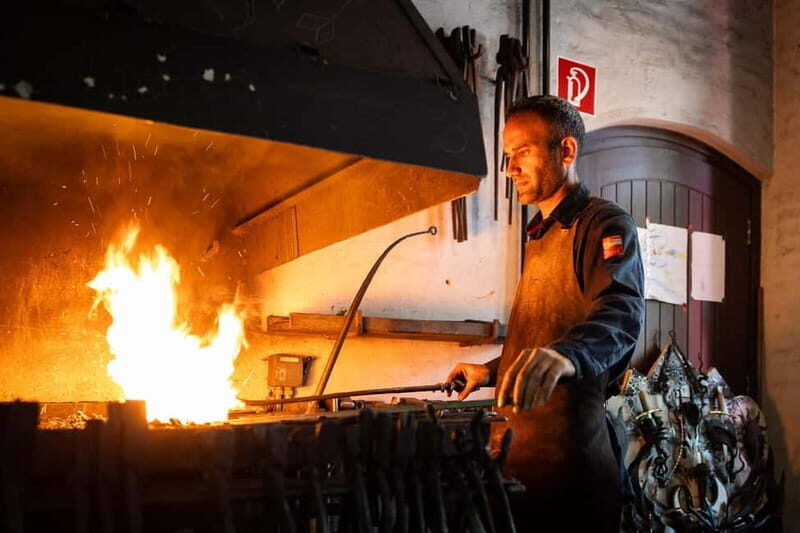
The museum does a smart thing: it doesn’t lock you into the past behind glass. Demonstrators bring old technology to life, including printing, papermaking, and blacksmith work.
This is one of the strongest reasons to choose a museum day here instead of only doing “photo stops.” Watching processes happen makes the exhibits feel more earned. You stop thinking about a nameplate and start thinking about effort, tools, and materials.
Practical tip: plan for these demos by keeping your schedule flexible. If you notice a demonstration running, it’s usually worth reorienting your route. Even if you catch only part of it, the idea of making is the point, and that’s hard to replicate by reading a panel alone.
The Museum Park: Windmill, Forge, Pond, and Breathing Room
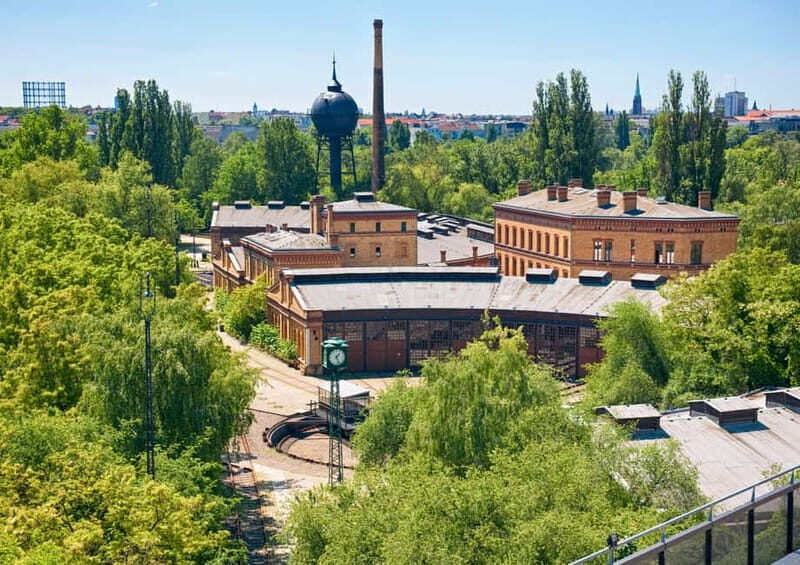
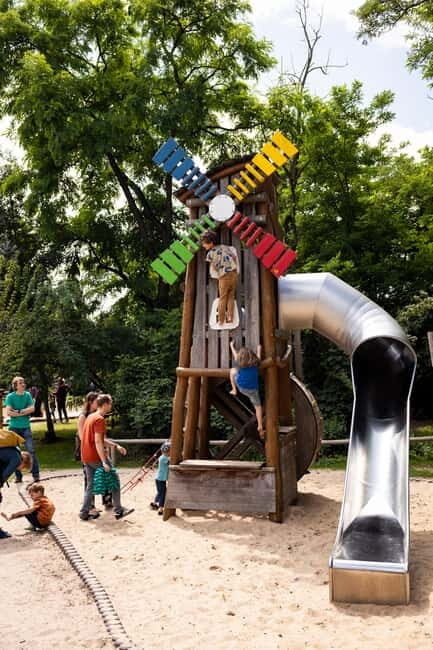
Between indoor galleries, the museum park gives you a reset. You’ll find a windmill, blacksmith’s forge, a pond, and plenty of green space in the heart of Berlin Kreuzberg. It’s not just decoration. It helps you step out of the “technical intensity” and take a break without leaving the property.
This is also where you can pace your day for your own comfort. If you’ve been standing for hours, the outdoor areas help you recover without losing context—especially because the park is tied to the same theme of craft and older technologies.
If the weather is good, you’ll likely spend more time than you planned. That’s not a problem, but keep in mind that Spectrum is next door and needs its share of your energy.
Spectrum Science Center: More Than 150 Experiments for Your Hands
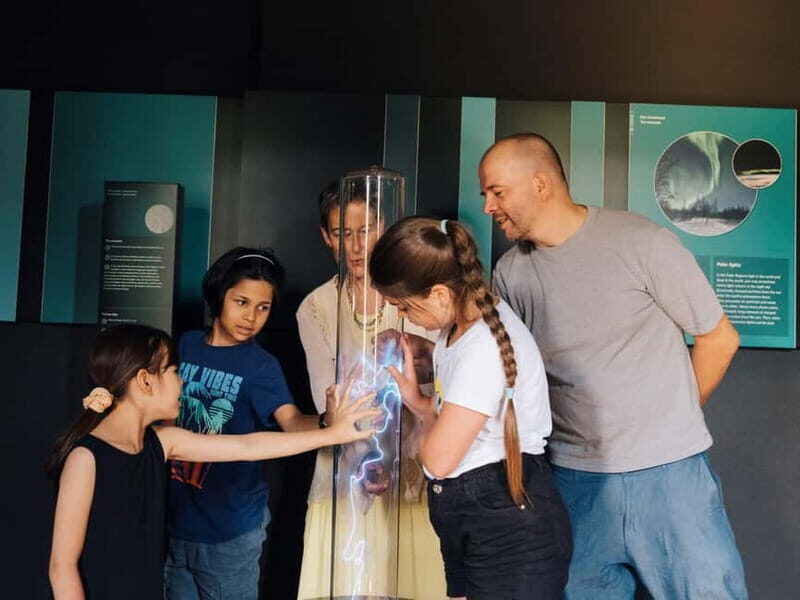
After the museum’s historical emphasis, the Spectrum Science Center is where you get your “try it” moments. The center offers more than 150 hands-on experiments, so you can shift from reading and observing to testing ideas.
The best way to approach Spectrum is with a shortlist mindset. Otherwise, the sheer number of activities can turn into decision fatigue. Pick a few themes that match your curiosity—physics, perception, experiments that let you see cause and effect—then do those first.
Accessibility note you should factor in: the elevator at Spectrum is out of service until the end of January 2026, and during that time Spectrum is unfortunately not accessible from the 1st floor. If stairs would be a problem for you, plan your route accordingly before you arrive.
Timing and Ticket Value: How to Not Feel Rushed in One Day
You’re looking at a full-day experience if you want to do it right, not just scan the biggest objects. The museum is spread out, there are multiple permanent exhibitions, and you also need time for Spectrum’s hands-on space.
Here’s a simple pacing idea that works well for most people:
- Morning: focus on your top historical theme(s) in the Technikmuseum, especially aviation or railways.
- Midday: include a demonstration moment if you see one happening, then walk the park to recharge.
- Afternoon or late day: shift to Spectrum for hands-on experiments while you still have energy.
The ticket’s value is strongest when you treat it as a day of contrast: old technology explained through objects, then science concepts proven through experiments. If you only do one side seriously and speed through the other, you’ll miss the reason the pairing makes sense.
Also, note the small but helpful detail: skip the ticket line. In a museum-heavy day, saving minutes at the start helps you actually enjoy the first exhibits instead of wasting time waiting.
Who This Berlin Tech Day Fits Best
This is a good match if you enjoy hands-on learning, machinery, and the way technology shapes daily life. It’s also strong for families because it mixes big visual objects (planes, trains, ships) with interactive and experimental parts.
You’ll likely get the most satisfaction if you’re the type who reads while you explore. The museum works better when you slow down enough to connect the object to its story. That doesn’t mean you need to be technical. It just means you’ll enjoy the explanations.
If you’re someone who hates walking and prefers short, curated experiences, you might feel stretched. The museum is large, and the day can become “too much” unless you choose a few priorities and leave the rest for another visit.
Should You Book This Deutsches Technikmuseum + Spectrum Ticket?
Yes, if you want a one-day Berlin science and technology plan that doesn’t rely on screens alone. The mix of aviation (around 40 airplanes), railways, seafaring instruments, computing with Zuse, and live demonstrations gives you variety without feeling random.
Book it if you also like the idea of ending with more than 150 hands-on experiments at Spectrum. That combination makes the day feel complete: you see how things were built, then you test how science works.
Skip it or be cautious if you know you’ll need very step-free access inside Spectrum during the elevator outage period, since the 1st-floor access is affected until the end of January 2026.
FAQ
What’s included in the Berlin Deutsches Technikmuseum ticket?
Your ticket includes admission to the Deutsches Technikmuseum and the Science Center Spectrum on the booked day.
How long is the ticket valid?
The ticket is valid for 1 day (on the booked day).
Can I cancel for a refund?
You can cancel up to 24 hours in advance for a full refund.
Is reserve now, pay later available?
Yes. You can reserve now and pay later to keep your plans flexible.
Are pets or flash photography allowed?
Pets are not allowed (assistance dogs are allowed). Flash photography is also not allowed.
Is the Science Center Spectrum fully accessible?
Wheelchair accessibility is available, but the elevator at Spectrum is out of service until the end of January 2026. During that time, Spectrum is not accessible from the 1st floor.