REVIEW · HAMBURG
Hamburg: 2-Hour Sightseeing Cruise to Blankenese
Book on GetYourGuide →Operated by RAINER ABICHT Elbreederei GmbH & Co. KG · Bookable on GetYourGuide
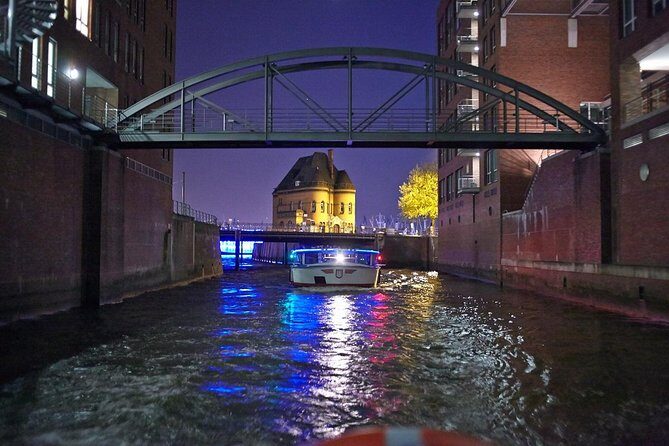
Hamburg from the water feels different fast. This 2-hour cruise mixes skyline glamour with working-port reality, threading you past the Elbphilharmonie, shipyards, terminals, and the Elbe’s fancy riverside neighborhoods toward Blankenese. I like the way the route packs big sights into a short time, and I also like that you get live narration plus optional multi-language audio. One possible drawback: the live guide is in German, so if you’re not comfortable listening in real time, you’ll need to rely on the audio app and bring headphones.
The vibe is relaxed but not sleepy: you’re moving through the harbor while the commentary connects the dots. You’ll also see serious industrial Hamburg up close, including Airbus production and container terminals, not just postcards. For the best experience, plan to download the Rainer Abicht app ahead of time and use your own headphones.
In This Review
- Key Highlights You’ll Actually Notice
- Two Hours on the Elbe: What This Cruise Really Shows You
- Price and Value: Why $47 Works for a 2-Hour Hit
- Where to Meet at Landungsbrücken (Bridge 1)
- The Guide, the Audio App, and Language Reality
- Stop-by-Stop: From St. Pauli to the Elbphilharmonie
- St. Pauli Piers: A Classic Hamburg Starting Point
- Fish Market Area: Hamburg’s Waterfront in Working Mode
- Elbstrand and the Water’s Edge
- Parkhafen and Waltershofer Hafen: The Port’s Big-Scale Reality
- Finkenwerder: Where the River Meets Production
- Airbus Haus 20: Planes, Not Just Ships
- Treppenviertel Blankenese: The Scenic Turn Toward Affluent Hamburg
- Köhlbrand Bridge: Harbor Scale in One View
- Blohm + Voss Dock Areas (Dock 5 and Dock 11)
- Cruise Center Steinwerder: Ships and the Passenger Side of Port Life
- Hansahafen and HafenCity: A City Reclaiming the Water
- Elbphilharmonie: The Big Finale
- What to Bring (and Why It Matters on a Boat)
- A Quick Note on Food, Drinks, and Time
- Who This Cruise Is Best For
- Should You Book This Hamburg Harbor Cruise?
- FAQ
- How long is the Hamburg sightseeing cruise?
- What is included in the tour price?
- Where do I meet the ship?
- What language options do I have?
- Do I need to bring headphones?
- Is it wheelchair accessible?
Key Highlights You’ll Actually Notice
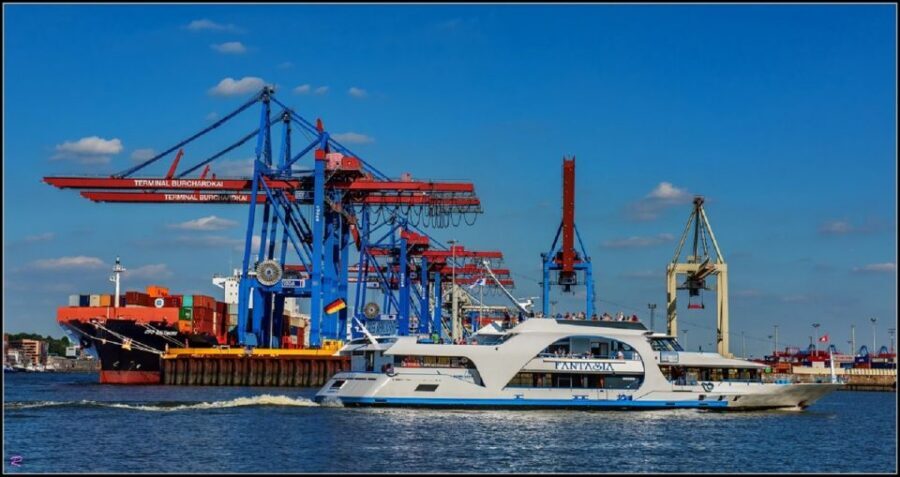
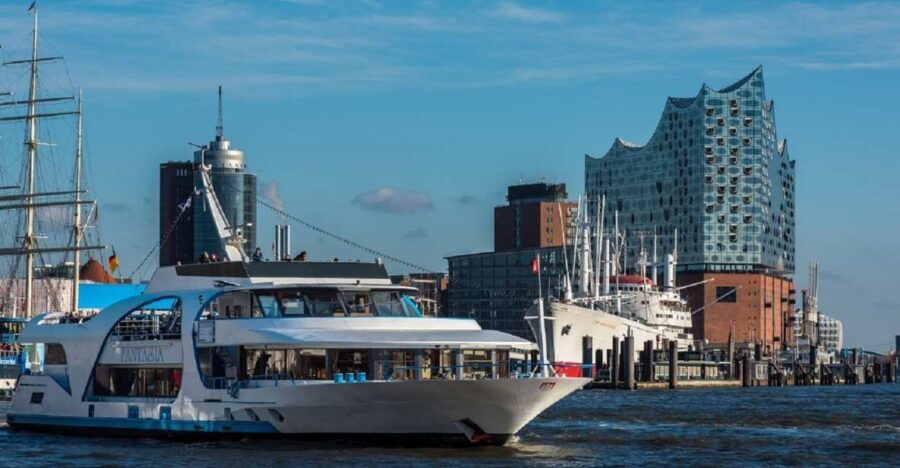
- Elbphilharmonie views from the Elbe, including its high-profile position in HafenCity
- Köhlbrand Bridge and the harbor’s scale, with that clear sense of how the Elbe corridors work
- Blankenese’s Treppenviertel (stair neighborhood) seen from the boat, a different side of Hamburg than the port
- Airbus Haus 20 and the industrial rhythm of Hamburg’s aviation production area
- Blohm + Voss dock areas (including Dock 5 and Dock 11), ideal if you like ships and engineering
- You get live German commentary plus a free audio app in many languages
Two Hours on the Elbe: What This Cruise Really Shows You
This cruise is built for people who want the “whole Hamburg” picture without spending a day piecing it together. In about two hours, you get a front-row seat to the harbor’s two personalities: dramatic architecture and real industry.
I like that it’s not just sightseeing-from-a-distance. You’re on a passenger ship moving through the port, so things change as you go—angles shift, structures get bigger, and the coastline bends the views into something you can’t reproduce from the promenade.
You can also read our reviews of more boat tours in Hamburg
Price and Value: Why $47 Works for a 2-Hour Hit
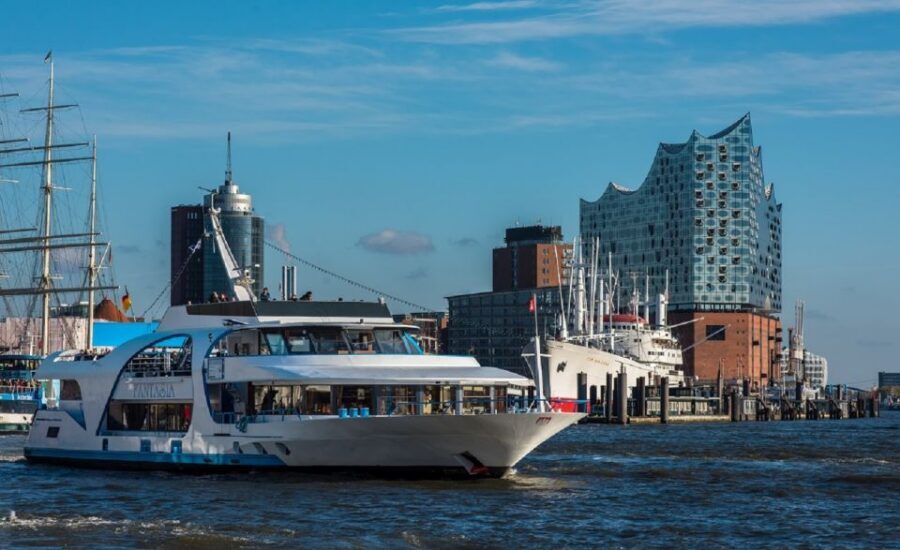
At around $47 per person for a 2-hour cruise, the value comes from how many high-recognition landmarks you pass with guided context. In one outing, you’re not only seeing the famous concert hall; you’re also getting narration while you glide by working terminals and major industrial sites.
Also, drinks are available to purchase, which means you can keep it simple: buy water if you need it, or just focus on the ride and save your budget. If you’re short on time in Hamburg, this is the kind of experience that reduces “planning stress” because the route is already doing the connecting for you.
Where to Meet at Landungsbrücken (Bridge 1)
Go to Landungsbrücken, Bridge 1. That’s where staff from Rainer Abicht Elbreederei check you in and point you to the correct ship docked at the moment.
This is one of those details that matters more than it sounds like. Ports can look similar if you arrive late or distracted. If you arrive a bit early, you’ll have time to find the right dock and settle in without rushing.
The Guide, the Audio App, and Language Reality
Here’s the key practical thing: the live commentary is in German. If you speak some German, you’ll enjoy the jokes and the flow. If you don’t, plan ahead.
Good news: there’s a free audio app called Rainer Abicht available on the Apple App Store or Google Play Store, and it offers audio tours in multiple languages (listed as Chinese, English, French, Italian, Russian, Spanish, Dutch, Danish, Swedish, Norwegian). The instruction is clear: bring your own headphones so you can actually hear it.
One consideration from real-world experience: I can see how a non-German speaker might feel left out if they’re expecting narration in their language during the live talk. Your best fix is simple—download the audio app before you board and test it once you’re settled.
Stop-by-Stop: From St. Pauli to the Elbphilharmonie
The itinerary moves in a way that feels logical: you start around the lively piers, work your way through the industrial port, then transition into the more scenic and architectural parts near Blankenese and HafenCity.
A few more Hamburg tours and experiences worth a look
St. Pauli Piers: A Classic Hamburg Starting Point
You begin near the St. Pauli piers, the kind of area you associate with postcards and nightlife. From the water, that area reads differently: the waterfront looks functional first, then dramatic as the city skyline comes into view.
This first stretch is useful because it helps you get your bearings fast—what direction you’re traveling, how the harbor walls and piers shape the views, and where the main landmarks will appear next.
Fish Market Area: Hamburg’s Waterfront in Working Mode
The Fish Market Hamburg stop gives you that working-waterfront feeling. Even if you don’t care about fish, it’s a strong visual reminder that Hamburg’s harbor isn’t just for tourism. It’s an industrial engine.
From the boat, you’ll see how the port is laid out: the edges, the access points, and the way buildings sit right at the water.
Elbstrand and the Water’s Edge
Next comes Elbstrand—a name that basically signals “Elbe shoreline.” This is a pleasant change of pace: you get more open-water views and a sense of how the river side connects back to residential and recreational Hamburg.
If you’re the type who likes to understand a city’s “why,” this part helps. The Elbe isn’t a backdrop here—it’s the organizing line.
Parkhafen and Waltershofer Hafen: The Port’s Big-Scale Reality
Then the cruise leans hard into the industrial Hamburg story, including Parkhafen and Waltershofer Hafen. This is where you see how the harbor moves freight and how large-scale operations occupy the waterfront.
Even without technical knowledge, you can read the place quickly. You’ll notice the density, the hard geometry of terminals, and the sheer scale that makes Hamburg such a key port city.
Finkenwerder: Where the River Meets Production
Finkenwerder is one of those spots that feels like it belongs to the work of the port more than the look of the city. It’s also a bridge between the general harbor views and the specific production sites you’ll see next.
Airbus Haus 20: Planes, Not Just Ships
A major highlight is Airbus Haus 20, which is connected to where Airbus planes are built. Seeing an aircraft production point from the water makes the cruise stand out because it broadens the “industry” theme beyond shipping alone.
If you like engineering or you’re curious how big manufacturing fits into a city, this segment is the one you’ll remember later. It’s not abstract—it’s a real facility you pass as the ship moves.
Treppenviertel Blankenese: The Scenic Turn Toward Affluent Hamburg
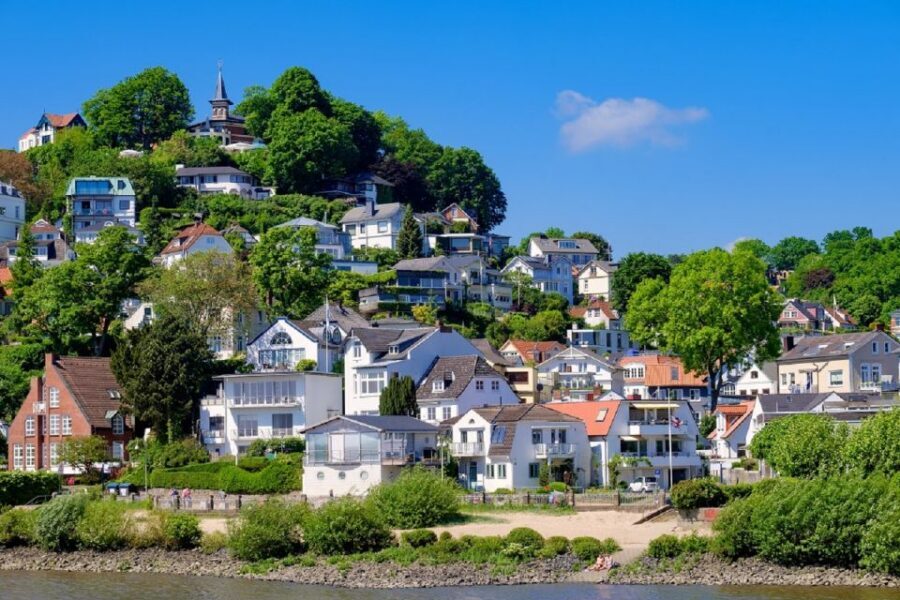
Now you shift toward the “rich and lavish” side of the city: Treppenviertel Blankenese. This area is known for its architecture along the slopes—stairs and houses shaped by the hillside.
From the boat, it’s one of the best ways to appreciate it because you get a continuous angle rather than just glimpses from a walkway.
One consideration: the tour name includes Blankenese, and the route includes the Treppenviertel segment. If you’re the kind of traveler who books specifically for that stop, it’s smart to confirm with the dock staff at Landungsbrücken Bridge 1 where the ship will go that day and when.
Köhlbrand Bridge: Harbor Scale in One View
The Köhlbrand Bridge moment is classic Hamburg: a sweeping structure crossing over the shipping corridors. From the deck, you can really sense how wide and busy the harbor is under and around it.
This is also a great photo moment if you like architectural lines—bridges frame the city in a clean, graphic way.
Blohm + Voss Dock Areas (Dock 5 and Dock 11)
You’ll pass Blohm + Voss Dock 5 and later Dock 11. Blohm + Voss is about shipbuilding and repair, so the focus here is engineering presence rather than scenic prettiness.
For me, these dockyard sections are where you see the truth of Hamburg’s harbor life. If you’ve only experienced ports from a tourist viewpoint, this part is a reality check—in a good way.
Cruise Center Steinwerder: Ships and the Passenger Side of Port Life
Next is Cruise Center Steinwerder, which adds the passenger-ship angle. You start seeing how Hamburg supports tourism at the same time it supports industry.
This stop helps you understand the port’s mix: cargo terminals and cruise operations can share the same waterway system, but they feel different on sight.
Hansahafen and HafenCity: A City Reclaiming the Water
You’ll pass Hansahafen and then head into HafenCity, where the harbor becomes more urban and design-forward. HafenCity is where the skyline feel turns more modern.
This part is good for first-time visitors who want both the industrial story and the “how this city looks now” story.
Elbphilharmonie: The Big Finale
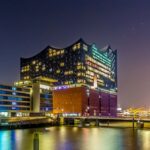
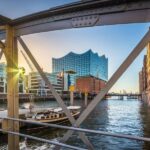
Finally, you’ll see the Elbphilharmonie up close from the water. This is the landmark most people associate with Hamburg, and on a harbor cruise it works better than photos because you get its relationship to the city and the river.
If you care about architecture, treat this as your reward stop. By the time you reach it, you’ll already have the industrial context that makes it more meaningful.
What to Bring (and Why It Matters on a Boat)
Plan for comfort more than gadgets. You’ll want:
- Passport or ID card
- Headphones (for the audio app if you don’t follow the live German narration)
- Small dogs are allowed only with a leash and muzzle
If you forget headphones, you might still enjoy the boat ride and visuals, but you’ll lose the easiest way to bridge the language gap.
Also, since this is time on the water, dress for cool breezes even when the city feels mild. Wind off the Elbe is real.
A Quick Note on Food, Drinks, and Time
Drinks are available to purchase onboard. That’s helpful because a two-hour outing can still feel long if you get thirsty. If you prefer to travel light, just bring water with you before boarding (the tour info doesn’t say outside food is allowed, so I’ll keep it general).
Because the cruise is only two hours, you won’t get a lot of time to explore on foot at any stop. Treat this as a guided view-and-context experience, not a wandering tour.
Who This Cruise Is Best For
This is a strong fit if you:
- want a fast Hamburg “greatest hits” route
- like port cities and the working side of waterfronts
- care about architecture and also want context for how it sits next to industry
- prefer guided commentary while you relax
It’s not the best fit if you:
- rely fully on live narration in a language other than German and don’t plan to use the audio app
- need wheelchair support: the info you’re given is mixed, with one section listing wheelchair accessibility and another stating it is not suitable for wheelchair users
Should You Book This Hamburg Harbor Cruise?
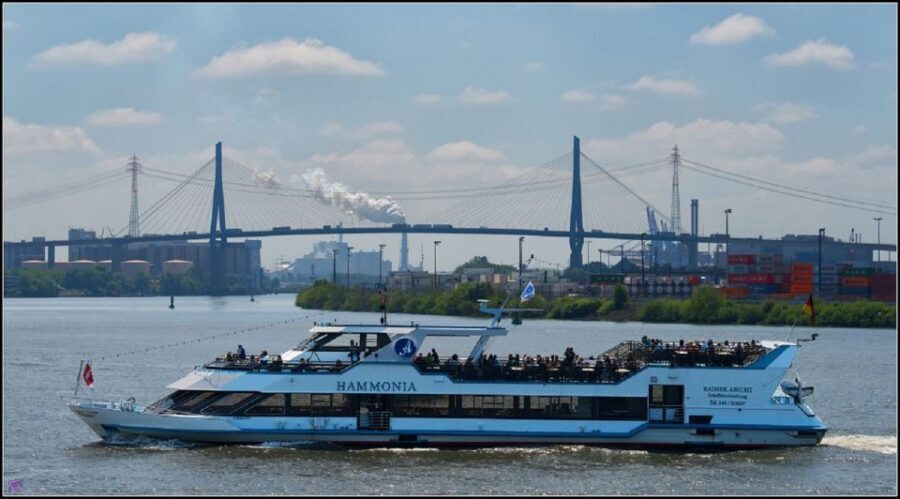
I’d book it if you want a two-hour plan that delivers both major landmarks (like the Elbphilharmonie and Köhlbrand Bridge) and the “why Hamburg matters” story through Airbus and shipyard views. It’s also a smart choice for first-time visitors because the cruise naturally creates a route you can later recognize on foot.
I’d hesitate only if language access is a concern for you and you’re not willing to download the audio app and bring headphones, or if mobility needs require clarity on wheelchair suitability before you go.
FAQ
How long is the Hamburg sightseeing cruise?
It runs for 2 hours.
What is included in the tour price?
The tour includes the 2-hour port tour and commentary in German. An audio app tour is also available via download for multiple languages.
Where do I meet the ship?
Meet at Landungsbrücken, Bridge 1. Staff from Rainer Abicht Elbreederei will guide you to the correct dock and ship departure time.
What language options do I have?
The live onboard guide commentary is in German. For other languages, you can use the free Rainer Abicht app with audio tours in multiple languages, and you need to bring headphones.
Do I need to bring headphones?
Yes. The tour info specifically says to bring your own headphones for the audio app.
Is it wheelchair accessible?
The information provided is mixed: one section says wheelchair accessible, while another states it is not suitable for wheelchair users. If this affects you, confirm suitability with the provider before booking.