REVIEW · BERLIN
Berlin Battlefield Tour – Operation Berlin 1945
Book on GetYourGuide →Operated by On the Front Tours · Bookable on GetYourGuide
Berlin’s last World War II fight isn’t stuck in a museum. The Berlin Battlefield Tour – Operation Berlin 1945 walks you through the streets and bridges tied to the final battle in Europe, with a guide explaining what commanders were thinking as the situation collapsed. I especially love how the tour uses Then & Now photos and maps to make the geometry of the battle feel real. I also like the focus on strategy plus human stories, not just dates and names. One thing to consider: it’s a lot of walking in a compact area, so you’ll want solid shoes and a snack plan.
The meeting point is straightforward, but your best odds start with arriving on time. The guide is supposed to be easy to spot by a blue umbrella, and one operational hiccup has been reported in the past when the visual marker doesn’t match expectations. If that kind of thing bugs you, show up early, double-check the address on the day, and you’ll smooth out any confusion fast.
In This Review
- Key highlights worth your time
- Stepping into the last chapter of WWII in Berlin
- Meeting at MEININGER Berlin Hauptbahnhof: the fast way to start clean
- The opening viewpoint: getting the battle’s “map in your head”
- Moltkebrücke: a bridge that shaped movement and momentum
- Platz der Republik / the assault area: where street fighting takes over
- Reichstag: the main Soviet objective and the endgame pressure
- Weidendammer Brücke: desperation, hope, and the German breakout story
- The tour style: sound cues, maps, and strategy you can follow
- Price and value: what $57 buys you in Berlin time
- Who this tour is best for (and who should skip it)
- Practical tips to make the 150 minutes feel worth it
- Should you book the Berlin Battlefield Tour – Operation Berlin 1945?
- FAQ
- How long is the Berlin Battlefield Tour – Operation Berlin 1945?
- Where does the tour meet?
- What’s the starting and ending point of the tour?
- What languages is the tour offered in?
- What stops will we visit during the tour?
- Does the tour run in bad weather?
- What should I bring?
- Is the tour wheelchair accessible?
- What is included in the tour price?
- Is there a refund or flexible payment option?
Key highlights worth your time
- Moltke Bridge: why a single crossing mattered when everything else was going wrong
- Platz der Republik / assault area: street-fighting details you can actually picture
- Reichstag objective: how the Soviets’ endgame shaped the fight
- Weidendammer Bridge: desperation, hope, and the mess of the German breakout story
- Then & Now photos and maps: visual anchors that connect today’s Berlin to the battle
- Expert WWII-focused guiding: strategy plus bravery stories, delivered in plain language
Stepping into the last chapter of WWII in Berlin
There’s a reason Berlin feels different after you’ve walked its battle sites. This is the kind of war history you don’t just read about; you start thinking in lines of movement, choke points, and timing. The Operation Berlin 1945 framing gives the tour a clear storyline: where the final push happened, why it mattered, and what it cost.
I like tours that don’t treat people like chess pieces. This one leans hard into the human side of the fighting, including the desperation, hope, and carnage that played out in the street battles. It also aims to explain the decisions made by both Soviet and German commanders, which helps you see the war as something lived minute by minute rather than a distant verdict.
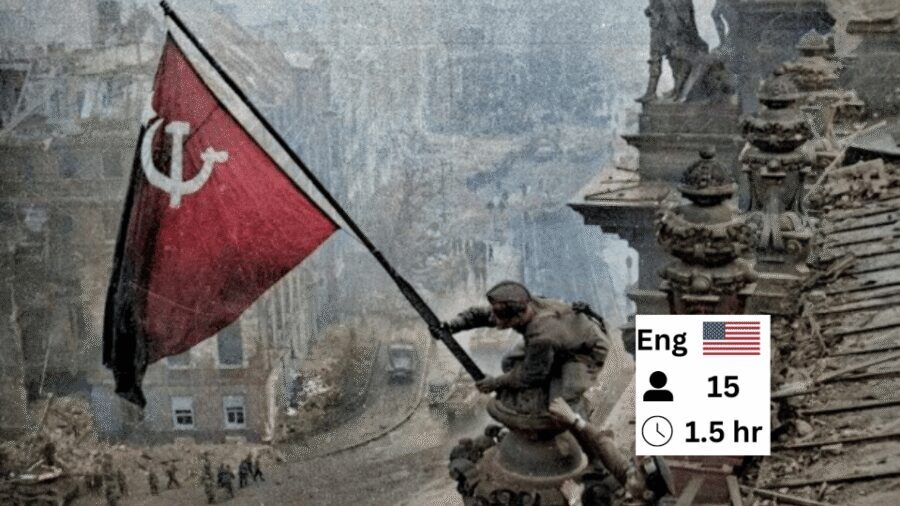
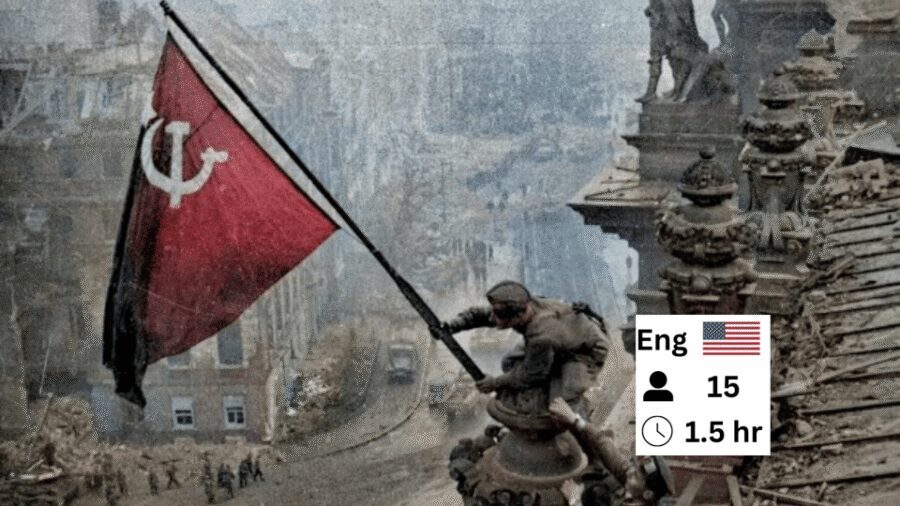
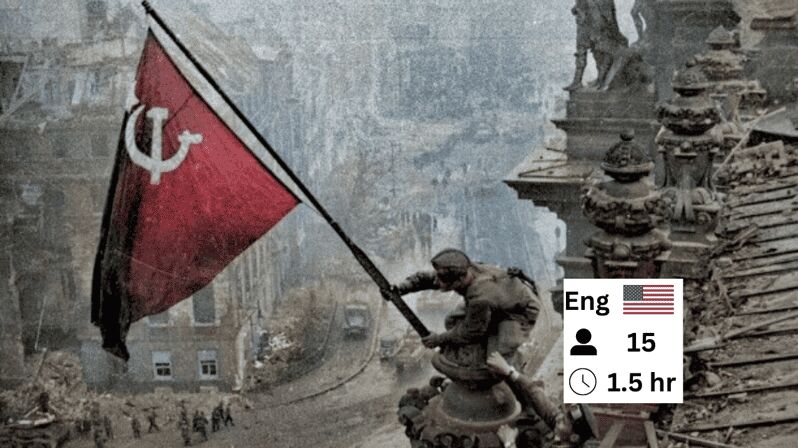
And yes, the tour has a hook about the Soviet flag raising—a chance to talk about competing narratives and how big moments can be framed. Even if you’ve heard bits of this story before, you’ll likely appreciate the way the guide connects it to what was happening on the ground at the same time.
You can also read our reviews of more tours and experiences in Berlin.

Meeting at MEININGER Berlin Hauptbahnhof: the fast way to start clean
You meet outside the MEININGER Hotel Berlin Hauptbahnhof, on the south side of Berlin Central Station. The address is Ella-Trebe-Straße 9, 10557 Berlin, and the instruction is to arrive about 10 minutes early. The guide is meant to be holding a blue umbrella, standing outside the front of the hotel, so this is a “get your bearings fast” kind of start.
That sounds minor, but it matters. With a history walk that moves between fixed points, a delayed start can throw off your pace for the rest of the 150 minutes. If you’re traveling with someone, take five minutes to confirm you’ve got the right meeting location before you drift into coffee mode.
Also, Berlin weather can change its mind quickly. The tour runs rain or shine, and umbrellas are provided, so you won’t be completely stuck—but bring your own comfort items anyway. Comfortable shoes, water, and a small snack keep the vibe calm if you’re out in drizzle or cold wind.
The opening viewpoint: getting the battle’s “map in your head”
Before you hit the named battle points, you get a short guided orientation at the start. This part is where the guide helps you understand what you’re about to see and why it matters. You’re not just being walked somewhere; you’re being prepped to read the city like evidence.
Even in 20 minutes, this orientation can change how you experience the whole route. Once you know what the guide is trying to emphasize—routes, objectives, and movement—each later stop feels more connected rather than like a list of landmarks. It’s the difference between looking at a bridge and understanding why soldiers would die for it.
Moltkebrücke: a bridge that shaped movement and momentum
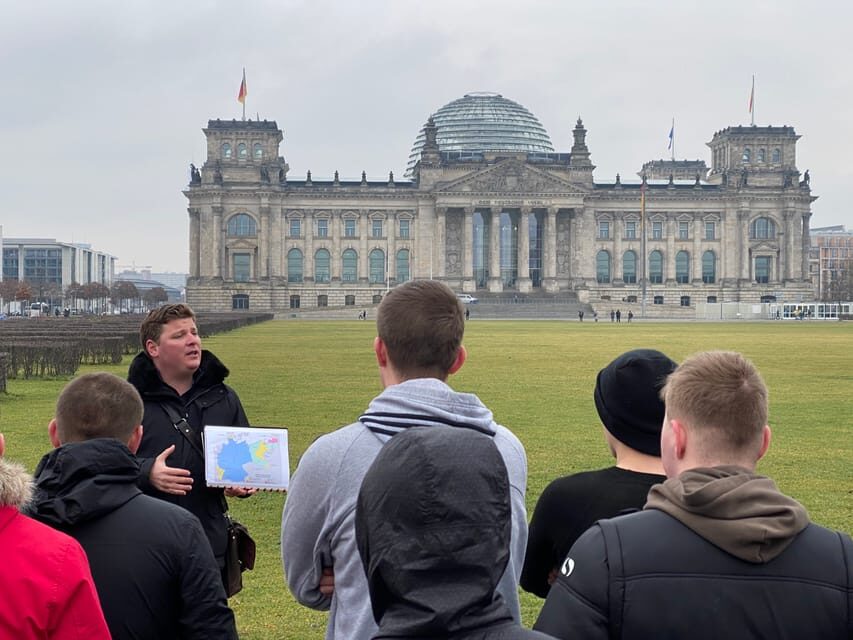
The first big named stop is Moltke Bridge (Moltzkebrücke). Bridges in battles aren’t just “things you cross.” They’re control points. Whoever controls the crossing can control movement, supply lines, and escape routes, and that can swing an entire fight.
Here, the tour connects the bridge to the kind of street-level chaos that defined the Battle of Berlin. The guide also ties the story to the weapons and tactics used in the fight—like the MG42—so the explanations aren’t only about where events happened, but how they felt under pressure. You’re meant to understand strategy while also imagining the noise, the stress, and the urgency.
Drawback to know: bridges and intersections can be busy and windy, so if you’re sensitive to weather or need frequent stopping, it may take a little extra patience here. Still, it’s one of the best stops for understanding why the city’s layout mattered.
Platz der Republik / the assault area: where street fighting takes over
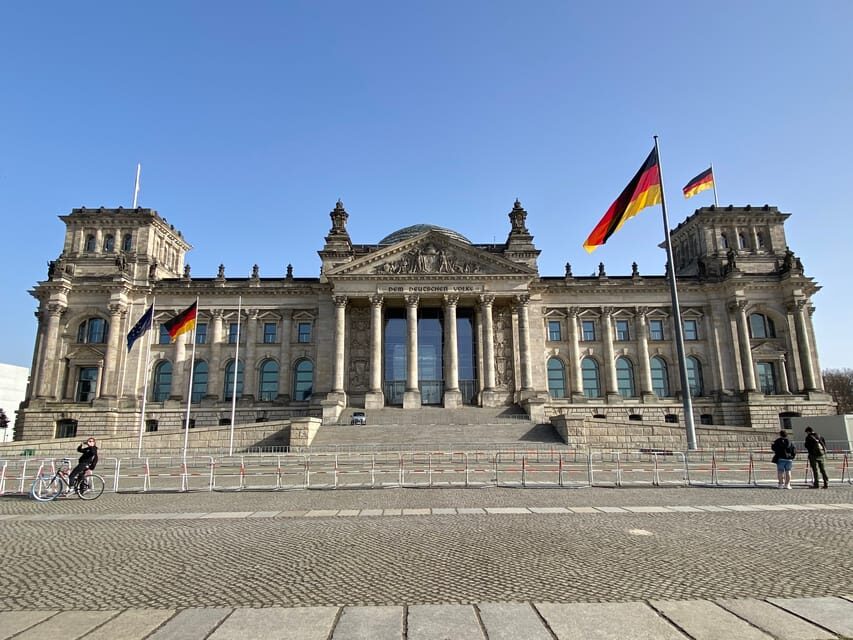
Next comes Platz der Republik (the tour also frames the area as the assault). This is where the story shifts from movement between points to the brutal reality of street fighting. You’ll hear how the battle unfolded with quick changes in who held positions, and how commanders had to respond to conditions that never stayed stable.
This stop is valuable because it explains the battle in layers. The guide doesn’t just say there was an assault; you get an idea of what an assault meant tactically in an urban environment. When you understand how tight streets and open sight lines affect infantry decisions, the whole “urban warfare” topic stops being abstract.
The tour’s style helps here. The use of Then & Now materials and maps is especially helpful when you’re trying to align what you see today with what mattered back then. It’s much easier to grasp a battle when the guide can point out lines you can still trace with your eyes.

Reichstag: the main Soviet objective and the endgame pressure
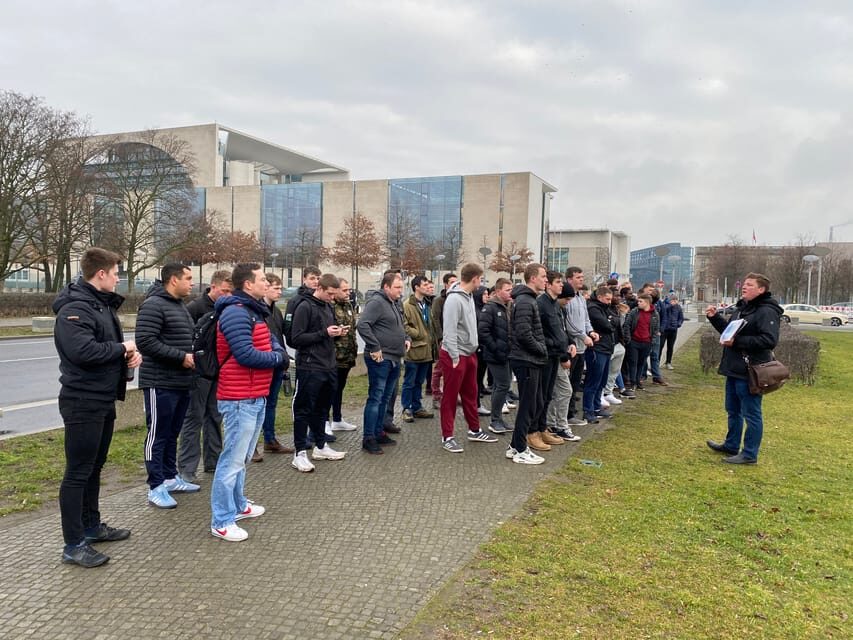
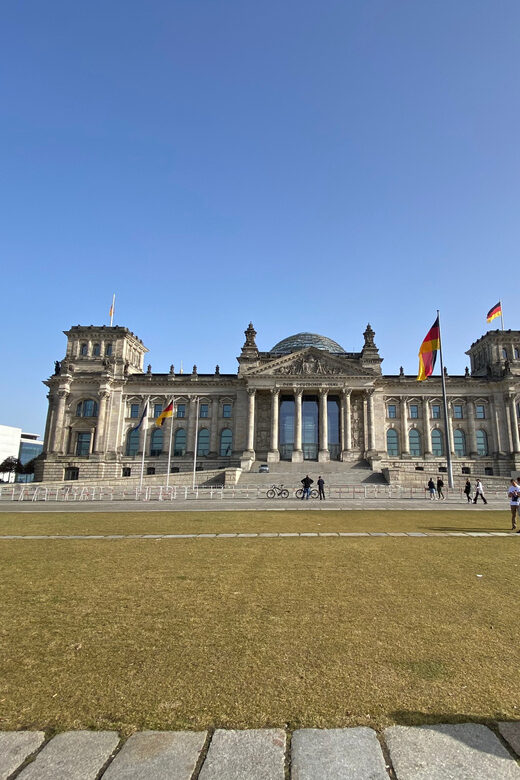
The heart of the route is the Reichstag area, where the primary objective for the Soviets comes into focus. This part matters because it shows how a single symbolic and strategic target can concentrate pressure on an entire front. When you understand the objective, you start to see why other locations along the way weren’t just random places—they were necessary steps in reaching that end.
Expect a guided walk that slows down at key moments, so you can follow the “why” behind the “what.” The guide also brings in context on key figures and decisions, which is a big win for travelers who want more than a surface-level story. It’s one thing to know the Reichstag was attacked. It’s another to understand why the attack needed timing, coordination, and relentless pushing.
One more reason I like this stop: it helps you notice how the battle’s meaning extends beyond the building itself. The tour frames the Reichstag as a focal point for the war’s final phase in Europe, so you come away thinking about the fight’s purpose and consequences.
Weidendammer Brücke: desperation, hope, and the German breakout story
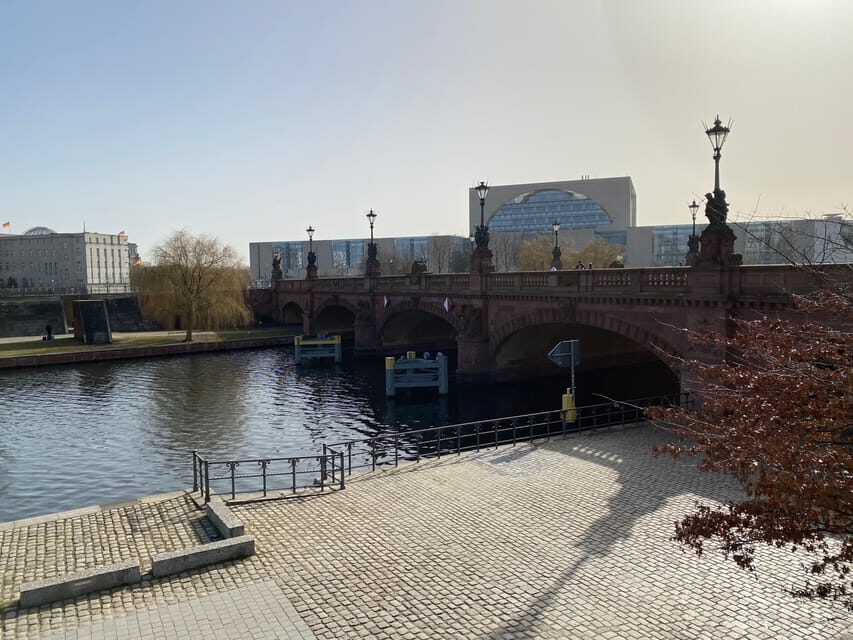
The tour ends at Weidendammer Bridge (Wiedendammer Brücke). This is where the emotional tone of the tour intensifies. The bridge is tied to the story of desperation and the attempts at survival as the battle neared its final outcome. The guide frames it through the lens of hope and carnage, and also through what the German breakout meant in practice.
This stop is a strong closer because it connects what you’ve learned—routes, objectives, pressure—with the outcome: what it looked like when the situation was no longer controlled and people had to fight to keep moving. It’s not just “what happened.” It’s why people were still trying, even when the odds were brutal.
Practical note: the endpoint is a fixed location, so make sure your next plan accounts for the fact that you won’t be returning to the original starting spot. If you’re catching a train or meeting someone, give yourself a little buffer.
The tour style: sound cues, maps, and strategy you can follow
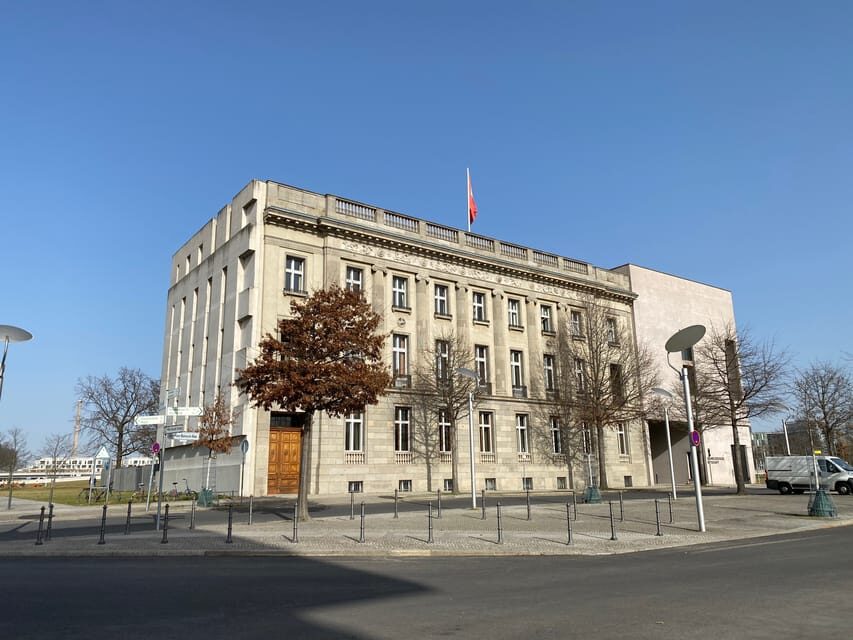
What makes this tour work is the way the guide handles both mechanics and emotion. You’ll hear about the weapons and battlefield feel, including the roar of the MG42 and the way artillery changes the rhythm of fighting. You’ll also hear stories of heroism and bravery during crucial street battles, which helps the tour avoid becoming only technical.
The Then & Now photographs and maps deserve their own shout. They’re practical tools. They let you orient yourself in modern Berlin while you’re listening to how the fight played out. Without that, war history in a live city can turn into a blur. With it, you’re constantly anchoring the story to something visual.
If you’re lucky enough to have a guide who explains with clarity, this tour can feel like it moves at your pace. A standout example from guide experience is Jochen, who is praised for turning the event into something you can follow rather than a lecture you endure. Even if your guide is different, the format aims for the same result: you walk away understanding strategy and the decisions behind it.
Price and value: what $57 buys you in Berlin time
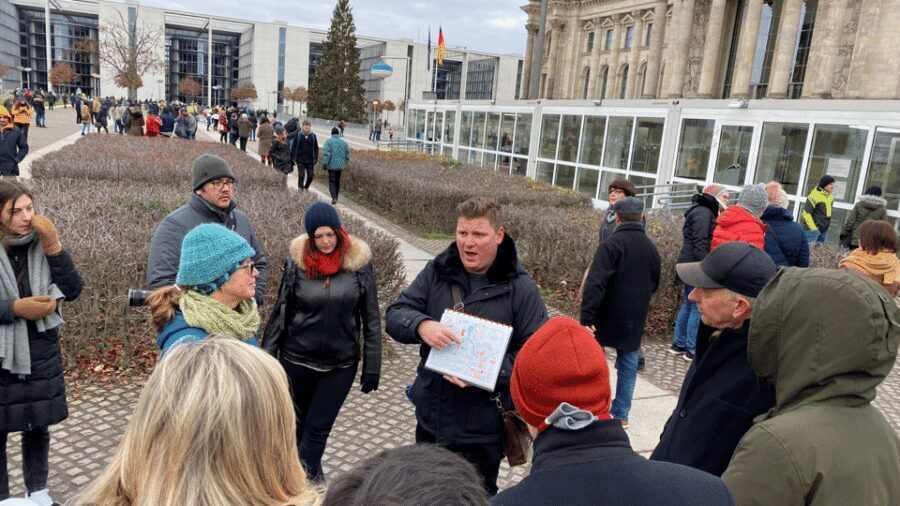
At $57 per person for 150 minutes, the value depends on what you want out of the day. If you’re the type who reads placards and calls it done, this might feel steep. But if you care about seeing the battle logic while standing in the real places where it happened, the guide-led route has real payoff.
You’re not just getting a walk. You’re getting an expert guide, a small-group format, and support materials like maps and Then & Now photos. That’s what helps explain why the tour costs more than casual self-guided reading. You’re paying for interpretation: turning Berlin’s streets into a coherent battle story.
The one drawback surfaced in pricing opinions: some people find it expensive compared with other Berlin tours. My take is simple. If you’ve only got a short window and you want WWII battle context tied to specific sites, this is a focused use of time. If you’ve got all day and you love DIY wandering, you might compare it against free museum time and self-guided routes.
Who this tour is best for (and who should skip it)
This is a great fit if you want WWII history that sticks to real places and explains how the battle unfolded. It’s also a good choice if you like learning the “why” behind decisions—especially the choices made by Soviet and German commanders.
It’s not the best match if you’re looking for a light, casual walk. This topic is heavy, and the tour leans into desperation, hope, and carnage. If you need a softer approach to wartime history, you might want a different style of tour that focuses more on artifacts and less on battle narratives.
Also, it’s best for travelers who don’t mind walking between stops with limited pause time. The route includes multiple visits and guided segments, with each major location around 20–30 minutes of time.
Practical tips to make the 150 minutes feel worth it
Bring comfortable shoes. You’ll be standing, walking, and looking around at street-level sites, and the comfort factor affects how well you can concentrate. Bring water and a small snack so you don’t start bargaining with your brain mid-story.
Don’t skip the weather gear. Even with umbrella support, you’ll be happier with rain gear if it’s cold or wet. And if you prefer predictable logistics, arrive early at the MEININGER meeting spot and locate the guide as instructed.
If you’re photo-friendly, keep your expectations realistic. This is a battlefield walk and a guided narrative. The guide’s job is to point and explain, not to stop for endless picture breaks. When the map and photos come out, that’s when your best shots and best understanding tend to happen.
Should you book the Berlin Battlefield Tour – Operation Berlin 1945?
Book it if you want a guided WWII battle narrative tied to specific places, with maps, Then & Now visuals, and an expert guide connecting strategy to what you’re seeing. At 150 minutes, it’s also a manageable chunk of time if you’re juggling other Berlin priorities.
Think twice if you’re only curious about general WWII facts or if you hate structured walking. This is a serious subject in a concentrated route, and the price reflects that it’s guide-led and materials-supported.
If you do book, show up on time, wear good shoes, and come with one mindset: pay attention to how the guide explains choices and movement. Do that, and you’ll leave Berlin with a battle story that actually makes sense.
FAQ
How long is the Berlin Battlefield Tour – Operation Berlin 1945?
The tour lasts 150 minutes.
Where does the tour meet?
It meets in front of MEININGER Hotel Berlin Hauptbahnhof, Ella-Trebe-Straße 9, 10557 Berlin, on the south side of Berlin Central Station.
What’s the starting and ending point of the tour?
The tour starts at the MEININGER Hotel Berlin Hauptbahnhof and finishes at Weidendammer Brücke.
What languages is the tour offered in?
The tour is guided in English by a live tour guide.
What stops will we visit during the tour?
You’ll visit or pass key WWII locations including Moltke Bridge, Platz der Republik, Reichstag, and Weidendammer Brücke.
Does the tour run in bad weather?
Yes. The tour runs rain or shine, and umbrellas are provided during the year if it’s raining.
What should I bring?
You should bring comfortable shoes, an umbrella (or raincoat in unfavorable weather), plus snacks and water.
Is the tour wheelchair accessible?
Yes. The tour is wheelchair accessible and listed as an accessible tour.
What is included in the tour price?
The tour includes an expert guide, an exclusive small group tour, Then & Now photographs and maps, and umbrellas during the year (for rain).
Is there a refund or flexible payment option?
The tour offers free cancellation up to 24 hours in advance for a full refund, and you can reserve now and pay later.