REVIEW · BERLIN
Berlin: 2.5-Hour Neighborhood Tour of Neukölln
Book on GetYourGuide →Operated by Sonderweg-Berlin · Bookable on GetYourGuide
Neukölln keeps you curious at every stop. On this 2.5-hour Neukölln walking tour, I love how it pairs the former prison/district court setting with the area’s standout civic buildings, like the Town Hall. One thing to consider: this is a focused neighborhood route, so it won’t feel like a Berlin highlights tour if you want the big central sights.
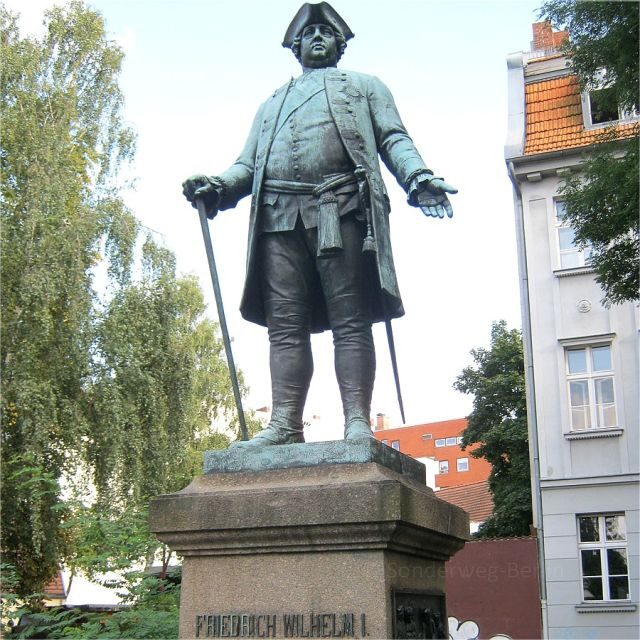
I also like the way the story runs from the renaming of Rixdorf to the day-to-day vibe around Richardplatz. You’ll hear how Rixdorf became Neukölln in 1912 (with Wilhelm II’s approval) and why the Bohemian Protestant refugee community shaped daily life. Expect plenty of walking, and come ready for streets and façades more than indoor museums.
If you get a guide like Tobias, you’ll probably get that rare mix of facts and personality. The tour runs in English and German, and the small-group feel can make it easier to ask questions in real time—just know the meeting point can vary by departure.
In This Review
- Key things you’ll notice on this Neukölln tour
- Neukölln at walking speed: why Rollberg and Rixdorf matter
- Getting started near Richardplatz and the “Rixdorf to Neukölln” story
- District court and the former prison: seeing law and confinement in the streets
- Rollberg and Innstrasse: proletarian housing made visible
- Neukölln Town Hall, the old public pool, and Saalbau’s civic role
- Karl-Marx-Straße arcades: where urban life meets shopping streets
- Bohemian Rixdorf exile houses and Bethlehem Church at Richardplatz
- Price, pacing, and what you really get for $23
- Should you book this Neukölln neighborhood tour?
- FAQ
- How long is the Neukölln neighborhood tour of Berlin?
- What is the price per person?
- What’s included in the tour price?
- What languages is the live tour guide available in?
- Is the tour wheelchair accessible?
- What’s the cancellation policy?
Key things you’ll notice on this Neukölln tour
- District court and former prison: the neighborhood’s legal and confinement history made tangible.
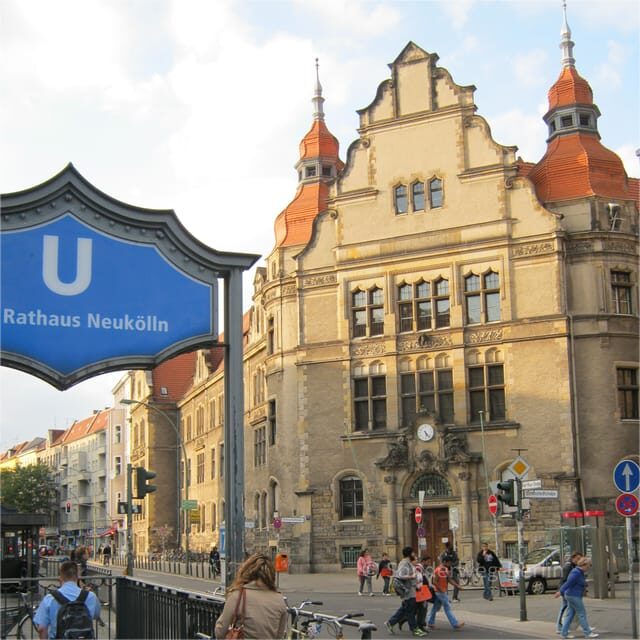
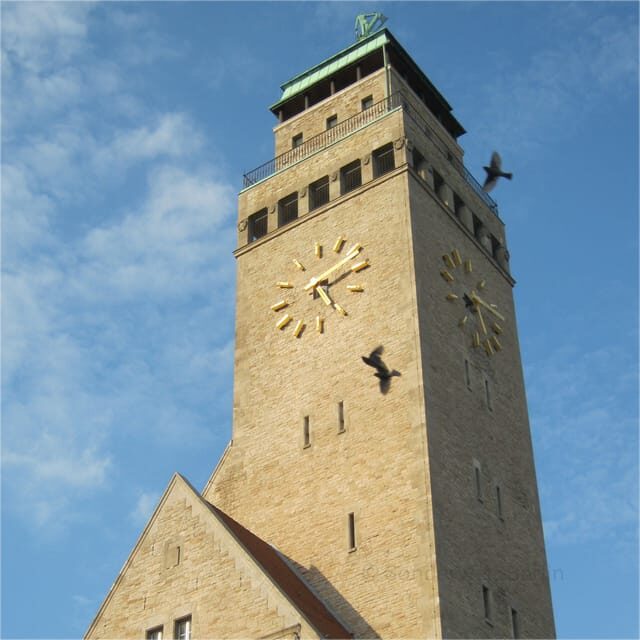
- Neukölln Town Hall architecture: civic design you can study street-side, not just photograph.
- Rollberg housing history on Innstrasse: proletarian living explained through real buildings.
- Saalbau Neukölln and the old public pool façade: public culture and “everyday Berlin” in one loop.
- Karl-Marx-Straße arcades: the shopping-and-street-life version of urban planning.
- Bohemian Rixdorf exile houses and Bethlehem Church: faith, refugees, and community identity at Richardplatz.
Neukölln at walking speed: why Rollberg and Rixdorf matter
Neukölln doesn’t try to be tidy history. It’s layered: Middle Ages roots, 18th-century refugee life, early 1900s renaming politics, and modern multicultural streets all sitting within an easy walk.
That’s why I like this format. Instead of racing through far-flung landmarks, you get to watch how one neighborhood’s needs shaped the built environment—courts, housing blocks, churches, civic halls, and the public spaces people actually use.
You also get a clear storyline: the area around Richardplatz can still feel almost village-like, yet the city around it keeps changing fast. This tour helps you connect those contrasts, so when you walk later on your own, you’ll recognize what you’re looking at.
You can also read our reviews of more tours and experiences in Berlin.


Getting started near Richardplatz and the “Rixdorf to Neukölln” story
The tour’s heart is Neukölln’s own identity shift—Rixdorf becoming Neukölln in 1912. You’ll hear that it was renamed with Wilhelm II’s approval, and the basic reason was image-related: the south of Berlin had a reputation for frivolous entertainment, and the new name was meant to fix how the area looked from outside.
What I like is that the tour doesn’t stop at the politics. It pushes farther back, to the Bohemian Exulanten—Protestant refugees—who settled here alongside the German population starting in the 18th century. That detail matters because it explains why religious faith and puritan routines influenced daily life in the neighborhood.
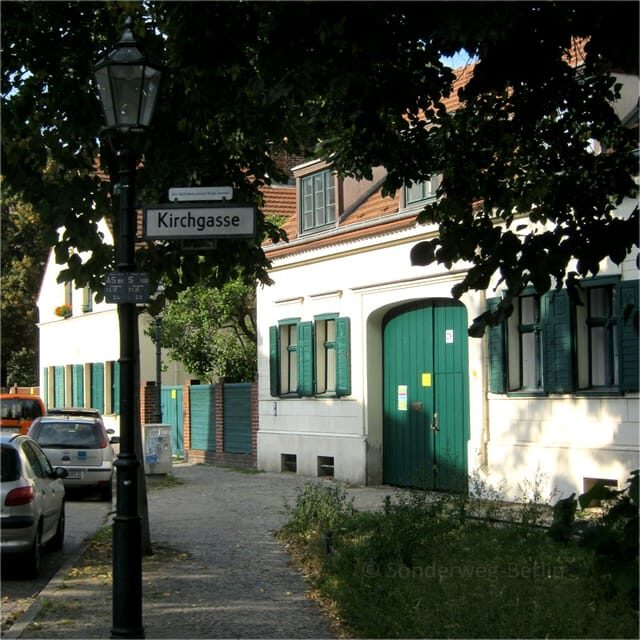
As you move through the route, you’ll repeatedly come back to Richardplatz. That’s where the story feels most grounded, like you can still sense the old rhythm of a community even while Berlin keeps redeveloping around it.
District court and the former prison: seeing law and confinement in the streets
Early on, you’ll see the old district court and the former prison in Neukölln. It’s a powerful start because it turns an ordinary street block into a real-life reminder of how order was enforced and how lives were managed.
These stops work well because they give you a concrete starting point: when you understand what institutions were placed here and why, the neighborhood’s later housing and civic buildings make more sense. You’re not just collecting façades—you’re learning the logic behind where power and control sat in the urban layout.
A possible drawback is emotional tone. If you’re sensitive to confinement or punishment history, plan to take your time and watch your pace. The walk is still manageable, but this part sets a serious mood before you get to the lighter, more public architecture.
Rollberg and Innstrasse: proletarian housing made visible
Rollberg is one of those Berlin district names that means more once someone explains it. On this tour, you’ll learn about the history of the proletarian residence district of Rollberg and how that story shows up in streets and buildings instead of in vague narration.
A key stop here is the housing complex on Innstrasse. The point isn’t just to admire a façade—it’s to understand how working people lived, and how housing design shaped daily routines. You can practically “read” the neighborhood: where community life might have occurred, how blocks relate to streets, and why certain building forms became common.
In at least some versions of this tour, you may also get extra Rollberg-style architecture attention, like Atriumhäuser on Rollberg. That’s useful because atrium courtyards and enclosed layouts explain how people moved, met, and stayed sheltered in dense city living.
If you like architecture, this is where the tour pays off. You’ll go beyond surface style and start seeing the human problems that buildings were built to solve.
Neukölln Town Hall, the old public pool, and Saalbau’s civic role
Berlin’s civic buildings can look impressive from a distance. What I enjoy about this tour is that you get to appreciate them up close and in context—like pieces of everyday governance and public culture.
You’ll admire the Town Hall architecture, and you’ll also get to the old Neukölln public pool façade. A pool might sound like a small detail, but it’s a big deal socially. Public baths and swimming facilities were part of how many residents accessed hygiene and recreation without needing private space.
Next is Saalbau Neukölln, another stop that reinforces the neighborhood’s public-life focus. When you see a hall like this alongside schools, housing, and city institutions, you get a better sense of how culture and civic life were meant to operate for regular people, not just for visitors.
In some departures, you might also hear more city-development context tied to the local coat of arms and the way the city expanded and organized itself. That kind of added layer makes the walk feel sharper, because it connects architecture to decisions—who planned what, and why.

Karl-Marx-Straße arcades: where urban life meets shopping streets
Karl-Marx-Straße is one of those names that already feels like a Berlin theme song. On this tour, you get something specific: the arcade area along the avenue, which helps you see how streets were designed for movement and commerce under one roof or one continuous covered stretch.
This stop is valuable because it shifts you from institutional buildings to the daily city. You’ll notice how different elements—housing zones, civic centers, and street-level corridors—connect into one system where people spend time, pass through, and browse.
Also, this is the part where it’s easiest to imagine the neighborhood’s present-day energy. Even if you visit on a calm day, the arcade setting helps you understand why Neukölln can feel both local and international at the same time.
Bohemian Rixdorf exile houses and Bethlehem Church at Richardplatz
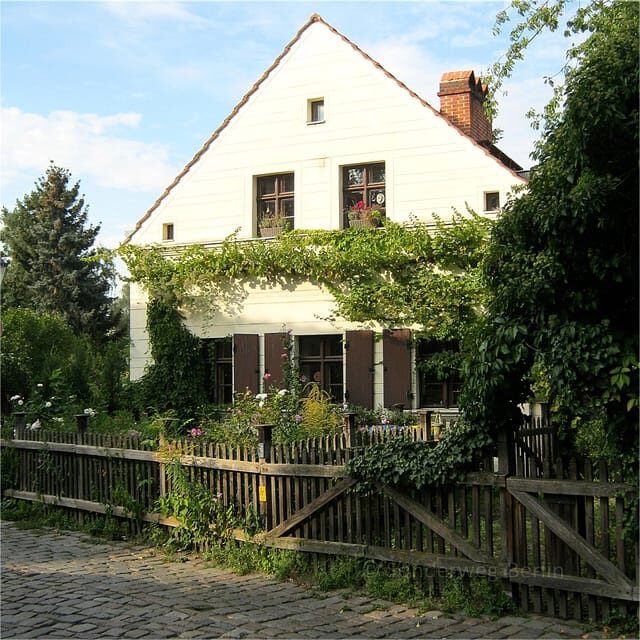
This is the emotional and human-identity section of the tour. You’ll explore exile houses in Bohemian Rixdorf, along with the Bethlehem Church on Richardplatz.
These stops matter because they make the refugee story physical. Earlier you learned about the Protestant refugees, the puritan routines, and how religious faith shaped everyday life. Now you’ll see where community life anchored—homes, worship, and the shared structures that kept a community intact.
And then there’s Richardplatz itself. The tour describes it as a heart area that still radiates a village-like atmosphere, and that’s exactly the feeling these stops help create. You’re not only learning where people lived—you’re learning what gave them stability.
If you’re interested in faith as a social force rather than just architecture, this section will likely be your favorite. It’s also a good place to slow down for photos and just watch how the street works around the historic sites.
Price, pacing, and what you really get for $23
At $23 per person for about 2.5 hours, the value is strong if you want guided context. You’re paying for an expert guide plus a structured route through multiple architectural and historical landmarks—far more than a self-guided walk would cover unless you already know the neighborhood well.
The pacing is also a win. Two and a half hours hits the sweet spot where you can learn a meaningful storyline without feeling like you spent the whole day walking. It’s ideal for a first or second visit to Berlin when you want to understand one neighborhood deeply rather than sampling everything.
As for who it fits best, I’d steer you toward this tour if you:
- enjoy architecture that tells social stories
- like neighborhoods with real layers (not just polished tourist blocks)
- want a guided explanation of Rollberg and the naming story tied to Rixdorf
If you only want major central landmarks, you might feel underwhelmed. This isn’t that kind of day.
Should you book this Neukölln neighborhood tour?
Yes—if you want a practical, street-level way to understand Neukölln’s identity through buildings. The Rollberg housing story, the court-and-prison start, and the Bohemian Rixdorf exile-house + Bethlehem Church pairing are a smart trio that makes the neighborhood feel coherent.
I’d skip it only if your ideal Berlin day is all about the postcard sights or you’d rather spend time in a museum with fewer outdoor stops. For everyone else, this walk is a cost-friendly way to get the “why” behind what you’re seeing—so you can keep exploring Neukölln afterward with better instincts and clearer eyes.
FAQ
How long is the Neukölln neighborhood tour of Berlin?
The tour lasts 2.5 hours.
What is the price per person?
The price is $23 per person.
What’s included in the tour price?
An expert tour guide is included.
What languages is the live tour guide available in?
The live tour guide is available in German and English.
Is the tour wheelchair accessible?
Yes, it is wheelchair accessible.
What’s the cancellation policy?
You can cancel up to 24 hours in advance for a full refund.