REVIEW · WEIMAR
Weimar Private Guided Walking Tour
Book on GetYourGuide →Operated by Travmonde OÜ · Bookable on GetYourGuide
Goethe and Schiller walk with you here. This Weimar private guided walking tour stitches together the people, places, and ideas that turned a small German city into a cultural reference point. I like how it connects creative friendship to real buildings you can point at, instead of treating famous names like museum labels.
Two things I really like: you get a focused story through the Goethe–Schiller sites, and you also get the later 20th-century turn toward Walter Gropius and the Bauhaus influence. One thing to keep in mind: entrance fees aren’t included, so if you want anything inside, you’ll likely pay extra on the spot.
In This Review
- Key points to know before you go
- Why Weimar’s famous names deserve a guided walk
- Meeting at Markt 20 and getting the most from a 2-hour route
- Goethe and Schiller memorials in front of the National Theater
- The House of the Weimar Republic and why 1919 matters
- Saint Peter and Paul Church: Luther’s preaching and Anna Amalia’s ties
- Goethe’s House on Frauenplan and the working life behind Faust
- Liszt Haus for Franz Liszt: music as part of the Weimar story
- Schiller’s House: a city built on friendship and invitations
- Where Lucas Cranach, Nietzsche, and Weimar’s thinkers fit in
- Walter Gropius and the Bauhaus twist after the classicists
- Price and value: is $280 per group worth it?
- Who should book this tour
- Should you book the Weimar Private Guided Walking Tour?
- FAQ
- How long is the Weimar private guided walking tour?
- Where does the tour meet?
- What languages are available for the live guide?
- Is this tour private?
- Are entrance fees included?
- What is the cancellation policy?
Key points to know before you go
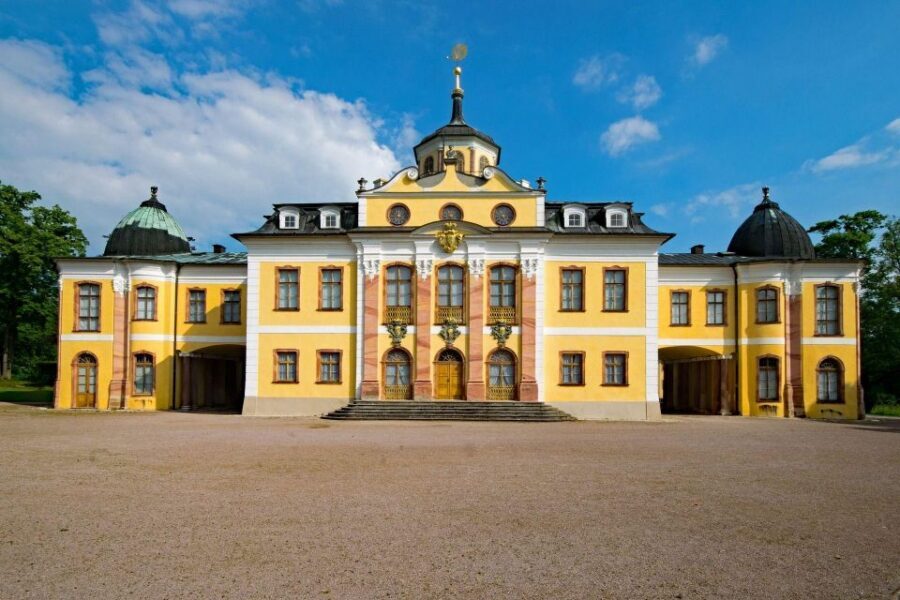
- Goethe–Schiller friendship as the thread tying multiple stops together in one 2-hour route
- Weimar Republic decision-making in 1919 through the House of the Weimar Republic
- Saint Peter and Paul Church with Luther’s preaching and Anna Amalia connections
- Goethe’s House on Frauenplan tied to his work on Faust and his life there
- Liszt Haus and Schiller’s House for music and literary life beyond the statues
- Private guide only for your group, with language options in English or German
Why Weimar’s famous names deserve a guided walk
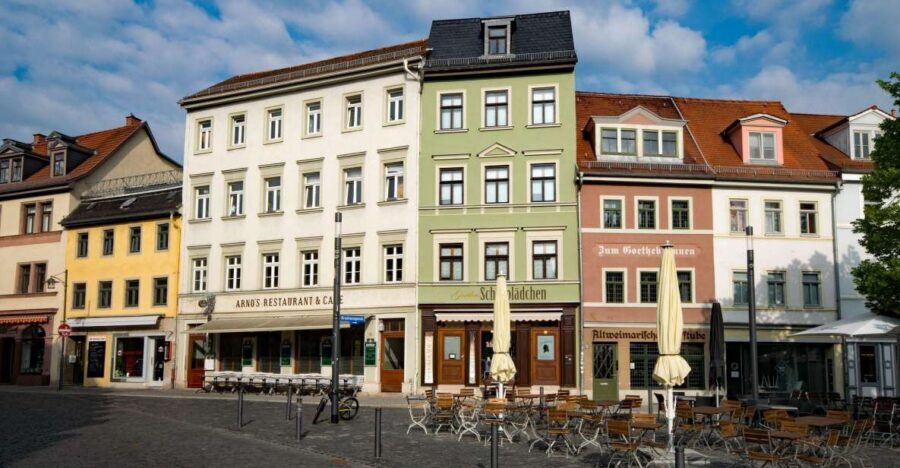
Weimar can feel like a list of big names until you connect them to place. This tour helps you do that by turning Goethe, Schiller, and Nietzsche’s era into something you can physically trace through streets and buildings.
I like that it also stretches past “classic literature.” You’ll pick up how Weimar links to serious thinking and culture in multiple forms—philosophy, music, theology, and architecture. That matters because Weimar isn’t only about what those people wrote. It’s about how ideas moved through institutions and friendships, then carried forward into later movements like the Bauhaus.
You can also read our reviews of more walking tours in Weimar


Meeting at Markt 20 and getting the most from a 2-hour route
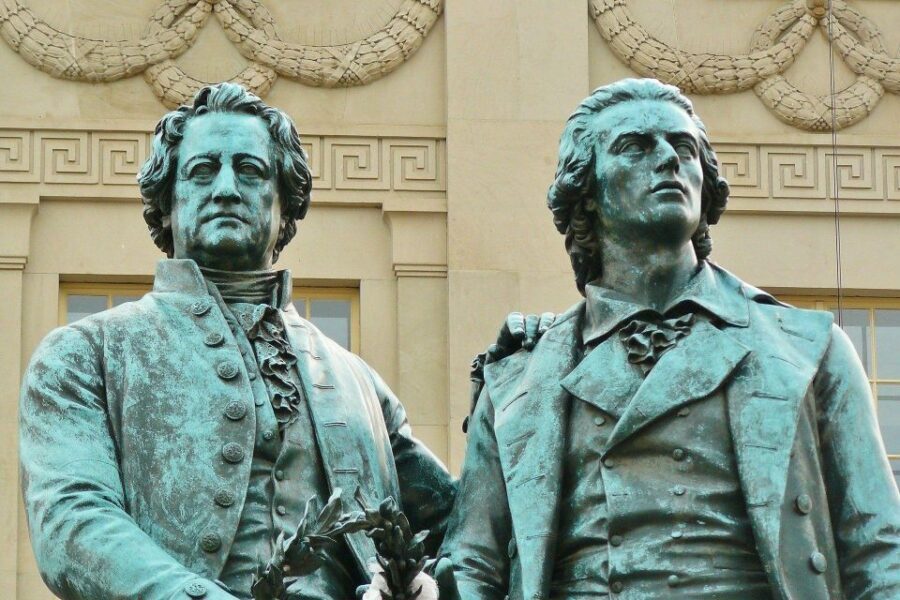
The meeting point is Markt 20, 99423 Weimar. That puts you right where the city’s central rhythm is easiest to read, and it’s a good starting base for a walk that’s meant to feel tight and purposeful.
This is a 2-hour private tour for a group size up to 15. In practical terms, that means you’ll cover several key sites without the long, tiring gaps that often happen when a route is too spread out.
Your guide is local and works only with your group. The tour is also described as possibly customizable on the spot, which is helpful if you want more time on the Goethe–Schiller story or want to zoom in on the political side of Weimar Republic history.
Goethe and Schiller memorials in front of the National Theater
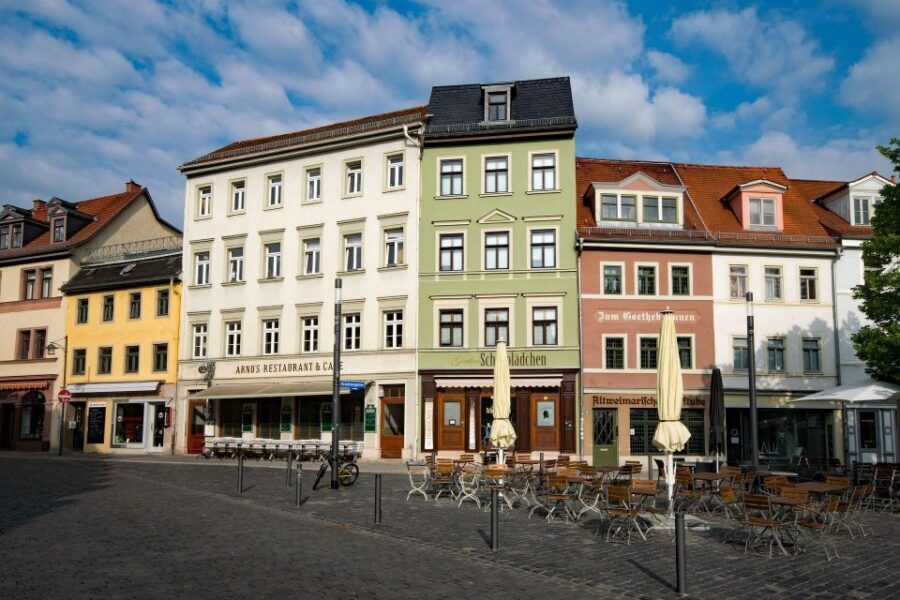
One of the first cultural anchors is the Goethe and Schiller memorial standing in front of the National Theater. It’s the kind of place where a statue makes sense fast—once someone gives you the human context.
Here’s what you should expect to hear and look for: these two names didn’t just share an era. They shared a working relationship that fueled intense creative collaboration. A good guide will help you see that friendship as more than a warm anecdote, and more like a creative engine that shaped output and reputations.
This stop is also a reminder that Weimar wasn’t only a private salon city. It had public institutions—like the theater—where cultural life landed in front of real audiences. That’s a key idea if you’re trying to understand why Weimar became a magnet for thought and art.
The House of the Weimar Republic and why 1919 matters
Next up is the House of the Weimar Republic, tied to 1919 and decisions about the future of post–World War I Germany. Even if you know the outline of the Weimar Republic, seeing where the story connects to buildings is a fast way to make it feel real.
I like that the tour treats politics as part of culture, not a separate topic. Weimar’s intellectual reputation didn’t float in a vacuum. It connected to how Germany tried to rebuild after catastrophe—and how those choices shaped the next decades.
In a short walking tour, this stop plays a useful role: it shifts the mood from “poets and composers” into “what happens when ideas become governance.” If you’re the type who likes history with context, this is where you’ll feel the tour’s structure click.
Saint Peter and Paul Church: Luther’s preaching and Anna Amalia’s ties
The tour includes Saint Peter and Paul Church, described as gothic. This stop is especially strong if you like religious history that’s tied to major cultural figures.
You’ll get two concrete, story-starting facts: Martin Luther preached here, and theologian Johann Gottfried Herder is buried here. The tour also links the church to Duchess Anna Amalia, making her more than a footnote.
Why this matters for you as a visitor: churches in Europe often look like art and architecture first, but the people connected to them can add an extra layer quickly. Anna Amalia’s role is tied to Enlightenment-era influence in Weimar, and the burial connection helps turn that influence into something you can actually locate.






Goethe’s House on Frauenplan and the working life behind Faust
The tour stops at Goethe’s House on Frauenplan, where Goethe worked on his major work, Faust, and lived there until the end of his life. That’s the kind of detail that can change how you read the story, even if you don’t go inside.
I like how this stop naturally balances myth with daily reality. Faust often gets talked about like it landed fully formed. Here, the tour frames it as something made during years of living, working, and thinking in the same place.
If you’re into German literature, this is a strong “connect-the-dots” moment. The city becomes a workspace. The writer’s life becomes a map you can follow with your eyes, not just a timeline you remember for a quiz.
Liszt Haus for Franz Liszt: music as part of the Weimar story
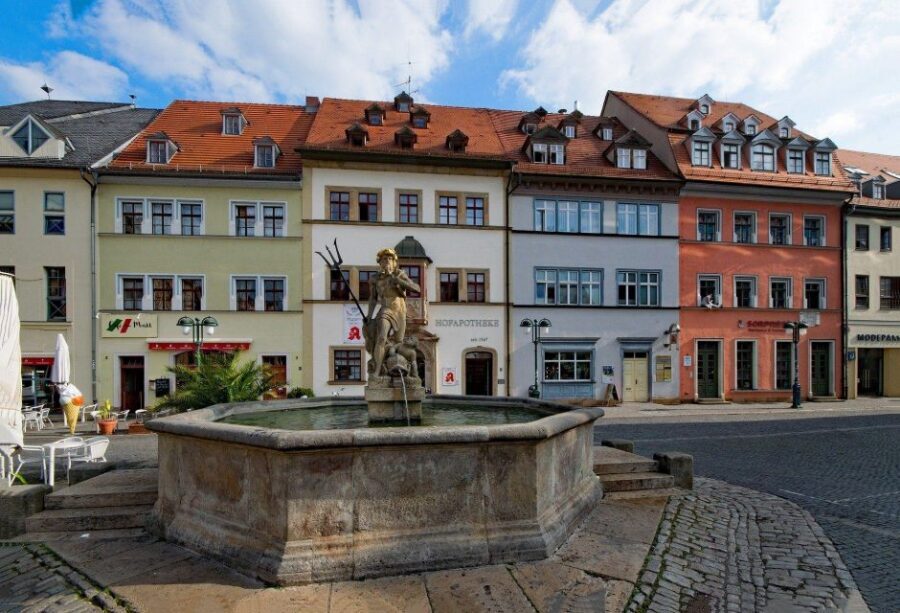
You’ll also visit the Liszt Haus, where composer Franz Liszt lived and taught. This is one of those stops that helps Weimar make sense as a culture center instead of a literary town.
Music changes the pace of your imagination. Instead of reading names and dates, you start thinking about mentorship and teaching—who shaped whom, and how students and ideas traveled through a city.
Even if you’re not a Liszt expert, the simple fact that he lived and taught here gives you a practical way to connect Weimar to musical life. You can stand in the same general cultural environment and understand why Weimar drew big thinkers across disciplines.
Schiller’s House: a city built on friendship and invitations
Another key stop is Friedrich Schiller’s House. The tour highlights that Schiller came to Weimar under Goethe’s invitation.
That’s a big deal in plain language. Friendships matter more than we usually admit when we talk about history. Here, the story is literally built into the idea of an invitation—someone bringing another creator into a new environment where collaboration becomes possible.
I like that this stop rounds out the “friendship thread” in a physical way. You move from the Goethe–Schiller memorial and the friendship story into the lived reality of how one writer ended up in Weimar to work with the other.
Where Lucas Cranach, Nietzsche, and Weimar’s thinkers fit in
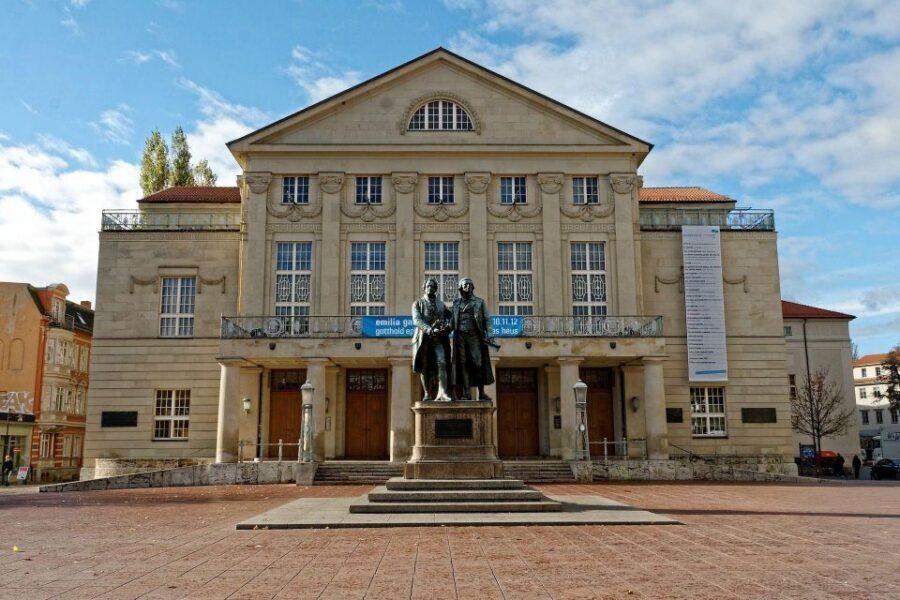
Weimar isn’t only about the late-1700s classicists. The tour background connects the city to earlier and later intellectual figures too, including Lucas Cranach near the Market Square, plus Friedrich Nietzsche among the names associated with Weimar.
Even if your route is short, this context helps you understand what kind of city Weimar became: a place where multiple generations of thinkers could see themselves as part of a bigger conversation. That’s useful when you’re walking and trying not to feel like you’re just reading a brochure.
You may also hear mention of other composers tied to German musical culture—like Bach—as part of the tour’s broader framing of philosophy and music as part of the same cultural world.
Walter Gropius and the Bauhaus twist after the classicists
One of the tour highlights is the groundbreaking influence of Walter Gropius and the Bauhaus movement. That’s an important tonal shift, because it stretches the story forward from writers and church history into modern design and art theory.
This works well in a walking format because you’re not expected to learn a full architecture course in 2 hours. Instead, you’re getting a guiding narrative: Weimar began as a hub for classic culture and ideas, and later it connected to a different kind of creative revolution.
If you’re interested in design history, this stop keeps your visit from becoming only literature sightseeing. If you’re not, it still helps, because it shows how Weimar’s cultural influence didn’t stop after one century.
Price and value: is $280 per group worth it?
The price is $280 per group up to 15 people, for a 2-hour tour. That sounds high at first glance, until you think about what you’re actually buying: a local professional guide dedicated to your group, plus a carefully chosen route through major Weimar sites in a short time window.
Here’s how I’d judge value in real terms:
- If you’re traveling with 2–6 people, this is often worth it because you’re not splitting a big museum-style ticket—you’re paying for interpretation and a plan that saves time.
- If you’re traveling solo, the value depends on whether you prefer guided storytelling over self-guided wandering. With entrance fees not included, your wallet impact becomes clearer once you know what you want to go inside.
- If you’re traveling with a small group, the per-group pricing keeps it from turning into a “per person” negotiation.
The tour’s structure also helps. You’re not just seeing a building and moving on. The tour’s framing around friendship, Enlightenment influence, and the Weimar Republic gives you a reason to care about why each stop exists.
A note from the kind of guide described in recent experiences: the guide experience has been praised for mixing historical and cultural knowledge with a humor-forward presentation. That matters because Weimar topics can be heavy if explained dryly.
Who should book this tour
This is a smart fit if you:
- Want an easy way to connect Goethe and Schiller to their actual city locations
- Like history that links culture to politics, especially with the Weimar Republic stop
- Prefer a private group pace rather than being packed into a large tour crowd
- Care about more than one discipline, with music (Liszt) and the Bauhaus/Gropius thread included
If you want a long museum-style day with lots of interior time, this might feel short, especially since entrance fees aren’t included. But as an orientation and story-driven walk, it’s strong.
Should you book the Weimar Private Guided Walking Tour?
Book it if you want a 2-hour route that explains why Weimar mattered, not just where things are. The Goethe–Schiller friendship angle gives the tour a clear spine, and the mix of sites—from Luther-connected church history to the Weimar Republic and the later Bauhaus influence—keeps it from becoming one-note.
Don’t book it if you’re specifically chasing only indoor attractions and you don’t want to think about entrance fees. Also, if your ideal day is slow and deeply detailed, you may find a 2-hour walk a bit fast.
FAQ
How long is the Weimar private guided walking tour?
The tour lasts 2 hours.
Where does the tour meet?
It meets at Markt 20, 99423 Weimar.
What languages are available for the live guide?
The live guide is available in English and German.
Is this tour private?
Yes, it’s a private group.
Are entrance fees included?
No. Entrance fees are not included.
What is the cancellation policy?
Free cancellation is available up to 24 hours in advance for a full refund.