REVIEW · WEIMAR
Weimar: Old Town Guided Walking Tour
Book on GetYourGuide →Operated by Tourist Information Weimar · Bookable on GetYourGuide
Weimar’s streets explain big ideas fast. This guided walk threads together Weimar Classicism, the city’s Bauhaus connections, and stories tied to the Weimar Republic, all at an easy strolling pace. You’ll move through the historic center from Neptun Brunnen toward Theaterplatz, with photo stops built in along the way.
I especially like the tour’s 1–2 hour structure. It’s long enough to give you a clear sense of the city, but short enough that you don’t burn an entire day just for an overview. I also like that the German-speaking guide doesn’t just recite dates, but mixes facts with entertaining anecdotes, which makes the history easier to remember.
One thing to consider: this is not suitable for wheelchair users or people with mobility impairments. And since it runs rain or shine, plan on comfortable shoes and weather-appropriate layers so you can enjoy the route without rushing.
In This Review
- At-a-Glance: Why This Weimar Walk Works
- Following Weimar Classicism, Bauhaus Roots, and the Weimar Republic on Foot
- Getting Started at Neptun Brunnen: Your Orientation Point
- Market Square Weimar: Quick Photos, Clear Context
- Square of Democracy: Weimar Republic Notes That Stick
- Through the Park: A Breather in the Middle of History
- Goethe’s Residence: Weimar Classicism Feels Personal
- Schillerstraße: From Architecture to Poetry Streets
- Theaterplatz Finish: The Poet Duo Monument Closes the Loop
- What You Get for $11: Value That’s Really About Context
- Practical Tips So You Enjoy It (Not Just Survive It)
- Who This Walking Tour Fits Best
- Should You Book This Weimar Old Town Guided Walking Tour?
- FAQ
- How long is the Weimar Old Town guided walking tour?
- How much does the tour cost?
- Where does the tour start?
- Where does the tour end?
- Is hotel pickup or drop-off included?
- What language is the live tour guide?
- Does the tour run in bad weather?
- What is the cancellation policy?
- Is this tour suitable for wheelchair users or people with mobility impairments?
At-a-Glance: Why This Weimar Walk Works
- Neptun Brunnen start gives you a clear anchor point before you head into the core sights
- Market Square photo stop is a fast way to orient yourself in Weimar’s layout
- Square of Democracy connects you directly to Weimar Republic context
- Goethe’s residence stop ties literary fame to physical place, not just names
- Schillerstraße keeps the walking rhythm while you pick up more culture-woven details
- Theaterplatz finish lands you at the monument of the poet duo, a satisfying closing moment
Following Weimar Classicism, Bauhaus Roots, and the Weimar Republic on Foot
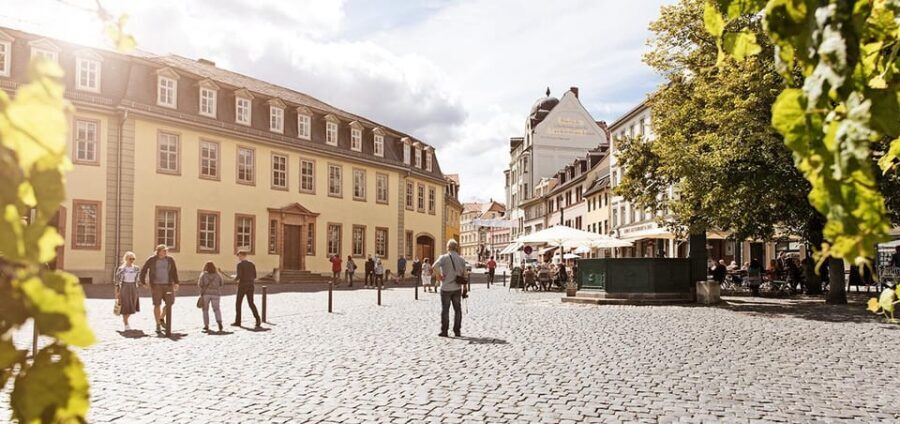
This is the kind of tour that gives your brain a map. Weimar can feel like it has too many famous names packed into a small area, but a guided walk helps you connect the dots between architecture, literature, and political history. In a short stretch of time, you’ll get a guided storyline that links Weimar Classicism to the city’s later influence on the Bauhaus.
The price is also part of the appeal. At about $11 per person for a live guided walking tour that lasts 1–2 hours, you’re paying for orientation and context more than for transport or museum time. That’s good value if you want history explained in plain language while you actually see the buildings and squares.
Because it’s a walking tour, you’ll also enjoy a more local pace. Instead of hopping between disconnected highlights, you experience the city as a sequence—starting where people gather, passing through civic spaces, then ending at a cultural center.
You can also read our reviews of more walking tours in Weimar


Getting Started at Neptun Brunnen: Your Orientation Point
The tour begins at Neptun Brunnen, so you start with something concrete and easy to locate. Before you even reach the main squares, you’ll likely get a quick framing of what you’re about to see: how Weimar’s identity grew from classicism and writers, then later echoed through major cultural movements like the Bauhaus.
This opening matters more than you might think. When your day starts with a clear direction, the rest of the route feels like a story instead of a list. And since there’s no hotel pickup, having a known meeting spot helps you plan your timing and get there without stress.
Market Square Weimar: Quick Photos, Clear Context
Next up is Market Square Weimar. Expect time for a photo stop, plus guided commentary aimed at helping you understand why this area matters. Market squares are often the social and practical heart of German towns, and in Weimar that central location becomes a starting point for the tour’s broader historical connections.
What I like about this stop is the balance: you’re not stuck staring at one view for a long time. You’re given enough context to recognize what you’re looking at, then you move on while the details are still fresh in your mind.
If you’re the type who likes to capture a few meaningful photos early, this is a good place to do it. You’ll have a chance to frame the surroundings before the route shifts into more literary and political themes.
Square of Democracy: Weimar Republic Notes That Stick
At the Square of Democracy, the tour shifts from general city life into political context. This is where you get the “why” behind the buildings and names—especially through the lens of the Weimar Republic. Even if you only know the basics, a good walking guide can make the era feel less distant and more understandable.
This stop is also helpful because squares are easy to read. Landmarks are visible, and you can look around and see how people would have experienced the space. That makes the guide’s explanations land better than they would in a classroom or museum label.
The main consideration here is focus. With photo stops and sightseeing along the route, it’s tempting to drift. Keep your attention on what the guide points out, and you’ll walk away with a more coherent sense of Weimar’s political identity.
Through the Park: A Breather in the Middle of History
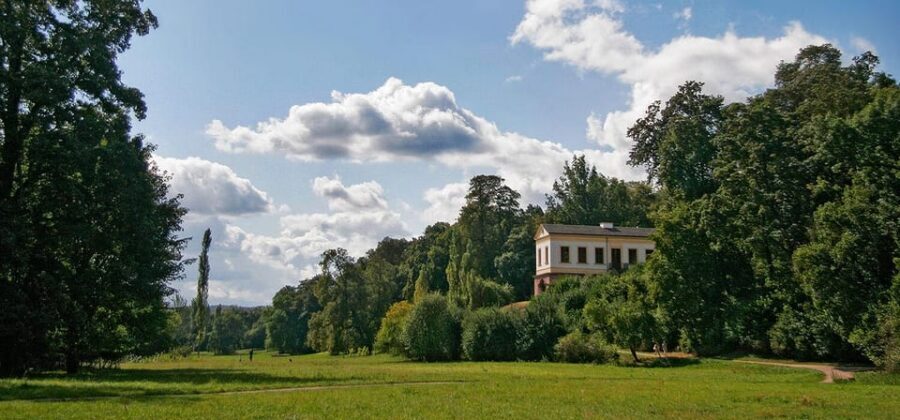
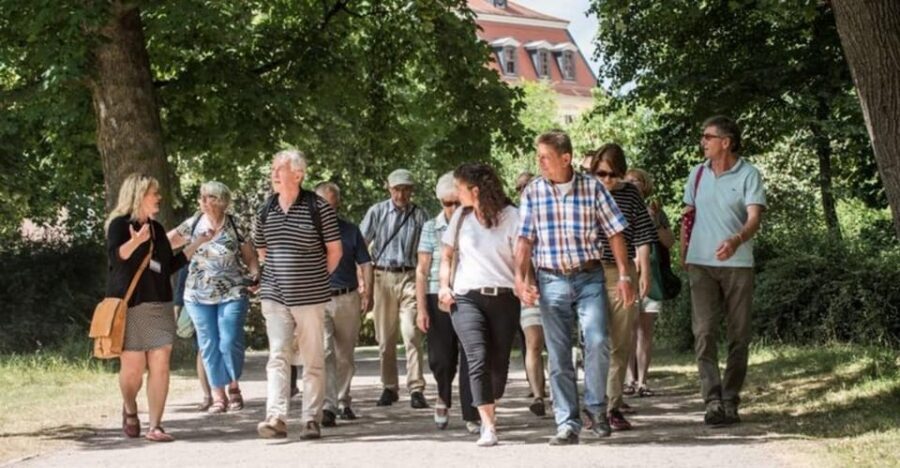
Between the civic squares and the writer-centered sites, there’s a stop near the park. This kind of pause is practical. It breaks the walking rhythm and gives you a moment to reset before the tour leans harder into cultural landmarks like Goethe’s area and the poet-related streets.
It also helps you read Weimar differently. Not every moment is meant to be about monuments. Sometimes the city’s shape—open space, walking paths, and the way streets connect—helps you understand the culture around it. Even when you’re focused on history, those small breaks make the overall tour feel more comfortable.






Goethe’s Residence: Weimar Classicism Feels Personal
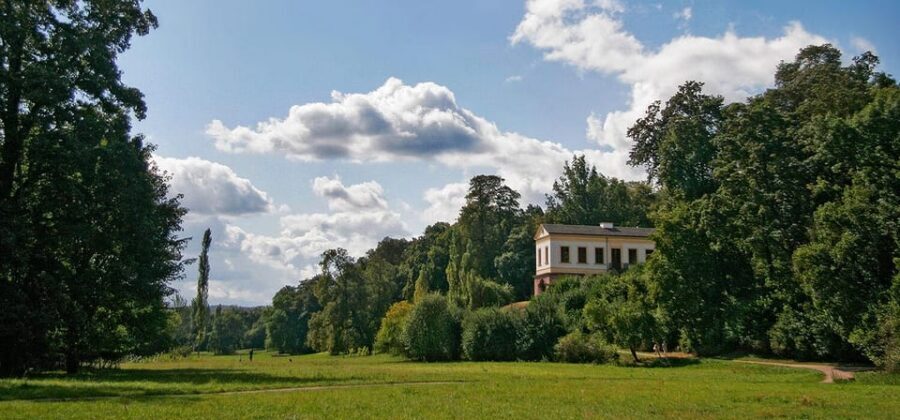
Then you’ll head to Goethe’s residence. This is one of those stops where the guide’s job matters most. Seeing a famous person’s home is always interesting, but what makes it worth your time is the explanation of how that place fits into Weimar’s world of Classicism and literary status.
This stop connects names to geography. Instead of treating Goethe as an abstract figure from a textbook, you see the kind of environment that supported his era. That can make everything click, especially if you’ve previously learned about Weimar through books rather than locations.
One practical note: since the tour is outdoors and walking-based, keep your camera ready but don’t rush. You want a few solid frames, then you want to hear what the guide is pointing out.
Schillerstraße: From Architecture to Poetry Streets
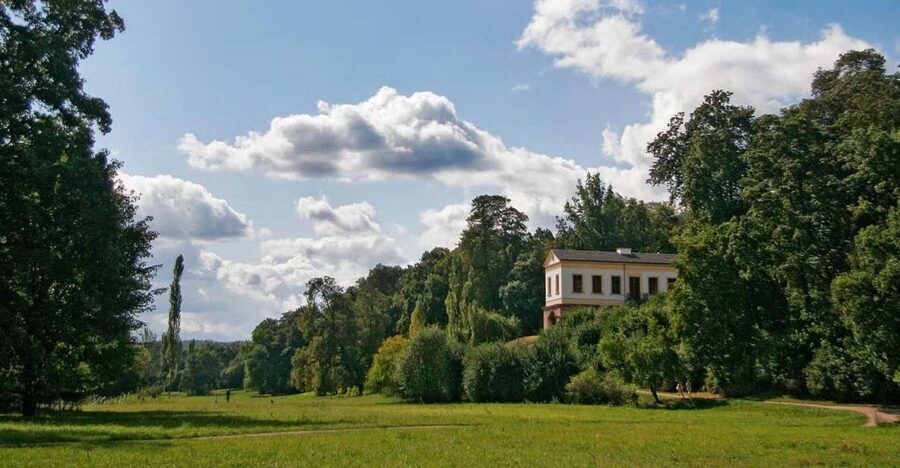
Next comes Schillerstraße, again with a photo stop and guided commentary. This is where the tour’s tone stays lively. The guide’s explanations help you see how Weimar’s streets connect the city’s literary reputation to the physical routes people actually walk.
Schillerstraße works well mid-tour because by now you’ve already learned the “big themes” and you’re starting to see how they show up in everyday places. It’s not just squares and residences. Streets give you a sense of flow—where culture sat in relation to daily life.
If you’re traveling with someone who prefers practical sights over long lectures, this part can still win them over. A walk along a named street is simple to follow, and the guide can fill in the meaning without turning it into a dry history session.
Theaterplatz Finish: The Poet Duo Monument Closes the Loop
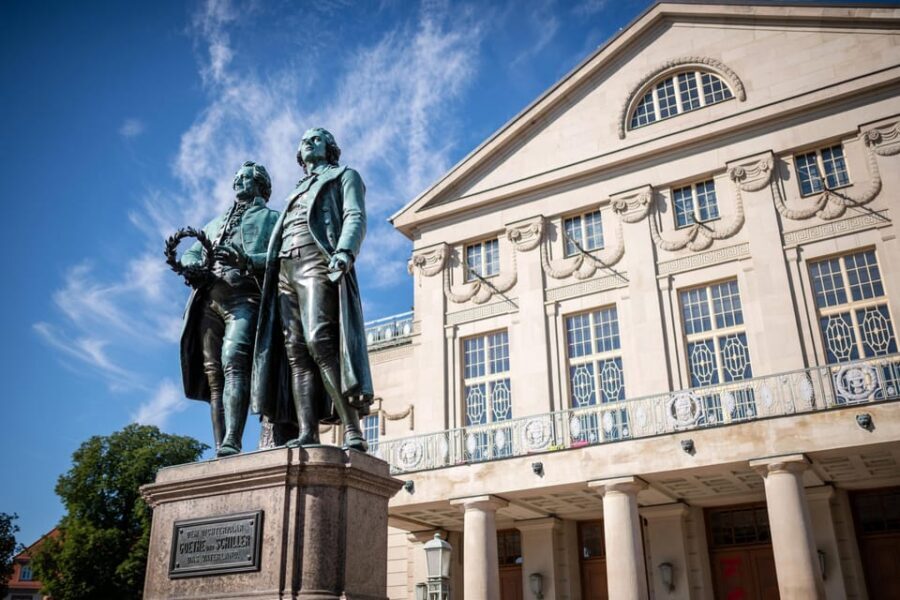
The tour culminates at Theaterplatz, where you’ll find the monument of the poet duo. This ending spot feels satisfying because it ties the walk back to culture and storytelling. After all the civic context and writer-centered stops, this is where the city’s identity turns visible in a single focal point.
Ending at Theaterplatz also helps with timing. It’s the kind of central location where you can easily continue your day afterward—grab a snack nearby, stroll a bit more, or connect to other sights without needing a complicated plan.
This final stop is also a great moment to pause and look around. The best walking tours leave you with a mental picture of how everything connects. Here, you’re likely to feel that “I get it now” shift—Weimar isn’t just famous for names; the city layout helps explain why those names mattered.
What You Get for $11: Value That’s Really About Context
At around $11 per person, this tour is priced for access. You’re not paying for transportation or a museum ticket. You’re paying for a live guide who turns the city’s landmarks into a connected story: Weimar Classicism, the cradle of the Bauhaus, and the Weimar Republic.
That’s the real value: context you can carry. If you’ve ever visited a historic center and felt like you were reading signs without a bigger picture, this format tends to fix that. A structured route makes it easier to remember what you saw, not just what you passed.
Also, the duration helps. 1–2 hours is long enough to learn, but short enough to stay flexible. If you’re trying to fit Weimar into a day trip, this tour can act like your fast orientation layer.
Practical Tips So You Enjoy It (Not Just Survive It)
Since it’s a guided walking tour that runs rain or shine, don’t pack this like a sunshine-only activity. Bring weather-appropriate clothing and stick to comfortable shoes. In winter months or damp conditions, your feet will make the difference between enjoying the guide and counting minutes.
Also remember there’s no hotel pickup. You’ll want to arrive with enough buffer time to find Neptun Brunnen and settle in before the walk starts. When you’re showing up solo or on a tight itinerary, this matters.
Finally, since the guide speaks German, it can still work well if your German is basic, but you’ll get the most out of the tour when you can follow the explanations. If German is a challenge for you, think of it as a visual and narrative experience where clarity comes from both listening and looking.
Who This Walking Tour Fits Best
This tour is a strong choice if you:
- want an overview of central Weimar in a short time
- like history that stays human and story-based
- enjoy architecture and street-level context more than museum-only stops
- travel with someone who appreciates culture-linked stops (squares, residences, street names)
It’s also a good option for first-time visitors because it hits major thematic points without forcing you to make complicated decisions.
If you need mobility support, this is not the right fit. The tour isn’t suitable for people with mobility impairments, wheelchair users, or visually impaired people, since it’s designed as an outdoor walking route.
Should You Book This Weimar Old Town Guided Walking Tour?
If you want a compact, low-cost way to understand why Weimar matters, I’d say yes. This is the sort of tour that can turn a quick stroll into a meaningful sequence—connecting Goethe, the cultural streets like Schillerstraße, civic spaces tied to the Weimar Republic, and a clear finish at Theaterplatz.
Book it when you have limited time, want a guided storyline, and you’re comfortable walking for up to two hours. Skip it if walking distance or outdoor conditions are a problem for you, because the tour runs rain or shine and it’s not designed for mobility or visual accessibility needs.
FAQ
How long is the Weimar Old Town guided walking tour?
The tour lasts 1–2 hours, depending on starting times and the pace of the group.
How much does the tour cost?
The price is listed as $11 per person.
Where does the tour start?
The starting location is Neptun Brunnen.
Where does the tour end?
The tour finishes at Theaterplatz.
Is hotel pickup or drop-off included?
No. Hotel pickup and drop-off are not included.
What language is the live tour guide?
The live tour guide is German.
Does the tour run in bad weather?
Yes. The tour takes place rain or shine.
What is the cancellation policy?
You can cancel up to 24 hours in advance for a full refund.
Is this tour suitable for wheelchair users or people with mobility impairments?
No. It is not suitable for people with mobility impairments, wheelchair users, or visually impaired people.