REVIEW · BERLIN
Visita en español al campo de concentración Sachsenhausen
Book on Viator →Operated by CULTURE AND TOURING TOURS · Bookable on Viator
Berlin has a way of pulling you toward hard truths. This Spanish-language Sachsenhausen tour turns a bleak memorial visit into something you can actually understand, with a guide translating the meaning of what you’re seeing into plain, human terms. And yes, it’s heavy—but it’s also structured, respectful, and focused.
I especially love two things: the way the guide connects the site to how the system worked day to day, and the fact you get a full circuit of major areas (not just a quick walk-by). One thing to consider: the visit moves on a tight schedule, so if you need extra time to process slowly—or you’re traveling with kids who may not keep pace—be prepared for a bit of time pressure.
In This Review
- Key highlights you’ll feel right away
- Sachsenhausen in Spanish: what makes this tour work
- Price and what you truly get for $34.58
- Meeting in Pariser Platz 4 and the Berlin-to-Oranienburg day plan
- Inside the memorial: the route from entry to Tower A
- Execution area and daily life context: why the guide matters here
- What to do (and bring) so you don’t lose time or energy
- Mobile ticket, small group, and real organization
- Who this tour suits best (and who might rethink it)
- Should you book this Spanish Sachsenhausen tour?
- FAQ
- What language is the Sachsenhausen tour?
- How long does the tour take?
- What’s included in the ticket price?
- What do I need to bring for transportation?
- How big is the group?
- Does the tour run in bad weather?
Key highlights you’ll feel right away
- Spanish guidance that makes details click: you’re not stuck with vague descriptions or a language gap
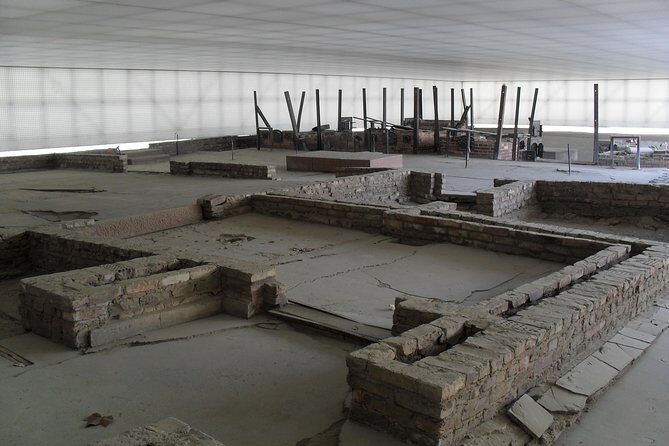
- A whole-camp walkthrough: entry points, barracks, kitchen area, execution zone, and key buildings
- Tower A and the execution area in focus: the route helps you understand why these spots matter
- Small group size (up to 30): easier to ask questions and stay together
- Time-efficient pacing: a good plan, but it can feel strict if you want to linger
- Transport from Berlin and return covered: the day is set up so you don’t have to figure out the route
Sachsenhausen in Spanish: what makes this tour work
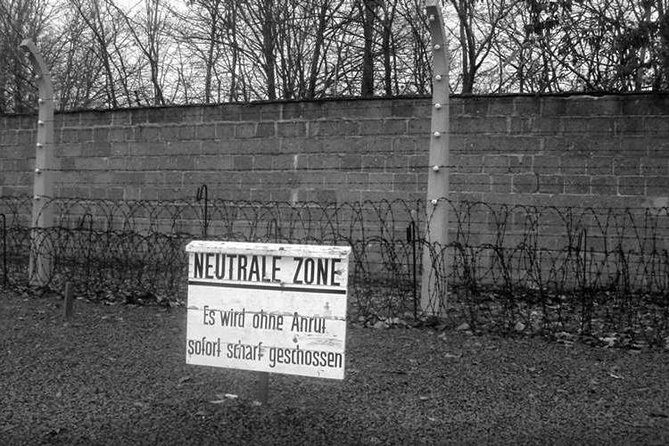
Sachsenhausen is not the kind of place where you can wander and “pick up the vibe.” You need context. That’s where this tour earns its keep. The guide’s job isn’t just to point at buildings; it’s to explain the logic of the Nazi system so the memorial doesn’t feel like disconnected ruins.
I like the Spanish format because it makes the experience usable. When someone like Vicent or Ivan (names you might encounter among guides) explains events clearly, it stops being a history lesson you tolerate and turns into history you can follow. In the same way, guides such as Alberto, Francisco, Jorge, or Eduardo are repeatedly noted for patient, organized explanations—important here, because the subject is emotionally intense and you’ll likely have questions.
The other reason this tour works is the focus on key areas, including the execution zone and major administrative structures. That matters because Sachsenhausen isn’t only about one room or one corner. It’s the whole machine—where people were processed, contained, controlled, and punished.
You can also read our reviews of more tours and experiences in Berlin.


Price and what you truly get for $34.58
At $34.58 per person, you’re not paying for a fancy “experience.” You’re paying for a guided visit with the admission ticket included and round-trip logistics from Berlin.
From a value standpoint, this price makes sense if you:
- want a professional guide rather than self-guided wandering,
- plan to visit enough of the site that admission time isn’t wasted,
- appreciate a Spanish-language explanation without juggling headphones and translations.
What’s not included is also useful to know up front. You’ll need to handle food and drinks yourself (unless the guidebook value-added offers apply). And you’ll also need the Berlin transport ABC card—bring it purchased, because it’s specifically called out as required.
If you go thinking this will be a casual “tour of Germany,” you’ll be disappointed. If you go ready for a structured memorial visit with real explanations, the price feels fair.
Meeting in Pariser Platz 4 and the Berlin-to-Oranienburg day plan
The day starts at Pariser Platz 4, 10117 Berlin, with a 9:00 am start. From there, the tour is set up as a day trip, ending at the Sachsenhausen Memorial & Museum (Str. d. Nationen 22, 16515 Oranienburg).
You should plan for a total duration of about 5 hours. That sounds straightforward, but the important part is how time is allocated. The guided time at the memorial itself is around 3 hours, which is long enough for a real route—especially because the tour covers multiple zones across the camp.
A practical note: the tour operates in all weather conditions, so wear clothes you can tolerate for a full schedule outdoors. In winter, this matters a lot. I’d rather you show up warm than “tough it out” and miss half the explanation because you’re cold.
Also, the group size is capped at 30. In real life, that often keeps things organized, and it usually means you can hear the guide and ask questions without feeling lost in a crowd.
Inside the memorial: the route from entry to Tower A
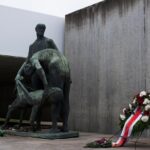
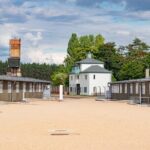
The memorial visit starts at Gedenkstatte und Museum Sachsenhausen and is described as both interior and exterior. You’ll follow a guided path that hits many of the camp’s core buildings and areas, including:
- Armería (armory)
- Entry area
- Casino
- Headquarters
- Tower A
- Execution area
- Barracks
- Kitchen area
That list is more than a checklist. Each location helps you understand different layers of how the camp functioned. The entry and surrounding areas help you grasp how control began. Headquarters-type buildings connect to decision-making and command structures. Tower A signals surveillance and visibility. And areas like the barracks and kitchen connect the system to daily life, not just dramatic moments.
Some of the guides praised in Spanish are highlighted for storytelling with respect and clarity. That approach matters because the site includes places that can feel confusing or emotionally overwhelming. A good guide slows you down just enough to make sense of what you’re looking at, without turning the memorial into theater.
One drawback to flag: the visit can feel clocked. A few people found the pacing stressful, especially when they wanted more time to take in details. If you’re the type who likes to read everything slowly and stare a bit too long at plaques, you may wish there were extra minutes. It’s still a strong route—but it’s designed to cover a lot.
Execution area and daily life context: why the guide matters here
The execution area is one of the most difficult parts to face anywhere, and it can’t be treated like a normal stop on a sightseeing circuit. On this tour, it’s not just “over there”—it’s framed so you understand what the place represented within the overall system.
Equally important, the tour aims to connect the horrors of the Nazi regime to day-to-day functioning. That means you’re not only hearing about extreme events. You’re learning how the camp’s rules, organization, and routines contributed to suffering. Guides are praised for sharing anecdotes and explanations that make the history feel real rather than distant.
You’ll likely get the best value if you go in ready to ask questions. This tour is set up for that: Spanish-speaking guidance means you can follow the details and clarify what you don’t understand. And if your Spanish is strong enough, you’ll pick up more nuance than you would with a simplified English-only explanation.
One more small practical thing: the tour can divide the group into smaller segments with different guides at times. That can be a positive—people hear more clearly and questions become easier—but it also means your group’s pace might not match someone else’s. Just trust that your guide is leading the route you need.



What to do (and bring) so you don’t lose time or energy
This is a memorial day. The goal is to protect your attention and your energy so you can take in the explanations.
Here’s what I’d recommend based on the practical requirements:
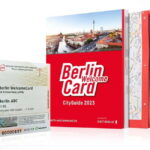
- Bring your Berlin transport ABC card (already purchased), since it’s required.
- Dress for the weather. The tour runs outdoors in all conditions.
- Wear comfortable walking shoes. Even when the route looks simple on a map, you’ll be moving steadily.
- Keep your expectations realistic. Around 3 hours inside the memorial means you’ll see a lot, but you won’t have unlimited linger-time.
If you’re sensitive to intense environments, consider going with a mindset like: I’m here to learn and to remember, even if I need a moment to breathe. A guided route is useful because it gives you structure when your emotions try to take over.
Mobile ticket, small group, and real organization
The tour uses a mobile ticket, which is convenient. There’s no fussy paper hunt at the last second.
Organization is a recurring strength. People talk about punctuality and staying together from the pick-up point until the end of the visit. That matters on memorial days because if logistics get messy, the experience turns into stress—which is the wrong feeling for this topic.
With a maximum of 30 people, you also get the benefit of a group size that supports dialogue. You’re not shouting over a busload of noise. You should feel comfortable raising questions during the route.
And the guides—people specifically name Spanish-speaking guides such as Micaela, Vicente/Vicent, Ivan, Edu, Mika, Jorge, Francisco, and Alberto—are repeatedly praised for professionalism and patience. I’d treat that as a sign that the tour is designed for understanding, not just “coverage.”
Who this tour suits best (and who might rethink it)
This is ideal if:
- you want a Spanish-language guide so the history lands clearly,
- you care about seeing major areas of the camp (not only a couple of photo stops),
- you appreciate structure and guidance in an emotionally heavy setting.
It may be a tougher fit if:
- you dislike timed pacing and prefer lingering longer in quiet areas,
- you’re traveling with children who may need a slower rhythm and more frequent breaks,
- you’re looking for a casual “overview” style tour with lots of free time.
That doesn’t mean it’s wrong for kids. It just means you should know the schedule can feel strict. If you go with expectations of a quick, orderly walkthrough, you’ll be happier. If you go hoping for a slow, quiet museum day, this one might feel short.
Should you book this Spanish Sachsenhausen tour?
Yes—if you want the memorial experience to be understandable, respectful, and efficient.
Book it if Spanish guidance is important to you, because the explanations help you connect each part of the camp to how the system worked. The price also fits the value: admission included, a professional guide, and round-trip logistics from Berlin.
I’d hold off or choose another format if you need extra time to linger in silence, or if your group struggles with strict timing. The route covers a lot in about 3 hours on site, and that pacing is part of what makes it work.
FAQ
What language is the Sachsenhausen tour?
The tour is specifically offered as a Spanish-language visit, with a guide helping you understand the camp in Spanish.
How long does the tour take?
The total tour time is about 5 hours, with around 3 hours spent on the guided visit at the Sachsenhausen memorial.
What’s included in the ticket price?
A professional guide is included, the local guide is included, and the admission ticket for the memorial is included.
What do I need to bring for transportation?
You must bring a purchased Berlin transport ABC card, since it is required and not included.
How big is the group?
The tour has a maximum of 30 travelers.
Does the tour run in bad weather?
Yes, it operates in all weather conditions, so you should dress appropriately for the conditions.