REVIEW · HAMBURG
St. Pauli: Daytime Tour
Book on GetYourGuide →Operated by Hamburg Erlebniswelt e.K · Bookable on GetYourGuide
St. Pauli doesn’t hide its past. In just 1 hour, this English walking tour takes you through Hamburg’s most famous adult-entertainment streets in daylight, with stories that run from strange to scandalous and back again. You’ll hit key landmarks like the Davidwache police station, Herbertstraße, Hans-Albers-Platz, and Große Freiheit, plus the broader “Sinful Mile” atmosphere around the Reeperbahn.
I especially like the focus on human storytelling in a tight route. You get the sex-work history behind the neighborhood, and you also get the lighter side: thrilling and humorous stories told as you walk. The second thing I like is the daytime contrast—morning St. Pauli feels different than what most people imagine, so you can actually process what you’re seeing.
The main drawback is tone. This tour centers on sex work and the red-light district’s history, so it’s not for anyone who wants a totally sanitized, family-friendly walk. Also, it’s not suitable for wheelchair users, and you’ll want comfortable shoes because it’s still a walking route.
In This Review
- Key highlights I think you’ll notice fast
- St. Pauli in the Morning: What Changes When the Sailors Are Gone
- Davidwache Police Station: Your Starting Line for the Real Stories
- Reeperbahn and the Walk to the Sinful Mile
- Herbertstraße and the History of Sex Work
- Hans-Albers-Platz and Große Freiheit: Beatles, Music, and Street Culture
- The Stops You’ll Pass, In Order, and What Each One Gives You
- How the 1-Hour Format Works (and How to Get the Most)
- Price and Value at About $19 for a Guided Neighborhood Story
- Who This Daytime St. Pauli Tour Suits Best
- Should You Book This St. Pauli Daytime Tour?
- FAQ
- How long is the St. Pauli Daytime Tour?
- Where does the tour start and end?
- Is the tour offered in English?
- What stops are included on the route?
- What should I bring?
- Is it suitable for wheelchair users?
- What’s included in the price?
- Can I cancel and get a refund?
Key highlights I think you’ll notice fast
- Davidwache as your anchor: Start right at the Polizeikommissariat 15 and use it as the jumping-off point for the area’s stories.
- Herbertstraße in daylight: See the “most sinful place in Hamburg” while the streets are calmer and easier to take in.
- Sex-work history with context: Learn how the neighborhood got its reputation and how it changed over time.
- Footsteps of famous names: Follow connections to the Beatles, Hans Albers, and Olivia Jones around the same streets that shaped local culture.
- Entertainment venues come up naturally: The walk references places like the Dollhouse and the legendary clubs linked with Olivia Jones.
- Short, guided, and story-driven: A one-hour format makes it ideal for getting oriented without losing the rest of your day.
St. Pauli in the Morning: What Changes When the Sailors Are Gone
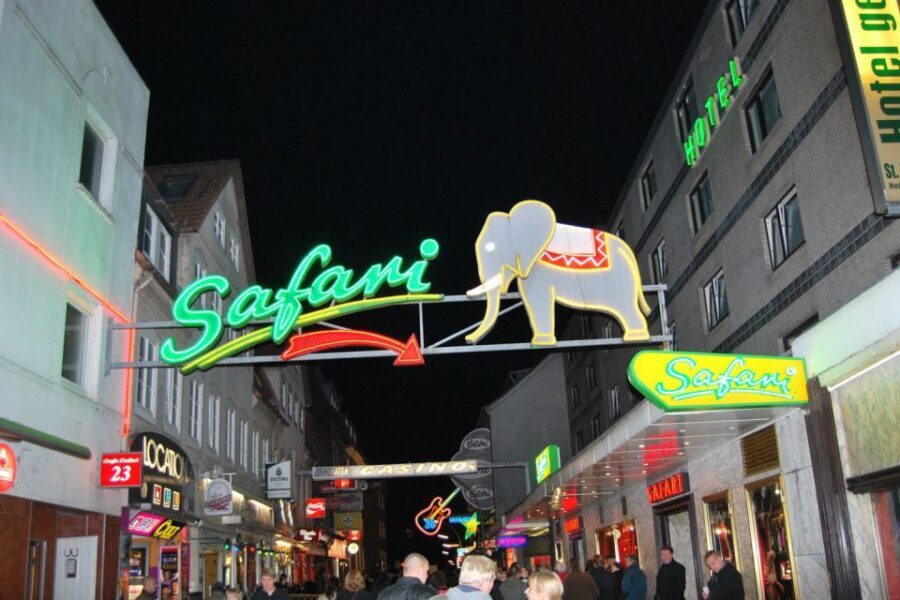
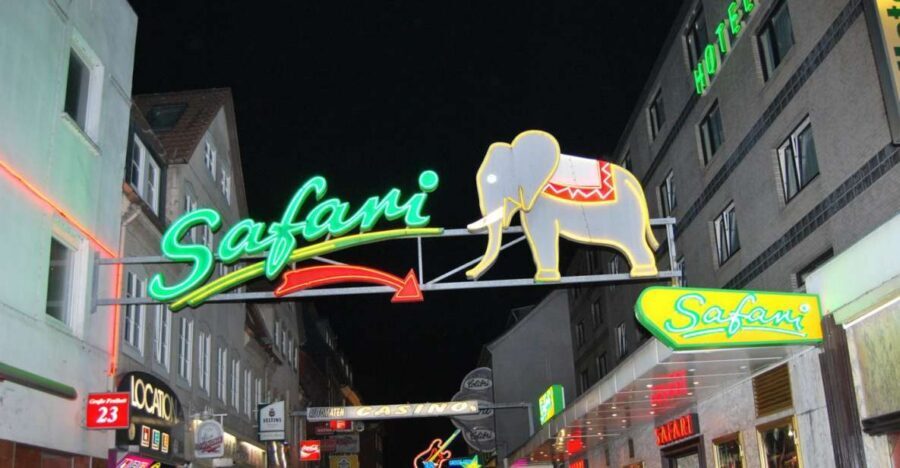
There’s a reason this is a daytime tour. The Reeperbahn is still the Reeperbahn, but in the morning it’s far less about sailors stumbling into trouble and far more about a working neighborhood doing its thing. That matters because the tour is trying to teach you how the place works—not just how it looks at night.
I like the way this format lets you pay attention. When the streets are calmer, you can actually notice the buildings, the signage, and the geography of the district. Then the guide ties it all back to the stories: sailors, pimps, partygoers, and colorful characters who turned these streets into a legend.
The “sinful” label is part of the attraction here, but the tour frames it as history and culture, not shock value. You still walk through the area people associate with sex work, yet you do it while the neighborhood is easier to read. You’ll walk away with a clearer picture of why St. Pauli became a magnet for nightlife—and how that identity survives even after the roughest reputations fade.
You can also read our reviews of more tours and experiences in Hamburg.



Davidwache Police Station: Your Starting Line for the Real Stories
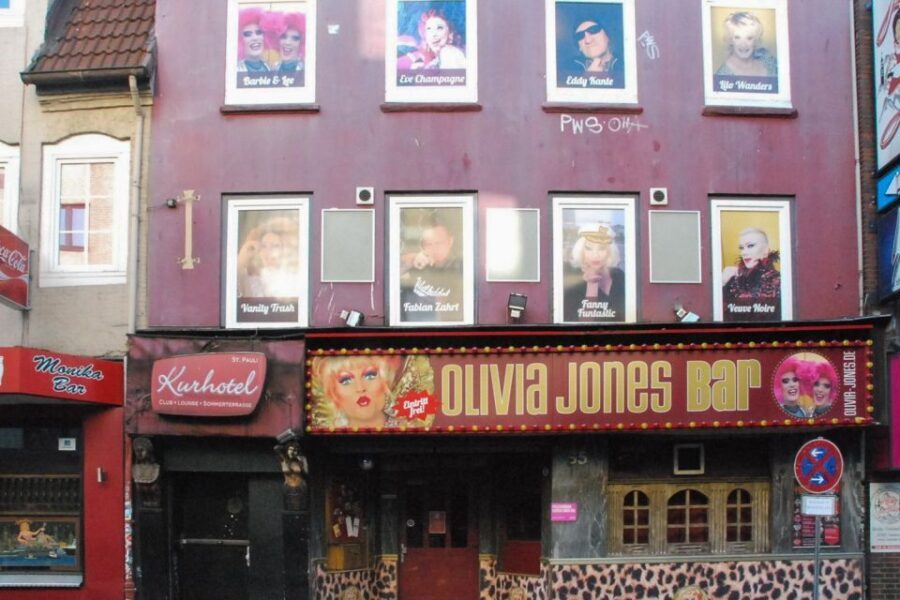
Most tours start with a generic overview. This one starts with a landmark that has authority—the Davidwache—so the stories feel grounded right from the first minute. You meet at Polizeikommissariat 15, and from there the guide builds the neighborhood’s narrative around what law enforcement, entertainment, and street life have historically collided.
Why this is valuable: when you understand who watched the streets (and why), you get better context for everything else. St. Pauli’s reputation wasn’t created in a vacuum. It grew in a place where police presence mattered, where rules and public life met with nightlife and adult entertainment.
Even if you’re not into crime history, the Davidwache stop helps you interpret the rest of the walk. You’ll see it, you’ll hear what it means in local storytelling, and it gives you a reference point. From there, you move through the district with a sense of direction and purpose, not just wandering for an hour.
Reeperbahn and the Walk to the Sinful Mile
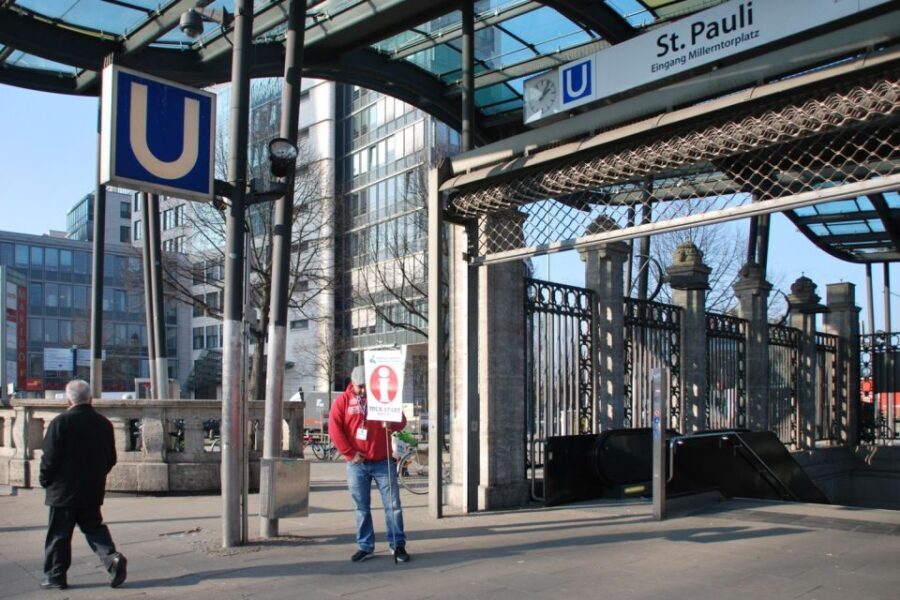
After the starting point, the tour moves along the Reeperbahn. This street is the heartbeat of St. Pauli, and the guide uses it as a “how we got here” corridor. You’ll get a guided walk through the area so you’re not left guessing what to look at.
In practice, the daytime version of the Reeperbahn gives you an unusual advantage: you can see the everyday rhythm while still learning the neighborhood’s darker reputation. The guide points out how the old image of the area—sailors, nightlife chaos, and trouble—doesn’t fully match what you see now. That contrast is the point. It helps you separate myth from reality without killing the romance.
You’ll also work toward the idea of the “Sinful Mile,” which the tour treats as one of a kind. Instead of focusing only on one street, the walk connects key locations so you feel how the district forms a web. That makes the later stops—especially Herbertstraße—hit harder, because you understand the geography that gave it momentum.
And because the tour is guided and time-limited, you don’t end up stuck in a lecture. The stories get delivered as you move, which keeps the hour from dragging and makes the neighborhood feel like something you’re learning, not just something you’re passing.
Herbertstraße and the History of Sex Work
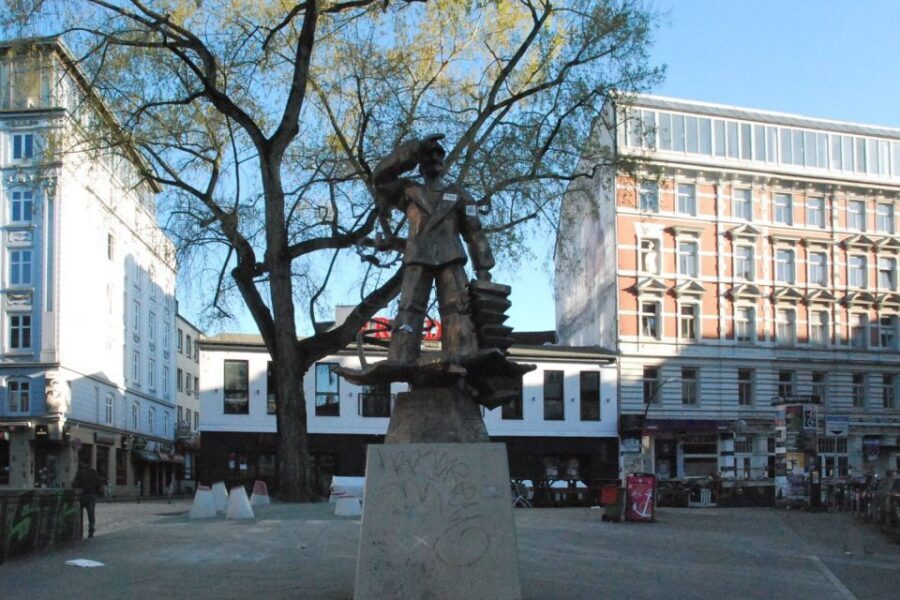
If there’s one stop that anchors the tour’s theme, it’s Herbertstraße. The walk includes a peek into the famous street described as the most sinful place in Hamburg, and the guide connects it directly to the history of sex work.
This is where the tour’s tone matters most. You’re not being asked to look away. You’re being asked to understand. The guide covers the history of sex work so you can see how it became part of St. Pauli’s identity—how the neighborhood earned its reputation, and how those reputations persist even as the days of the most notorious scene fade.
Here’s the practical takeaway I’d tell you before you go: expect adult subject matter. The goal isn’t to shock you; it’s to explain what happened here and why people talked about it. If you can handle that, this stop becomes one of the most interesting parts of the day because it turns a stereotype into a story.
Also, Herbertstraße in daytime changes how you experience it. At night, the district can feel like a stage. In the daytime, it feels like a place with structure: streets, buildings, and a long social footprint. That makes it easier to think and easier to ask yourself the bigger questions—how did a neighborhood like this become famous, and what does that fame cost?
The tour also blends serious history with the guide’s humor. That balance helps. Sex-work history can get heavy, but the stories are delivered in a way that keeps moving and keeps you engaged.
Hans-Albers-Platz and Große Freiheit: Beatles, Music, and Street Culture
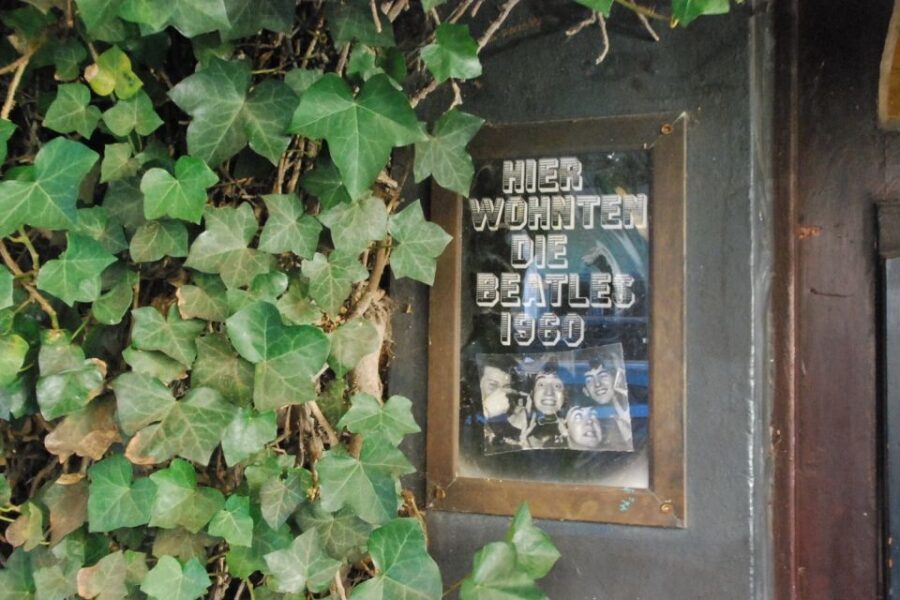
After Herbertstraße, the tour shifts gears into the cultural side of St. Pauli. You’ll reach Hans-Albers-Platz, and then you’ll walk toward Große Freiheit. These stops matter because they explain that the neighborhood isn’t only about nightlife. It’s also about performance, music, and the way local culture attracts bigger names.
The tour specifically highlights connections to the Beatles on Große Freiheit and references Hans Albers as part of the local story. You’re not getting a pop-quiz of trivia. You’re seeing how the streets connect entertainment and identity—how St. Pauli’s reputation for fun, spectacle, and nightlife created an environment where famous figures could become part of the neighborhood’s mythology.
This is also where the guide’s storytelling style becomes really useful. Instead of just pointing at locations, the guide ties them to what people associate with St. Pauli: parties, colorful characters, and the legends that grew from the district’s energy. Those links help you understand why St. Pauli keeps pulling attention long after people stop thinking about it as just a red-light zone.
The walk may also mention notable venues and names like Olivia Jones. You’ll come across the idea of legendary clubs connected with her, and you’ll hear about famous places like the Dollhouse. Even if you’re not planning to visit these venues at night, knowing how they fit into the area’s culture makes the daytime walk feel complete.





The Stops You’ll Pass, In Order, and What Each One Gives You
Here’s how the route works in real time, and what you should pay attention to at each stage.
Stop 1: Polizeikommissariat 15 (Davidwache)
This is your setup point. The guide starts your understanding with a powerful landmark tied to how the district has been watched, policed, and narrated. Think of it as the story’s compass.
Stop 2: Reeperbahn (guided walk)
This is the momentum street. You’ll get guided context as you move, with the tour using the Reeperbahn to connect past reputation to present-day atmosphere. It helps you see how the district forms around a main spine.
Stop 3: Davidwache Police Station (guided focus)
Even though you start at Davidwache, the tour includes guided time focused on it. That repetition is helpful because it reinforces meaning. You’re not only looking at a building; you’re learning why it matters to the neighborhood’s narrative.
Stop 4: Herbertstraße (guided peek)
This is the thematic center. The guide ties the street to the most famous reputation of the district and connects it to the history of sex work. Expect the most direct adult-focused storytelling here.
Stop 5: Hans-Albers-Platz (guided stop)
This shift gives you a broader St. Pauli view. It’s where the walk connects famous local culture to the street grid, setting up the next stop’s music-related stories.
Stop 6: Große Freiheit (guided walk/stop)
This is your cultural finale before you head back to the Reeperbahn area. The tour links Große Freiheit to the Beatles and to the way the neighborhood became part of entertainment history.
Finish: Reeperbahn 174 area
You end near the Reeperbahn, which is convenient. It makes it easy to keep exploring on your own after the hour, instead of getting dropped somewhere inconvenient.
How the 1-Hour Format Works (and How to Get the Most)
One hour is short, so you’ll get maximum value by showing up ready. This tour is a walking route through multiple named spots, so the guide has to move at a steady pace. That means your job is simple: wear comfortable shoes and keep your eyes open.
Because it’s live and guided in English, you’re not stuck with audio-only learning. The guide can adjust the pace and explain as you go. Still, you should come with a basic mindset: this is a story tour. Your understanding will come less from landmarks alone and more from how the guide connects them.
Also, keep in mind the subject matter. If you’re sensitive to discussions about sex work, treat it like a historical city walk—not a shopping trip or a casual stroll. You’ll likely appreciate the balance of humor and history more if you’re open to adult topics delivered in a guided, educational tone.
Price and Value at About $19 for a Guided Neighborhood Story
At $19 per person, this is priced like an orientation tour, not an all-day production. And that’s the point. You get a guided walk through iconic streets and landmarks tied to St. Pauli’s reputation—sex-work history, famous names, and cultural street legends—without needing half a day.
What makes the value feel real is the combination of elements you cover in a short span:
- a key police landmark (Davidwache),
- the Reeperbahn spine,
- a focused stop at Herbertstraße,
- and cultural connections through Hans-Albers-Platz and Große Freiheit.
If your day in Hamburg is packed, this format helps you choose what matters. You won’t leave with the kind of detail that needs hours and museums, but you will leave with a clearer map of what St. Pauli is and why people talk about it.
And since the tour includes the guided city experience (with meals and drinks not included), you can plan your day around it. I like that it’s one of those activities that fits neatly between other plans. You can do it in daylight, then decide later how you want to spend the evening.
Who This Daytime St. Pauli Tour Suits Best
This tour is a good match if you:
- want a guided way to understand the St. Pauli red-light district in daylight,
- like story-based walking tours over museum time,
- are curious about the history of sex work and how it shaped the neighborhood,
- enjoy cultural street connections like the Beatles, Hans Albers, and Olivia Jones.
It may not be the best fit if you’re looking for a purely scenic walk or if adult topics will make you uncomfortable. The tour is also not suitable for wheelchair users, so keep accessibility needs in mind if that applies to you.
If you’re a first-timer in Hamburg and want to make St. Pauli make sense quickly, this is a smart choice. One hour gives you context you can use while you keep exploring the area on your own.
Should You Book This St. Pauli Daytime Tour?
I’d book it if you want to understand St. Pauli beyond postcards. The Davidwache starting point, the stop at Herbertstraße, and the cultural connections to the Beatles and Olivia Jones are a strong mix, especially for an hour-long walk.
Skip it if you’d rather avoid adult-themed history or if walking is a problem for you. Also, if you’re expecting a purely light, entertainment-only stroll, you’ll probably want a different tour style. This one keeps the stories grounded in sex-work history and neighborhood reputation.
Overall, for $19, you’re buying clarity. You’ll leave with a mental map of the Sinful Mile and a better sense of what’s real, what’s reputation, and what keeps pulling people back to St. Pauli.
FAQ
How long is the St. Pauli Daytime Tour?
It lasts 1 hour.
Where does the tour start and end?
It starts at Polizeikommissariat 15 (Davidwache). It finishes at Reeperbahn 174, 20359 Hamburg, Germany.
Is the tour offered in English?
Yes. The live tour guide speaks English.
What stops are included on the route?
The tour includes Reeperbahn, Davidwache police station, Herbertstraße, Hans-Albers-Platz, and Große Freiheit, with Davidwache as the starting point and Reeperbahn 174 as the finish.
What should I bring?
Bring comfortable shoes for a walking tour.
Is it suitable for wheelchair users?
No, it is not suitable for wheelchair users.
What’s included in the price?
The price includes a guided city tour. Meals and drinks are not included.
Can I cancel and get a refund?
Yes. Free cancellation is available up to 24 hours in advance for a full refund.
If you want, tell me what time of day you’re planning to be in Hamburg and what else is on your itinerary, and I’ll suggest a smooth day plan around this 1-hour walk.