REVIEW · BERLIN
Berlin: Sachsenhausen Memorial 6-Hour Tour in Spanish
Book on GetYourGuide →Operated by cultourberlin by cultour-incoming · Bookable on GetYourGuide
Sachsenhausen hits hard, and the Spanish context helps. I like the way the tour focuses on Station Z and how the camp’s purpose became part of a system, not just a place. I also really appreciate the A Tower stop, because it turns the idea of control into something you can actually picture.
One drawback to plan for: you’ll be outside in a Berlin-region climate for part of the day, and there’s no shop at Sachsenhausen, so you’ll want snacks and layers.
In This Review
- Key Highlights at a Glance
- Why Sachsenhausen Matters: From Nazi Model Camp to Soviet Gulag
- Getting There From Berlin: The 50-Minute Train Ride That Sets the Tone
- Meeting Point at Alexanderplatz: Fernsehturm, Espresso House, and a Green Flag
- Spanish-Speaking Guidance: When Language Makes History Click
- A Tower: Roll-Call and the Camp’s Control Logic
- Station Z: The 1942 Killing Site Built for Speed
- Museum, Exhibits, and Documentation: Learning Without Guesswork
- The GDR Memorial and the Soviet Chapter After 1945
- What You’ll Learn About Prisoner Work and Daily Life
- Price and Value: Is $41 Worth It for a 6-Hour Spanish Tour?
- Practical Tips: Tickets, Snacks, and Weather-Ready Clothes
- Public transport ticket
- Bring snacks and drinks
- Dress for wind and cold
- Wheelchair accessible
- Who This Tour Fits Best (and Who Might Want Another Option)
- Should You Book Sachsenhausen in Spanish?
- FAQ
- What is the meeting point for the Sachsenhausen Spanish tour?
- How long is the tour to Sachsenhausen?
- Is the tour guided in Spanish?
- What are the main places you’ll see at the camp?
- Is the public transport ticket included?
- Does Sachsenhausen have shops where I can buy food?
- Is the tour wheelchair accessible?
Key Highlights at a Glance
- Station Z: see the killing site added in 1942 for quick, clinical murder
- A Tower: understand roll-call and the camp’s control mechanism
- Spanish-speaking guidance: clearer explanations of how the system worked
- Nazi-to-Soviet timeline: learn how Sachsenhausen shifted after 1945
- National Memorial Sachsenhausen: museum and exhibits that add depth and documentation
Why Sachsenhausen Matters: From Nazi Model Camp to Soviet Gulag
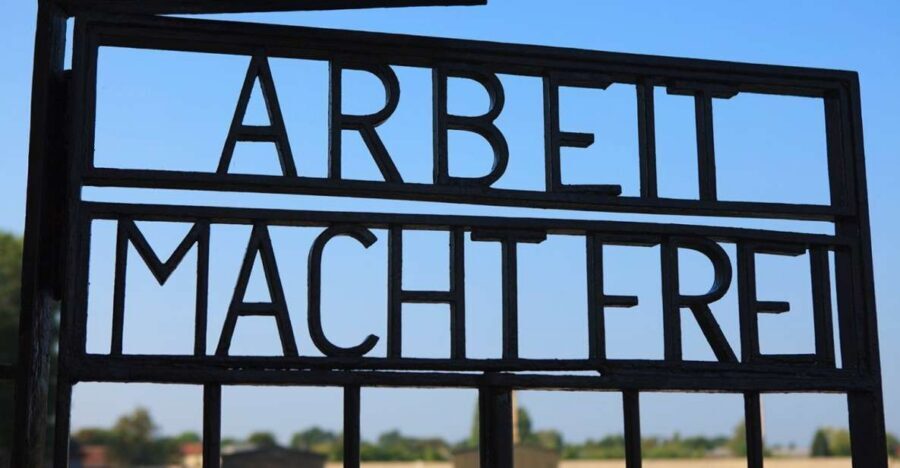
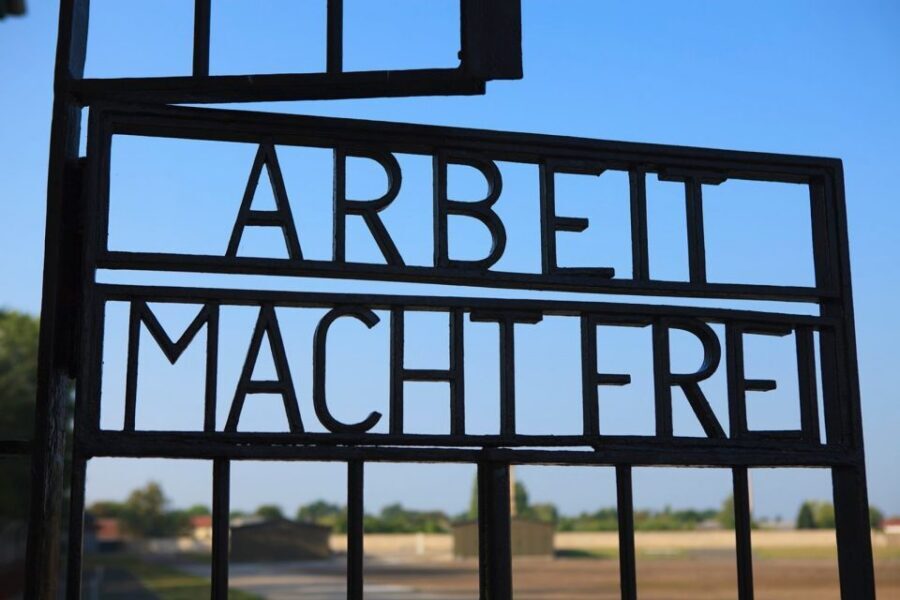
Sachsenhausen is one of those places where the details don’t stay abstract. It was designed as a model camp, and that matters because it tells you the Nazi regime wasn’t only brutal—it was organized. The camp also served as an administration hub for other concentration camps, which means it functioned like a hub in a much bigger machine.
What I find especially powerful here is the timeline. Over 200,000 people passed through Sachsenhausen, and at least 50,000 died. After Hitler’s fall, the Soviets didn’t close the chapter—they transformed the site into a gulag for their own prisoners. That historical turn is exactly why this tour isn’t only about one regime. It’s about how incarceration and state violence can change hands while staying systematic.
You’ll also hear the camp explained through what prisoners experienced day-to-day: origins of the camp, the reality of life inside, and the kinds of work prisoners were forced to perform. That practical angle makes the story easier to hold in your head, instead of turning everything into vague horror.
You can also read our reviews of more tours and experiences in Berlin.


Getting There From Berlin: The 50-Minute Train Ride That Sets the Tone
Berlin-to-Sachsenhausen is close enough that you can do it in a single day, but it still feels like a true change of scenery. The tour uses a train for about 50 minutes from Berlin to the northern outskirts, which gives you time to settle in before the emotional intensity starts.
Timing matters on memorial visits. The ride acts like a buffer—you’re not instantly dropped onto the grounds without orientation. And since the tour lasts 6 hours, you get a full visit without the rushed feeling that can come from half-day options.
Once you arrive, the rhythm changes: walking, stopping, learning, and then returning to the grounds for the next piece of the story. It’s the kind of pacing that helps you connect the dots between location, purpose, and documentation.
Meeting Point at Alexanderplatz: Fernsehturm, Espresso House, and a Green Flag
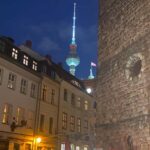
To keep things simple, the meeting point is right by the iconic Alexanderplatz TV Tower (Fernsehturm). Look for a green flag with the text tours en español beside the only entrance to the tower—between the Fernsehturm and the Alexanderplatz train station. It’s also right next to the Espresso House.
If you’ve got travel anxiety about meeting points, this one is actually manageable because it’s anchored to a famous landmark. Still, I recommend arriving a few minutes early. On days when the group is waiting, it’s not the place you want to sprint around with questions.
The tour is Spanish-language, and the meeting point is designed to get you with the right group quickly.
Spanish-Speaking Guidance: When Language Makes History Click
A good language match is a big deal on memorial tours. Here, your guide leads in Spanish, which means you can focus on meaning instead of scanning for translation.
I especially like the way a strong guide connects the dots. In Spanish, it’s easier to follow explanations about how the camp operated—not only the physical side, but the logic behind the system. One helpful example: the tour narration includes an emphasis on how things worked from a legal perspective, so you’re not just hearing about suffering; you’re learning how authority and procedure were used to control people.
If you’re a first-time visitor to Germany, this is also a confidence boost. You don’t have to “figure it out” while you’re trying to understand an extremely heavy topic. You can stay present and learn.
And yes—there’s real human personality in the guidance. A guide named Héctor is specifically praised for giving clear, direct storytelling and doing it even on miserable weather days. That kind of focus matters when you’re standing in places built for intimidation.
A Tower: Roll-Call and the Camp’s Control Logic
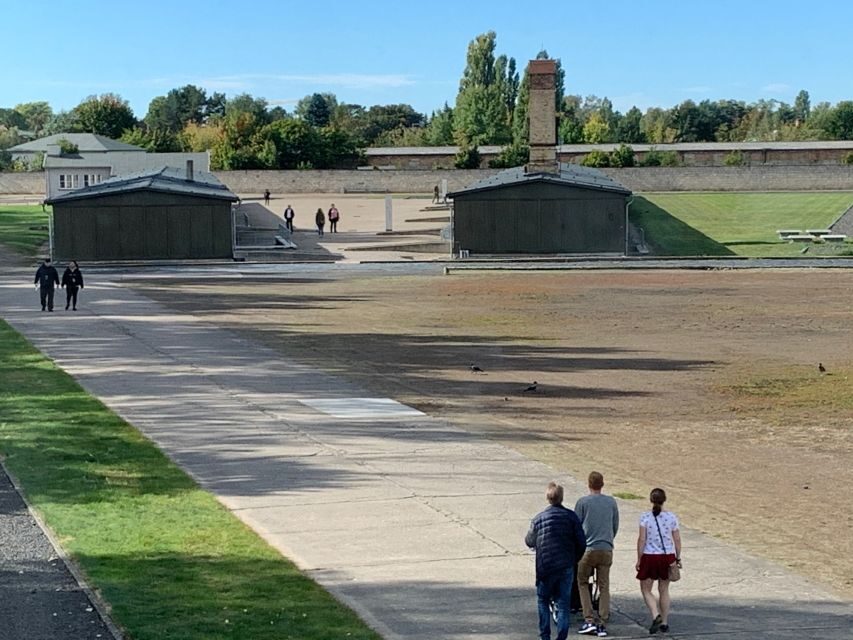
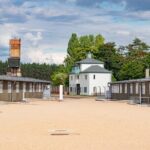
The A Tower is one of the most sobering stops, and not because it’s dramatic. It’s sobering because it shows how control gets built into everyday routines.
This tower functioned as the roll-call location. In other words, it wasn’t only a structure; it was part of a rhythm prisoners lived under. Roll-call isn’t just standing in line—it’s an instrument of discipline. It enforces visibility, timing, and obedience, while also creating constant stress.
When the tour focuses on A Tower, it helps you understand something important: the camp wasn’t just a place of violence. It was a place of administration and order—an environment where people were processed.
Even if you’ve read about camps before, this kind of stop changes how the information lands. You can look at the layout and start imagining the repetitive pressure: being counted, being watched, being moved as part of a system.
Station Z: The 1942 Killing Site Built for Speed
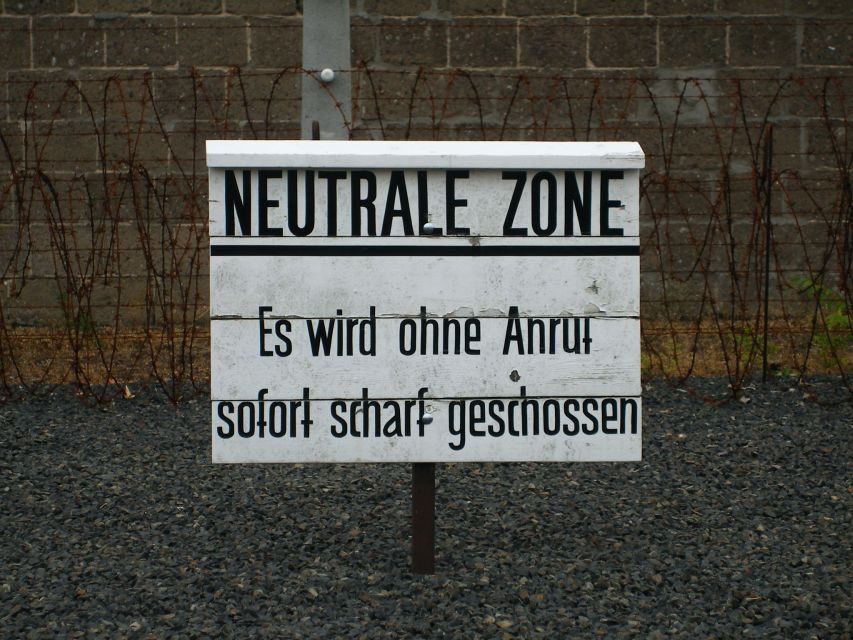
Then comes Station Z, and it’s the highlight for a reason. Station Z was added in 1942 for the purpose of killing victims quickly and clinically.
That wording matters, because it reflects a chilling shift: the goal wasn’t only death—it was efficiency, routine, and method. Seeing this part of the memorial grounds helps you understand the cold logic of Nazi violence, where cruelty was packaged into procedures.
I like that the tour doesn’t treat Station Z like a standalone horror set. It frames it inside the wider structure of the camp—how prisoners were managed, where decisions were made, and how the system worked as a whole. That makes the experience harder, but also clearer.
If you’re sensitive to graphic realities, go in knowing this stop is meant to hit you emotionally. You’re there to understand what happened, not to have a comfortable day.
Museum, Exhibits, and Documentation: Learning Without Guesswork
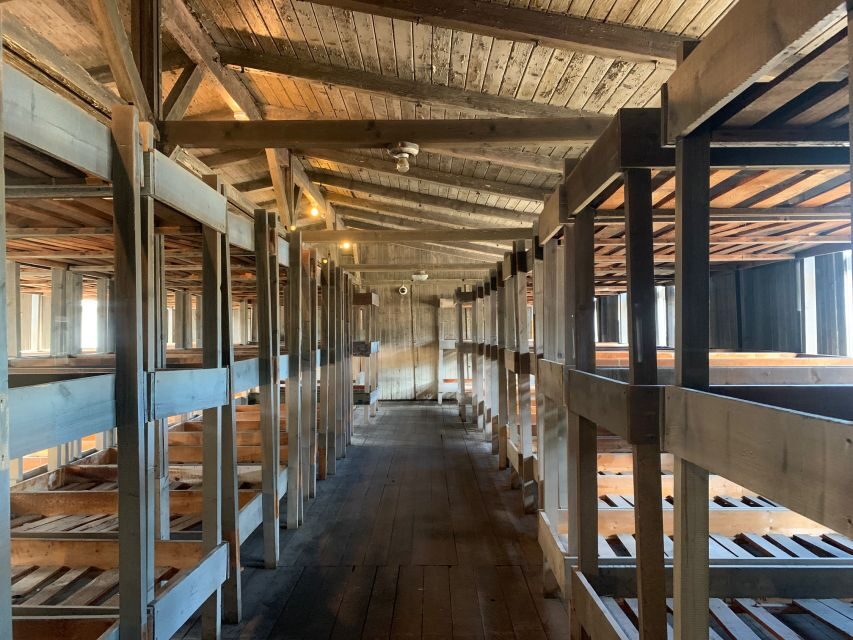
Sachsenhausen includes an informative museum and multiple exhibits, and the tour is structured so you don’t only walk outside and read plaques. You also get context through materials that are meant to explain the camp’s operation.
The tour covers:
- the origins of the camp
- what life would have been like
- the type of work performed by prisoners
- explanations backed by personal accounts, photographs, and official documents
That mix is what makes it valuable. Personal accounts keep it human. Photographs add visual evidence. Official documents help you see how the state organized itself. Together, they reduce the chance that you leave with only broad impressions.
If you like learning on your feet, you’ll still want to slow down at the exhibits. This is one of those places where the details are easy to miss if you treat the museum like a checklist.
The GDR Memorial and the Soviet Chapter After 1945
Many visitors expect the story to end in 1945. Here, it doesn’t. After the fall of Hitler, the Soviets transformed Sachsenhausen into a gulag for their own prisoners. That transition is part of the tour’s explanation, because the camp’s significance didn’t disappear when one regime fell.
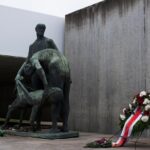
The tour also includes the GDR memorial. That matters because the memorial landscape itself is part of how history gets remembered and taught. You’re not just looking at the past—you’re seeing how later eras dealt with the weight of what happened here.
I find this portion especially important for travelers who assume history is simple. It rarely is. Sachsenhausen became a tool for different governments, underlining a painful truth: systems of imprisonment can outlive the people who designed them first.
What You’ll Learn About Prisoner Work and Daily Life
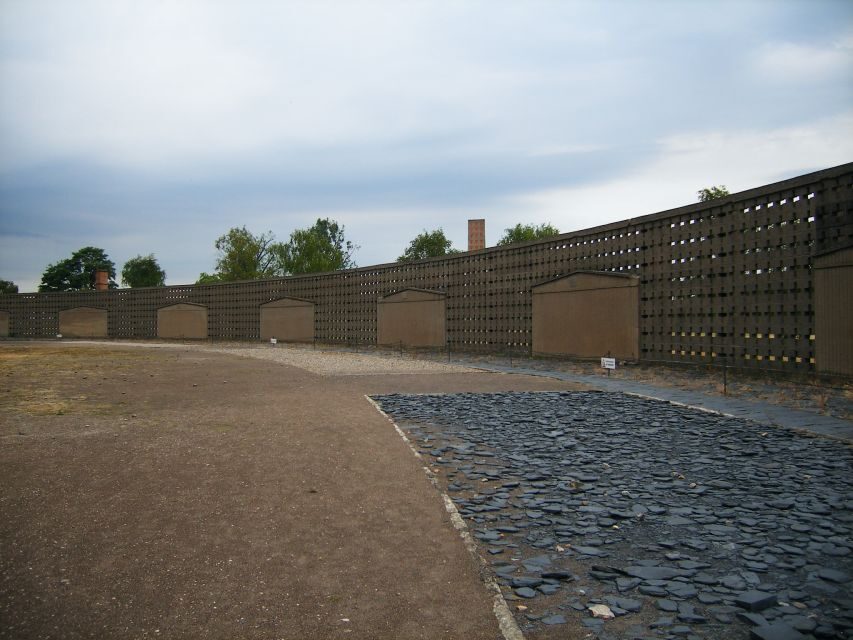
The tour isn’t only about buildings. It aims to explain the lived reality inside Sachsenhausen—how people were held, what roles they were forced into, and what everyday control looked like.
A key component is learning about the type of work prisoners performed. Even when you’re familiar with concentration camps as an idea, the specific categories and forced labor roles help you understand the machinery of exploitation. You see how work was used as part of punishment, control, and survival deprivation.
Another useful layer is the discussion of the camp’s function as an administrative center. Since other Nazi concentration camps were administered from Sachsenhausen, you’re learning why this particular site was so central—more than a single location of cruelty, it was part of a wider network.
Price and Value: Is $41 Worth It for a 6-Hour Spanish Tour?
At $41 per person for a 6-hour tour, you’re paying for a guided day trip that’s long enough to be meaningful. The tour also includes a €3 concentration camp foundation surcharge, which is directly tied to preservation and memorial work.
For value, I look at three things:
- Language: Spanish narration can make a huge difference on a complex topic.
- Guidance quality: the experience leans on explanations of how the camp operated, not only where it was.
- Time on-site: 6 hours means you don’t just rush between highlights.
Could it be cheaper as a self-guided visit? Maybe. But self-guiding at a place like this often turns into skimming. A guide helps you connect the sites—like A Tower and Station Z—into one coherent story.
This price is also realistic considering you’re getting a structured, multi-stop memorial experience plus transportation by public rail (the ticket itself is not included).
Practical Tips: Tickets, Snacks, and Weather-Ready Clothes
Before you go, there are a few practical points that will keep your day running smoothly.
Public transport ticket
You’ll need a transport ticket covering zones ABC. The tour does not include the public transport ticket, so grab it before you head to Alexanderplatz.
Bring snacks and drinks
There’s an important warning: it’s advisable to bring snacks and drinks, because there’s no shop at Sachsenhausen. A 6-hour memorial visit can stretch longer than expected, and you don’t want to be searching for food while your head is in history mode.
Dress for wind and cold
This isn’t always spelled out in tour ads, but it’s smart planning. Cold weather and strong wind are realistic in this region. Pack layers. Comfortable shoes help too, since you’ll be walking through memorial spaces.
Wheelchair accessible
The tour is listed as wheelchair accessible, which is a big plus if you need that support. If mobility is a concern, wear shoes you can stay stable in and plan extra time for transitions.
Who This Tour Fits Best (and Who Might Want Another Option)
This Sachsenhausen tour in Spanish is a strong choice if you:
- want a Spanish-speaking explanation of a complex, heavy subject
- prefer guided learning with documentation and personal accounts
- care about understanding how the camp functioned as a system (not only the tragedy)
You might reconsider if you:
- need a very light, casual day trip (this is not that)
- are extremely sensitive to sites connected to mass killing, since Station Z is a major part of the experience
- dislike being outdoors for part of the day—plan clothing and snacks so you can focus
If you’re visiting Berlin for the first time, this tour can also be an education anchor. It gives you historical context that makes modern Germany feel more understandable and less like a closed book.
Should You Book Sachsenhausen in Spanish?
I think you should book this tour if your goal is clarity. The combination of A Tower, Station Z, and the museum/exhibits gives you structure, while the Spanish guide helps you learn without losing meaning in translation.
Book it especially if you want an honest, procedural explanation of how the system operated—from roll-call control to the killing site added in 1942, and then the shift into Soviet gulag use afterward. It’s not just a stop on a Berlin itinerary. It’s a focused historical lesson you can actually follow.
If you’re unsure, one simple test helps: can you handle a 6-hour memorial visit that will be emotionally intense and require practical planning for food and weather? If yes, this is a strong, good-value way to experience Sachsenhausen with language support.
FAQ
What is the meeting point for the Sachsenhausen Spanish tour?
You’ll meet by a green flag that says tours en español, next to the only entrance to the Fernsehturm (Berlin TV Tower) at Alexanderplatz. It’s between the tower and the Alexanderplatz train station, beside the Espresso House.
How long is the tour to Sachsenhausen?
The tour lasts 6 hours.
Is the tour guided in Spanish?
Yes. You’ll have a live guide in Spanish.
What are the main places you’ll see at the camp?
The tour highlights the A Tower and Station Z, and it also includes the National Memorial Sachsenhausen and the GDR memorial.
Is the public transport ticket included?
No. You need to bring a public transport ticket covering zones ABC.
Does Sachsenhausen have shops where I can buy food?
It’s advisable to bring snacks and drinks because there is no shop at Sachsenhausen.
Is the tour wheelchair accessible?
Yes, the tour is listed as wheelchair accessible.