REVIEW · STUTTGART
Stuttgart: Wilhelma Zoological-Botanical Garden Ticket
Book on GetYourGuide →Operated by Wilhelma zoologisch-botanischer Garten · Bookable on GetYourGuide
11,000 animals, and a garden you can actually slow down. Wilhelma is Germany’s only zoological-botanical garden, so you get zoo stops and greenhouse stops without switching venues or wasting transit time. I especially like how the park feels themed and walkable, not like a rushed checklist.
Two big reasons I think this works: the Moorish Garden and historic park setting make the whole visit feel special, and the botanical highlights hit hard—orchids, palms, and seasonal displays in the greenhouse areas. One thing to consider: if you arrive late in the day, you can easily run out of time to see both the animal sections and the botanical gardens you’ll want to linger in.
In This Review
- Key things to know before you go
- Wilhelma in Stuttgart: zoo and botanical gardens under one roof
- Getting oriented: the Moorish Garden and the historic park feel
- Animal worlds you can plan around: Great Apes to Australian icons
- Terra Australis: the Australian zone with koalas and nocturnal surprises
- Botanical highlights: orchids, palms, and the Historical Greenhouse Row
- Amazonia and Mountain Worlds: themed regions for different plant-and-animal moods
- How long you need: 3–4 hours or a full day
- What’s included, what costs extra, and how to think about value
- Tips for a smoother visit: rules, photos, and small comfort wins
- Who should book this Wilhelma ticket
- Should you book the Wilhelma Zoological-Botanical Garden ticket?
- FAQ
- How much does the Wilhelma Zoological-Botanical Garden ticket cost?
- Is this ticket valid for more than one day?
- What is included with the ticket?
- What is not included?
- Are pets allowed inside Wilhelma?
- Is Wilhelma wheelchair accessible?
- Does the ticket support conservation?
Key things to know before you go

- Moorish Garden starting point: a historic-style opening that sets the tone fast.
- Modern Terra Australis: a major animal zone focused on Australia, including koalas and quokkas.
- Great Ape enclosure: a dedicated, modern-feeling stop for primate lovers.
- Historical Greenhouse Row: orchids, palms, and seasonal plant displays in one key area.
- Themed regions: Amazonia, Terra Australis, and Mountain Worlds help you plan your walk.
- Conservation impact: most adult tickets include a 1 EUR conservation contribution.
Wilhelma in Stuttgart: zoo and botanical gardens under one roof
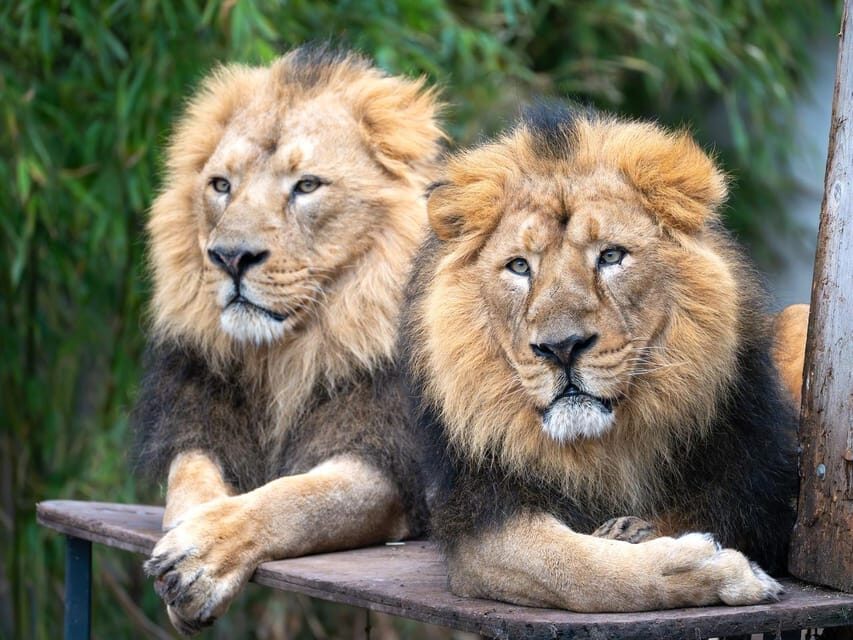
Wilhelma is a full day idea, even if you only book a one-day ticket. The main reason it feels different from a standard city zoo is the blend: you’re not just looking at animals—you’re also walking through botanical landscapes built around ecosystems from around the world.
You’ll find over 11,000 animals across about 1,200 species, plus extensive plant collections with subtropical terraces and greenhouse areas. It’s also positioned as a conservation, education, and research center, so the place isn’t just for entertainment. The interactive parts and conservation messaging fit the setting rather than feeling tacked on.
And yes, there are animal highlights that are hard to forget. The park has special zones for region-based viewing, and it includes major enclosures like a modern Great Ape area.
A few more Stuttgart tours and experiences worth a look



Getting oriented: the Moorish Garden and the historic park feel
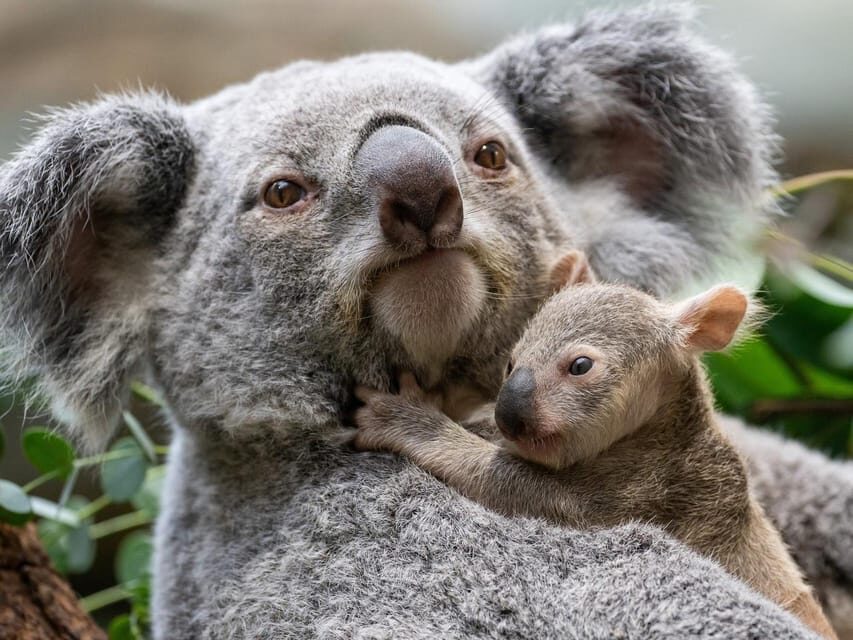
Plan to start with the Moorish Garden and let that historic opening do its job. This part matters because it gives you a clean mental map for the day: you’re in a designed park with character, not just lining up exhibits.
Wilhelma sits in a 19th-century park. That means the walking experience isn’t just functional. Paths curve, garden areas break up the crowds, and it’s easier to slow your pace—especially if you’re traveling with kids or anyone who likes plants.
Practical tip: when a place offers a routed map, use it. The layout works better when you follow a suggested order instead of drifting randomly between buildings. You’ll see more with less backtracking, and you won’t end up sprinting at the end.
Animal worlds you can plan around: Great Apes to Australian icons
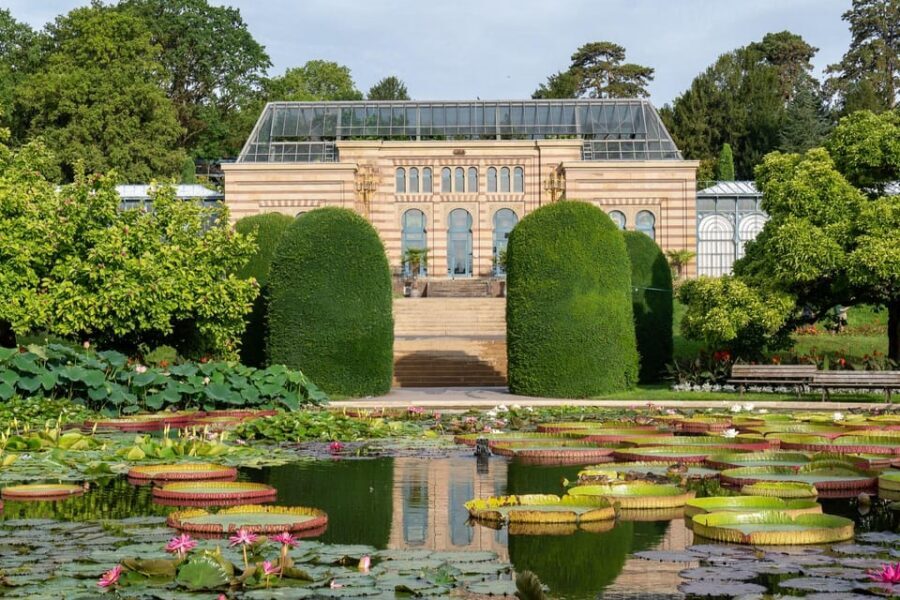
Wilhelma’s best animal strategy is to treat it like a sequence of themed habitats. You’ll move from one region-style area to the next, so the day feels like travel rather than one long row of cages.
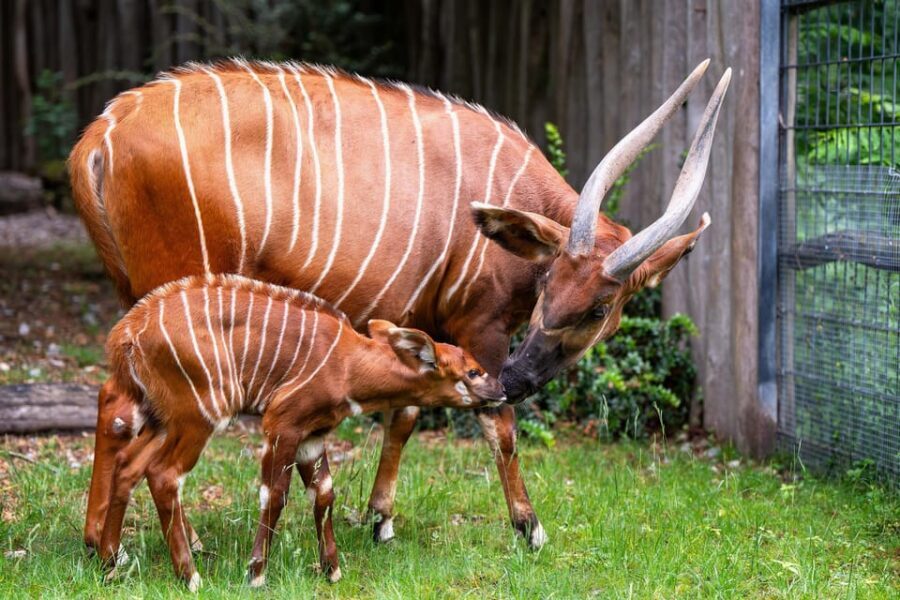
A standout for animal lovers is the modern Great Ape enclosure. Even if you’re not a primate superfan, it’s the kind of exhibit that helps the whole zoo feel current and thoughtfully designed.
Then you move toward the flagship nature-theme zones. The park is known for featuring animals tied to specific continents and habitats, and it mixes familiar zoo animals with more unusual sightings.
Two unique points to keep in mind:
- Koalas are kept in only a few places in Germany, so seeing them here is a rare treat.
- Quokkas are kept in Stuttgart throughout Europe, which makes this one of those “only here” feelings.
If you’re coming from outside Germany, that “rare” factor is what turns the ticket from standard sightseeing into a genuinely memorable stop.
Terra Australis: the Australian zone with koalas and nocturnal surprises
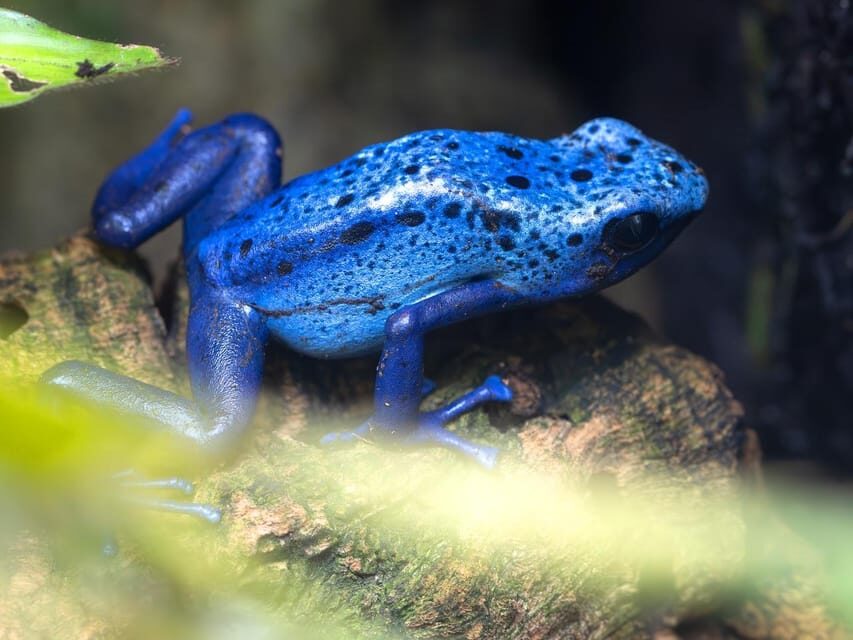
If you only pick one animal area to treat like a priority, make it Terra Australis. It’s one of Europe’s more modern facilities, designed as a naturalistic space for animals from down under.
This matters because it changes what you’re looking at. Instead of just seeing animals in a typical zoo setup, the environment helps you understand habitat. It’s built to feel like place, not just enclosure.
In Terra Australis, you’ll find Australian favorites, including koalas. The park also mentions other down-under species and includes nocturnal animals as part of the setup. That means your best viewing can depend on time of day, light, and how active the animals happen to be.
One more reason Terra Australis is a smart move: it ties into the botanical side of Wilhelma. The Australian-themed areas connect animal viewing with plant textures and greenhouse-style planting, so the “zoo plus garden” concept actually clicks here.
Botanical highlights: orchids, palms, and the Historical Greenhouse Row
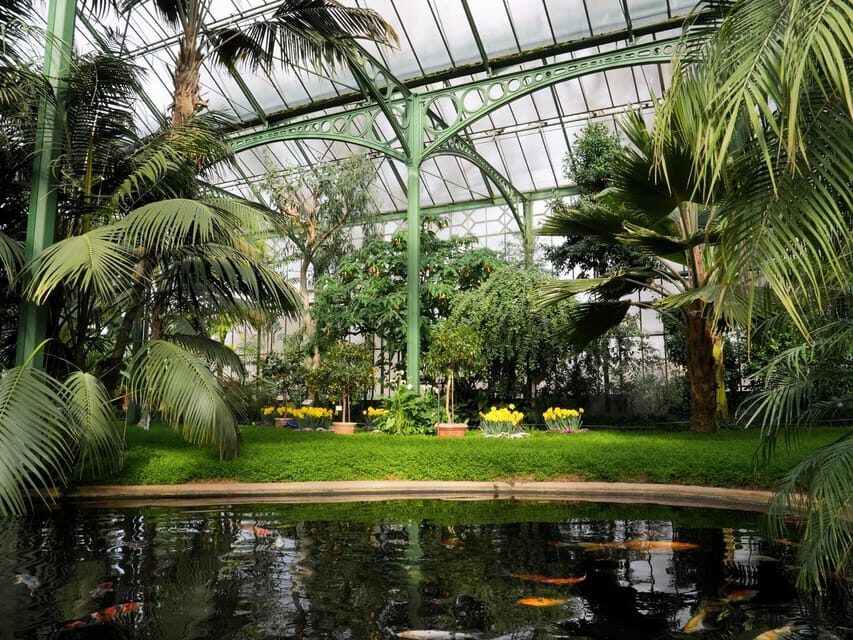
Wilhelma is a big deal for plants, not just animals. The Historical Greenhouse Row is where that becomes obvious, because you’re not just walking through garden beds—you’re stepping into spaces built for tropical and subtropical plant collections.
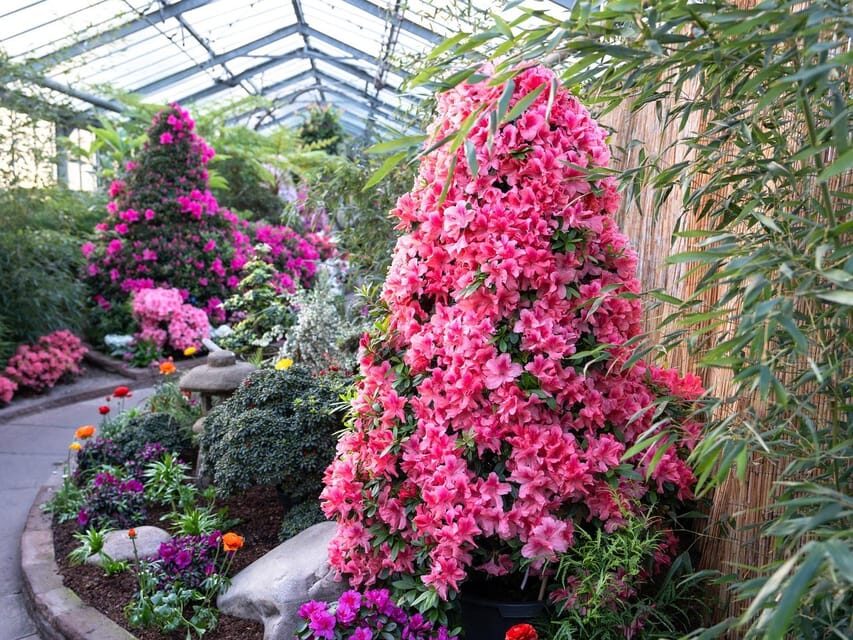
Expect plenty of orchids and towering palms, plus seasonal botanical displays. If you care about flowers or want photo-friendly moments (without the need for perfect light), this greenhouse row is one of the best bets.
What makes it valuable is pacing. Greenhouse areas give your eyes a break after animal zones. And if you travel with mixed interests—someone who wants animals and someone who wants plants—you get a shared “wow” moment in the greenhouse spaces.
Also, because there are seasonal displays mentioned, the plants you see can vary by time of year. If you’re planning a trip around spring, you’ll have a strong chance of seeing more flowering and lush garden moments.





Amazonia and Mountain Worlds: themed regions for different plant-and-animal moods
After the Australian highlight, look for the next themed stops such as Amazonia and Mountain Worlds. These areas are designed around regional flora and fauna, which means your day keeps changing instead of repeating the same exhibit format.
This helps in two ways:
- The themes reduce decision fatigue. You can plan your walk by region: Australia first, then shift to a different habitat storyline.
- The plant details make the animal viewing more meaningful. When the vegetation and habitat style match, animals feel more connected to place.
You don’t need to understand the science to enjoy this part. You just get to see how different ecosystems look when they’re recreated in a garden-zoo environment.
If you like wildlife but want a calmer experience than some zoos, these themed regions often deliver that. You can walk slower, linger longer, and still feel like you’re moving through something coherent.
How long you need: 3–4 hours or a full day

You can get a satisfying visit in about 3–4 hours, especially if you focus on the big animal zones and one major greenhouse stop. If that’s your plan, follow the routed flow map and treat Terra Australis and the greenhouse row as anchors.
But if you want the full Wilhelma feeling—animals at close range, plus botanical areas you’ll actually enjoy—you’ll want a longer window. This is one of those places where time really matters because you’ll keep discovering extra corners and you’ll want to stop when something catches your eye.
A practical note: one guest mentioned they arrived in the afternoon and couldn’t fully cover both the botanical garden areas and another animal highlight area, like an aquarium-style exhibit. That’s a good reminder—if your schedule is tight, prioritize first, then fill in the rest.
My recommendation for planning:
- Half day: Terra Australis + Great Apes + greenhouse row (choose wisely).
- Full day: add Amazonia and Mountain Worlds, plus extra greenhouse time and interactive conservation areas.
What’s included, what costs extra, and how to think about value
Your ticket gets you entry to Wilhelma Zoological-Botanical Garden, access to all animal exhibits, and access to botanical gardens. Meals and drinks are not included, and souvenirs are, of course, extra.
Price is listed at about $26 per person for a 1-day ticket. That’s not a bargain ticket, but you should judge value based on what you get: 11,000+ animals, multiple themed worlds, and major greenhouse gardens under one admission.
The best value angle here is the “two-for-one” concept. Instead of paying for a zoo and separately paying for a botanical attraction, you’re paying for one day that covers both. If at least one person in your group is plant-minded, it becomes even better.
One more value detail to factor in: most ticket types (excluding Kids and Youth) include a 1 EUR conservation contribution. That funds wildlife conservation projects worldwide. It’s small, but it adds up when a visit supports habitat and endangered species work instead of just entertainment.
Tips for a smoother visit: rules, photos, and small comfort wins
This is a walk-heavy attraction, so comfort matters. Wear shoes that can handle garden paths and greenhouse floors. Bring a light layer if you’re sensitive to temperature swings between outdoor paths and indoor greenhouse spaces.
A few important rules:
- No touching or feeding animals.
- Don’t damage plants, buildings, or facilities.
- Avoid bringing bicycles or skateboards.
For photography: private photography is welcome, and commercial use requires permission. That’s great if you want personal photos for your trip without worrying about being blocked.
Pets aren’t allowed, though assistance dogs are permitted. If you’re traveling with a support animal, plan around the assistance-dog allowance.
Wheelchair access is available, which is a big plus for anyone who needs step-free routes. Still, plan on spending time walking and using ramps or accessible pathways where needed.
Who should book this Wilhelma ticket
I think Wilhelma is a smart pick if you:
- Want a single-ticket day that combines animals and botanical gardens.
- Like themed viewing by region and habitat concept.
- Have kids who enjoy close animal viewing but also like plants.
- Travel with mixed interests and want everyone to feel satisfied.
It’s also a solid choice if you’re in Stuttgart and want something that feels less like a typical urban attraction and more like a real park experience.
If your idea of a zoo is only “see animals fast,” you might find it long. But if you’re the type who likes to wander, read small habitat clues, and take your time—this is an easy yes.
Should you book the Wilhelma Zoological-Botanical Garden ticket?
Book it if you want a rare Stuttgart experience where zoo + botanical gardens are part of the same story. The Terra Australis zone alone makes it worth serious attention, especially for koalas and quokkas, and the greenhouse areas give you a second type of wonder so your day doesn’t feel one-note.
Skip it only if you’re short on time and can’t realistically cover both animals and gardens. Wilhelma rewards planning—at least decide ahead of time that you want to prioritize Terra Australis and the greenhouse row.
If you can give it a full chunk of your day, this ticket is good value for how much you’ll see, and it’s one of the more meaningful zoo days because conservation and education show up in the experience you’re actually having.
FAQ
How much does the Wilhelma Zoological-Botanical Garden ticket cost?
The price is listed as $26 per person.
Is this ticket valid for more than one day?
The ticket is valid for 1 day, and you should check availability to see starting times.
What is included with the ticket?
Your ticket includes entry to Wilhelma, access to all animal exhibits, and access to the botanical gardens.
What is not included?
Meals and beverages are not included, and souvenirs are extra.
Are pets allowed inside Wilhelma?
Pets are not allowed. Assistance dogs are allowed.
Is Wilhelma wheelchair accessible?
Yes, the experience is wheelchair accessible.
Does the ticket support conservation?
Yes. The conservation contribution is 1 EUR included in all ticket types except Kids and Youth, supporting wildlife conservation projects worldwide.