REVIEW · BERLIN
Sachsenhausen Memorial: Walking Tour from Berlin
Book on GetYourGuide →Operated by Vive Berlin e.G · Bookable on GetYourGuide
Sachsenhausen hits hard, and it should. This 6-hour small-group walking tour takes you from Berlin to Oranienburg and into one of the Nazi system’s earliest and most influential camps, with a guide who explains how control was built into the place. I like that the route is practical (S-Bahn to the nearest station, then walking) and that the tour covers the camp’s main sites, not just a quick overview. One thing to consider: it’s a lot of walking, and the subject matter is heavy.
What I especially appreciate is the emphasis on how the camp was designed for total SS control, using architecture and space as tools of oppression. I also like the way the tour brings in multiple layers of history, including the later Soviet-run detention period after WWII. The main drawback is logistical: the day runs on time, and the train usually departs just minutes after the scheduled start, so you’ll need to show up early.
In This Review
- Key highlights at a glance
- Why Sachsenhausen belongs on your Berlin list
- The trip from Berlin to Oranienburg: simple logistics, big mental shift
- The guided camp walk: what you’ll actually see and why it matters
- Tower A and the roll-call square
- Forced labor and punishment systems
- Prison barracks and medical experimentation rooms
- The former kitchen, now part of the museum
- Station Z: where crematoriums and a gas chamber stood
- Built to control: how the SS used architecture and space
- Who was imprisoned here, and what changed over time
- The “human details” that guides bring to the memorial
- What the price includes (and what it doesn’t)
- Timing and pacing: how to plan your day so you don’t feel rushed
- Who this tour is best for
- Should you book this Sachsenhausen walking tour from Berlin?
- FAQ
- FAQ
- How long is the Sachsenhausen Memorial walking tour from Berlin?
- What’s included in the tour price?
- Is public transport included?
- Do I need cash for the memorial?
- Where do you start and where do you end in Berlin?
- How long is the time spent at Sachsenhausen itself?
- What should I bring for the day?
- What places inside the camp does the tour cover?
- Is there anywhere to eat during the visit?
- Is there free cancellation?
Key highlights at a glance
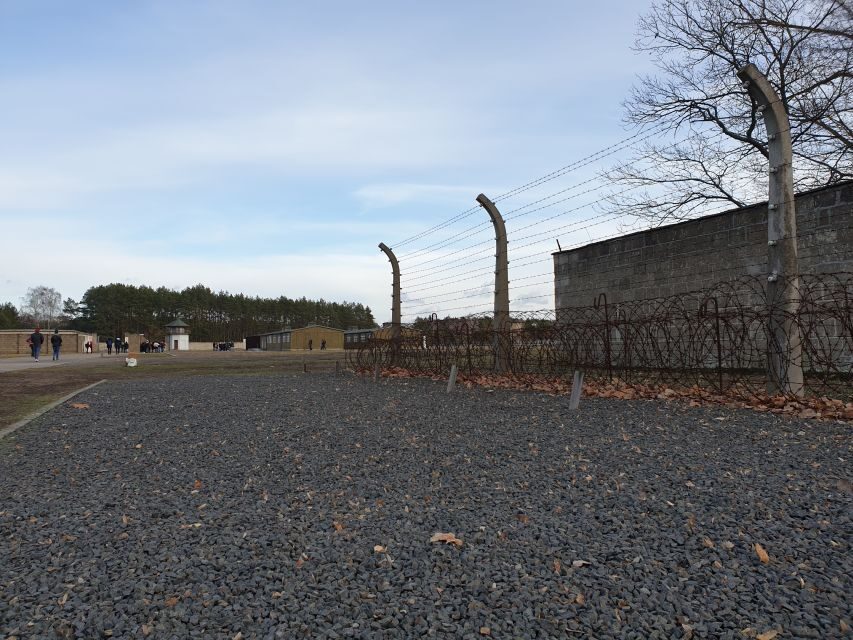
- Sachsenhausen’s “model camp” role in shaping the Nazi concentration camp system
- A guided walking route through major sites like Tower A, roll-call square, Station Z, and more
- History with human details, using historical research and survivor testimonies
- Clear explanation of Nazi design and control, down to architecture and forced routines
- Real WWII-to-postwar continuity, including the Soviet special camp period
- Small-group feel with professional guides speaking French, Italian, or English
Why Sachsenhausen belongs on your Berlin list
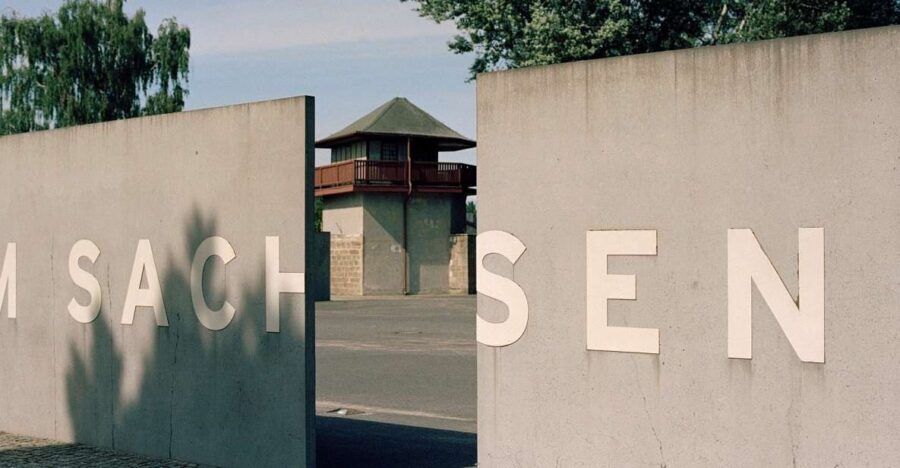
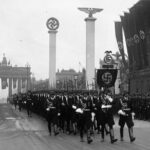
Sachsenhausen is the concentration camp closest to Nazi Germany’s capital, and that proximity matters. It was built in 1936, among the first camps the regime created, and it became a prototype—one many other camps would follow. When you stand where the machinery of terror operated, you start to understand something chillingly practical: the system wasn’t just violence; it was administration, routine, planning, and a built environment meant to crush people.
This is also the kind of visit where a good guide changes everything. A memorial can be powerful on its own, but you’ll get much more out of this tour because the explanation connects the physical places you see to what those places were designed to do. That’s the difference between looking at remnants and understanding the method.
You can also read our reviews of more walking tours in Berlin



The trip from Berlin to Oranienburg: simple logistics, big mental shift
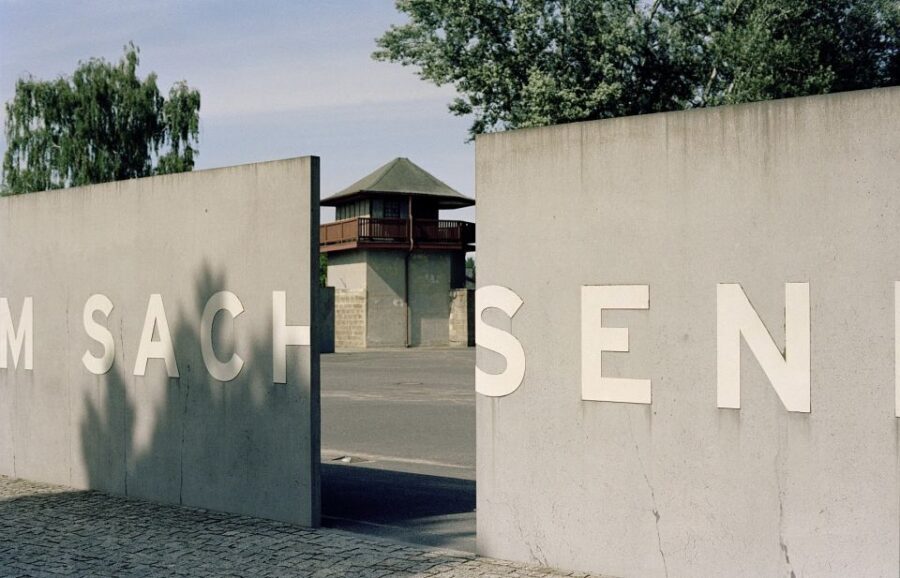
The day starts in Berlin, then you travel together by S-Bahn to Oranienburg, the station nearest the memorial site. The transfer is about 35 km north of the city, and the schedule is built around public transit rather than a private car.
You’ll get a short orientation in Berlin (around 10 minutes), then a train ride (about 40 minutes). When you reach Oranienburg, there’s time to get oriented again (about 20 minutes) before you move into the memorial area. That structure helps. It gives you a chance to settle into the route and stop thinking of it as just another Berlin day trip.
Practical tip: plan to arrive early at the meeting point and be ready to move quickly. The tour typically takes the train departing about 5 minutes after the official start time, and late arrivals can miss it. You’re not being treated harshly—this is just a strict timetable, and the group needs to stay together.
The guided camp walk: what you’ll actually see and why it matters
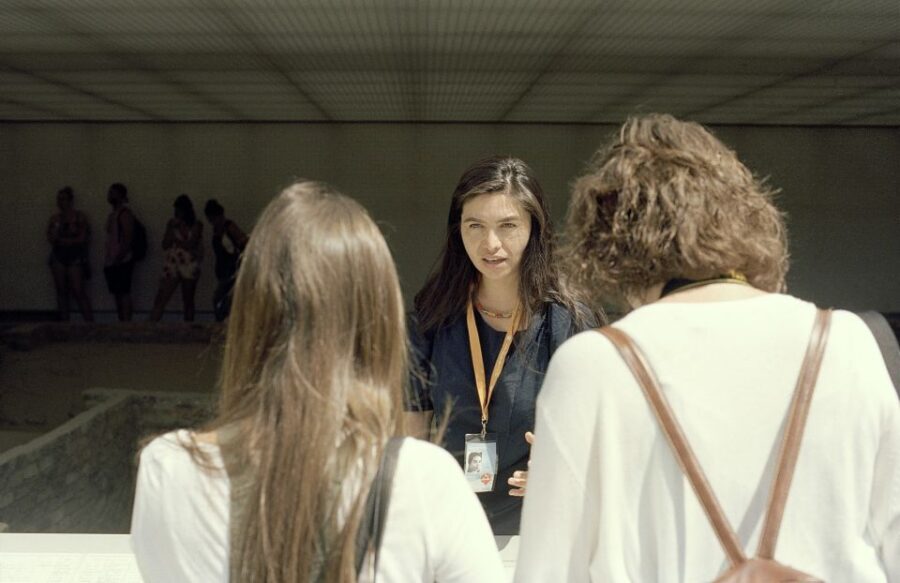
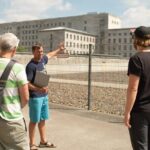
The core of the experience is a walking tour inside the Sachsenhausen Memorial and museum area, lasting roughly 3 to 3.5 hours. The guide leads you through key locations that explain how Nazi terror worked across different prisoner groups—and how the camp’s design reinforced that terror day after day.
Here are the places that define the visit:
Tower A and the roll-call square
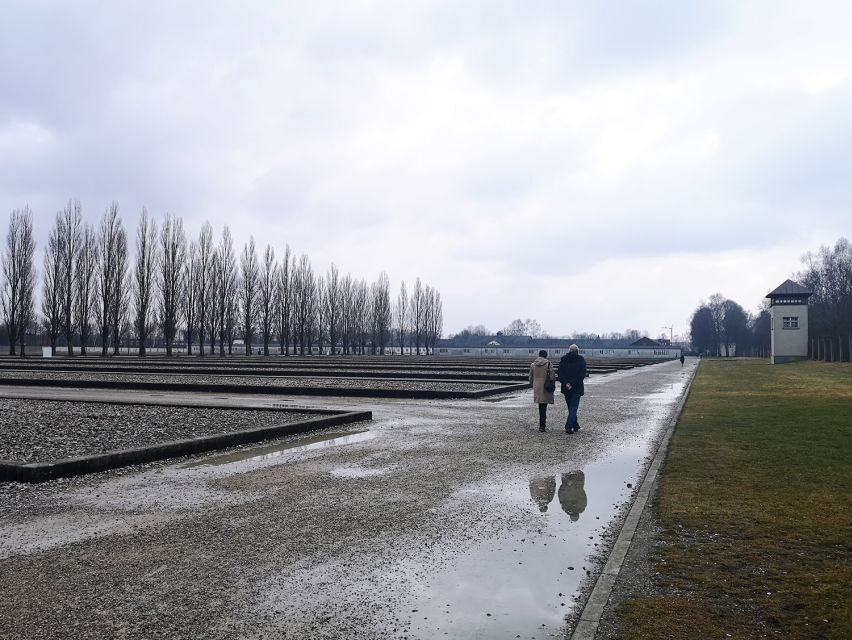
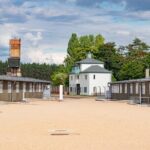
These spaces are central because they represent control by sightlines and routine. Roll call wasn’t just paperwork; it was a daily performance of power. Standing in or near areas like the roll-call square helps you understand how humiliation and surveillance were built into basic camp life.
Forced labor and punishment systems
You’ll hear how the camp used labor not as a neutral task, but as part of the punishment system. The point isn’t only that prisoners suffered—it’s how suffering was organized, repeated, and measured in ways that kept the SS authority unquestioned.



Prison barracks and medical experimentation rooms
This section is especially difficult, but it’s important. The tour focuses on what the camp did to human bodies under the Nazi regime, including medical experimentation. If you’re expecting only barracks and fences, this is where the tour widens your understanding: it shows that the violence wasn’t limited to hunger and abuse; it also extended into institutionalized cruelty.
The former kitchen, now part of the museum
This stop helps connect the everyday mechanics of control. Food systems, work demands, and restricted resources were part of the dictatorship’s enforcement. Even when the details feel small compared to the worst atrocities, you’ll see how the camp used daily life to keep prisoners weak and compliant.
Station Z: where crematoriums and a gas chamber stood
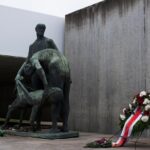
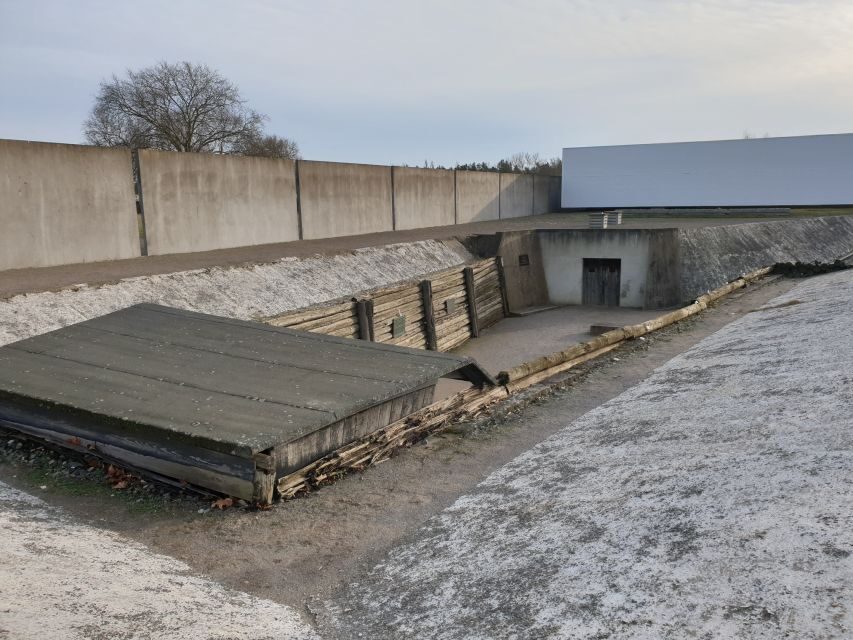
Station Z is one of the most significant sites, because it connects the camp’s brutality to the broader Nazi extermination system. The memorial explains how the space functioned during the worst phases of the camp’s history. If you want one clear takeaway from Sachsenhausen, it’s that the camp wasn’t an isolated case—it helped function as a node in a larger European machine of exploitation and death.
Built to control: how the SS used architecture and space
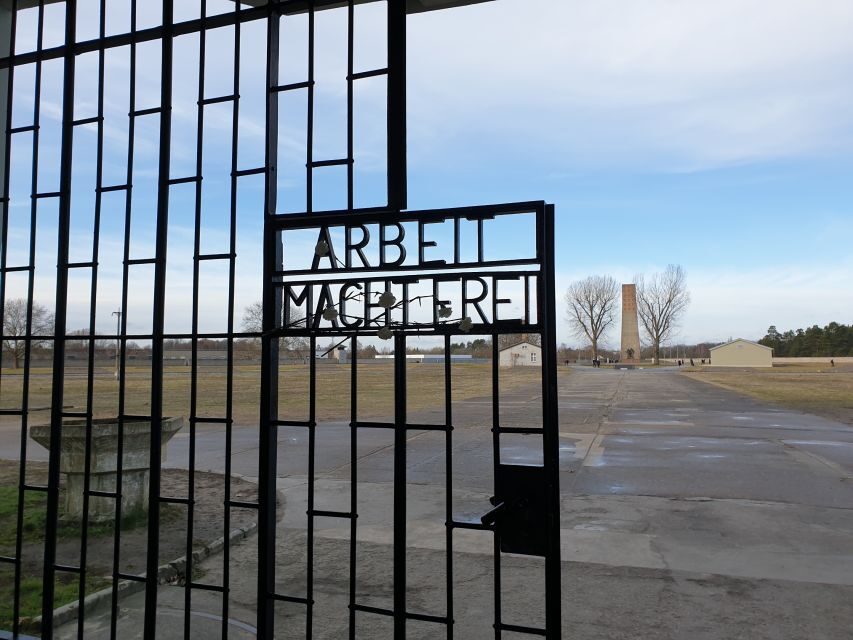
One of the strongest parts of this tour is the explanation of how the Nazis designed the camp to enforce subjugation. You’re not just learning facts; you’re being taught to read the place.
The tour connects the dots between:
- who was watching whom,
- how prisoners were arranged and processed,
- and how movement and daily routines supported SS authority.
That framing helps you avoid a common trap: seeing the site as random horror rather than engineered oppression. Here, you get the unsettling understanding that design choices were not accidental. They served control.
Who was imprisoned here, and what changed over time
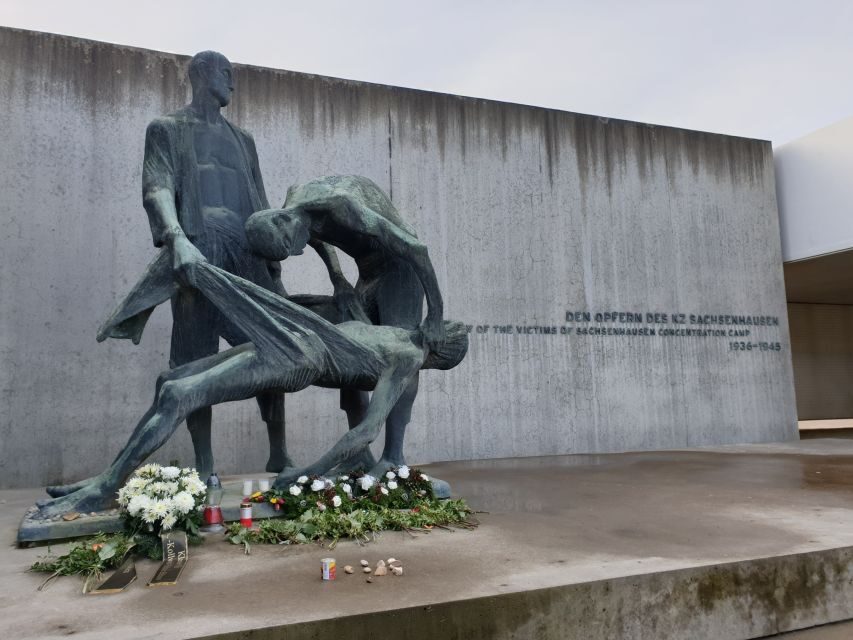
Sachsenhausen began in 1936 and first targeted political opponents. Over time, many other groups were imprisoned there: Sinti and Roma, Jews, prisoners of war, and Jehovah’s Witnesses. The tour also highlights that more than 40,000 people died at Sachsenhausen under horrific conditions.
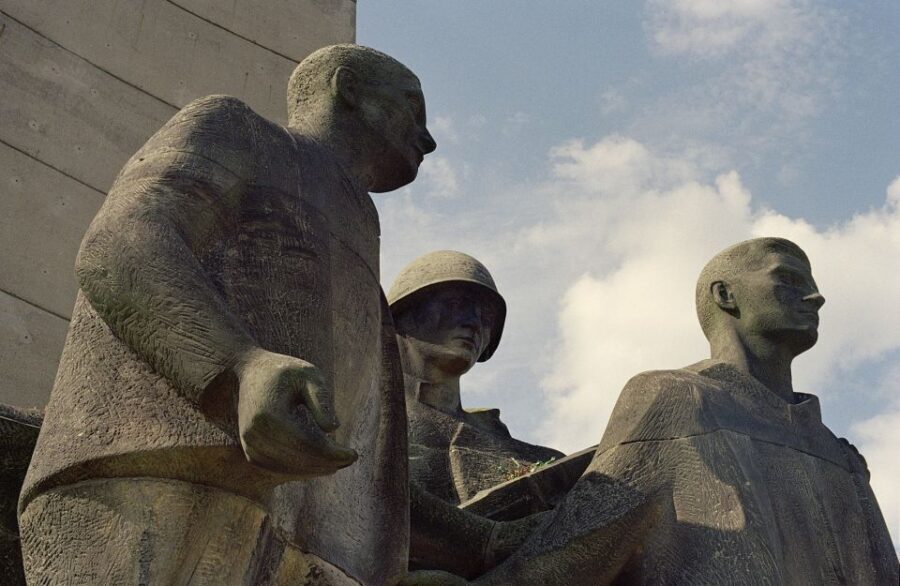
And it doesn’t end with the Nazi collapse. After WWII, under Soviet occupation, Sachsenhausen continued to operate as a special camp. Thousands of people—including former Nazis, political opponents, and civilians—were detained, with many deaths caused by hunger and disease. The guide ties this postwar chapter to what the site represents today, so you leave with a more complete picture of the location’s history rather than a single time period.
The “human details” that guides bring to the memorial
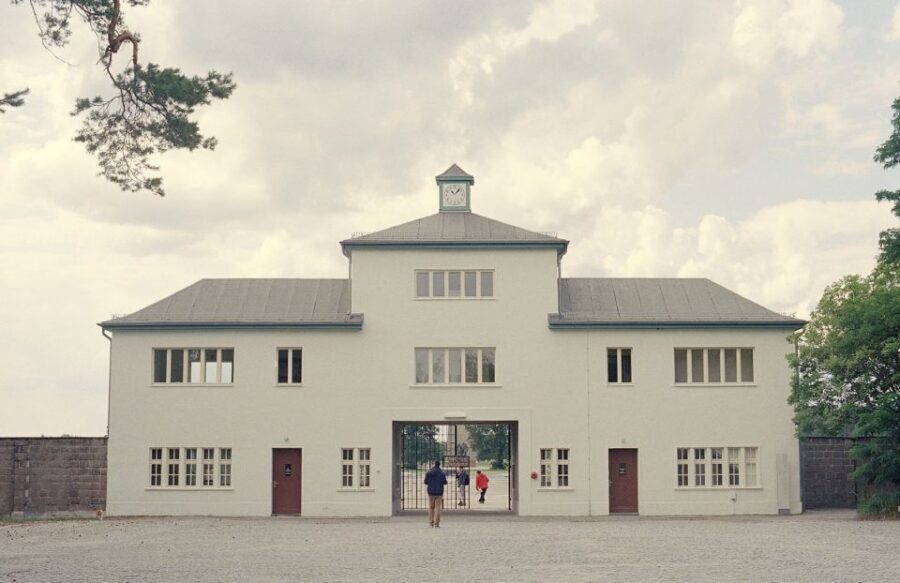
This tour leans on historical research and survivor testimonies. That matters because survivor accounts give shape to what the buildings alone can’t explain: fear, coercion, and the way prisoners tried to survive and resist.
In the same spirit, the best guides keep the tone respectful and focused. Based on guide names that have led these tours (like Fabio, Soleil, Lorenzo, Sueli, and Andrea), you can expect a lot of preparation and careful empathy—especially since this is an intense topic that doesn’t benefit from casual storytelling.
One more small detail that stands out: there can be days when group logistics feel a bit scattered. That’s not about the historical content—it’s about keeping a group moving smoothly through transit and meeting points. If you like a super-organized parade, arrive early and be ready to follow the guide’s cues without overthinking it.
What the price includes (and what it doesn’t)
The listed price is $511 per group up to 6 for this 6-hour experience. If you book with a full group of 6, that works out to about $85 per person—and you’re paying for guided interpretation plus coordinated transit to the closest station.
What’s included:
- a walking tour with a small group
- a live guide (French, Italian, or English depending on your option)
- the group moves together on public transit (you’re not on your own trying to figure out the day)
What’s not included:
- ABC public transport tickets in Berlin (you’ll need a 24-hour ticket for zones ABC)
- a mandatory €3 memorial donation in cash, paid at the meeting point
That €3 donation is easy to miss if you forget cash. It’s not a tip; it’s required by the Sachsenhausen Memorial, and the full amount goes to the memorial.
Timing and pacing: how to plan your day so you don’t feel rushed
This is a half-day plan that runs on momentum. Expect about:
- a short Berlin orientation,
- roughly 40 minutes of train time each way,
- and a multi-hour guided walk in the memorial area.
Inside the memorial, you’ll walk a lot. The site can’t be treated like a museum you zip through. The tour structure gives you time at the key sites, plus explanation as you move.
Food planning is also important. Eating is not permitted on the memorial site, and there’s no lunch stop during the whole activity. I’d pack a simple lunch for the train leg(s), plus water. Bring comfortable shoes, and dress for weather—this takes place in all conditions.
Who this tour is best for
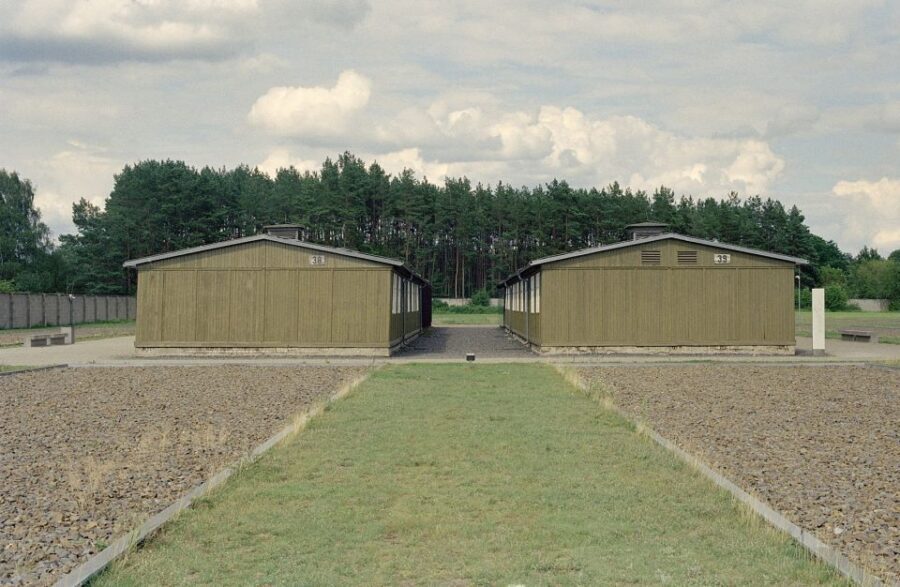
This works best if you:
- want a guided, structured visit that focuses on how the camp system functioned,
- care about understanding Nazi oppression as a system, not just a set of isolated atrocities,
- prefer a small-group feel rather than solo wandering.
It may not be the right fit if you:
- need long breaks from walking,
- are looking for something light or casual,
- dislike timed transit that starts promptly.
Should you book this Sachsenhausen walking tour from Berlin?
I’d book it if you want more than a postcard version of history. The combination of transportation organization, a small-group guided walk, and focused stops like Tower A, roll call, prison areas, and Station Z gives you a clearer understanding of how the camp worked and why it became a prototype for the Nazi concentration camp system.
If you’re the type who likes to show up early, wear good shoes, and bring your own lunch for train time, this tour is a strong value—especially when you split the group cost across up to six people.
FAQ
FAQ
How long is the Sachsenhausen Memorial walking tour from Berlin?
The total experience is about 6 hours.
What’s included in the tour price?
You get a small-group walking tour with a live guide (French, Italian, or English depending on your option). The memorial donation and public transport tickets are not included.
Is public transport included?
No. You’ll need to buy Berlin ABC public transport tickets (a 24-hour ticket is recommended).
Do I need cash for the memorial?
Yes. All participants must pay a mandatory €3 donation in cash at the meeting point.
Where do you start and where do you end in Berlin?
Drop-off is at Potsdamer Platz 10 or Friedrichstraße 141, 10117 Berlin, depending on the option. The meeting point can vary.
How long is the time spent at Sachsenhausen itself?
The guided walking tour inside the memorial and museum area is about 3 to 3.5 hours.
What should I bring for the day?
Bring comfortable shoes, food and drinks (eating isn’t permitted on the memorial site), and your public transport ticket.
What places inside the camp does the tour cover?
You’ll visit key areas such as Tower A and the roll-call square, the forced labor and punishment system, prison barracks and medical experimentation rooms, the former kitchen (now part of the museum), and Station Z (where crematoriums and a gas chamber once stood).
Is there anywhere to eat during the visit?
Eating is not permitted on the memorial site, and there is no lunch stop during the activity—so plan your food for train time.
Is there free cancellation?
Yes. You can cancel up to 24 hours in advance for a full refund.