REVIEW · BERLIN
Alternative Berlin Bike Tour – Off the Beaten Tracks in Small Groups
Book on Viator →Operated by Berlin on Bike · Bookable on Viator
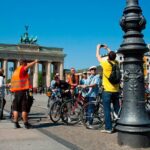
Berlin has a second life after the monuments. This alternative small-group bike tour trades the usual highlights for local streets and off-the-map corners. In about 3.5 hours, you get a guided mix of DDR-era landmarks, today’s street art, and green spaces that feel like Berlin locals’ breathing room.
What I like most is that the tour keeps moving at a pace that lets you actually look around (not just “photo-stop, pedal, repeat”). I also love that bikes and helmets are included, so you arrive ready to ride and you don’t waste time figuring out rentals.
One thing to consider: you’ll be sharing the road with cars and other cyclists, and a few sections can feel intense—especially if you’re traveling with younger kids.
In This Review
- Key things to know before you pedal
- Why this off-the-beaten-track bike tour feels like Berlin
- Starting at KulturBrauerei: location, vibe, and quick setup
- Friedrichshain parks and the city’s first municipal green space
- Oberbaum Bridge and the East Side story along the Spree
- Karl-Marx-Allee: Socialist Classicism meets architectural fingerprints
- RAW Tempel and the creative Berlin that doesn’t wait for permission
- Görlitzer Park: a neighborhood park with a post-rail past
- The guide makes the difference: Anna, Paul, Marcus, and more
- Pace, traffic, and how to keep the ride comfortable
- Price and value: what $43.54 buys you in 3.5 hours
- Weather, timing, and booking: simple planning moves
- Should you book the Alternative Berlin Bike Tour?
- FAQ
- How long is the Alternative Berlin Bike Tour?
- What does it cost?
- Where do I meet the tour?
- What time does the tour start?
- Is the tour in English, and do I need any special ticket?
- Are the bikes and helmets included?
- What if the weather is bad, or I need to cancel?
Key things to know before you pedal
- Small group size (max 14) means more attention and fewer waiting moments.
- Helmets and bikes included saves both money and hassle.
- You’ll get DDR-to-now context, not just names and dates.
- Expect a mix of Wall memory, parks, and alternative culture across neighborhoods.
- The ride is about 3.5 hours and Berlin is fairly flat, but it’s still a longer cycling stretch.
Why this off-the-beaten-track bike tour feels like Berlin
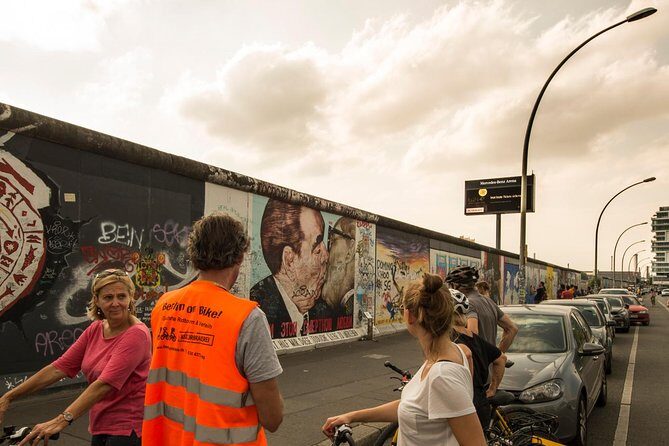
This is the kind of tour that makes Berlin click. Instead of only sweeping you past the obvious sights, it guides you through the neighborhoods where Berlin’s past still shows through. You’ll connect DDR-era architecture to what’s happening now: art spaces, graffiti, club culture, and everyday street life.
The structure helps. You’re on a bike for the “walking is too slow” parts, then you slow down around places with real stories. That’s why guides like Anna (praised for knowing the scene and connecting well with an 11-year-old) and Paul (noted for steering a smooth experience with a small group) stand out: they’re not just reciting history—they’re pointing out what you should notice while you’re actually there.
You can also read our reviews of more cycling tours in Berlin
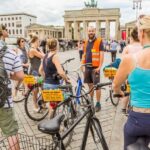
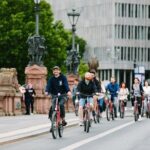
Starting at KulturBrauerei: location, vibe, and quick setup
You meet at Berlin on Bike – Radtouren & Fahrradverleih at Knaackstraße 97, near KulturBrauerei. The start is scheduled for 3:00 pm, and the tour ends back at the meeting point, so you’re not scrambling across town to get finished.
This matters more than it sounds. Starting near a major landmark means the logistics are simple: public transport access is close, and there’s less time wasted on “where do we gather again?” Once you’re fitted with your bike and helmet, you’re ready to roll without detours.
KulturBrauerei itself sets the tone. It’s an industrial building ensemble of about 25,000 m², with courtyards and a distinctive architecture style that’s been listed since 1974. In practice, it gives you a strong sense of Berlin’s “reuse and repurpose” attitude before you ever leave the area.
Friedrichshain parks and the city’s first municipal green space
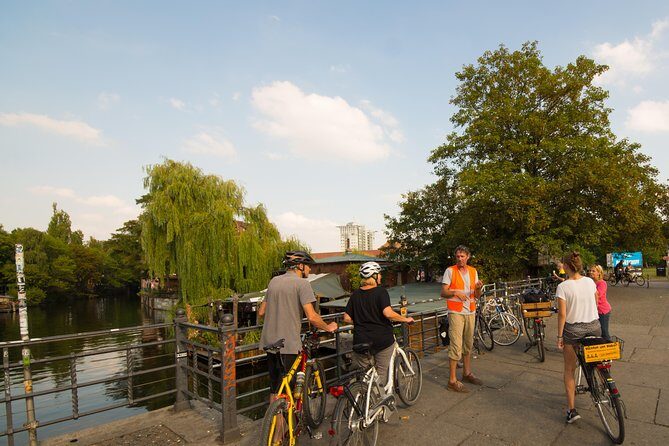
After you leave the bike depot zone, you head toward Volkspark Friedrichshain, described as Berlin’s first municipal green area, created in 1846. This stop is a reset button. Parks are useful on a bike tour because they break up the urban traffic rhythm and give you room to look, breathe, and hear the guide’s story without shouting over engines.
What’s great here is that it’s not only “pretty scenery.” You’re learning how Berlin’s planning and public space evolved. Even if you just take a short pause, the park helps you understand why Berlin is so attached to open air—even today.
Oberbaum Bridge and the East Side story along the Spree
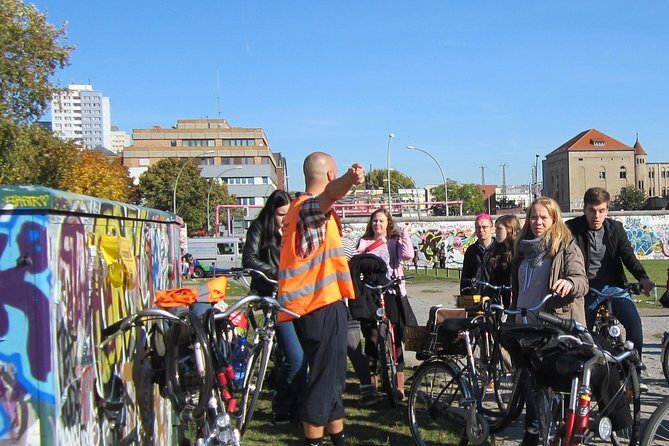
From Friedrichshain you’ll connect the area’s edge-to-edge feel: the tour is built around the Spree corridor and neighborhoods that mix old and new in a way you can’t experience from a bus window.
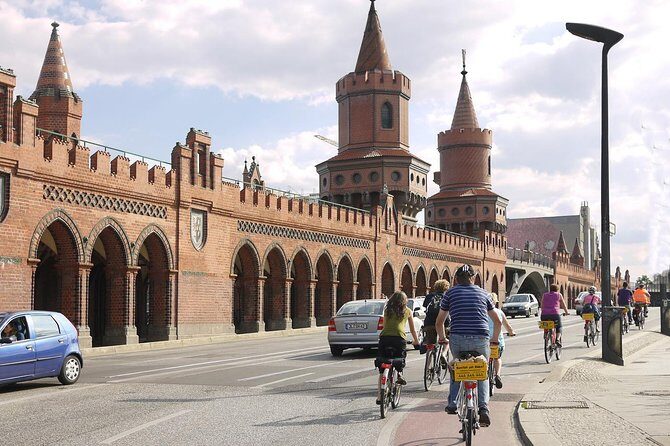
A key piece is the Oberbaum Bridge, which crosses the Spree and links Friedrichshain and Kreuzberg. It’s one of Berlin’s most recognized bridges, and it’s especially useful on a bike tour because you get the bridge in motion—then you can stop to take it in without feeling rushed.
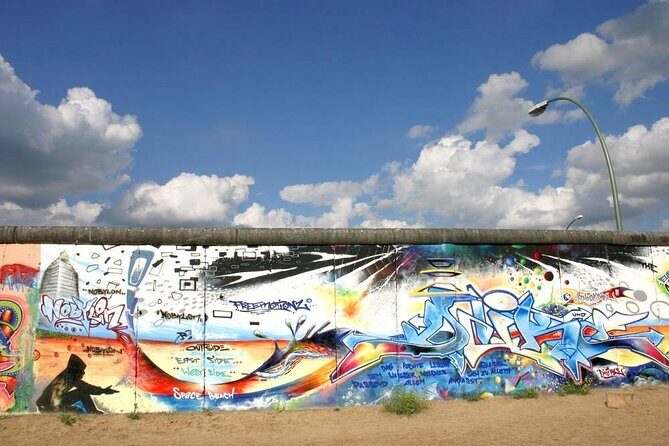
You’ll also encounter Berlin Wall-related culture in the general orbit of the East Side area (including the idea of wall sections turned into street-art space). The tour includes a permanent open-air gallery on one of the longest remaining sections of the Berlin Wall, in Mühlenstraße, between Ostbahnhof and Oberbaumbrücke, along the Spree. That location helps you grasp something important: the Wall isn’t only a museum object here. It’s part of an active city corridor where people still live, work, party, and create.
Karl-Marx-Allee: Socialist Classicism meets architectural fingerprints
Then you roll onto Karl-Marx-Allee, famous for apartment blocks and towers shaped by a style mix that includes Socialist Classicism and Prussian Schinkel School influences. This stop works because bikes let you read architecture like a moving timeline.
The practical benefit: you can actually watch the street change as you travel. Long, straight avenues can feel monotonous on a quick visit. On a bike tour, your speed matches your ability to take in details—building proportions, repetition, and the “statement street” feel.
A possible drawback: if you prefer only modern street scenes and minimal “big-structure” stops, Karl-Marx-Allee might feel a bit heavier. But if you want to understand how Berlin looked and operated during the DDR, this is a useful anchor.
RAW Tempel and the creative Berlin that doesn’t wait for permission
One of the most popular parts of this tour is the stop around RAW Tempel, a cultural site tied to exhibitions, markets, and club energy. The point isn’t just the name—it’s what the place represents: creative work happening in repurposed industrial space, with room for different communities and projects.
RAW Tempel is also described as home to many clubs and bars, plus intercultural projects and public events. In other words, it’s the kind of stop where you see the city’s “alternative” side is not limited to posters and photos. It’s built into the street ecosystem.
From the reviews, the guides’ storytelling is a big part of why RAW Tempel works on this particular tour. People singled out that the guide makes the place feel connected to the bigger Berlin picture—DDR-era space, today’s art, and why the neighborhood became a magnet for creative energy. If you care about the “why does Berlin work like this?” question, this stop delivers.
Görlitzer Park: a neighborhood park with a post-rail past
The tour finishes with Görlitzer Park in Kreuzberg. It’s described as one of Berlin’s larger green areas for recreation, created in the late 1980s and early 1990s after the old Görlitzer Bahnhof rail infrastructure was demolished.
This stop gives you a clean bookend. By the time you reach the park, you’ve already cycled through industrial architecture, Wall-adjacent art spaces, and big-street DDR layouts. A park at the end helps you turn the day’s input into something calm and “human scale.” It’s not just a break; it’s a reminder that Berlin’s edge-and-alternative identity still needs everyday comfort.
The only real consideration here is timing and energy. If you’re traveling with someone who gets tired fast, you’ll want to stay flexible about how long you linger in the park.
The guide makes the difference: Anna, Paul, Marcus, and more
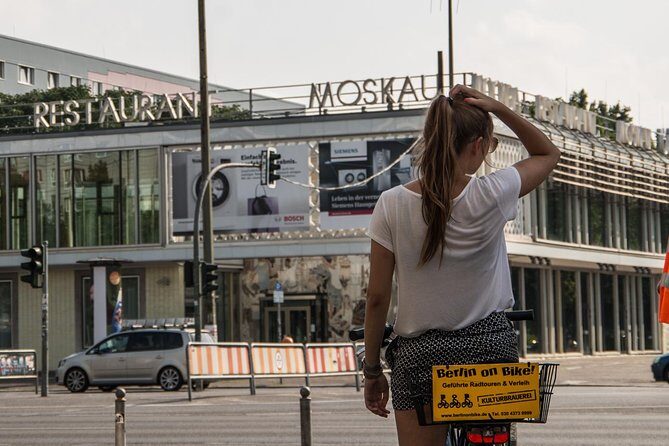
Small-group bike tours live or die by the guide. In this case, names like Anna, Paul, Marcus, Edgar, Maria, Lauren, and Klaus come up repeatedly—usually with the same thread: guides combine history with a feel for how the neighborhood works day to day.
Two examples from the guide vibe that matter for you:
- Anna’s approach stood out for connecting with the group and telling stories in a way that worked for both adults and a younger rider.
- Paul and Marcus were praised for making the ride smooth and informative, keeping group energy positive and moving at a pace that doesn’t drag.
So if you want a tour where you come away understanding why places like RAW Tempel exist, why Karl-Marx-Allee looks the way it does, and how the Wall’s legacy shows up in street art, pay attention to the guide style you’ll get that day.
Pace, traffic, and how to keep the ride comfortable
Berlin is fairly flat, which helps. Reviews also suggest cycling isn’t the hardest part for most people—but the ride is still about 3.5 hours, so bring stamina (or plan to take a few more micro-breaks if your group allows it).
Traffic is the one potential “watch out” category. One review notes that traffic—by car and bike—can feel harrowing, especially for younger kids. On the other hand, other feedback points to wide roads and a sense of safety with good bikes and solid guidance.
Here’s how to handle this realistically:
- If you’re bringing kids, make sure they’re comfortable riding for stretches and following instructions.
- Stay alert for sudden merges and bike-bike traffic, not just cars.
- Dress for weather. The tour operates in all weather conditions, and you’re advised to dress appropriately.
Price and value: what $43.54 buys you in 3.5 hours
At $43.54 per person, this isn’t a “splurge” tour—it’s priced like a smart, budget-friendly way to get expert guidance without paying for a bike rental. And that’s the key value: bikes and helmets are included, so you avoid the usual double-cost (rental plus guide).
You also get a real time bargain. A DIY afternoon might cost you transit, snack stops, and time figuring out routes. Here, you’re pointed to specific neighborhood layers: industrial repurposing, DDR architecture on Karl-Marx-Allee, wall-side street art, and parks with a concrete creation timeline.
One more value angle: this tour is offered in English and includes a mobile ticket, so you’re not dealing with extra paperwork. It’s also a small group (max 14), which usually means less crowding around your guide at stops.
Weather, timing, and booking: simple planning moves
The tour starts at 3:00 pm and lasts about 3 hours 30 minutes. You’ll receive confirmation at booking, and it’s typically booked about 12 days in advance on average—so if your dates are tight, don’t wait until the last minute.
For weather: it runs in all conditions, but poor weather can still trigger a schedule change or refund offer. Either way, bring appropriate clothing so you’re not miserable when the ride continues.
Also note: there’s no hotel pickup/drop-off. You’ll head to the meeting point yourself.
Should you book the Alternative Berlin Bike Tour?
Book it if you want Berlin with a point of view. This is a great match for you if you like street art and alternative culture, care about how the DDR era shows up in today’s streets, and want a guided ride that actually lets you absorb neighborhood details.
Skip it if you’re mainly chasing quick, iconic sightseeing with minimal road contact, or if you’re traveling with very young kids who struggle with traffic exposure. The tour can include that “city circulation” feeling, even with a good guide.
If you want a practical way to see more of Berlin than you could on foot in one afternoon, this small-group, bike-and-helmet setup is a strong value play.
FAQ
How long is the Alternative Berlin Bike Tour?
It runs for about 3 hours 30 minutes.
What does it cost?
The price is $43.54 per person.
Where do I meet the tour?
You meet at Berlin on Bike – Radtouren & Fahrradverleih, Knaackstraße 97, 10435 Berlin, Germany.
What time does the tour start?
The start time is 3:00 pm.
Is the tour in English, and do I need any special ticket?
The tour is offered in English and includes a mobile ticket.
Are the bikes and helmets included?
Yes. Use of the bicycle and a helmet are included.
What if the weather is bad, or I need to cancel?
The tour operates in all weather conditions, but it may be canceled due to poor weather, with an alternate date offered or a full refund. You can cancel for free up to 24 hours in advance for a full refund.