REVIEW · BERLIN
Sachsenhausen Memorial Private Half Day Tour
Book on Viator →Operated by Tour Up in Europe · Bookable on Viator
A camp visit isn’t light. It is made easier by a guide who keeps things factual and respectful. You get a private setup with hotel pickup and an English guide, plus a structured walk through the main parts of Sachsenhausen Memorial and Museum.
Two things I especially like: the pacing gives you time to absorb, and the tour focuses on specific places rather than vague storytelling. In the same spirit, guides such as Sven, Alex, and Alexander (from past groups) are praised for answering questions openly without turning the topic into drama.
One drawback to weigh up front: Sachsenhausen is emotionally heavy, and lunch isn’t included, so you’ll want to plan what you’ll eat before or after—your day will not leave much room for meals.
In This Review
- Key things to know before you go
- A Private Half Day to Sachsenhausen: What You’re Really Signing Up For
- Hotel Pickup and the 6-Hour Timeline That Keeps You Sane
- Entering the Camp Through Tower A: Where the Tone Is Set Immediately
- Barracks 38 and 39 (Small Camp): Learning Without Losing the Human Scale
- The Camp Prison, Original Cells, and How the Tour Handles the Worst Parts
- The Prisoner Kitchen Museum and Station Z: Brutality in Plain Sight
- Soviet Memorial: Why the Story Isn’t Only About One Side of History
- Price and Value at $464.65 per Person: When Private Really Pays Off
- What I’d Do Differently Next Time (So You Don’t Miss the Best Part)
- Who This Tour Fits Best (and Who Should Think Twice)
- Should You Book Sachsenhausen with This Private Half-Day Setup?
- FAQ
- How long is the Sachsenhausen Memorial private half-day tour?
- Does the tour include hotel pickup and drop-off?
- Is admission included?
- What language is the tour offered in?
- Is lunch included?
- Is it a private tour?
Key things to know before you go
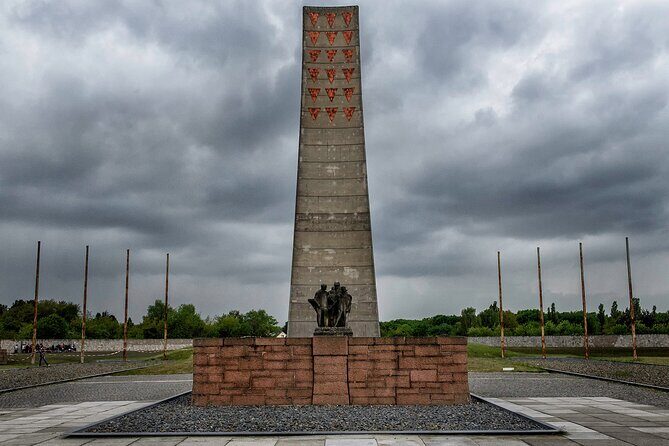
- Hotel pickup, private guide and driver make the schedule feel low-stress
- Admission included for the Sachsenhausen Memorial and Museum portion
- A focused route through key areas like the Small Camp, prison cells, infirmary, and Soviet memorial
- English-language guiding with time for questions
- Mobile ticket for smoother entry
- No lunch included, so bring snacks or plan food in Berlin afterward
A Private Half Day to Sachsenhausen: What You’re Really Signing Up For
Sachsenhausen Memorial is one of those places where you don’t go to “check it off.” You go because the site forces a serious look at how the Nazi system worked—then how survivors, victims, and later history are remembered.
What makes this private format work is the structure. You’re not left to wander and guess what matters most. The tour route has clear stops with enough time at each one to understand what you’re seeing, rather than racing through.
This is also a good example of why private guiding can be worth it. A skilled guide can explain the meaning of details that would otherwise look like random bricks, doors, and labels. Guides like Sven and Alex are singled out for keeping the tone straightforward and respectful, which matters here.
You can also read our reviews of more private tours in Berlin


Hotel Pickup and the 6-Hour Timeline That Keeps You Sane
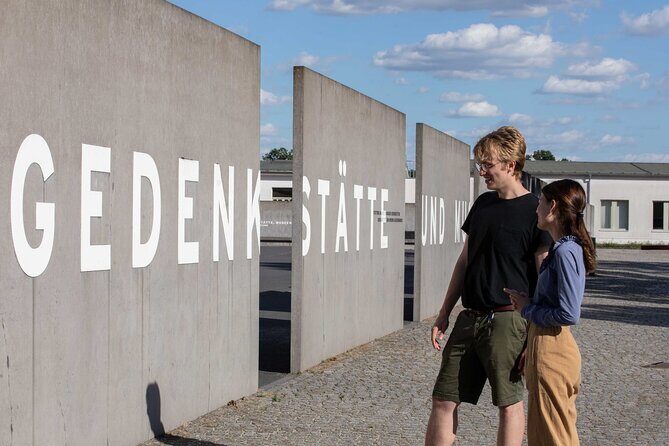
The day runs on a simple rhythm. You’re picked up from your Berlin hotel at 9:00 AM, then you head out toward Sachsenhausen. Around 10:00 AM, you arrive and enter the memorial through the main entrance area (Tower A is part of the entry experience).
The tour itself is about 4 hours inside Sachsenhausen, then you return to Berlin and are dropped back at your hotel around 2:30 PM.
Why this timing is practical: you get a meaningful visit without turning the day into an all-day slog. If you’re also seeing other Berlin sights, this half-day shape helps you fit everything without exhausting yourself too early. And since you’re in a private group, you’re not stuck waiting behind a larger crowd.
Entering the Camp Through Tower A: Where the Tone Is Set Immediately
The first moment you’ll feel is how the memorial frames the past. You enter through Tower A and the main entrance with the infamous Arbeit macht frei slogan.
Even if you already know the words, seeing the entrance in context changes the experience. It sets the mood for everything that follows: this wasn’t chaos. It was organized cruelty, carried out through systems, schedules, and controlled spaces.
Your guide’s job here is important. You’ll get orientation so the layout makes sense—where you are, what each area was used for, and why each stop is included in the route. That guidance is one reason the tour is repeatedly praised as “nice service and guiding,” not just a ticket to a site.
Barracks 38 and 39 (Small Camp): Learning Without Losing the Human Scale
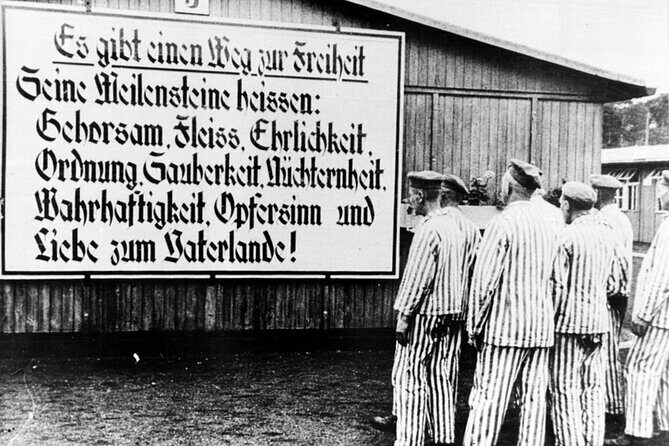
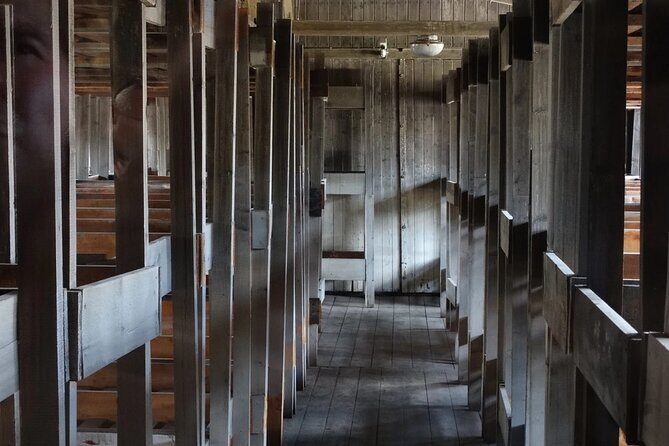
One of the strongest parts of this itinerary is the time at Barracks 38 and 39 in what’s known as the Small Camp. This section focuses on Jewish prisoners held there, and today those barracks are presented as a museum space.
This is where the tour’s structure helps most. Barracks can sound abstract until you’re standing in the spaces where people were kept. The point here isn’t just architecture; it’s the meaning of confinement and how prisoners were managed.
A good private guide does two things:
- explains what the space was used for
- connects facts to what you’re physically looking at, so it doesn’t become a history lecture
This stop is also where you’ll feel the difference between a rushed visit and a paced one. The route gives you a window to absorb what you see, not just pass through.
The Camp Prison, Original Cells, and How the Tour Handles the Worst Parts
Next comes the camp prison and original cells, where prisoners were held under brutal conditions.
This part of the visit is difficult, and that’s exactly why the tone of the guiding matters. In past experiences, Sven and Alex are praised for being factual and not overly emotional, which can feel more respectful than theatrics at a place like this. The goal is clarity, not sensationalism.
Then the itinerary moves to areas tied to suffering and forced harm: the infirmary, morgue, and medical experiments conducted on inmates.
Even if you know the general story of Nazi-era medical atrocities, the specific way a memorial presents the information can be sobering. Expect a careful explanation of what was done, how the systems were arranged, and what the consequences were for prisoners.
This is one of those sections where I’d suggest pacing yourself mentally. Take your time at each sub-stop, and if you need a moment to step back, do it. This tour format usually gives you enough breathing room to pause and regroup rather than pushing you onward.




The Prisoner Kitchen Museum and Station Z: Brutality in Plain Sight
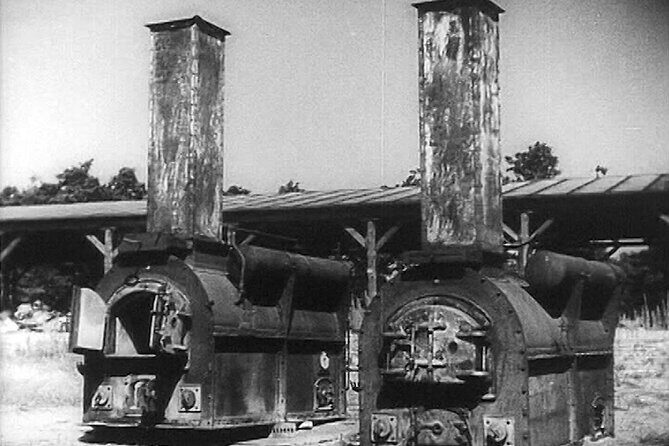
After the heavy material of the prison and medical areas, the itinerary shifts to more physical remnants: the prisoner kitchen museum and the remains of Station Z.
The prisoner kitchen museum matters because kitchens and workspaces are where everyday tasks become part of a larger machine of control. You’re not just hearing about suffering; you’re seeing how the camp was built to keep running.
Then you’ll get to Station Z—described as the remains of the site. Even as ruins, these places help you understand how the camp’s infrastructure functioned. They also make the story feel less like a distant textbook and more like a set of connected locations.
What I like about including these stops in a half-day itinerary: they widen your understanding beyond the most famous horrors. They show the broader system, from holding prisoners to operating the camp’s day-to-day functions.
Soviet Memorial: Why the Story Isn’t Only About One Side of History
The final major stop is the Soviet memorial.
This matters because Sachsenhausen Memorial isn’t only focused on one phase of history. It also acknowledges later remembrance and how the site fits into the wider story of 20th-century Europe. In a visit like this, that broader perspective can help you process what you’ve seen without losing the significance of the original victims.
Expect the guide to connect the memorial area to what came before it in the route, so it doesn’t feel like a random detour at the end. Done well, this part helps you leave with a more complete picture of meaning and memory.
Price and Value at $464.65 per Person: When Private Really Pays Off
At $464.65 per person, this isn’t a budget activity. But it also isn’t just “a driver and a ticket.” The price includes all fees and taxes, plus a private guide and driver, and admission for the memorial portion.
So where does the value come from?
- Time saved and stress reduced: hotel pickup and drop-off in Berlin mean you’re not managing transport to and from the site on a tight schedule.
- Admission included: you’re not adding another layer of ticket cost.
- Private, English-language explanation: you get more than viewing—you get interpretation.
The main cost you’ll personally need to manage is food. Lunch isn’t included, so you’ll want to plan your meals in advance. If you show up hungry and without a plan, the day can feel tighter than it needs to be.
If you’re traveling as a couple or small group and you care about being guided through sensitive history with respectful pacing, this price often makes sense. If you’re solo and comfortable using public transit while reading signage on your own, you might find cheaper options elsewhere—but you’ll likely lose the tailored guidance that helps this site land with clarity.
What I’d Do Differently Next Time (So You Don’t Miss the Best Part)
This type of visit is less about collecting sights and more about absorbing meaning. If you book it, I’d treat it like one focused experience, not a checklist item.
Here are a few practical ways to get more value from the half day:
- Arrive mentally ready for a serious topic. This isn’t a “quick educational stop.” It’s one of those visits that can stick with you for days.
- Plan for food. With no lunch included, decide beforehand whether you’ll eat before pickup, grab something during a return window, or handle it after drop-off.
- Use the guide for questions. One reason the tour earns strong praise is that the guide answers openly and doesn’t sugarcoat the facts. If something doesn’t make sense, ask.
And a small style note: guides are praised for being straightforward and respectful rather than performative. That’s a good sign. If you prefer a tour that tells you what happened and why, without turning it into a show, you’ll likely feel comfortable with this approach.
Who This Tour Fits Best (and Who Should Think Twice)
This tour is a strong match if you:
- want hotel pickup and a smooth schedule
- prefer a private group experience rather than joining a big bus crowd
- care about learning from an English guide who sticks to the facts
- want a structured route that hits the major areas in a limited time
It may be less ideal if you:
- aren’t comfortable with difficult subject matter
- need lots of breaks for emotional or physical pacing
- expect lunch or a built-in meal stop (since none is included)
Also note the size of the experience you’re taking on. Even with a private guide, you’re spending around 4 hours inside the memorial grounds, plus travel time. That’s a lot of one-topic focus.
Should You Book Sachsenhausen with This Private Half-Day Setup?
Yes—if you want a serious, well-run visit with interpretation built in. The biggest reasons to book are the private guide and driver, the included admission, and the way the route is paced to help you actually take the site in.
If you’re deciding between doing it independently and hiring a guide, I’d lean toward this format for two groups:
- you want sensitive, factual explanation rather than reading everything yourself
- you value time efficiency and clarity in a place with a hard emotional weight
One final nudge: pack your day with intention. This tour is the kind you remember, and not always in a comfortable way. But with a respectful guide and a solid plan, you’ll leave with more understanding—and less confusion—than you’d get from trying to figure it all out on your own.
FAQ
How long is the Sachsenhausen Memorial private half-day tour?
It runs for about 6 hours total, including pickup, the visit at Sachsenhausen, and time to return to Berlin.
Does the tour include hotel pickup and drop-off?
Yes. The guide and driver meet you at your Berlin hotel and later drop you back around 2:30 PM.
Is admission included?
Yes. The memorial and museum admission for the Sachsenhausen portion is included, with fees and taxes covered as well.
What language is the tour offered in?
The tour is offered in English.
Is lunch included?
No. Lunch is not included.
Is it a private tour?
Yes. It’s private, so only your group participates.