REVIEW · BERLIN
Queer Berlin Tour: Birthplace of LGBTQ+ Movements
Book on GetYourGuide →Operated by insightcities.com · Bookable on GetYourGuide
Berlin’s queer story is written in sidewalks.
I love how this tour links big names to specific places, so the history feels real, not like a lecture. I also love the pacing: you start with the darker 20th-century milestones and still end with how Schöneberg became a gay heart of the city again. And yes, it is emotional and factual—one consideration is that it’s a walking tour, so you’ll want comfortable shoes and to be ready for several stops over about 3 hours (Magnus Hirschfeld and Schöneberg are major anchors).
If you get guides like Dan or Justin, you’ll see why the reviews are so strong: small-group energy, strong storytelling, and even music used to set the scene. Dan’s approach is especially noted for mixing 1920s and 1930s context with humor, plus references that make Berlin’s queer history easier to hold onto. The trade-off is that the tour is intentionally content-heavy, so it’s best when you’re ready to focus, not just sightsee (Schöneberg and the nightclub stops come up often).
In This Review
- Key things that make this tour worth your time
- Walking Berlin’s queer map: from Tiergarten memorials to Schöneberg
- The Hirschfeld stops: Institute for Sexual Science and the cost of censorship
- Memorials and persecution: seeing how Nazi violence reaches real places
- Schöneberg on foot: the world’s first gay ghetto and its nightlife legacy
- Isherwood, Cabaret, and El Dorado: Weimar queer culture in specific locations
- Returning after the wall: rebirth of Schöneberg and the Cold War story at Alexanderplatz
- Unter den Linden and the art of disguise: early queer Berliners and survival
- Price, time, and value: is $153 for 3 hours fair?
- Who should book this Queer Berlin Tour—and who might want another option
- Should you book it?
- FAQ
- How long is the Queer Berlin Tour?
- Where do I start from?
- What languages are the tours offered in?
- Is it mostly walking?
- What areas of Berlin does the tour cover?
- Are metro fares included?
- Where does the tour end?
- Is there free cancellation?
Key things that make this tour worth your time
- Schöneberg as the world’s first gay ghetto, not just a buzzword for a trendy neighborhood
- Magnus Hirschfeld’s Institute for Sexual Science site, with clear context on what got erased in 1933
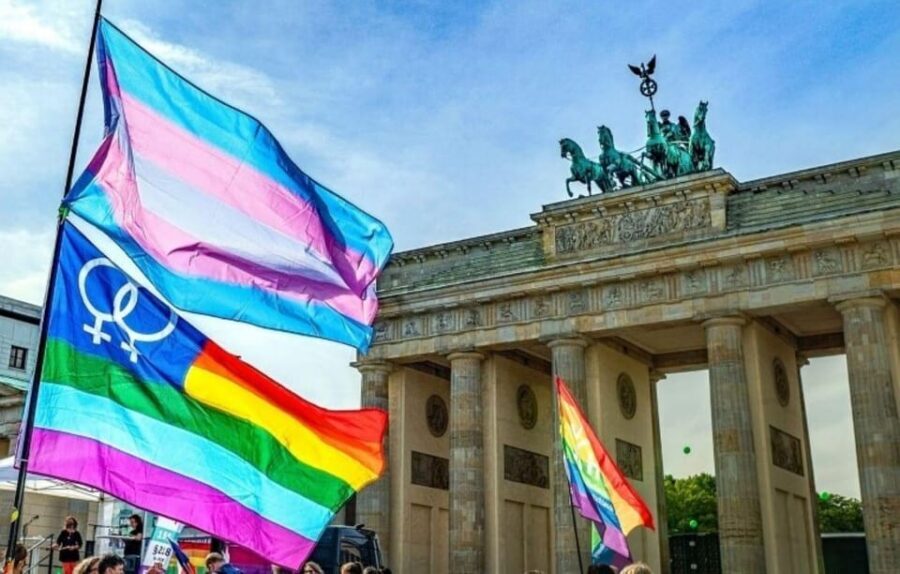
- The monument to the Gay Emancipation Movement in the Tiergarten area, tied to Hirschfeld’s ideas
- Weimar-era queer culture, including the connections to Christopher Isherwood and Cabaret
- El Dorado Cabaret and Ernst Röhm, with the shock of where Nazi history intersects queer life
- Chez Romy Haag and David Bowie’s Heroes, connecting nightlife to pop-music legacy
Walking Berlin’s queer map: from Tiergarten memorials to Schöneberg
This is the kind of tour where the city feels like a timeline. In about 3 hours, you move through neighborhoods and landmarks that connect LGBTQ+ activism, scholarship, nightlife, and survival—plus the brutal interruptions that tried to erase it all.
I like that it doesn’t treat queer history as one straight line. You get contrasts: scientific progress next to censorship, nightlife next to political persecution, and a later rebirth of community after World War II. The walking format helps, because you’re not only hearing names—you’re standing where events happened and then watching the story shift as you turn a corner.
You’ll also get a strong guide presence. The tour runs with live guidance in English or German, and the style can feel different depending on your guide. Justin and Dan are both specifically mentioned in the feedback you have here, and the common thread is straightforward: they tell stories with a sense of Berlin, and they keep the history moving rather than stopping at every plaque.
A few more Berlin tours and experiences worth a look

The Hirschfeld stops: Institute for Sexual Science and the cost of censorship
One of the tour’s biggest strengths is the Hirschfeld portion. You’ll visit the site connected to the Institute for Sexual Science, founded by Magnus Hirschfeld—a key figure because he wasn’t only advocating for gay rights, he was also building visibility and documentation in a way that made later activism possible.
The tour ties Hirschfeld to several historically important contributions:
- Hirschfeld coined the term transsexualism
- He helped pioneer the gay rights movement
- He co-authored the first pro-gay film, Anders als die Andern (Different from the Others) in 1919
What makes this stop hit is what comes right after the accomplishments: the Nazis shut the Institute in 1933 and burned its library. That detail matters because it explains why so much history can vanish. The lesson isn’t abstract. You’re standing on a place that represents both progress and deliberate destruction.
If you care about how LGBTQ+ rights evolved—not just the slogans but the mechanisms (research, films, public debate)—this section is the backbone of the whole experience.
Memorials and persecution: seeing how Nazi violence reaches real places
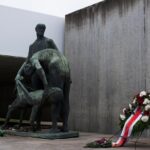
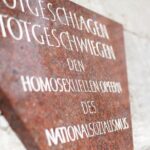
The tour includes the Memorial to the Homosexuals Persecuted Under Nazism. This is where the tone properly firms up. You’re not just learning that persecution happened; you’re shown a specific Berlin point tied to that suffering.
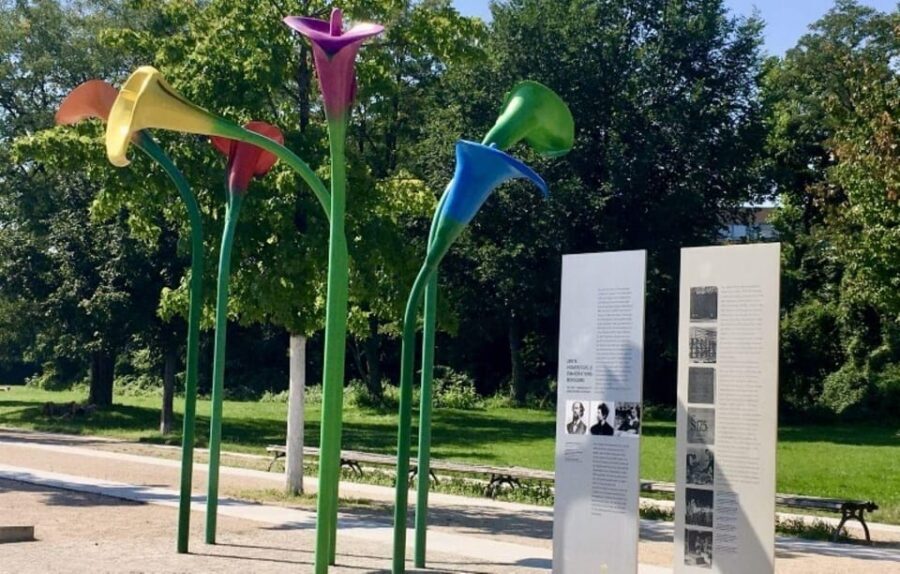
From there, you also visit the colorful monument to the Gay Emancipation Movement and related Hirschfeld-linked context. That pairing—memorial plus emancipation—does a useful job. It helps you understand that queer rights didn’t just appear “later.” There was organized advocacy in the 1920s, and it faced real, targeted violence.
You’ll also hear why the memory work in Berlin is so strong. These sites don’t just commemorate victims. They explain the logic of what was targeted: identity itself, public expression, and the institutions that supported LGBTQ+ visibility.
Schöneberg on foot: the world’s first gay ghetto and its nightlife legacy
Then you shift into Schöneberg, described here as the world’s first gay ghetto. Even if you’ve heard the term before, walking through this story changes how it lands. The tour treats Schöneberg as a lived space—bars, community, and places where people found each other even when the broader society was hostile.
You’ll explore Schöneberg with an emphasis on legendary lesbian bars and the way nightlife could function like a public network. That’s an important nuance: in many cities, LGBTQ+ history is told mainly through politics. Berlin’s story includes politics, but it also includes the practical creation of social space.
A couple of the details that stand out in the provided information:
- You’ll pass clubs and venues associated with queer scenes over time
- You’ll hear about a rent-boy dive that remains gay-run to this day
- You’ll get the rhythm of the area by moving block by block rather than teleporting between headlines
There’s also a guided stop called Real de Catorce. Since the emphasis here is on guided narration rather than a clearly listed historical fact in the provided notes, think of it as part of the walk’s structure—one of the checkpoints your guide uses to keep the story coherent while you transition between scenes.
Isherwood, Cabaret, and El Dorado: Weimar queer culture in specific locations
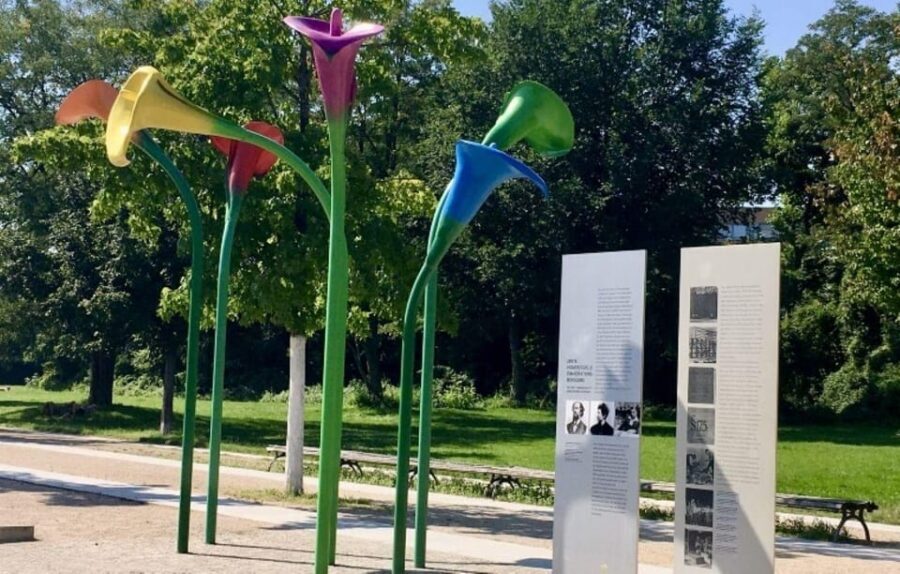
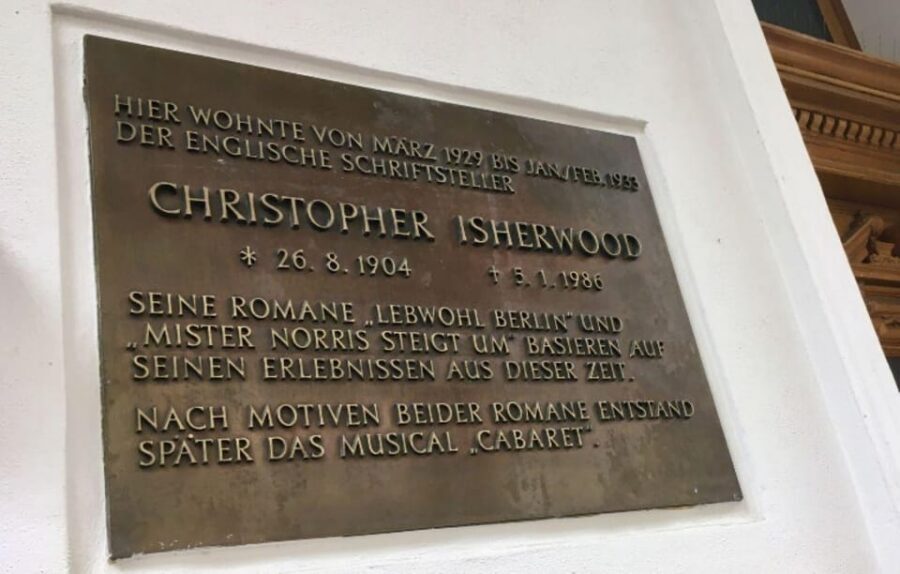
One of the tour’s most entertaining, and very Berlin, parts is the Weimar-era thread. You’ll visit Christopher Isherwood’s former flat, and the guide connects his experiences to the world that later inspired Cabaret. That matters because Cabaret can feel like a distant art object if you only know it from stage or screen. Here, it’s tied back to the streets and the social atmosphere that fed it.
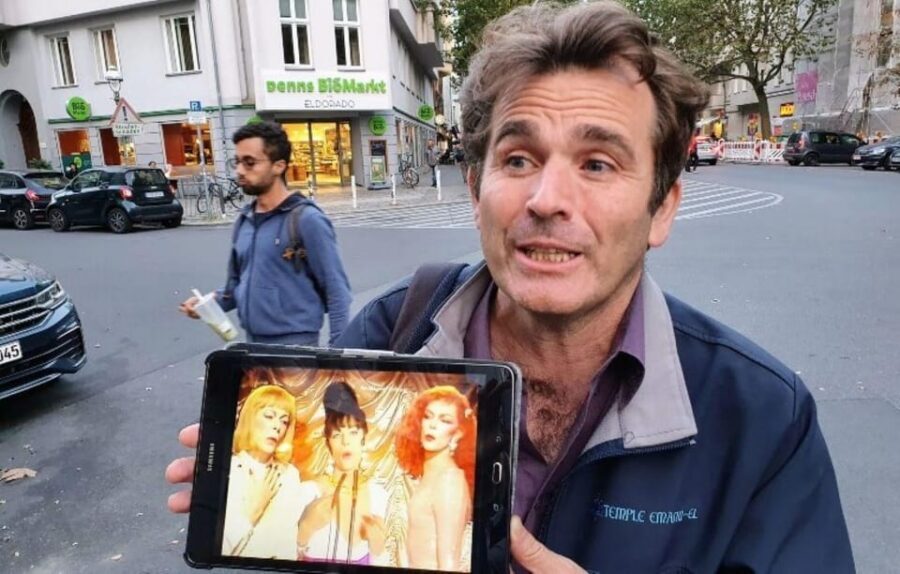
Next comes the former El Dorado Cabaret, specifically noted as a place where Marlene Dietrich performed. The tour doesn’t treat it like a museum stop. It uses the idea of regulars to show how queer nightlife and mainstream celebrity culture intersected in the 1920s.
The story gets darker when you hear about Ernst Röhm, described here as the openly gay head of the Sturmabteilung (the Nazi Brown Shirts). The presence of Röhm in that nightlife orbit creates a painful kind of complexity: Berlin’s queer history is not “pure” or “separate.” It was entangled with politics, power, and violence.
Then you get one of the sharpest historical turns in this whole experience: Röhm’s execution during the Night of the Long Knives (Nacht der langen Messer) in 1934. The tour uses this to explain how “moral” political purges were tied to control, propaganda, and the elimination of perceived threats.
If you like tours that connect art, nightlife, and hard history in the same breath, this portion is likely to be your favorite.






Returning after the wall: rebirth of Schöneberg and the Cold War story at Alexanderplatz
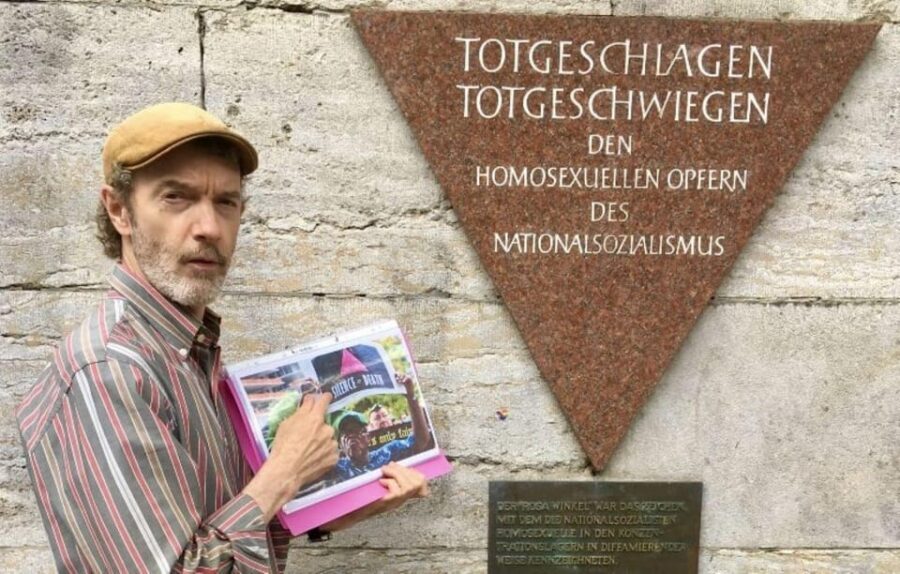
After the early-20th-century pressure and persecution, the tour pivots toward post-WWII recovery—how Schöneberg regained its place as a gay-heart of the city. You’ll hear stories of that rebirth as part of the walk, not as a separate chapter at the end.
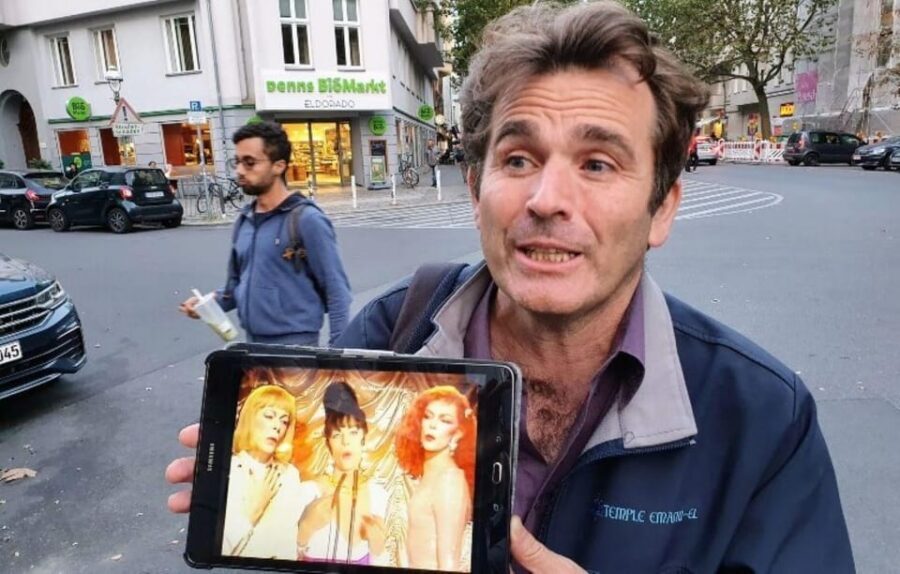
The tour also includes a spotlight on a later icon: Chez Romy Haag. You’ll learn that transgender actress, singer, and dancer Romy Haag met David Bowie there and began an affair with him. The provided information also connects this to Bowie’s song Heroes, and that link is a great example of how LGBTQ+ life continues to shape culture long after the original scene changes.
Finally, the tour travels to Alexanderplatz, positioned here as the heart of Cold War East Berlin. This ending matters because it forces the story to leave West Germany’s well-known nightlife narrative and confront what LGBTQ+ people faced under the Iron Curtain. The tour frames it around the suffering endured by gays and lesbians behind that divide.
I like the structure of ending here. It’s not just a “happy legacy” walk. It leaves you with an understanding that visibility and freedom have always been contested, and Berlin’s role in that struggle was both influential and brutal.
Unter den Linden and the art of disguise: early queer Berliners and survival
Before you land at Alexanderplatz, you also walk along Unter den Linden. This is where the tour adds a surprising angle: early LGBTQ+ life can involve secrecy and coded behavior, not only public activism.
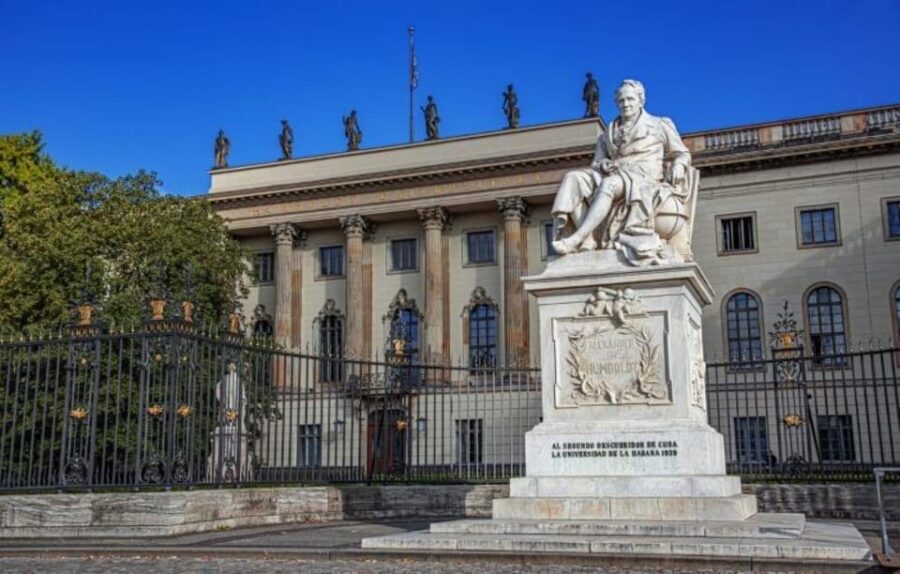
You’ll meet early gay Berliners such as Frederick the Great and explorer Alexander von Humboldt, and you’ll hear how figures like these disguised their sexuality. It’s a reminder that queer life has always existed in Berlin—just often under different rules and different risks.
This section helps a lot if you’re wondering how to interpret the rest of the tour. Without it, the early 1900s landmarks might feel like the start of something. With it, they feel like another turn in a longer story of adaptation.
Price, time, and value: is $153 for 3 hours fair?
At $153 per person for a 3-hour guided walking tour, you’re paying for more than movement between sights. You’re buying narration that connects multiple eras—Hirschfeld and scientific advocacy, the Nazi shutdown and burned library, Weimar nightlife, and post-war rebirth plus Cold War realities.
What makes it feel like value, in practical terms:
- You cover multiple major story locations without needing to research each one first
- You get expert-led linking between people, institutions, and places
- You visit Schöneberg and Alexanderplatz, two different “modes” of queer Berlin history
Two costs to remember that aren’t included: metro fare. And since it’s walking-focused, you’ll get the most out of it if you already know you can handle a sustained urban stroll.
Who should book this Queer Berlin Tour—and who might want another option

This tour is a strong fit if:
- You want LGBTQ+ history tied to actual street corners and buildings
- You’re curious about Magnus Hirschfeld beyond the headlines
- You like guides who tell stories with context (music and images are part of at least one guide’s approach)
It may be less ideal if:
- You want only light sightseeing with minimal heavy history
- You have mobility constraints and can’t do a walking itinerary (the tour asks you to contact them if mobility is a concern)
Also, if you’re traveling in a small group or prefer a more personal feel, the format here supports private or small groups available. That tends to help when you want to ask questions and get the story in your own pace.
Should you book it?
I’d book this if you want Berlin’s LGBTQ+ history in a clear, chronological-feeling walk that doesn’t skip the hard parts. The strongest reason is the way the tour anchors ideas in specific places—Hirschfeld’s Institute area, the memorials, Schöneberg nightlife, Isherwood’s flat, the El Dorado Cabaret, and the Cold War turn at Alexanderplatz. That’s not just “stuff to see.” It’s a way to understand how queer life in Berlin has changed and why.
If you’re flexible, you also get planning comfort: free cancellation up to 24 hours in advance and a reserve now & pay later option are both listed. For most people, that lowers the risk enough to try it—especially if your main goal is to leave Berlin with a better map of its LGBTQ+ past and present.
FAQ
How long is the Queer Berlin Tour?
It’s a 3-hour walking tour.
Where do I start from?
The starting or pickup location depends on the selected option.
What languages are the tours offered in?
The tour guide works in German and English.
Is it mostly walking?
Yes. It’s a walking tour, so you’ll want comfortable shoes. If mobility is a concern, you’re asked to contact the tour team.
What areas of Berlin does the tour cover?
You’ll explore Schöneberg and also visit Alexanderplatz, plus stops around the Tiergarten and Unter den Linden areas.
Are metro fares included?
No, metro fare is not included.
Where does the tour end?
There are 2 drop-off locations, including Berlin at Impala Coffeeshop.
Is there free cancellation?
Yes, you can cancel up to 24 hours in advance for a full refund.