REVIEW · MUNICH RESIDENZ
Munich Residenz: Private Tour with artists and historians
Book on GetYourGuide →Operated by Munich Art Tours · Bookable on GetYourGuide
Step into a royal palace where art has politics. This private Munich Residenz tour pairs an artist guide with historian-level context, so you don’t just look at rooms—you understand why these Wittelsbach rulers built them this way. I especially like the way the tour turns painting details into real stories, and the way the guide connects palace life to Munich traditions like Oktoberfest. One thing to keep in mind: it’s a fast 2–3 hours through a lot of space, so comfy shoes matter.
You’ll walk through the residence’s staggering 139 rooms, with a guide who points out what to notice and what it all meant. You also get a mix of interior highlights (including the Green Gallery) and the bigger historical picture, like what happened to the palace during WWII. The only potential downside for some people is that it isn’t a kids-first tour (it’s not suitable for children under 10) and it’s not designed for luggage or large bags.
In This Review
- Key things that make this tour worth your time
- Munich Residenz in 2–3 Hours: What 139 Rooms Really Feels Like
- Meeting the Right Guide: Artist Focus, Court-Level Stories
- The tour “shape” that helps you not get overwhelmed
- Green Gallery: Where Paintings Become Technical and Personal
- Wittelsbach Life, Court Meaning, and Why Rooms Were Built This Way
- What you’ll likely notice as you walk
- Ludwig II and Richard Wagner: A Royal Affair with Art and Power
- Oktoberfest Traditions in the Palace: Seeing the Link in Context
- Garden and Exterior Clues: From Court Comfort to WWII Reality
- The Price Question: Is $160 Per Person Good Value?
- Who gets the best value
- What You Should Bring (and What to Leave Behind)
- Who This Private Tour Fits Best
- Should You Book the Munich Residenz Private Tour with Artists and Historians?
- FAQ
- Where is the meeting point?
- How long does the tour take?
- Is this a private tour?
- What languages are offered?
- Is it wheelchair accessible?
- What’s the policy for weather?
- Is it suitable for children?
- Can I cancel for a refund?
- Is museum entry included?
- Can I reserve without paying right away?
Key things that make this tour worth your time
- Artist-guided storytelling across royal rooms, not a standard museum script
- 139 rooms in 2–3 hours, with a focused route that keeps the pace human
- Green Gallery painting explanations with technical background you can actually picture
- Ludwig II and Richard Wagner connections tied to the same world of power
- Oktoberfest traditions linked back to the residence so it all feels connected
- WWII exterior context, adding meaning to what you see outside
Munich Residenz in 2–3 Hours: What 139 Rooms Really Feels Like
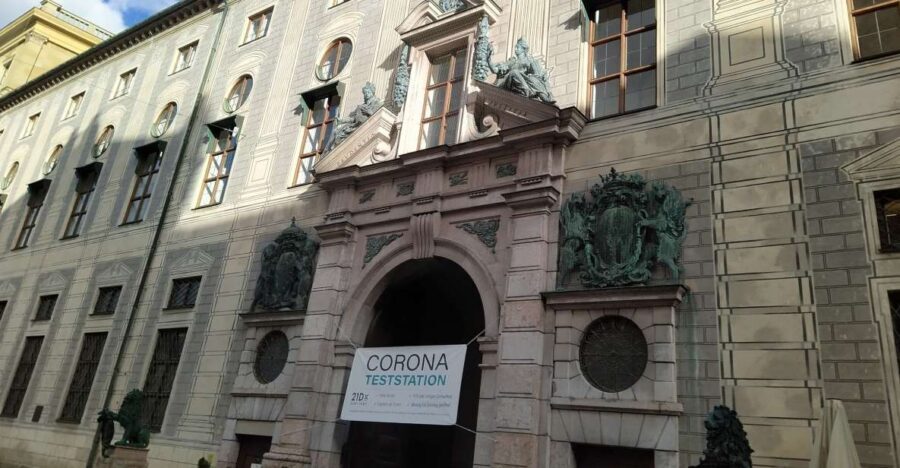
The Munich Residenz is one of those places that looks like it could swallow an entire day. On this private tour, you get the opposite approach: a careful, guided route that helps you make sense of the scale without drowning in details. You’ll enter with a local artist guide and move room to room with a steady pace, so it feels like a conversation through the palace rather than a checklist.
The big idea here is that the Residenz isn’t just a museum. It’s a setting where Bavarian rulers lived, acted, hosted, and—at times—changed the course of history. When you’re walking these rooms with context, the architecture starts making sense. You’ll notice how display, status, and ceremony were built into everyday movement, not just saved for special occasions.
In practical terms, the experience lasts about 2 hours, with the total running time listed as 2–3 hours. That difference matters: if you’re the type who likes to linger, you’ll feel a bit of time pressure. If you want strong context quickly, this is a good match.
Tip for your comfort: wear comfortable shoes. You’ll be on your feet, and the pace is designed to keep you seeing key rooms.
Meeting the Right Guide: Artist Focus, Court-Level Stories
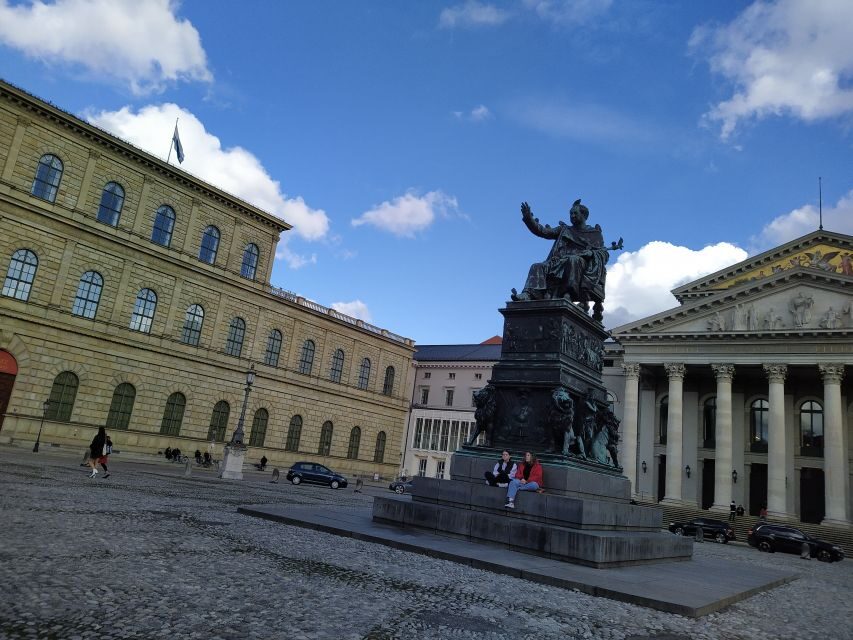
This is a private group tour with a professional guide who has an artist’s eye for visual details and a historian’s habit of explaining why they matter. In the past, guides on this experience have included Paul Riedel and Freya, and the approach is similar: the guide keeps a calm rhythm while connecting art, politics, and daily life.
What I like about this format is that you’re not just learning facts—you’re learning how to look. A painting isn’t treated as decoration. The guide explains the technical background and what you should notice in the composition and storytelling. That changes everything, because once you start seeing the method behind the image, the palace feels more alive.
You also get a sense of the Wittelsbach family’s early years and how Munich’s royal household functioned. The guide sets the stage, so later stories—about specific rooms, specific art, and specific rulers—don’t feel like random chapters. Instead, it feels like following a timeline through physical space.
The tour “shape” that helps you not get overwhelmed
A palace route can go wrong in two ways: either too much time in too few rooms, or too many rooms with no guidance. This tour lands closer to the middle. You’ll see a lot (including the garden of King Ludwig II), but the guide keeps returning to what matters: how the art and rooms connect to power and tradition.
Green Gallery: Where Paintings Become Technical and Personal
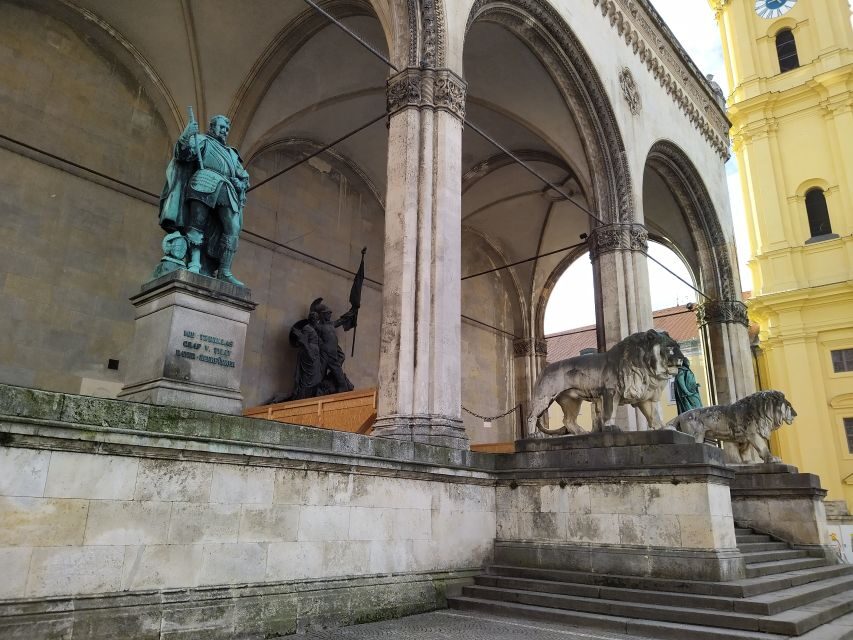
One of the clearest highlights of this tour is the Green Gallery. This is the kind of place where you might otherwise glance and move on, because the colors and design can be visually busy. Here, you slow down just enough to understand what you’re seeing.
The guide presents selected paintings and explains their technical background, which is exactly what most people need. Instead of only hearing subject matter, you’ll learn how the work is built—how details reinforce meaning. That makes the art feel intentional rather than simply impressive.
This is also where the artist-guided angle matters. The guide tends to point out visual cues that ordinary audio tours often skip: the way an image is structured, where attention is meant to go, and how the palace’s decorative language supports the court’s messaging.
If you care about art beyond selfies and quick scans, you’ll likely love this part.
Wittelsbach Life, Court Meaning, and Why Rooms Were Built This Way
As you move through the residence’s 139 rooms, the tour isn’t trying to cover every single chamber. Instead, it uses key stops to explain the lived-in logic of the palace. You’ll learn about the early years of Munich’s royal family—especially the Wittelsbachs—and get a sense of where they lived and how daily life played out in these spaces.
This is valuable because palace history can turn abstract fast. A private guide helps you link people to place. When you hear why a room existed and what it was designed for, it’s easier to understand the grand style of Europe’s late kings and the specific way this residence communicates rank and ritual.
What you’ll likely notice as you walk
You’ll start to view the palace like a map of behavior. Where people stood, where they faced, where conversations happened, where display took priority—those details become clearer when your guide points them out. Even if you’re not a “history person,” that’s the moment you start enjoying the setting.
Ludwig II and Richard Wagner: A Royal Affair with Art and Power
The tour includes a story that many visitors associate with romanticism, but here it’s explained through the lens of court life: the interesting affair between King Ludwig II and Richard Wagner. It’s not just a name-drop. The context matters, because Ludwig’s taste for Wagner connects to the broader theme of how rulers used art to define their world.
As you tour, the guide ties this connection into what you see around you—so the relationship feels like part of the palace’s atmosphere, not just a separate biography chapter. Ludwig II’s influence is also reflected in the areas tied to his presence, including time for reflection in the garden associated with him.
If you’re curious why Bavarian culture has such a strong relationship with music and spectacle, this is one of the most direct ways to understand it.
Oktoberfest Traditions in the Palace: Seeing the Link in Context
Oktoberfest can feel like a modern event that just happens in Munich. This tour takes a different angle: it explains traditions of Oktoberfest and how they connect back to the residence.
That connection is the kind of thing that changes how you interpret what you’ll later see outside. Instead of viewing Oktoberfest purely as beer halls and costumes, you’ll start noticing the older ceremonial logic behind public celebrations—how courts and traditions influenced the city’s ritual style.
Even if Oktoberfest isn’t your main reason for visiting, the story adds meaning. It turns the palace into a cultural hub, not just a historic building.
Garden and Exterior Clues: From Court Comfort to WWII Reality
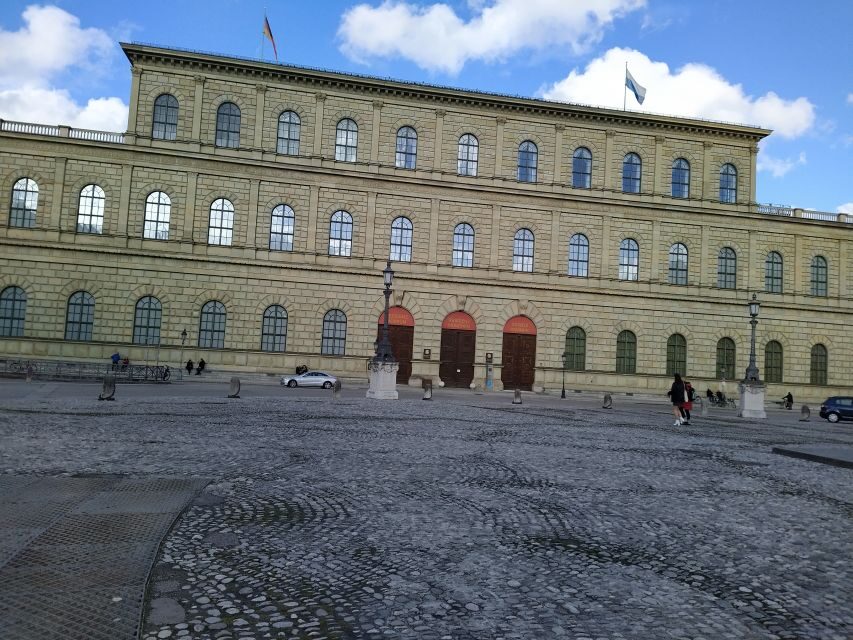
Inside, the tour brings you through rooms and galleries. Outside, it adds the harder layer of modern history. You’ll learn about the exterior of the palace, including the fact that it was nearly destroyed during WWII.
That detail matters because it gives you a new way to look at what you see. Palaces can feel timeless in pictures, but the buildings you visit now are survivors. When you know what nearly happened, the restoration and survival feel personal, not just architectural.
You’ll also spend time around the garden of King Ludwig II, where the mood shifts slightly from ceremonial rooms to reflective space. That contrast is useful: it prevents the tour from feeling like an endless parade of formal interiors.
The Price Question: Is $160 Per Person Good Value?
At $160 per person for a private tour lasting 2–3 hours, the value depends on what you want out of Munich. If you’re the type who enjoys history but gets bored with generic museum routes, this price can feel fair fast. The big reasons are practical:
- Private group means you can ask questions and keep the pace aligned with your interests.
- The guide is not just a reader of facts. The artist-led approach adds value in how you understand paintings and design.
- You get skip the ticket line, which saves time when you’d rather spend that energy on the most meaningful rooms.
The one place to be cautious: museum entry isn’t clearly stated in a straightforward way in the provided details. So before you go, double-check whether admission is included with your booking. If it’s not, then your total cost might be a bit higher than the base price.
Who gets the best value
If you want a guided path through key rooms without spending hours figuring it out yourself, this tour is designed for you. If you prefer full freedom to roam and stop whenever you feel like it, you might prefer purchasing a standard admission and using a self-guided approach.
What You Should Bring (and What to Leave Behind)
This tour is straightforward to prepare for, but do yourself a favor and pack light.
- Bring comfortable shoes.
- Avoid luggage or large bags (not allowed).
- The tour runs rain or shine, so be ready for Munich weather changes.
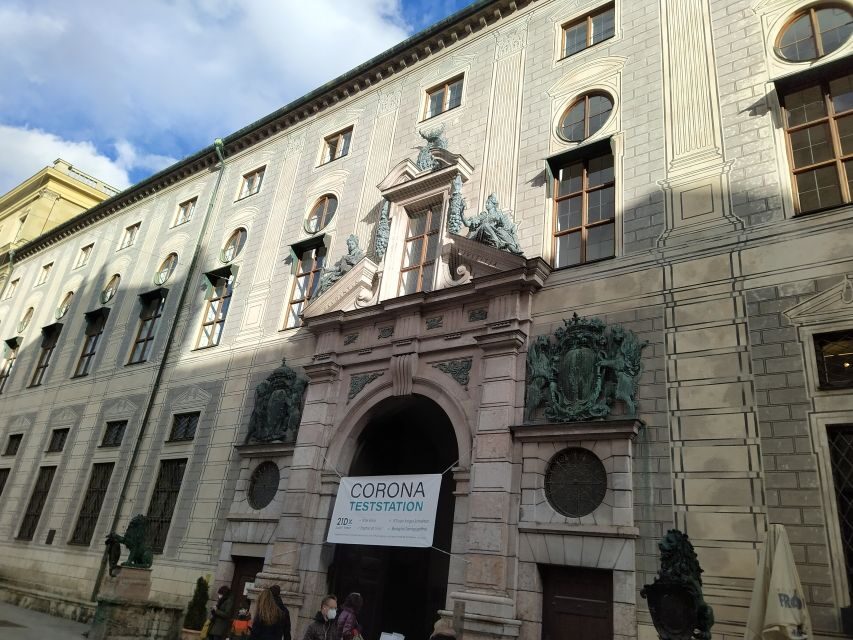
- You’ll meet your guide in front of the Munich Residenz.
If you’re traveling with a daypack, you’ll likely be fine, but large items can become a problem. Keep it simple.
Who This Private Tour Fits Best
This is a strong fit for adults and older teens who like art, palace settings, and stories that connect culture to power. It also works well if you’re short on time in Munich. With the pace set for a 2–3 hour window, you get a “maximum meaning” experience instead of trying to conquer the building alone.
It’s also a good option for accessibility needs because the tour is listed as wheelchair accessible.
Not a great match if:
- You’re traveling with young children (it’s not suitable for children under 10).
- You want total freedom to wander without guidance.
- You plan to bring a lot of luggage (it’s not allowed).
Should You Book the Munich Residenz Private Tour with Artists and Historians?
Book it if you want the Residenz to make sense quickly. I think the biggest selling point is the way the guide turns art into context—especially in the Green Gallery—while also threading stories like Ludwig II and Richard Wagner and the Oktoberfest tradition connections into what you’re seeing.
Skip it if you’re mainly after a quiet walk and don’t care much about what the rooms and paintings were built to communicate.
If you’re deciding between “see the palace” and “understand the palace,” this tour clearly chooses the second one.
FAQ
Where is the meeting point?
Meet your guide in front of the Munich Residenz.
How long does the tour take?
The duration is listed as 2–3 hours (with the guided visit noted as 2 hours).
Is this a private tour?
Yes, it’s a private group tour.
What languages are offered?
The live tour guide is available in English and German.
Is it wheelchair accessible?
Yes, the tour is listed as wheelchair accessible.
What’s the policy for weather?
The tour takes place rain or shine.
Is it suitable for children?
It’s not suitable for children under 10.
Can I cancel for a refund?
Yes. You can cancel up to 24 hours in advance for a full refund.
Is museum entry included?
The details list museum entry under Not Included in a way that’s not perfectly clear, so you should check your booking details to confirm whether admission is included.
Can I reserve without paying right away?
Yes. The booking is reserve now & pay later.