REVIEW · BERLIN
Private Highlights of Berlin Bike Tour
Book on GetYourGuide →Operated by Fat Tire Tours - Berlin · Bookable on GetYourGuide
Berlin’s Cold War feels faster on a bike. I like the private guide approach because you get real narration, not just a loop of sights, and I also love the chance to stop for photos without feeling rushed. The one thing to weigh is this is a highlights tour in just 3 hours, so if you’re chasing every big name photo spot, you’ll want to confirm what’s on the route before you go.
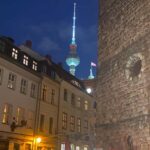
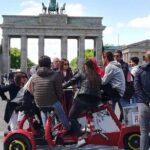
You’ll ride a comfortable cruiser-style bike with a helmet provided but optional, meeting at the base of the TV Tower in Alexanderplatz. The pace stays steady, and the tour runs rain or shine, so plan on weather-appropriate layers and expect that you’ll be outside the whole time.
In This Review
- Key Points You’ll Care About
- Starting at Alexanderplatz: Getting Ready to Ride Smart
- Checkpoint Charlie and the Berlin Wall Remnant in Real Life
- Bebelplatz: Where Prussian Berlin Still Shapes the Center
- Escape Attempt Stories That Make the Tactics Click
- Seeing Nazi Architecture Still Remaining in the City
- Pace, Photo Stops, and the 3-Hour Reality Check
- Price and Value: What $353 for Up to 4 Really Buys
- Who This Tour Suits Best (and Who Might Want Something Else)
- Should You Book This Private Berlin Bike Tour?
- FAQ
- Where does the tour meet?
- How long is the Berlin bike tour?
- Is this a private tour?
- What language is the guide?
- Are helmets included, and do I have to wear one?
- Does the tour run in bad weather?
- Do all participants need to be able to ride a bike?
- What options are available for young children?
- What should I bring with me?
Key Points You’ll Care About
- Alexanderplatz start: Easy to find, right at the base of the TV Tower.
- Cruiser bikes for comfort: Built for city riding, not racing.
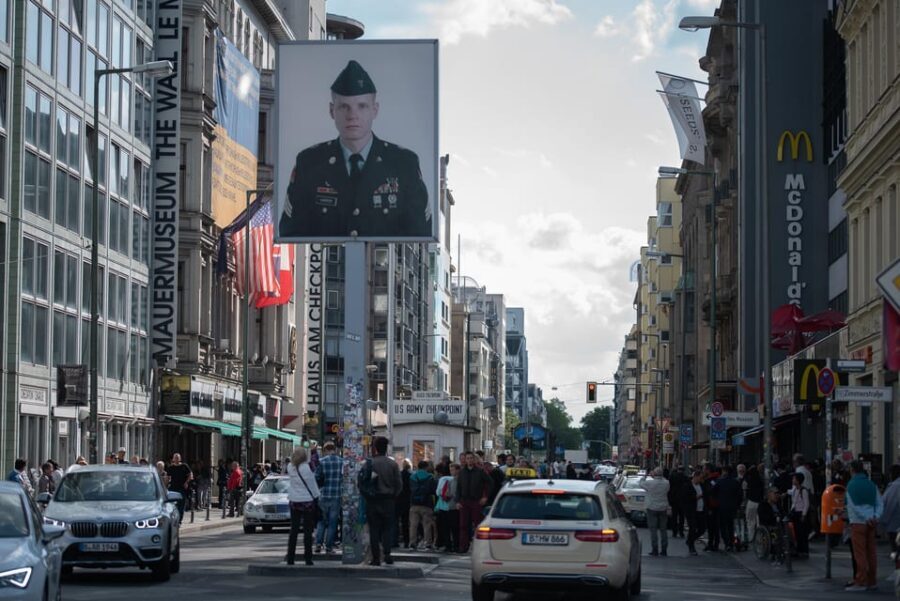
- Checkpoint Charlie + Wall remnant: A Cold War stop you can see, not just read about.
- Cold War escape-attempt stories: Real tactics, techniques, and anecdotes from your guide.
- Nazi-era architecture still visible: You’ll see surviving examples and hear what they meant.
- Private group up to 4: Better questions, better pacing, and more personal attention.
Starting at Alexanderplatz: Getting Ready to Ride Smart
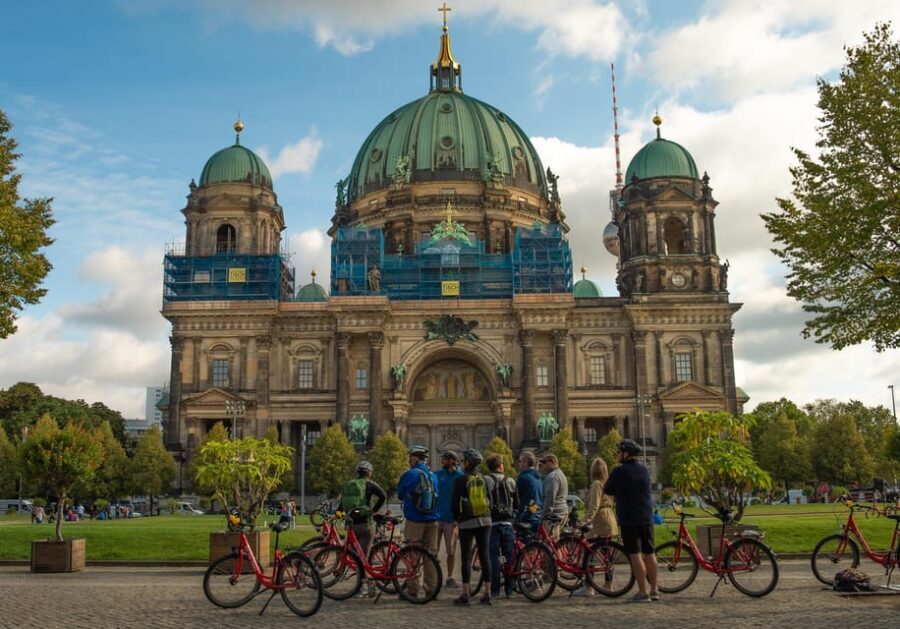
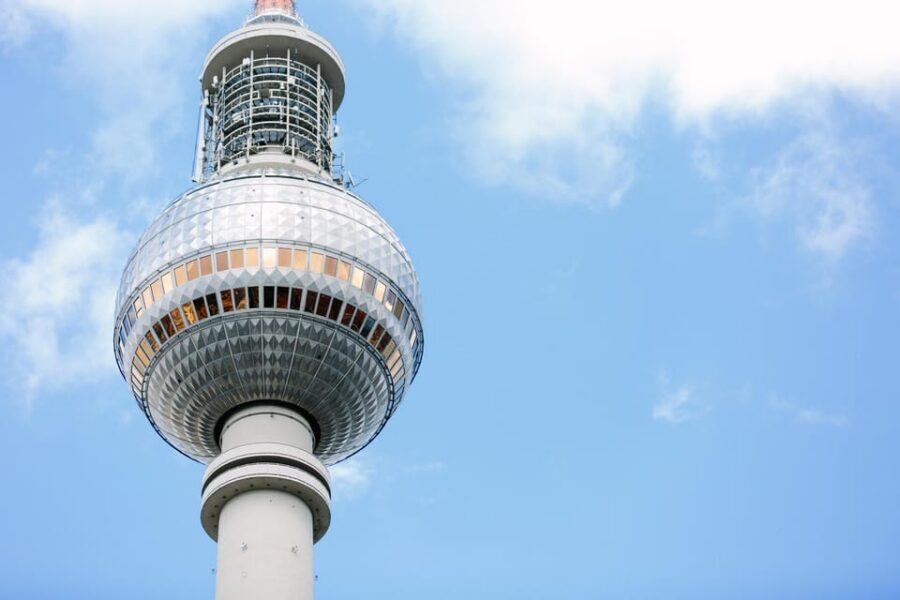
Your tour starts at the base of the TV Tower in Alexanderplatz. That’s a good sign. It means you’re beginning in a central, easy-to-navigate spot, and you don’t burn half your trip trying to find a back-alley meeting point.
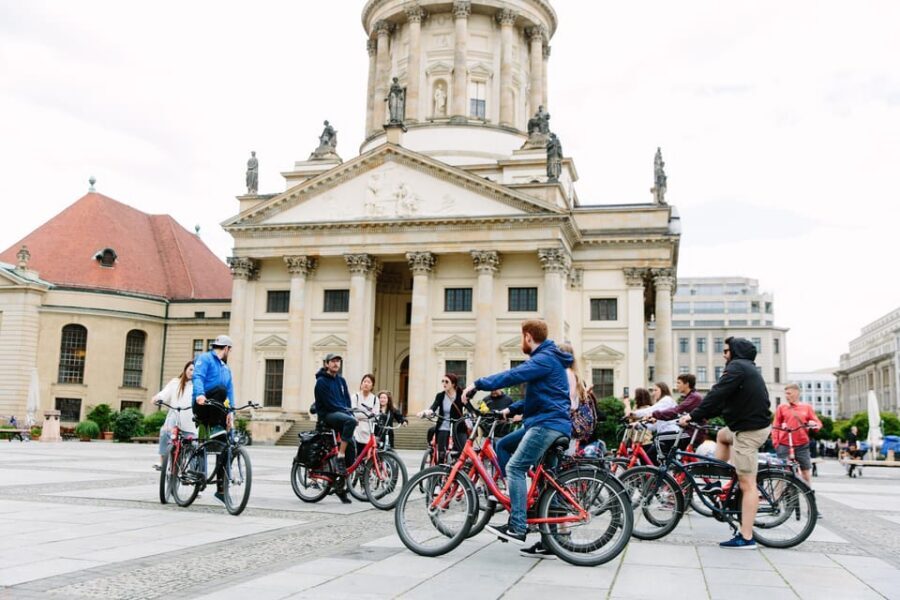
You’ll get a comfortable city cruiser-style bike. The helmet is provided, but optional. I’d treat the helmet as a peace-of-mind tool rather than a fashion statement. Berlin traffic is manageable, but you’re still moving at bike speed while reading serious history. If you like feeling grounded and safe, throw the helmet on.
You also need to be able to ride your bicycle on your own. That matters more than people think. This isn’t a gentle stroll. It’s active transportation, and the tour is designed around you being able to steer, brake, and balance confidently. If you’re bringing kids, there are options at the children’s rate, including double trailers for toddlers and tag-a-long attachments or kid’s seats for young children—though the tour still requires an adult over 18 to be present for anyone under 18.
Finally, a practical note: the tour runs rain or shine. That’s helpful because it reduces the chance of a wasted day. The trade-off is that you should dress for wet streets and cool air, especially if you’re riding early or late in the day.
You can also read our reviews of more cycling tours in Berlin

Checkpoint Charlie and the Berlin Wall Remnant in Real Life
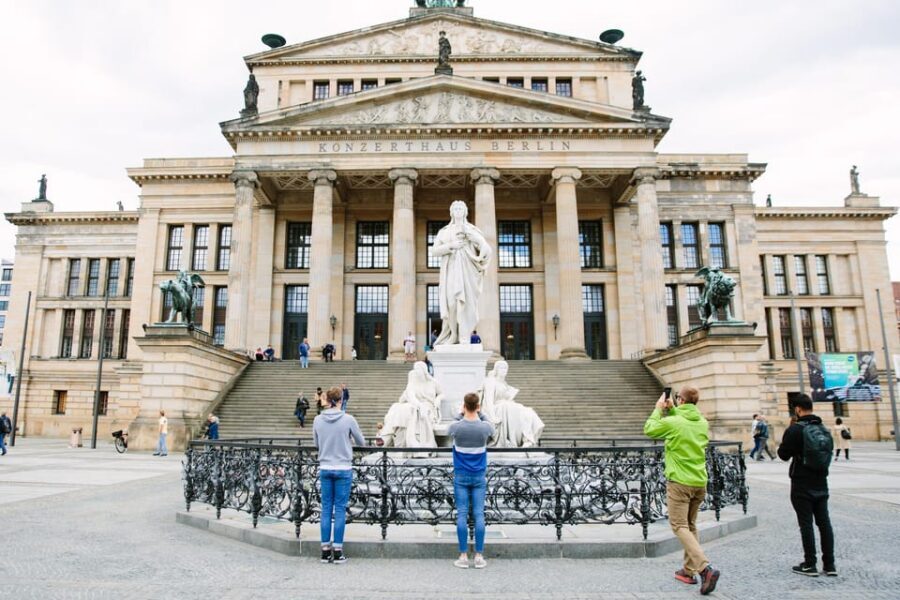
Checkpoint Charlie is one of those Berlin stops that everyone has heard of. The value here is that you’re not just passing it. You’re stopping to connect the famous name to the physical setting, including a remaining stretch of the Berlin Wall.
Seeing a Wall remnant on a bike changes the feeling. Walking past it makes it a landmark. Riding near it makes it a boundary—something that shaped movement, escape routes, and everyday decisions. Your guide’s job is to turn that into story you can track: where people tried to go, what obstacles mattered, and why certain areas became high-stakes.
This is also where the tour’s Cold War focus really tightens. You’ll hear anecdotes of escape attempts and techniques, which helps you understand the difference between an idea and an actual plan. When the guide explains what people did and why they chose certain methods, the Wall stops being a symbol and becomes a system of barriers.
One consideration: this tour is billed as Berlin highlights in a short time. If you’re expecting a long list of every single Cold War photo stop, you might leave wanting more. The good news is that this stop gives you an anchor point, which makes the rest of Berlin’s story easier to follow on your own afterward.
Bebelplatz: Where Prussian Berlin Still Shapes the Center
Next comes Bebelplatz, described as the center of Prussian Berlin. Even if you don’t already know the Prussian timeline, this stop helps you understand why Berlin could feel both administrative and ideological, depending on the era.
What I like about including Bebelplatz in a short bike tour is that it moves you beyond the obvious Cold War landmarks into the deeper layers of the city. Berlin isn’t just partitions and reunification. It’s also older civic power and the way governments used central squares as stages.
Practically, this kind of stop works well on a bike tour because you can reach it efficiently while still getting narration and photo time. You’re not stuck in the kind of historical “point and guess” that happens when you’re alone with a map.
Escape Attempt Stories That Make the Tactics Click
A big promise of this tour is that you’ll hear numerous anecdotes about escape attempts and techniques. This is where the private guide format earns its keep.
Cold War history can get stuck in big words: ideology, systems, propaganda. Your guide’s stories help shrink it down to actions and choices. You’ll get examples of how people planned, improvised, and tried to exploit weaknesses. Even without every technical detail, the pattern matters: escapes weren’t random. They were methodical.
I’ve also seen how guides handle question time. In one example, Daniel (who guided one group) made room for interaction with a son and his friend during a break, showing that the narration can be tailored to different ages. That’s a good sign if you’re bringing teens or people who learn best by asking why something happened.
If you’re the type who likes to know how and not just what, you’ll get a lot out of this part. It turns Berlin from a scrapbook of monuments into a city where movement meant risk and strategy.
Seeing Nazi Architecture Still Remaining in the City
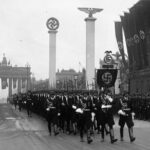
The tour includes a stop or two focused on Nazi architecture that’s still left in Berlin. The key here is context. Surviving buildings don’t exist to be admired as design. They exist to be interpreted, and your guide should frame what you’re seeing in terms of power, propaganda, and how regimes shape public space.
This is a sensitive topic, and the practical value of a guide is that you’re less likely to misread a building as just another old facade. Instead, you can connect it to the era’s messaging and the way architecture helped make political messages feel permanent.
Because the tour is only 3 hours, you won’t get the full museum-style breakdown. But you do get something many self-guided plans miss: guided meaning. You see the structure, then you hear what it was used for, why it persisted, and what people do with that history now.
You can also read our reviews of more private tours in Berlin


Pace, Photo Stops, and the 3-Hour Reality Check
At 3 hours, this is a smart “I have limited time” Berlin option. It’s also a good choice if you like being outdoors and moving, not just standing in lines.
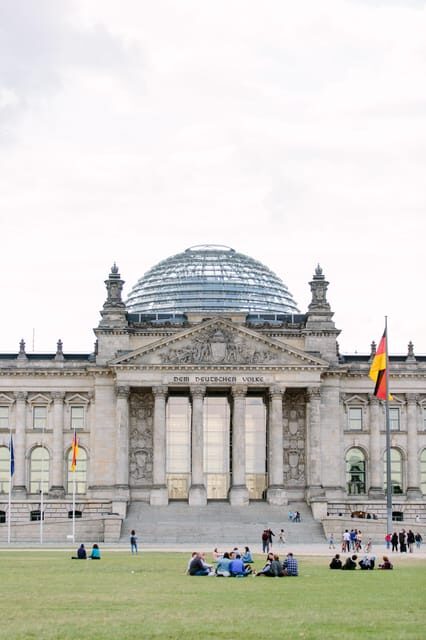
You’ll have various stops near essential attractions, with photo opportunities at famous sights and quieter spots. That matters because Berlin can be huge on foot. Bike gives you coverage without losing the ability to stop and look closely.
Still, be realistic. This isn’t a full-day deep dive into every neighborhood. It’s highlights. So you’ll probably leave with a strong sense of the Cold War story at key nodes, plus a better feel for where those nodes sit in the city.
One practical consideration: if East Side Gallery is your must-see, you should confirm it ahead of time. For one group, it wasn’t on the programme for a while. That’s not a deal-breaker for everyone, but it’s worth checking so your expectations match what you’re actually getting.
Price and Value: What $353 for Up to 4 Really Buys
The price is $353 per group up to 4 for a 3-hour private tour. On its face, that can sound pricey. In practice, it often feels reasonable because you’re paying for three things bundled together:
- Private, English-speaking guide with in-depth narration
- Bike and helmet (helmet optional, but the bike is included)
- Time efficiency in a city where getting between sights can otherwise eat your day
If you split the cost among a group of friends or family, the per-person price can drop quickly. And compared with booking separate bikes and trying to stitch together your own route, the guide saves you from guessing. Instead of wondering which streets connect the history, you just ride and learn.
One more value point: private tours are great for adjusting pace. If someone needs slower turns, extra explanation, or more time at a photo stop, you’re not stuck with a group that wants to speed ahead.
Who This Tour Suits Best (and Who Might Want Something Else)
This private bike tour is set up for families, couples, friend groups, and even corporate outings. The private format also makes it easier for mixed interests. You can have history lovers, people who just want the highlights, and kids who need time to ask questions, all in one group.
It’s a strong match if you:
- Want Cold War context without reading a stack of books first
- Prefer active sightseeing over a walking-only day
- Like the structure of stops plus guide storytelling
- Can ride independently on a bicycle
It’s less ideal if you:
- Don’t ride confidently yet, since guests must be able to ride their own bike (children’s attachments exist, but adult supervision rules apply)
- Need a long list of very specific targets in one go
- Are hoping for a full museum replacement. This gives context and anchors, not a full archive
Should You Book This Private Berlin Bike Tour?
I’d book this if you want an efficient, guided way to connect Berlin’s major Cold War landmarks to the stories behind them. The combination of Checkpoint Charlie, a remaining Wall segment, Prussian center at Bebelplatz, and escape-attempt anecdotes is a solid recipe for understanding Berlin’s 20th-century turning points in a short time.
Also, the private format makes a real difference. You’re not trying to interpret history alone while traffic and cobblestones juggle your attention. With guides like Carlo and Daniel mentioned in past trips, the narration seems to land well for both adults and teenagers, and the tour keeps a steady pace that helps everyone feel comfortable.
Book it with one expectation in mind: it’s a highlights tour. If there’s one modern Berlin “must” you care about a lot, confirm it before you go. If not, you’ll get a strong, story-driven route that makes Berlin feel more understandable right away.
FAQ
Where does the tour meet?
The meeting point is at the base of the TV Tower in Alexanderplatz.
How long is the Berlin bike tour?
The tour duration is 3 hours.
Is this a private tour?
Yes, it’s listed as a private group.
What language is the guide?
The live tour guide speaks English.
Are helmets included, and do I have to wear one?
A helmet is provided. It’s optional, not required.
Does the tour run in bad weather?
Yes, the tour runs rain or shine.
Do all participants need to be able to ride a bike?
All guests must be able to ride a bicycle on their own, unless they’re using children’s attachments.
What options are available for young children?
Double trailers for toddlers, tag-a-long attachments, and kid’s seats are available at the children’s rate.
What should I bring with me?
Bring a passport or ID card and a credit card, plus weather-appropriate clothing.