REVIEW · BERLIN
Private Day Tour to Germany and Poland – Traces of World War 2
Book on Viator →Operated by Maciej Krupski Travel · Bookable on Viator
Sachsenhausen to Szczecin in one day is heavy and worthwhile. I like how the tour pairs private transportation with audio-guided museum time, so you can absorb what you’re seeing at a human pace. I also love that the driver and guide stay on top of the day, including snacks and a real dinner stop. One possible drawback: it’s a long day (about 12 hours), and the concentration-camp sections are emotionally intense.
A big reason this works is the way the experience is handled by Maciej (Maciej Krupski Travel). He’s engaging during the drive, answers questions clearly, and keeps the history focused without rushing you through the hard parts. You’ll likely leave tired—in the good way, the kind that makes a quiet evening feel earned.
What makes this tour special is the structure: you start with a major Nazi-era site, then shift to Poland’s WWII and postwar story, including the underground shelters people used during air raids and atomic fear.
In This Review
- Key highlights to know before you go
- Private day tour: Berlin to Poland with zero logistics stress
- Sachsenhausen Memorial: audio-guided focus where reflection matters
- Szczecin highlights on arrival: landmarks plus a postwar lens
- Szczecin Underground Routes: civilians, air raids, and atomic fear
- Dialogue Centre Upheavals: Iron Curtain realities to freedom
- Dinner in Rynek Sienny: a real Polish meal to reset your body
- Timing, pace, and comfort tips for a 12-hour emotional day
- Price and value: why $744.06 can be fair for this kind of private WWII tracing
- Who this tour fits best
- Should you book this private WWII day from Berlin to Szczecin?
- FAQ
- What time does the tour start and when is pickup?
- How long is the tour?
- Is this a private tour or a shared group tour?
- What language is the tour offered in?
- Is dinner included?
- Are museum tickets included?
- What about snacks and drinks during the day?
- Are there any days when certain Szczecin museums are closed?
- Do I get an audio guide at Sachsenhausen?
- When will I receive confirmation after booking?
- What is the cancellation window?
Key highlights to know before you go
- Private, door-to-door pickup from your hotel in the Berlin area
- Audio-guide time at Sachsenhausen in your language
- Short walk city orientation in Szczecin with major landmarks like Solidarity Square
- Underground routes stop (note museum closure days apply)
- Dialogue Centre Upheavals to connect life after the war to the road to freedom
- Dinner in Rynek Sienny with traditional Polish food
Private day tour: Berlin to Poland with zero logistics stress
This is the kind of day that’s easier when you don’t have to do the math. You’re picked up at 8 a.m. from your Berlin-area accommodation, then you’re transported by private car for a long cross-border day. That matters because you’re moving through two countries with real memorial spaces where it’s best not to arrive frazzled.
The tour is priced at $744.06 per person, and it’s not a bargain tour. But for a private day like this—especially one that includes museum access, audio-guide components, and a full dinner—that price starts to look like what you’re really paying for: time, planning, and a driver who handles the route so you can focus on the sites.
During the ride, you get refreshments and snacks. That’s a small detail, but it helps a lot on a schedule like this. Even if you think you’re tough, your energy dips during long drives and memorial visits. Having water and snacks ready keeps you from running on fumes.
A practical note: this is a private experience, meaning it’s just your group. That’s ideal for asking questions without feeling like you’re competing for attention.
You can also read our reviews of more private tours in Berlin


Sachsenhausen Memorial: audio-guided focus where reflection matters
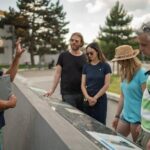
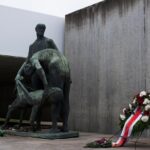
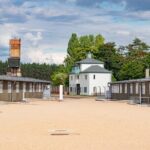
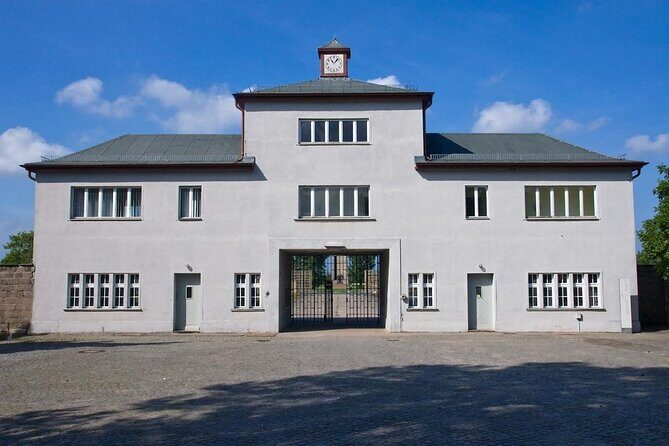
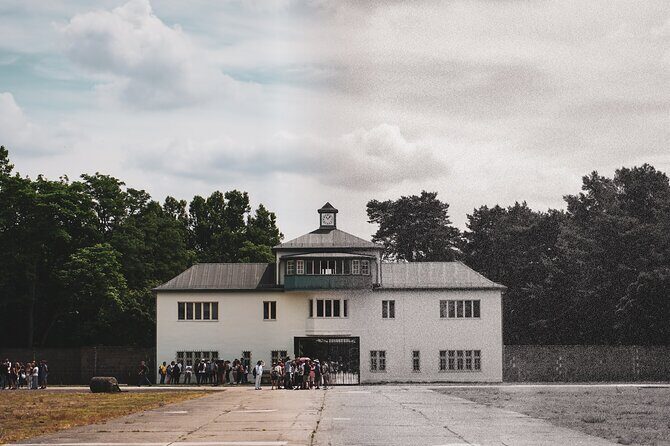
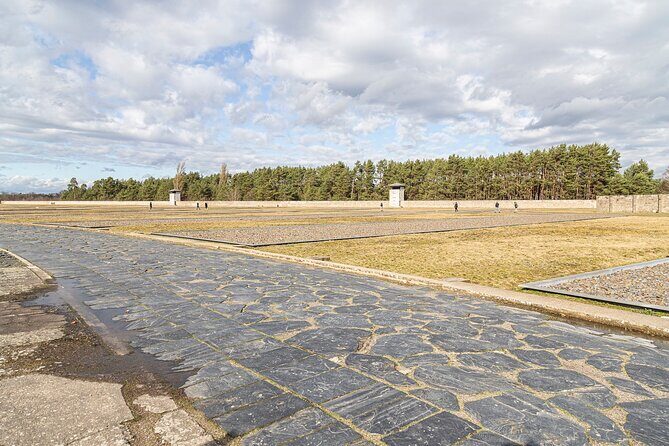
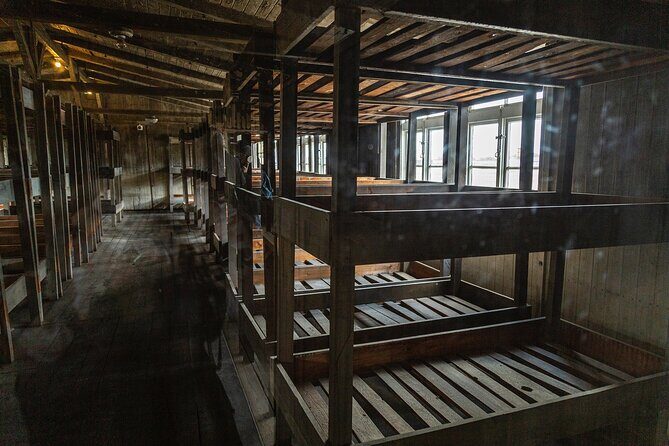
The day’s first major stop is Sachsenhausen Memorial in Oranienburg, about an hour outside Berlin. The pacing here is important: you arrive, settle in, then get an audio-guide tour of the memorial and museum. The audio guide is in your language, and that helps you follow what you’re looking at without playing catch-up.
This is a former Nazi concentration camp, and the tour description makes the intent clear: it’s about learning the life and death of innocent people. That is not light material. If you prefer museums where you can skim and move on, this one will probably feel different. You’re meant to slow down, take it in, and let the place do its job.
I like that the structure allows for reflection. In practice, that usually means you don’t feel shoved through a checklist. With the audio guide, you can spend more time on the parts that land hardest for you, and less time on the parts that you already know. If you’re the kind of person who processes by reading and looking carefully, audio-guided time is a strong fit.
In terms of expectations, plan for a serious tone. Also plan for walking. Even when you don’t realize you’re doing it, concentration-camp memorials tend to involve uneven ground and longer stretches than you’d guess from pictures.
Szczecin highlights on arrival: landmarks plus a postwar lens
After about two hours of driving, you arrive in Szczecin, Poland. The tour then shifts to a lighter rhythm—at least on the surface. You take a short walk to see the city’s highlights, including the National Philharmonic, Solidarity Square, Chrobry Embankment, and the Pomeranian Dukes Castle with its famous clock tower.
This city-stop isn’t just sightseeing. It works as a transition from the heavier Germany section to the Polish WWII and postwar story. Seeing major public squares and historic landmarks helps you understand how societies rebuilt, how identities shifted, and how memory is shaped in everyday spaces.
The tour also includes a museum visit depending on the day of the week. The idea is simple: you’ll visit at least one of the two major museums dedicated to recent Polish history. If one museum is closed, the plan covers you by swapping to the other option.
One thing I like about this approach is that it prevents the day from falling apart due to a closure. Instead of losing momentum, you keep moving through the themes the tour is built around.
Szczecin Underground Routes: civilians, air raids, and atomic fear
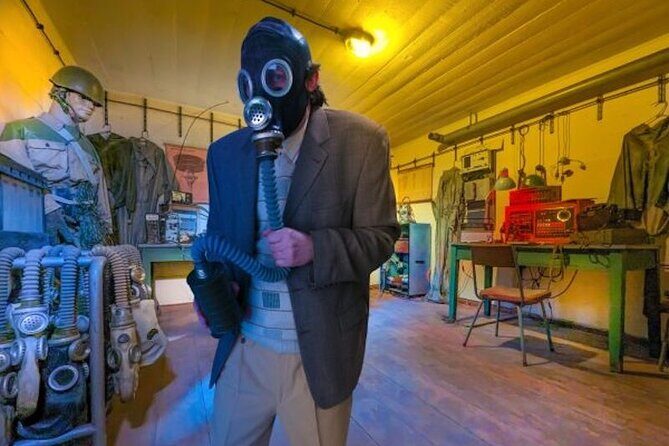
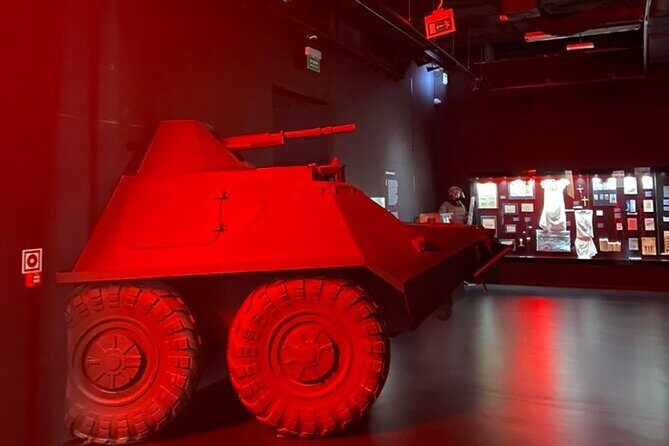
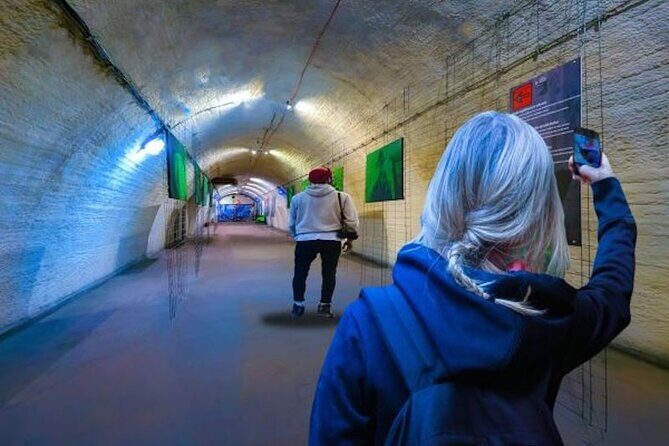
Next comes one of the most memorable parts of the day: Szczecin Underground Routes. You walk through underground tunnels and shelters that explain how civilians organized their lives during air raids and an atomic threat after World War II.
This is where the story becomes personal in a different way. Concentration camp history is horrific in a direct, documented form. Underground-route history is different: it’s about fear, daily survival, and what people did to endure when the outside world felt unpredictable and dangerous.
The tour schedule gives you about an hour here, and that duration is right. It’s enough time to understand the purpose of the shelter system without dragging the experience out until it becomes numb. If you’re prone to getting overwhelmed in enclosed spaces, it’s still worth going—but keep an eye on your comfort and pace.
There’s one important timing detail: the museum is closed on Tuesdays and Wednesdays. If your chosen date lands on one of those days, your tour day adapts based on the included schedule logic.
Dialogue Centre Upheavals: Iron Curtain realities to freedom
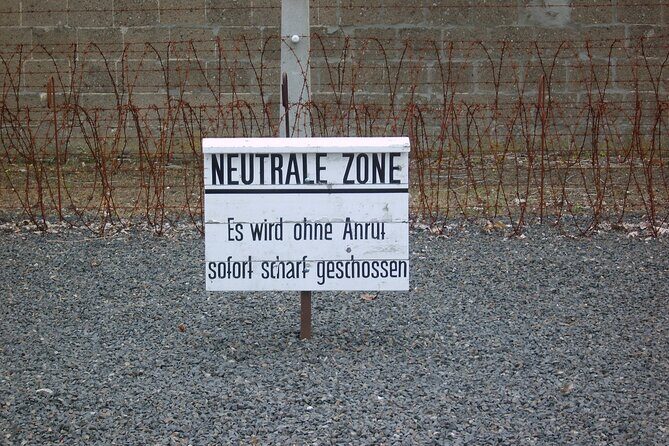
After the underground stop, you move to the National Museum in Szczecin – The Dialogue Centre Upheavals. This is a modern exhibition designed to connect the period after the war to the realities behind the Iron Curtain, and then to the Polish People’s road to freedom.
What I like about this stop is the cause-and-effect flow. It’s not just about what happened; it’s about what came next, and why political control and everyday life were so tightly linked. If you’ve ever wondered how the Cold War showed up in ordinary routines, this kind of exhibit tends to answer that question.
The visit time is about an hour, and that’s practical. You’re already carrying a long day emotionally, so having shorter museum blocks keeps the information digestible. You also get a clear transition from the underground shelter theme (fear and protection) to the broader story of controlled life and eventual freedom.
One more closure note: this museum is closed on Mondays. Since the tour includes at least one of the major history museums, your itinerary should still make room for the intended message even when a specific site is not operating.


Dinner in Rynek Sienny: a real Polish meal to reset your body
By the time you reach Rynek Sienny, you’ve covered memorial history, a cross-border city visit, and underground shelters plus a modern exhibition. That is a lot of mental heavy lifting. So the dinner stop is not just a nice extra—it’s part of how the day becomes livable.
You enjoy an a la carte dinner with traditional Polish cuisine. The plan includes dinner as a built-in part of the tour, not a scramble to find food after long days. In a schedule like this, that matters. You want something dependable.
From the guide approach, you also get help choosing a local restaurant. That’s a small but meaningful quality marker: when someone knows the local dining scene, you’re more likely to get a meal that feels connected to the place rather than an afterthought.
This section is about comfort and normal life for a bit. Even if your head is still spinning with what you saw earlier, you’ll usually leave the table feeling more human again.
Timing, pace, and comfort tips for a 12-hour emotional day
Yes, it’s about 12 hours total. That’s a lot for a single day, and the tour itself acknowledges that by spacing activities into blocks: memorial, city walk plus museum, underground stop, second museum, dinner, then drive back.
The schedule also helps you handle the day in two ways. First, you get short resets: snacks and drinks during transportation. Second, you get distinct themes in sequence. That prevents the day from feeling like random stops stacked together.
In practice, I’d treat this as a day for comfortable shoes and layers. Memorial grounds and museums often involve standing and walking more than you expect. You’ll thank yourself for simple footwear. Also, if you’re sensitive to intense topics, pace your own energy—don’t force yourself to power through just to keep up.
Finally, you return to Berlin after dinner at around 6 p.m., reaching your accommodation in the Berlin region around 8 p.m. That means you’ll have a late but realistic evening. Plan nothing stressful after you get back.
Price and value: why $744.06 can be fair for this kind of private WWII tracing
Let’s talk money without pretending it’s optional. $744.06 per person is a serious chunk of change for a day tour. Whether it’s worth it depends on what you value most:
- You’re paying for privacy. Your group is the only group on the tour. That’s important when questions come up, when you want to move at your own pace, or when the day turns emotional and you don’t want a crowd pressure.
- You’re paying for guided context. The experience isn’t just drop-off access. The design includes audio-guided time at Sachsenhausen and structured museum stops in Szczecin, plus a guide who stays engaged during the drive.
- You’re paying for included extras that add up. Snacks and beverages during transportation and dinner are included, and those can quietly inflate the true cost of a DIY day trip.
If you’re traveling with someone and you’d otherwise spend time piecing together train schedules, border timing, museum tickets, and transport, this private format can start to make more sense. If you’re the type who prefers free time and wandering without structure, this tour may feel too planned. But if you want direction and meaning—plus the comfort of not managing logistics—you’ll likely feel the value.
One more note: the tour offers group discounts (not spelled out here, but the option exists) and includes a mobile ticket. That’s handy for reducing paper hassle on a long day.
Who this tour fits best
This tour is a strong match if you want a guided, structured way to connect WWII-era Germany to Poland’s WWII and postwar experience. It’s also a good choice if you like asking questions in real time during the drive—because the guide approach here is active and engaging.
It’s probably less ideal if you want a casual, photo-first day. This tour is designed for learning and reflection, not just scenery. The concentration-camp component is heavy, and the underground shelters reinforce that tone.
On the upside, it’s described as suitable for most travelers, and service animals are allowed. If you’re planning accessibility needs, you should still think through the fact that you’ll be walking through memorials and underground routes.
Should you book this private WWII day from Berlin to Szczecin?
I think you should consider booking if you want a private, guided day that links major WWII sites with postwar Polish history, without you having to coordinate the logistics yourself. The mix of Sachsenhausen audio-guided time, Szczecin landmarks, the underground routes, and a modern exhibition about the path to freedom is a smart sequence. Add in snacks, dinner, and a guide like Maciej who communicates clearly and answers questions, and you get a day that feels both organized and human.
Skip it if you can’t handle intense history or if you’d rather travel at your own pace with fewer guided elements. Also, be honest about the stamina: it’s about 12 hours, and the emotional weight is real.
If you’re ready for a serious day with strong structure and real guidance, this is a solid choice.
FAQ
What time does the tour start and when is pickup?
The tour starts at 8:00 am. A private driver picks you up from your hotel in the Berlin area.
How long is the tour?
The duration is approximately 12 hours.
Is this a private tour or a shared group tour?
It’s a private tour/activity, so only your group participates.
What language is the tour offered in?
The tour is offered in English.
Is dinner included?
Yes. Dinner with traditional Polish cuisine is included.
Are museum tickets included?
Yes. Admission tickets for Sachsenhausen and the Szczecin museums/stops are included where specified.
What about snacks and drinks during the day?
Snacks and beverages are provided during transportation.
Are there any days when certain Szczecin museums are closed?
Yes. The Szczecin Underground Routes museum is closed on Tuesdays and Wednesdays. The National Museum in Szczecin – The Dialogue Centre Upheavals is closed on Mondays.
Do I get an audio guide at Sachsenhausen?
Yes. You take an audio-guide tour of the Sachsenhausen Memorial and Museum in your language.
When will I receive confirmation after booking?
Confirmation is received within 48 hours of booking, subject to availability.
What is the cancellation window?
Free cancellation is available. You can cancel up to 24 hours in advance for a full refund.