REVIEW · HAMBURG
Photo Tour of Hamburg’s UNESCO World Heritage Site
Book on Viator →Operated by Marius Gebhardt Fotografie & Stadtführungen · Bookable on Viator
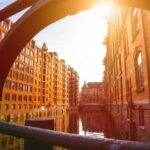
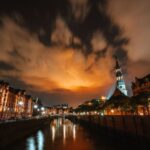
Hamburg’s UNESCO streets are a photographer’s cheat code. This 4-hour tour mixes photo guidance with a guided look at some of the city’s most striking architecture. You’ll move through the Kontorhausviertel area, the brick-heavy Speicherstadt, and along the Fleete toward Hamburg’s harbor views.
I especially like the way the guide teaches real-world composition instead of vague theory. You get hands-on tips for framing, perspective, and image structure, with support for both smartphones and digital cameras.
One thing to consider: this is a weather-dependent outdoor walk. If conditions are poor, you may spend more time in indoor passages or nearby cover, so bring a rain layer just in case.
In This Review
- Key highlights at a glance
- Getting Oriented at Fischertwiete (and why the start matters)
- Chilehaus and the Prima Ballerina: learning perspective by looking up
- Speicherstadt brick streets: turning the so-called brick gorges into strong images
- Fleete and Speicher: moving from architecture to atmosphere (without losing control)
- The 2-hour break: using questions to fix your camera habits
- How the guide teaches composition (for phones and cameras)
- Price and value: what you’re really paying for
- Weather plans and what to bring for a smoother shoot
- Who this tour fits best (and who might want a different option)
- Should you book this 4-hour Hamburg photo tour?
- FAQ
- Where does the tour start?
- What time does it begin?
- How long is the photo tour?
- How big is the group?
- What’s included in the price?
- What kind of ticket do I get?
- Is the tour dependent on weather?
Key highlights at a glance
- Small group size (max 8): You’ll get more personal photo help and the route can flex to your comfort level.
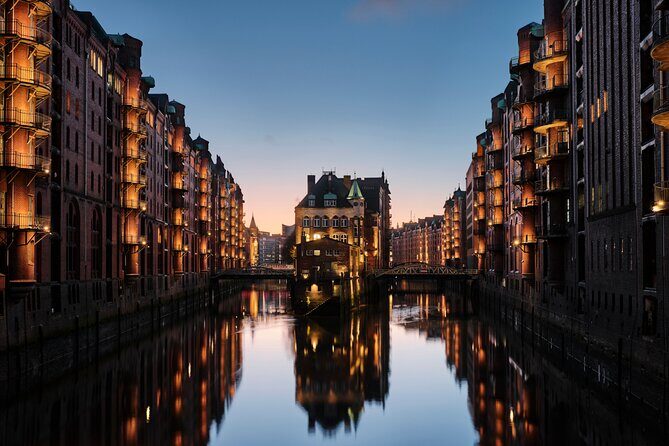
- UNESCO-focused stops: Chilehaus area, Speicherstadt brick streets, and harbor-basin views are all part of the photo plan.
- Composition and perspective lessons: You’ll learn what makes an image feel right for the eye and for the camera.
- Smartphone-friendly coaching: The guidance is practical even if you’re upgrading from point-and-shoot habits.
- A real historical intro: The architecture isn’t treated like a backdrop; you learn what you’re looking at.
- Question time mid-tour: After about 2 hours, you can ask technical questions in a calmer moment.
Getting Oriented at Fischertwiete (and why the start matters)
The tour kicks off at Fischertwiete 1A, 20095 Hamburg. Starting in a clear meeting spot helps a lot, because the first part is about getting your eye working before you burn time hunting angles.
Since the experience runs about 4 hours and starts at 5:00 pm, you’re working in a late-day rhythm. That’s a sweet spot for photography in cities like Hamburg because details pop when people aren’t crowding every corner. You’ll also have time for stops without it feeling like a sprint.
You’ll be walking through compact, photo-heavy areas where small choices matter. The best part? The guide adjusts the walk to the group, including what people already know. If you’re brand new, you won’t be left behind. If you already shoot, you’ll still get useful framing ideas.
You can also read our reviews of more historical tours in Hamburg


Chilehaus and the Prima Ballerina: learning perspective by looking up
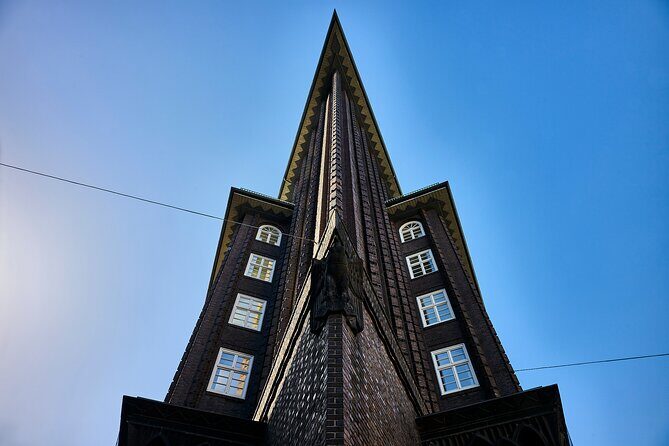
Your first major stop is the Chile House area, tied to the Prima Ballerina sculpture in the Kontorhausviertel. This isn’t just a “look at the building” moment. The tour frames it as a lesson in perspective and composition—starting with a subject that naturally rewards a thoughtful angle.
You’ll hear a historical introduction while you spot what makes the Chilehaus so photogenic: strong geometry, dramatic lines, and a focal figure that’s perfect for practicing framing. The tour even points to the charm of seeing the figure under the ballerina skirt—an angle that encourages you to position yourself rather than just point and shoot.
For your photos, this is where you’ll start using the guide’s approach to composition. Instead of taking every photo straight-on, you’ll think about:
- how height changes the story of a building,
- how lines guide the viewer’s eye,
- how to keep backgrounds from flattening your subject.
A practical benefit: if you’ve ever felt like your photos look fine but never quite feel right, this is the moment where the guide’s instructions make the difference. Even if you only apply one tip—like changing your stance or choosing a cleaner background—you’ll see a boost.
Speicherstadt brick streets: turning the so-called brick gorges into strong images
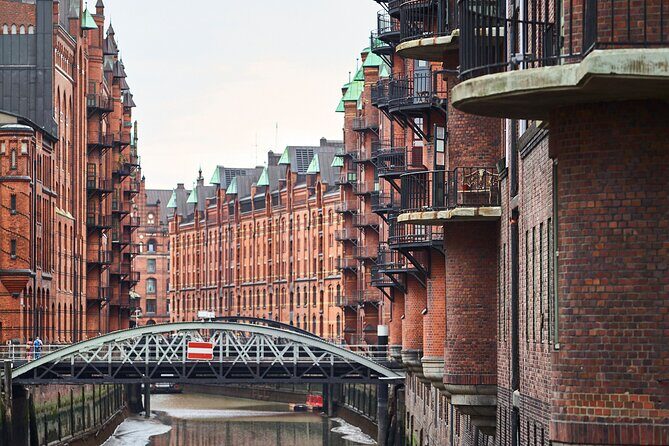
From Chilehaus, you head into Speicherstadt, described in the tour as brick “gorges.” That phrase is spot-on for photographers. These streets create natural corridors: walls close in, sightlines funnel forward, and you’re surrounded by repeating textures.
This part of the route is ideal for learning how to build depth. You’ll practice creating a layered image where the viewer can travel from foreground to midground to background. Speicherstadt’s layout makes that easy because the architecture gives you ready-made “frames.”
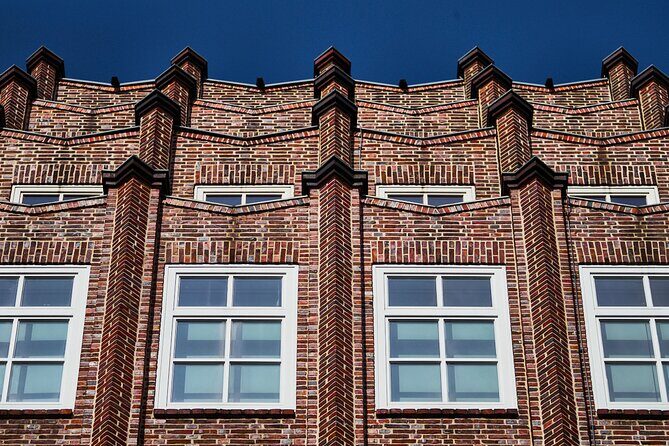
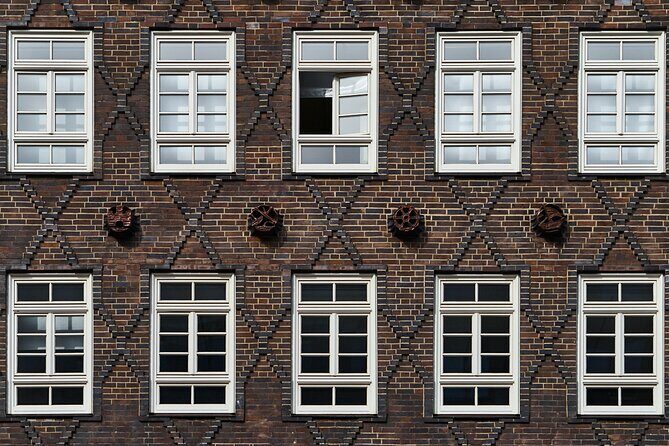
You also get proximity. You’re not just scanning from a distance—you’re walking where the buildings almost feel like they’re leaning in. That’s great for portraits of architecture and for detail shots: brickwork patterns, window shapes, signage, and the way bridges and pathways connect.
A fair warning: the same tight spaces that help your photos can also limit your movement. If you prefer wide, open compositions, you might feel a bit boxed in. The solution is to embrace what’s there and practice. This is exactly what the tour is designed for.
If you’re a beginner, this is also one of the easiest places to improve fast because the visuals do some of the work for you. You still need to choose angles, but the scene naturally offers strong lines and texture.
Fleete and Speicher: moving from architecture to atmosphere (without losing control)
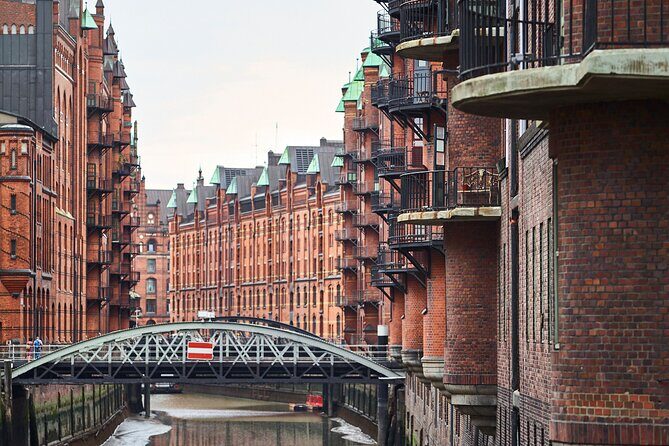
After your initial run through the UNESCO district, the tour keeps going along the Fleete and Speicher. This shift matters. Brick streets teach composition; waterways teach a different kind of picture-making—one based on reflections, rhythm, and perspective in motion.
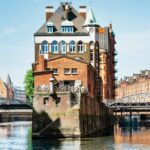
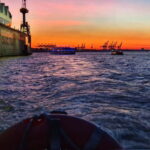
Along this stretch, you’ll pass the Speicherstadt Town Hall and continue toward the first artificial harbour basin of the Port of Hamburg. The “Fleete and Speicher” walk is where the tour balances architecture with waterfront scenery. You’re not only photographing buildings; you’re photographing relationships—how a bridge lines up with a wall, how water changes the lighting on surfaces, and how structures repeat along the route.
This segment also gives you more chances to re-apply the lessons from earlier. Perspective learned under the Chilehaus figure becomes perspective along a channel. Image structure learned in narrow streets becomes structure along longer sightlines.
In a practical sense, this is where many people discover their photo style. Some focus on strict symmetry and clean lines. Others go for diagonal compositions that make the walk feel dynamic. The guide’s job is to help you get consistent results with whatever style you lean toward.
The 2-hour break: using questions to fix your camera habits
Around the 2-hour mark, there’s a short break. This is one of the most underrated parts of a photo tour.
Instead of waiting until you’re back home to realize you shot in the wrong mode, you can raise technical or photographic questions while the tour is still guiding you. It’s a relaxed moment too—a chance to talk through what you want to improve, and in many groups it becomes a friendly mingling moment.
If you’re shooting a smartphone, you can ask practical things like how to lock exposure, what to prioritize when lighting changes, or how to avoid blurry frames. If you’re using a digital camera, you can ask about exposure choices, framing discipline, or how to handle tricky highlights and shadows.
This stop also helps if you’re travel tired. The whole experience is about learning at a human pace. A break prevents the “too much information, not enough practice” trap.
You can also read our reviews of more photography tours in Hamburg

How the guide teaches composition (for phones and cameras)
The tour’s promise isn’t just that you’ll see good places. It’s that you’ll learn what makes an image work—specifically “perfect perspective” and image structure.
Here’s what that usually means in real instructions, and why it helps you quickly:
- Perspective is positioning. The guide nudges you to change your height, distance, or angle so the scene tells the right story.
- Image structure is editing in real time. You learn how to choose what stays in the frame and what gets cropped out naturally.
- Composition is repeatable. You don’t just copy one pretty photo. You build habits you can use anywhere in Hamburg.
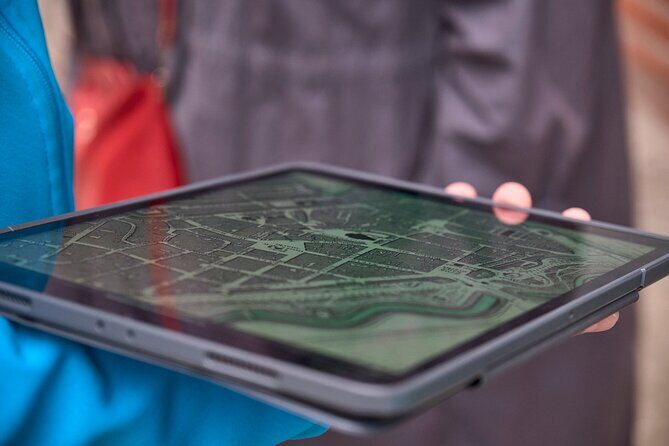
Another smart inclusion: an exposure aid. That’s especially helpful for beginners because it translates what the camera is doing into something you can actually use while shooting. The tour also includes photographic support throughout, so you’re not stuck alone with a display full of settings.
Importantly, the guide is flexible. With up to 8 participants, you can get guidance tailored to different prior knowledge. If you’re the one who always forgets to turn on grid lines, or you’re still figuring out what exposure means, you’ll have room to ask.
And yes, this is aimed at both smartphones and digital cameras. The framing principles are the same; the mechanics differ. Good teaching makes that feel manageable.
Price and value: what you’re really paying for
At $62.45 per person for about 4 hours, this tour is priced like a serious walking experience—not a quick photo meetup.
The value isn’t only the locations (though Chilehaus and Speicherstadt are worth it). The value is:
- guided historical context so your photos aren’t just pretty landmarks,
- ongoing photo support rather than a one-time demo,
- an exposure aid for learning basics,
- and a small-group limit that keeps the instruction practical.
If you’ve ever done a generic sightseeing walk and then felt disappointed by your photos, this kind of focused coaching can fix that gap. You leave with more than memories—you leave with repeatable photo habits you can use the rest of your trip.
Also, the tour uses a mobile ticket, which makes it easy to stay organized while you’re moving between stops.
Weather plans and what to bring for a smoother shoot
This is an experience that requires good weather. That doesn’t mean you’ll lose the whole tour if clouds roll in. It means the organizer plans for conditions and may offer an alternative date or a refund if it must be canceled.
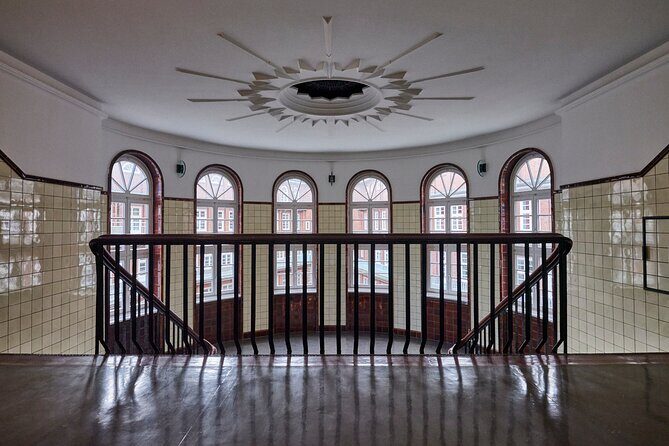
In less-than-perfect weather, the practical upside is that the tour can use nearby cover. One account specifically mentions spending time in buildings and passages so people wouldn’t get soaked. That’s the difference between a photo walk that’s just outdoors and one that has a real plan.
For you, the simple takeaway:
- bring a rain layer even if the forecast looks fine,
- wear shoes that handle uneven sidewalks and tight corners,
- and have your camera (or phone) ready before each stop so you’re not fumbling.
Because the tour is hands-on, you’ll benefit most if you can react quickly when the guide calls for an angle change.
Who this tour fits best (and who might want a different option)
This tour is a strong fit if you:
- want to see Hamburg’s UNESCO area through a photo-focused lens,
- are learning smartphone photography or want better results without buying new gear,
- like architecture and want the history behind what you’re shooting,
- and prefer a small group where you can ask questions.
It’s also a great option if you’re traveling solo. The format is group-based, but the instruction is direct and supportive, so you’re not left on the outside looking in.
You might want a different kind of tour if you’re not interested in instruction at all. The guide’s main value is teaching composition and perspective while you walk. If you only want casual sightseeing photos, this may feel a little structured.
Should you book this 4-hour Hamburg photo tour?
If you want Hamburg photos that look intentional—strong framing, better perspective, and a sense of place—this is an easy yes. The route hits the key UNESCO zones you’d want anyway, and the guide turns them into a learning path with ongoing support.
I’d book it if you’re:
- a first-time camera learner,
- a smartphone shooter who wants more than automatic mode,
- or someone who loves history but also wants your walking day to produce better images.
If you’re weather-sensitive or you hate instruction moments during a sightseeing trip, keep your expectations flexible. This one works best when you’re willing to pause, reposition, and try again.
FAQ
Where does the tour start?
The tour starts at Fischertwiete 1A, 20095 Hamburg, Germany.
What time does it begin?
The start time is 5:00 pm.
How long is the photo tour?
The duration is about 4 hours.
How big is the group?
The tour has a maximum of 8 travelers.
What’s included in the price?
The tour includes photographic and photographic support throughout, a historical introduction to the sights, and an exposure aid helpful for beginners.
What kind of ticket do I get?
You receive a mobile ticket.
Is the tour dependent on weather?
Yes. The experience requires good weather, and if it’s canceled due to poor weather you’ll be offered a different date or a full refund.