REVIEW · COLOGNE
Cologne EL-DE Haus and WWII Jewish Holocaust History Tour
Book on Viator →Operated by Rosotravel - Munich · Bookable on Viator
Cologne keeps receipts of Nazi terror. This 3-hour private walk zeroes in on Cologne’s Jewish WWII history and gets you into EL-DE Haus without the usual waiting around. The day moves from historic square landmarks to the NS Documentation Center, which used to be Gestapo headquarters.
I love that the pace is adjusted to your group, so you can slow down when a detail lands. I also like how the tour braids together big events and visible reminders in the streets, including Stumbling Stones you’ll spot along the way.
A possible drawback: this is heavy subject matter. You’ll spend real time inside spaces tied to imprisonment, forced labor, and state terror, so it’s not the best pick if you want light, mostly-pleasant sightseeing.
In This Review
- Key things to know before you go
- Why This Cologne Tour Starts at the Alter Markt
- Old Town Cologne to 1940s Cologne: From Hitler’s Rise to Bombed Streets
- Alter Markt Landmarks and Stumbling Stones: Remembrance in Everyday Sightlines
- A quick tip that helps
- EL-DE Haus: Gestapo Headquarters Turned into a Place of Terror
- How to handle the emotional weight
- How the Guide Turns “Facts” into a Coherent Walk
- Price and Value: What $289.95 Gets You in 3 Hours
- Who Should Book This Tour (and who might prefer something else)
- Should You Book This EL-DE Haus and Cologne Jewish WWII History Tour?
- FAQ
- How long is the tour?
- Is this a private tour?
- Is the tour offered in English?
- Where do we meet the guide?
- Is entry to EL-DE Haus included?
- What is EL-DE Haus?
- Will we see the basements and prison-related areas?
- How much time is spent at EL-DE Haus?
- Is there a refund if I cancel?
Key things to know before you go
- EL-DE Haus entry included means you don’t waste time lining up on the day
- A private pace lets the guide slow down or speed up to match your group
- Alter Markt + memorial details connect the WWII story to street-level places
- Gestapo basement history is a core focus (prison cells and torture rooms tied to forced laborers and political enemies)
- Prisoners’ inscriptions survive: you can still view over 1800 inscriptions on the walls
Why This Cologne Tour Starts at the Alter Markt
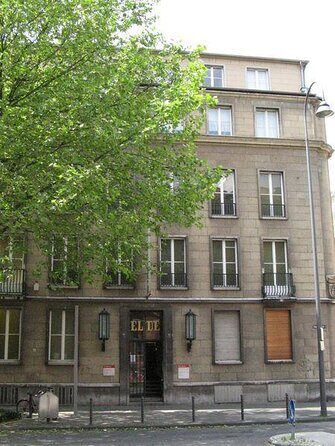
The meeting point is Cafe Extrablatt Köln Alter Markt, right at Alter Markt 28-32. It’s a practical spot in the center, and it also sets the tone: you start in the everyday city life of Cologne, not in some isolated museum bubble.
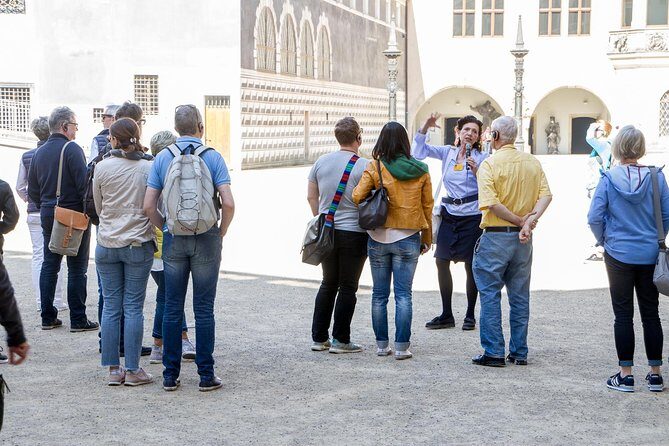
From here, your guide leads you into the Old Town story with walking commentary, which matters because you’re not just looking at plaques. You’re learning how people, power, and violence played out in real places.
This is also the kind of tour where the “private” part is genuinely useful. With only your group, the guide can steer attention where you want it—whether that’s Hitler’s rise, the oppression of Jewish people, Allied bombings, or resistance.
You can also read our reviews of more historical tours in Cologne

Old Town Cologne to 1940s Cologne: From Hitler’s Rise to Bombed Streets
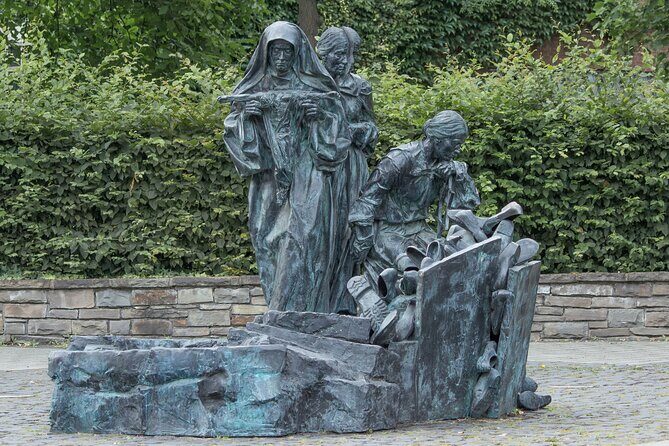
Your second stop focuses on Cologne’s Old Town with a historical thread that brings you forward into WWII. The tour is designed to explain how Hitler’s Third Reich took shape—its rise to power, the Nazi oppression of Jewish people, and how the war physically hit Cologne.
One of the most striking parts is the way Cologne’s destruction is framed: Allied bombings destroyed about 90% of Cologne. That’s not a statistic to skim past here. Your guide’s job is to connect those events to what you’re seeing nearby, so the city’s ruins (and reconstructions) feel like context rather than random background.
Even though you’re walking through an outdoor setting, the storytelling isn’t vague. Expect a guided chronology that helps you place major turning points in order, instead of collecting disconnected facts.
Alter Markt Landmarks and Stumbling Stones: Remembrance in Everyday Sightlines
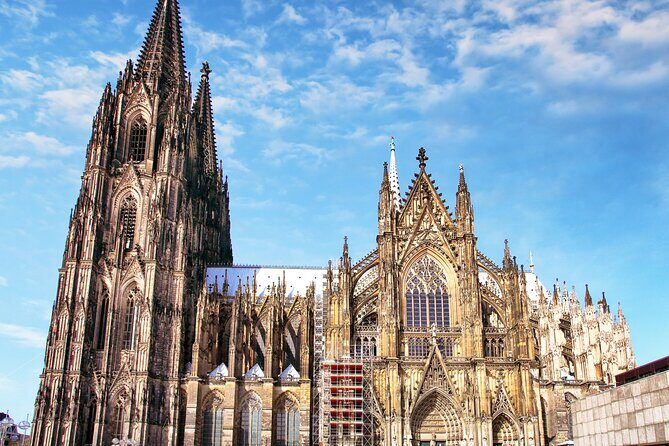
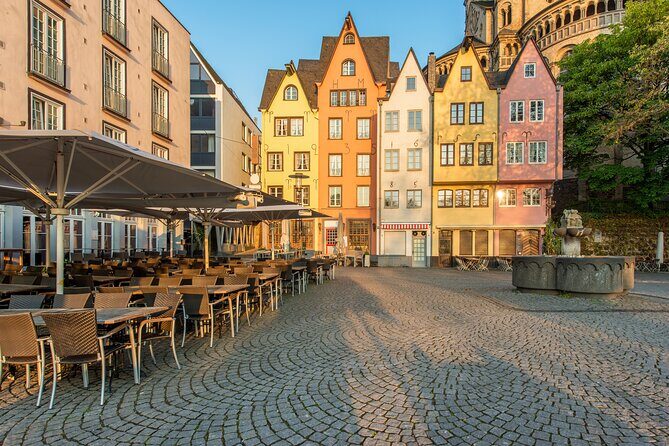
Next you’ll move through Alter Markt, one of Cologne’s key squares, including views of the reconstructed parts of the city. You’ll pass the Old City Hall and carved images of Good Heroes, then look toward iconic religious architecture like Cologne Cathedral and St. Andrew’s Dominican Church.
This stop works because it gives your brain a reference map. Instead of treating WWII as something that happened somewhere else, you’re learning how the memory of those years sits inside the city’s visible details—church silhouettes, square geometry, and stonework you can actually photograph.
And then there are the Stumbling Stones along the way. These are small, grounded memorials that force a different kind of attention. You’re not staring at a single monument; you’re encountering remembrance right where people walk and pass each day.
A quick tip that helps
Wear comfortable shoes and keep your phone charged. You’ll likely want to pause and read along the route, and taking a minute to document details saves you from relying on memory later.
EL-DE Haus: Gestapo Headquarters Turned into a Place of Terror
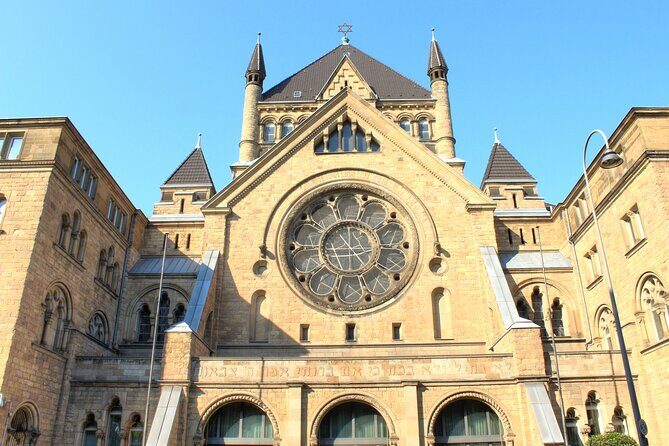
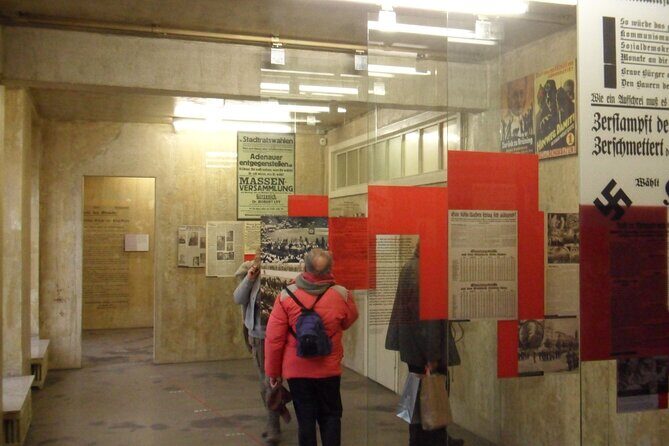
The highlight is EL-DE Haus, the NS Documentation Center. Entrance is included, and the visit takes about two hours, so it’s not a quick “walk-through and out the door” kind of stop.
The building’s story hits hard because it’s not neutral space. EL-DE Haus was the former headquarters of the Gestapo, the secret police. After the regime used it for terror, the site was transformed into a virtual place of terror where you can understand how the system worked.
In the basements, you’ll encounter the grim reality of imprisonment and torture connected to forced laborers and political enemies. The tour also points you to the fact that memory is still literally written into the building: over 1800 inscriptions made on the walls by prisoners can still be viewed today.
Upstairs shifts the story into a different gear. The upper floors represent administrative terror—Gestapo offices tied to the bureaucratic machinery that turned persecution into policy and routine.
Your guide provides the connective tissue throughout. They explain who suffered, why, and how the Nazi system operated, with a specific emphasis on remembering and honoring resistance.





How to handle the emotional weight
This is the part of the day where your pacing and attention matter most. If you’re sensitive to difficult topics, give yourself permission to pause, look, and sit with what you’re seeing. The private format helps here, since you can slow down without feeling like you’re holding up a busload of strangers.
How the Guide Turns “Facts” into a Coherent Walk
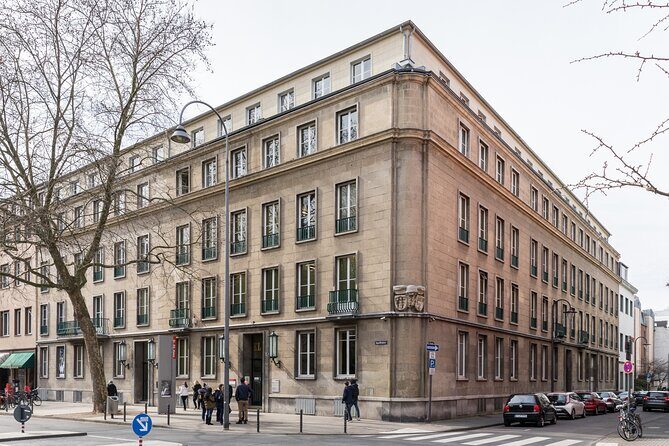
A standout theme in the tour experience is guide quality. I like that the commentary is built to be both informative and engaging, not a stiff lecture where you just endure headsets until the end.
You may encounter guides who bring that mix of storytelling and focus, including names like Ralph and Michael, which have been associated with tours that stayed entertaining while still staying serious. The common thread is that the guide can tailor what you concentrate on, so the experience doesn’t feel generic.
You’ll also notice the structure: you aren’t handed information in one lump. Instead, the tour builds in layers—starting in a central meeting area, moving into WWII context, then returning to the street-level city details, and finally closing with EL-DE Haus as the main event.
That flow matters because WWII history can feel overwhelming if it’s presented as one long list. Here, the walking rhythm gives your mind breaks while keeping the narrative moving.
Price and Value: What $289.95 Gets You in 3 Hours

At $289.95 per person for about three hours, this isn’t a bargain-bin ticket. It’s priced more like a guided experience where the value comes from timing, entry, and how the story is delivered.
Here’s where the value holds up best:
- EL-DE Haus entry is included, which is a real cost you avoid on the day
- It’s a private tour, meaning the guide can pace and adapt rather than push a fixed script
- You get guided walking commentary across multiple key stops, not just one museum room
If you’re traveling solo, the price may feel steep compared to standard group tours. But if you’re a couple or small group and you care about getting the most out of EL-DE Haus, the private format is where you’ll feel the money’s worth.
In other words: you’re paying for a guided, paced history day that also respects the site’s seriousness.
Who Should Book This Tour (and who might prefer something else)
This fits best if you want an honest, focused history outing rather than a sightseeing sprint. You should book if:
- you’re interested in Cologne’s Jewish WWII history and how it connects to real locations
- you’re okay with a heavier theme and want guidance to make it understandable
- you want a private experience with pacing that suits your group
You might skip it if:
- you’re hoping for a light, casual afternoon
- you prefer history that stays more general and less tied to imprisonment and terror sites
Either way, it’s a tour that asks you to pay attention. The payoff is clarity: you leave with a better grasp of how the Nazi system operated in this city and what still remains visible today.
Should You Book This EL-DE Haus and Cologne Jewish WWII History Tour?
If your goal is meaningful, well-paced WWII history in Cologne, I think this is a strong booking choice. The biggest reasons are practical and real: EL-DE Haus entry is included, the tour is private, and the guide brings structure to a difficult story.
If you’re sensitive to heavy historical topics, plan for a slower mental day after the tour. But if you want context you can walk through—street-level memorials, city landmarks, and the Gestapo site turned documentation center—this is exactly the kind of tour that makes history feel connected to place.
FAQ
How long is the tour?
The tour runs for about 3 hours (approximately).
Is this a private tour?
Yes. It’s private, and only your group participates.
Is the tour offered in English?
Yes, it’s offered in English.
Where do we meet the guide?
You meet your guide in front of Cafe Extrablatt Köln Alter Markt at Alter Markt 28-32, 50667 Köln.
Is entry to EL-DE Haus included?
Yes. Admission tickets for EL-DE Haus are included.
What is EL-DE Haus?
EL-DE Haus is the NS Documentation Center. It was the former headquarters of the Gestapo and is now presented as a place of terror connected to imprisonment, forced labor, and Nazi administrative oppression.
Will we see the basements and prison-related areas?
The tour focuses on the basements where the house was used as prison cells and torture rooms for forced laborers and political enemies, plus you’ll also learn about the administrative offices upstairs.
How much time is spent at EL-DE Haus?
EL-DE Haus is about 2 hours of the tour.
Is there a refund if I cancel?
Yes. Free cancellation is available, and you can cancel up to 24 hours in advance for a full refund.