REVIEW · MUNSTER
Münster: Private Guided Sculptures Tour on a Rickshaw
Book on GetYourGuide →Operated by Leezen Heroes · Bookable on GetYourGuide
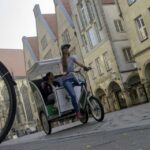
Münster turns into an open-air art lesson fast. You glide through parks, streets, and courtyards on a rickshaw while a guide explains what you are seeing and why it still matters. I really like two things here: the strong, story-rich guidance (for example, guides like Barbara and Beate are praised for context and meaning) and the hands-on way the route changes how you notice the art across the city. One thing to consider: it is outdoors most of the time, so bring weather-appropriate clothing and plan for cooler or wetter days.
You start at a historic landmark, then roll out to major public works by artists such as Donald Judd, Jorge Pado, Rosemarie Trockel, and Martha Rosler. The big theme is the Münster Sculpture Projects, which run every 10 years starting in 1977, and the tour connects each stop to that longer rhythm. The result feels less like museum sightseeing and more like learning how Münster’s art lives in everyday spaces.
If you want a sculpture tour that is actually practical—short enough to fit your day, but detailed enough to stick—this is a smart pick. The ride itself is part of the point, and the guidance makes the city’s artistic map click.
In This Review
- Key highlights worth your attention
- A Rickshaw Tour That Trains Your Eye for Public Art
- Meeting at Old City Hall and Getting Oriented in Minutes
- The Münster Sculpture Projects: Why This Tour Feels Bigger Than Art Facts
- Stop-By-Stop: How the Route Brings Different Sculptures to Life
- Outdoor artworks in parks and streets
- Courtyards and tighter urban pockets
- History tied to where you are sitting
- The Art You’ll See: Judd, Pado, Oldenburg, Trockel, Rosler and Friends
- Why the Guide Matters: Storytelling That Links Art and City Life
- Timing and Route Fit: Getting a Lot from 90 Minutes
- Price and Value: Is $58 Worth It?
- Who Should Book This (and Who Might Skip It)
- Quick Tips Before You Go
- Should You Book This Private Münster Sculpture Rickshaw Tour?
- FAQ
- How long is the Münster guided rickshaw sculpture tour?
- Where do I meet the guide?
- Is the tour private?
- What languages are available?
- What sculptures and artists are featured?
- What should I bring?
Key highlights worth your attention
- Private rickshaw ride through parks, streets, and courtyards, built for seeing art at street level
- Münster Sculpture Projects context, tied to the program happening every 10 years since 1977
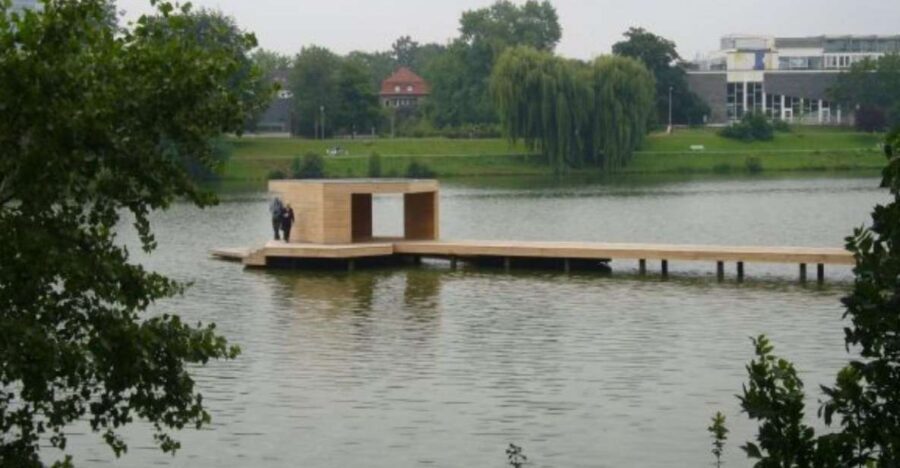
- Major artists on the route, including Donald Judd, Claes Oldenburg, Jorge Pado, Rosemarie Trockel, and Martha Rosler
- Guide-led meaning, with strong praise for background knowledge and how sculptures shape Münster’s city image
- 90 minutes that move, with a clear meeting point at Old City Hall so you do not waste time hunting
A Rickshaw Tour That Trains Your Eye for Public Art
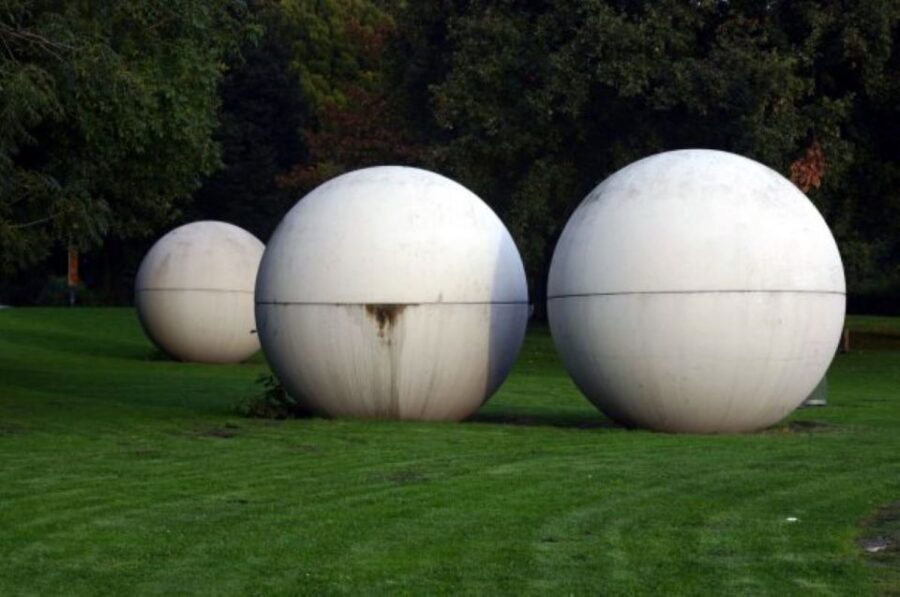
Public art can feel random if you only glance at it while walking by. This tour fixes that. You ride through Münster with a guide who points out what is going on and how the sculpture interacts with its setting—pathways, plazas, and open corners where you would normally pass without thinking.
What makes the experience work is the combination of motion and explanation. The rickshaw slows things down just enough for details to land, but it is still fast enough to cover multiple locations in 90 minutes. That matters because the sculptures on this route are meant to be encountered in the city, not in a single indoor room.
I also like that the tour anchors you with a bigger story: the Münster Sculpture Projects. Even if you are not an art-history nerd, the fact that it repeats every 10 years changes how you interpret what you see. You start thinking about the city as something that updates its visual language over time, instead of keeping one fixed look.
You can also read our reviews of more guided tours in Munster


Meeting at Old City Hall and Getting Oriented in Minutes
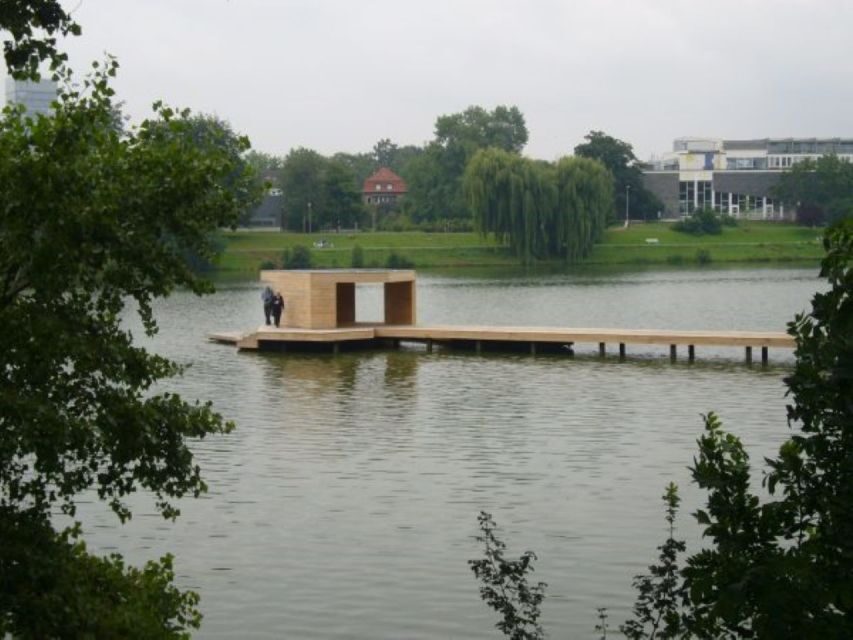
You meet your guide in front of the City Hall, standing next to the rickshaw. It is a simple setup, but it makes a difference. You get your bearings before you roll out, and you start with a landmark that already signals Münster’s civic character.
From there, you climb aboard and begin moving through the city. The guide talks as you go, so you are not stuck waiting for the first stop. This is especially helpful if you have limited time in Münster. Ninety minutes sounds short until you realize the tour is structured to keep you seeing and learning continuously.
The pace also helps with attention. From the rickshaw you can look ahead, spot artwork in your line of sight, and then get the story for it. That two-step pattern—see first, then understand—tends to make the information feel more real.
The Münster Sculpture Projects: Why This Tour Feels Bigger Than Art Facts
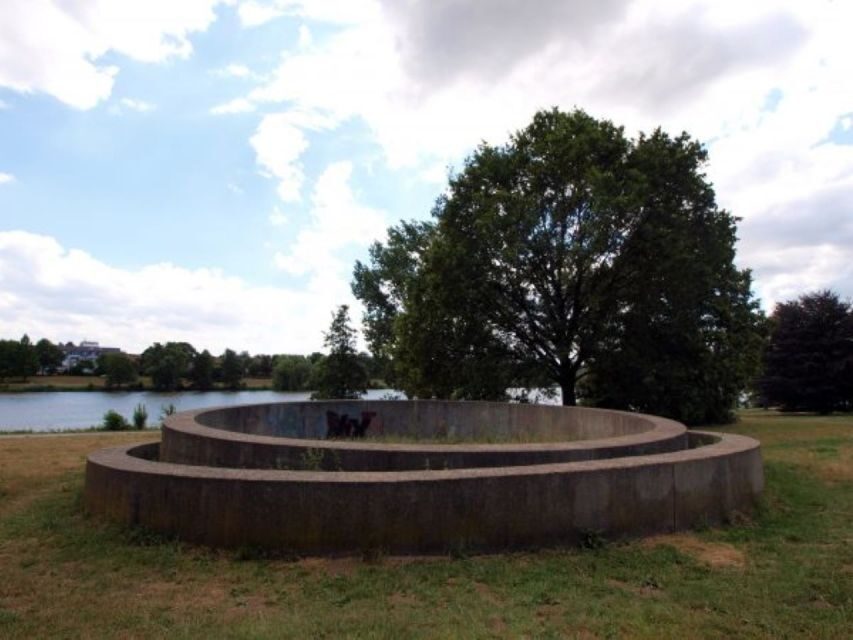
The central concept on this tour is the Münster Sculpture Projects, which happen every 10 years starting in 1977. That timeline is not just trivia. It explains why certain works feel like long-term landmarks rather than temporary exhibitions.
Think about it this way: if a city repeatedly commissions and installs major sculptures and then leaves them in place, the art slowly becomes part of everyday navigation. People live around it, meet near it, walk past it, and adapt their routines to it. Over time, the sculptures stop being unfamiliar “objects” and start acting like reference points for the city.
Your guide connects that project history to what you are seeing during the ride. In other words, you are not just learning who made each sculpture. You are learning how Münster selected, displayed, and kept the works long enough to shape the city’s identity.
This project framework also helps you interpret what can look abstract at first glance. If you know the city is intentionally weaving sculpture into public life every decade, you understand why the works might be placed where you can experience them casually—not only where you would go on purpose.
Stop-By-Stop: How the Route Brings Different Sculptures to Life
You will see sculptures placed around Münster in public spaces—parks, streets, and courtyards. That distribution changes the feel of each work. The same sculpture style can feel totally different when it sits beside a path you cross daily versus when it sits in a quieter courtyard that invites lingering.
Here is what you can expect from the kinds of stops you will encounter and why they matter:
Outdoor artworks in parks and streets
Outdoor placement makes light and weather part of the artwork. On a rickshaw route, you get to view sculptures with changing angles as you move. That is a practical advantage: many public sculptures only reveal their logic when you see them from more than one side.
You can also read our reviews of more private tours in Munster
Courtyards and tighter urban pockets
Courtyards tend to compress the space around a piece. You feel more enclosed, and sculptures often interact with walls, entrances, and sightlines. In these spots, your guide’s explanation is extra important because the meaning can be subtle—scale, materials, and placement all play roles.
History tied to where you are sitting
Your guide does not just name artists. The tour is framed around Münster’s city history too, starting from the historic City Hall. Then, as you move, you learn how the sculptures contribute to the city image over time.
That combo—civic history plus sculpture projects—keeps the tour from becoming a list of artist names.
The Art You’ll See: Judd, Pado, Oldenburg, Trockel, Rosler and Friends
The tour highlights a lineup of major contemporary and modern artists. You are not stuck with one style; the route is intentionally mixed.
Here are the artists included on the tour, so you know what kind of works to look for:
- Donald Judd
- Jorge Pado
- Claes Oldenburg
- Rosemarie Trockel
- Martha Rosler
- Bruce Naumann
- Per Kirkeby
- Ilya Kabakov
- Thomas Schütte
- Daniel Buren
A few practical notes on how to use this list during your ride. Before you get out your phone for photos, listen for what your guide points out about placement and relationship to the street. Names help, but placement is what will make the art click for you.
Also, do not worry if you do not know these artists. The tour is built for learning on the spot, with a live guide explaining the sculptures’ significance in Münster’s setting. That is one of the most praised elements: guides are repeatedly recognized for background knowledge and for explaining historical context in a way that makes the city picture make sense.
Why the Guide Matters: Storytelling That Links Art and City Life
What elevates this experience is the human piece: the guide’s explanation. The best feedback centers on exactly that. People liked how guides such as Barbara delivered thorough background knowledge about the sculptures and their meaning for Münster’s city image. Others praised guides like Beate for how engaging and well placed the information felt.
You should expect the tour to connect art to everyday location. Instead of treating each sculpture as a standalone museum piece, the guide ties it to how Münster functions as a lived-in city. You end up with a better sense of where things are and why they are there, which makes walking around afterwards easier.
This also matters if you have kids along. One standout detail from feedback: children were enthusiastic, which usually happens when the guide keeps the energy up and does not drown you in jargon. If you want a tour where adults learn and kids still stay interested, this one tends to work well.
Timing and Route Fit: Getting a Lot from 90 Minutes
Ninety minutes can be perfect—or too tight—depending on what you are doing. Here, it works because the tour is designed as a focused circuit. You are not doing a long transit plan and you are not trying to cram too many stops into a day of unrelated sightseeing.
Because you ride by rickshaw, you spend less energy than a walking-only tour and more attention goes to what you see. That is ideal when:
- your schedule is limited,
- you want a first look at Münster,
- or you are using this as an art foundation before you wander on your own.
If you are the kind of traveler who likes to linger, I will flag the only real caution: the time is limited, so you might want to pick one or two works to revisit after the tour if you fall for them. Still, even without a revisit, you should leave with a clear map of what is where.
Price and Value: Is $58 Worth It?
At about $58 per person for a 90-minute private guided rickshaw tour, the value comes from three things: transport, expert guidance, and a condensed route through multiple sculpture sites.
You are paying for:
- a rickshaw ride (so you cover more ground with less fatigue),
- a live guide in German or English,
- and a structured explanation of Münster Sculpture Projects and multiple major artists.
If you price this like a museum experience, it is not a bargain deal. But it is not a simple museum ticket either. This is more like a personal art-and-city lesson where the city is your gallery and the guide helps you read it quickly.
Also, the tour has a strong reputation, with a 5/5 average rating from 12 reviews. That is not everything, but it does line up with what matters most for this type of tour: people felt the guidance was clear, interesting, and worth the time.
Who Should Book This (and Who Might Skip It)
This tour suits you if you want:
- an art experience tied to place,
- a guide who explains meaning and history, not just names,
- and a short, easy way to get an overview of Münster’s public sculptures.
It also works well if you are traveling as a family. The feedback includes kids being genuinely excited, which is a good sign that the pacing and explanations are friendly rather than strict.
You might consider skipping if:
- you only want to do a self-guided walk and you dislike guided explanations,
- you need long, quiet time at one sculpture (this is a moving route),
- or you are very sensitive to outdoor conditions since much of the viewing is outside.
Quick Tips Before You Go
- Wear weather-appropriate clothing since the viewing is outdoors.
- Bring your curiosity and let the guide set the order of looking. Seeing first, learning second tends to stick better.
- If you are a photo person, wait for the guide’s cue on angles or meaning before shooting. You will get more satisfying results.
Should You Book This Private Münster Sculpture Rickshaw Tour?
I think you should book it if you want a practical, high-impact way to understand Münster’s Sculpture Projects and see major works by artists like Donald Judd, Claes Oldenburg, Rosemarie Trockel, and Martha Rosler in real public space. The private format and the strong emphasis on guide knowledge and context make it a lot more than a ride past sculptures.
If you are on the fence, use this simple test: if you would enjoy a guided explanation that connects art to how a city looks and works, this is a yes. If you prefer totally self-guided wandering with no structure, you might not feel the benefit.
FAQ
How long is the Münster guided rickshaw sculpture tour?
The tour lasts 90 minutes.
Where do I meet the guide?
Meet your guide in front of the City Hall next to the rickshaw.
Is the tour private?
Yes, it is a private group tour.
What languages are available?
The live guide offers tours in German and English.
What sculptures and artists are featured?
The tour includes sculptures by artists such as Donald Judd, Jorge Pado, Claes Oldenburg, Rosemarie Trockel, Martha Rosler, and others including Bruce Naumann, Per Kirkeby, Ilya Kabakov, Thomas Schütte, and Daniel Buren.
What should I bring?
Bring weather-appropriate clothing for the outdoor parts of the tour.