REVIEW · MUNSTER
Münster: Old Town Historical Walking Tour by “Geo Epoche”
Book on GetYourGuide →Operated by Eat the World GmbH · Bookable on GetYourGuide
Münster’s Old Town history is easy to follow on foot. This 2-hour historical walking tour by Geo Epoche-style storytelling leads you from landmark to landmark while explaining how the Anabaptists came into power and reshaped the city. You’ll move at a leisurely pace, with frequent “wait, look at that” moments tied to what you’re seeing.
I especially like the way the guide uses historical photographs and diagrams to make the past feel concrete, not just recited. I also like that you’re not stuck listening in one place—you walk past places like the Lambertikirche, Krameramtshaus, Prinzipalmarkt, and the Historical City Hall, so the story keeps syncing with real architecture and town squares.
One thing to consider: the focus is very story-driven and can get detailed, and it runs rain or shine, so come prepared if you prefer a lighter, drier experience.
In This Review
- Key things to know before you go
- Why Münster’s Old Town is perfect for a short guided walk
- Meeting at the Lamberti fountain: get your bearings fast
- The Anabaptist storyline: how power and city design connect
- Lambertikirche: a key stop in the story
- Krameramtshaus and Prinzipalmarkt: where daily life meets big events
- Historical City Hall: seeing authority in the urban layout
- Why the Geo Epoche style (photos and diagrams) is useful
- Pace, weather, and how to stay comfortable
- German-language tour: making the most of it
- Price and value: what $29 gets you in real terms
- Who should book this tour, and who should skip it
- Final verdict: should you book the Münster Old Town Historical Walking Tour?
- FAQ
- What is the duration of the Münster Old Town Historical Walking Tour?
- Where is the meeting point?
- Is the tour in English?
- Does the tour run in bad weather?
- What landmarks will the guide talk about?
- What is included in the price?
- Are food and drinks included?
- What should I bring?
- Are pets allowed?
- Is the tour suitable for people with mobility impairments?
Key things to know before you go
- Built around the Anabaptists story: you’ll connect power shifts to how Münster was redesigned
- Landmark-to-landmark narration: the tour ties major sights to the events being explained
- Geo Epoche partnership feel: you get a time-travel-style approach with photos and diagrams
- Brochure with illustrative pictures: useful for review after the walk
- German language tour: expect German throughout, from the live guide
- Walking time matters: plan for some leisure walking, plus weather in the open air
Why Münster’s Old Town is perfect for a short guided walk

Münster’s Old Town rewards slow attention. That’s exactly what you get here: a 2-hour route designed to stay manageable while still covering multiple named stops. Instead of trying to do everything alone, you’ll follow a storyline that gives each area a reason to exist beyond “nice street view.”
Because it’s a walking tour, you also get the subtle “pattern recognition” effect. You start noticing how plazas, churches, and civic buildings sit in relation to each other. The tour uses that to help you understand the Anabaptists’ impact on how city life played out—at least as presented through the guide’s stops and explanations.
And yes, you should bring the practical basics: comfortable shoes and weather-appropriate clothing. This is the kind of outing where being ready for the elements keeps the experience fun instead of annoying.
You can also read our reviews of more walking tours in Munster


Meeting at the Lamberti fountain: get your bearings fast

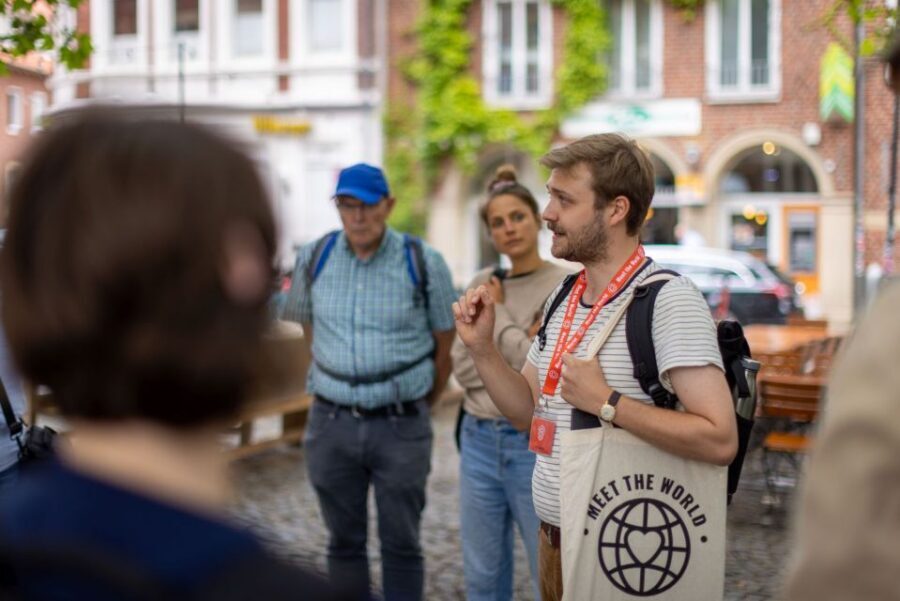
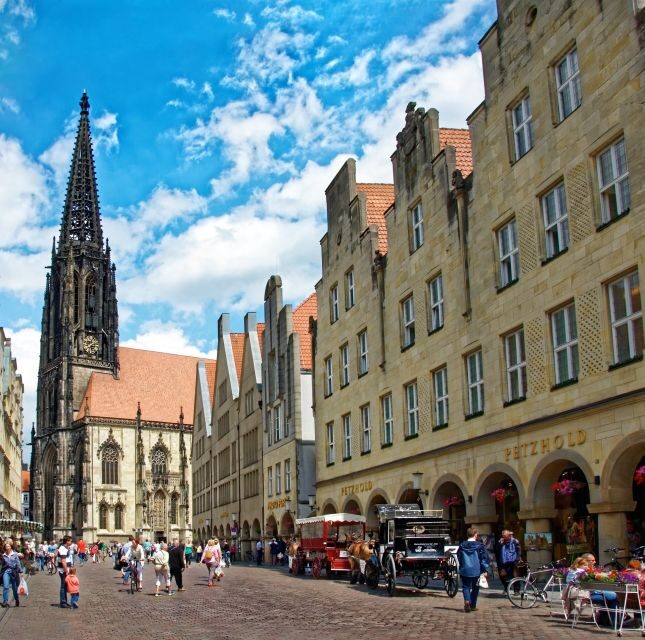
You’ll meet the guide at the Lamberti fountain, right in front of the entrance of the Lambertichurch. That’s a smart setup, because it places you at a central, easy-to-find landmark before the story starts.
If you like to arrive a few minutes early, do it here. Münster’s core area is walkable, but the quickest start comes from being at the correct spot and ready to move. Once you’re gathered, expect the guide to anchor the narrative in this part of town, then carry it forward through the Old Town.
One more practical note: this tour is in German, and the meeting point is tied to specific locations. If you need to confirm the exact corner, it helps to have a map pin ready so you’re not scanning every fountain.
The Anabaptist storyline: how power and city design connect
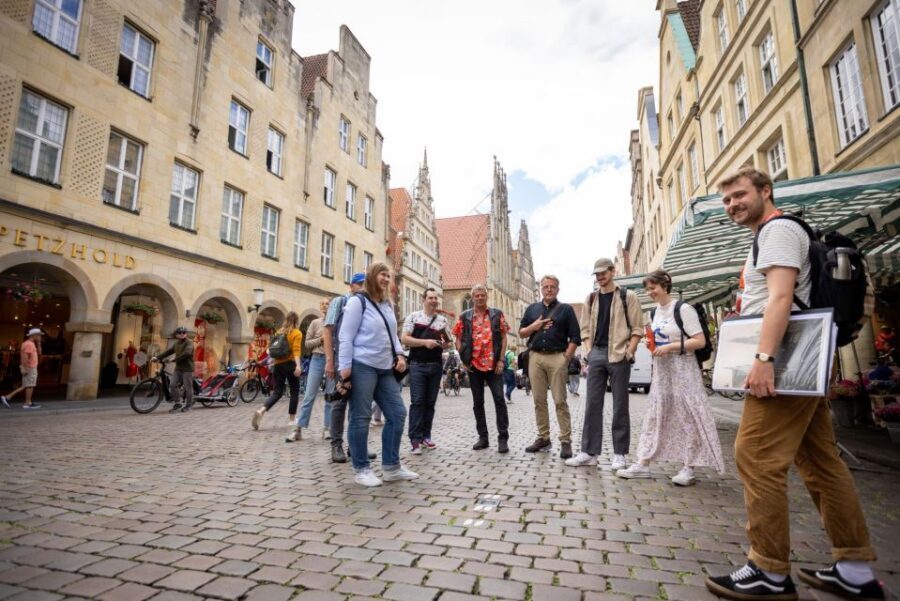
The core of this experience is the history of the Anabaptists in Münster. The tour’s premise is straightforward: you’ll learn how they came into power and how they radically redesigned the city, as explained through the guide’s route and chosen landmarks.
What makes that more than a lecture is the way it’s structured around “go here, then understand why this place matters.” You won’t just hear abstract ideas. You’ll hear facts and anecdotes tied to the specific stops on the walk—so you can visually map the story onto the city.
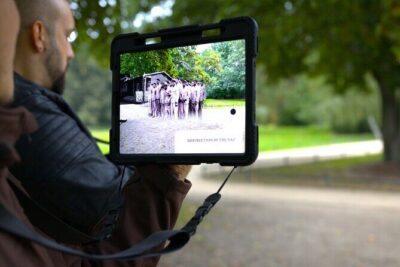
The Geo Epoche connection adds another layer. You’re not only relying on your memory of verbal explanations. You’ll see accompanying historical photographs and diagrams during the tour, which helps if you learn best by seeing how people, places, and events connect.
Lambertikirche: a key stop in the story
One of the named highlights is the Lambertikirche (St. Lamberti’s Church). On this tour, it’s more than a landmark you pass. It’s one of the locations the guide uses to talk about the Anabaptist period and its effect on Münster.
Here’s how to get the most out of this stop: listen for how the guide links the church and surrounding town life to the broader changes described on the walk. The tour is explicitly designed to connect events to place, so the story at the Lambertikirche should feel like a turning point—when the past moves from background context to something you can point at.
If you’re the kind of person who likes to understand “what was going on here,” this is a good place to slow down and take notes. Even if you’re not fluent in German, familiar landmark names and repeated concepts will help you follow the thread.
Krameramtshaus and Prinzipalmarkt: where daily life meets big events
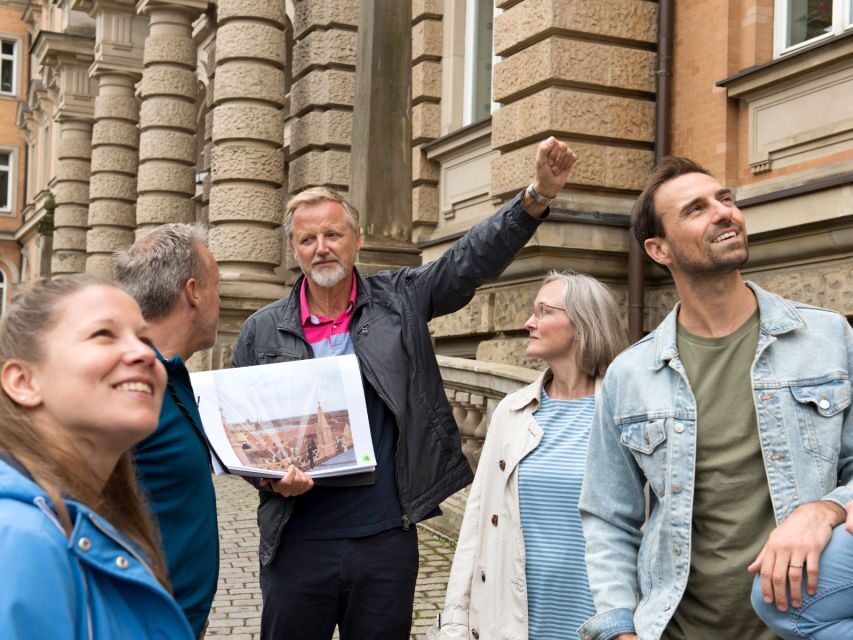
Two other stops you’ll hear about are the Krameramtshaus and the Prinzipalmarkt. The tour treats these as part of the same chain of change: the Anabaptists’ rise in power wasn’t only about leadership—it’s also framed as something that affected how the city functioned.
This is where your experience can really click. Town squares and prominent buildings tend to show up in political histories because they’re where authority becomes visible and where everyday life continues (or gets reorganized). On this walk, you’ll be listening for those connections rather than just admiring the look of the buildings.
A practical tip: if it starts raining, these open-air segments are where you’ll feel it most. Keep your hands free for listening and taking quick photos (if allowed where you are), and keep your attention on what the guide says about why this spot matters.






Historical City Hall: seeing authority in the urban layout
The Historical City Hall is another named landmark on the route. On a tour focused on how power took hold and reshaped Münster, this stop is naturally important. Even without getting bogged down in details, the location helps you understand how governance and public space work together.
The guide’s job here is to connect the historic narrative to what’s around you. That means you’ll get facts and anecdotes about the time period as they relate to this civic center. If you like history that explains cause-and-effect—how decisions translate into physical places—this is one of the stops to pay close attention to.
If you’re short on time, don’t tune out at City Hall just because you’ve seen it on postcards. On this walk, it’s part of the Anabaptist story arc, so the tour will aim to give you a specific reason you can remember later.
Why the Geo Epoche style (photos and diagrams) is useful
One of the most praised aspects is the storytelling approach, and you can feel that in the structure. This isn’t only a “facts spoken aloud” tour. It’s designed with historical photographs and diagrams that support the guide’s narrative as you move through town.
That matters because photos and diagrams help you build mental snapshots. When history is only words, it can blur together. When you see supporting material tied to a specific stop, you remember the story as a sequence instead of a pile of dates and names.
You also receive a brochure with illustrative pictures from the past. That’s a small inclusion that pays off later. After the walk, you can skim it and refresh what you learned, especially if you want to connect the names of the landmarks back to the bigger picture.
Pace, weather, and how to stay comfortable
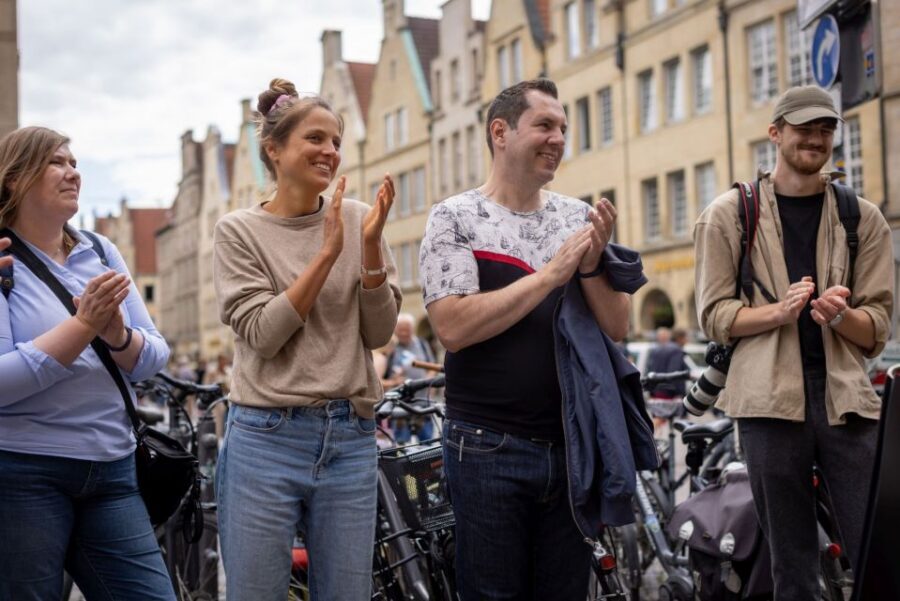
This is a leisurely walk, but it’s still walking. The tour includes “some leisure walking,” so come ready for that basic reality. In 2 hours, you’ll cover enough ground to experience multiple areas of the Old Town, but it shouldn’t feel like a race.
Weather is handled bluntly: the tour takes place rain or shine. That’s not a deal-breaker, but it does affect how you experience it. If rain is steady, you’ll likely spend more time focused on listening than on taking in details around you.
My practical advice: pack layers and bring something to protect your phone and paper (if you take notes). Keep your shoes in good shape for wet pavement, because comfortable footing makes the tour feel smooth instead of tiring.
German-language tour: making the most of it
The tour is in German, with a live guide. That means you’re signing up for German narration, not an audio headset option listed here.
If your German is limited, you still can have a good time if you focus on the landmark names and the narrative structure: the guide tells you how power shifts, then points you to the city features connected to that explanation. A simple translation tool can help you catch the gist of key phrases, but the tour’s built around visuals too, thanks to photos and diagrams.
If you need a fully English-only experience, this one may not fit. But if you’re comfortable following along with help from images and repeated terms, you’ll likely find the experience rewarding.
Price and value: what $29 gets you in real terms
At $29 per person for about 2 hours, you’re paying for three things: a live guide, a structured walking route, and learning aids (photos/diagrams during the tour plus a brochure afterward).
The value here comes from the combination. If you only wandered the Old Town, you’d see the sights. You just wouldn’t get the connected story explaining how the Anabaptists came into power and reshaped the city, stop by stop. The guide saves you time and mental effort, and the included materials help you retain what you learned.
So, the question isn’t only whether the price is low or high. It’s whether you want your Münster Old Town experience guided by a focused theme. If you do, this is reasonably priced for a guided, 2-hour, multi-stop history walk with physical handouts.
Who should book this tour, and who should skip it
This tour is a good fit if you:
- enjoy history you can see in the streets, not just read about
- like walking between specific landmarks and hearing what each one means
- want a focused theme (the Anabaptists) with visual support like photographs and diagrams
- prefer a structured 2-hour outing rather than an all-day self-planned day
It may not be ideal if you:
- need an option that avoids mobility challenges (it’s not suitable for people with mobility impairments)
- want food included (it’s not included here)
- dislike rain-plan tours, since it runs rain or shine
- need the tour in a language other than German
Final verdict: should you book the Münster Old Town Historical Walking Tour?
If you want a short, on-foot way to understand Münster’s Old Town through the lens of the Anabaptists, I think this is a smart booking. The route is built around major named stops, and the guide supports the story with historical photographs and diagrams plus a brochure you can revisit afterward.
Book it if you like history that stays anchored to places you can point at. Skip it if you need step-free accessibility or if you’re uncomfortable with a German-only narration.
If you’re deciding right now, I’d say reserve your spot when it suits you, then check availability for starting times. And since the tour runs rain or shine, plan your clothing so you can stay comfortable enough to enjoy the story all the way to the last stop.
FAQ
What is the duration of the Münster Old Town Historical Walking Tour?
The tour lasts 2 hours.
Where is the meeting point?
Meet at the Lamberti fountain in front of the entrance of the Lambertichurch.
Is the tour in English?
No. The tour is in German.
Does the tour run in bad weather?
Yes. The tour takes place rain or shine.
What landmarks will the guide talk about?
You can expect stops and information related to Lambertikirche, Krameramtshaus, Prinzipalmarkt, Historical City Hall, and other places on the route.
What is included in the price?
A tour guide and a brochure with illustrative pictures from the past are included.
Are food and drinks included?
No. Food and drinks are not included.
What should I bring?
Bring comfortable shoes and weather-appropriate clothing.
Are pets allowed?
No, pets are not allowed.
Is the tour suitable for people with mobility impairments?
No, it is not suitable for people with mobility impairments.